
If you’re tired of coming home to find your beautiful garden shredded by hungry deer, you’re not alone. These majestic creatures can be a nuisance in many parts of the country, leaving behind a trail of destruction and disappointment. But what if you could grow a stunning garden without worrying about deer damage? The good news is that it’s possible with the right plants. Deer resistant plants are specifically designed to withstand even the most determined deer, and with this article, we’ll show you how to choose and care for them effectively. We’ll also share expert tips on repellents, fencing, and maintenance to help you create a beautiful garden that stays safe from deer damage. Whether you’re a seasoned gardener or just starting out, keep reading to discover the secrets to growing a gorgeous garden without the hassle of deer.
What are Deer Resistant Plants?
If you’re tired of seeing your garden devoured by deer, it’s essential to understand what makes a plant deer-resistant and how to incorporate these species into your landscape. Let’s explore the world of deer-friendly plants together!
Characteristics of Deer Resistant Plants
When selecting deer resistant plants for your garden, it’s essential to understand what characteristics these plants possess that make them unappealing to deer. Deer tend to avoid plants with strong scents, bitter tastes, and spiny or prickly textures.
Strong scents are often a deterrent for deer, as they associate pungent smells with danger or discomfort. Plants like lavender, rosemary, and juniper have a potent aroma that deters deer from feeding on them. You can incorporate these plants into your garden by mixing them with other deer resistant species to create a beautiful and unappealing mix.
In addition to strong scents, bitter tastes also play a significant role in repelling deer. Plants like boxwood, holly, and yew contain toxic compounds that make them unpleasant for deer to eat. Deer may try to nibble on these plants initially but will quickly learn to avoid them.
Finally, spiny or prickly textures can also deter deer from feeding on certain plants. Plants like cacti, succulents, and some varieties of sedum have sharp spines that make it difficult for deer to access the plant’s leaves or stems. These plants are an excellent choice for gardens where deer activity is high, as they provide a natural barrier against browsing.
By incorporating these characteristics into your garden design, you can create a beautiful and deer resistant landscape that requires minimal maintenance and reduces the risk of property damage from overzealous deer.
How Deer Impact Garden Plants
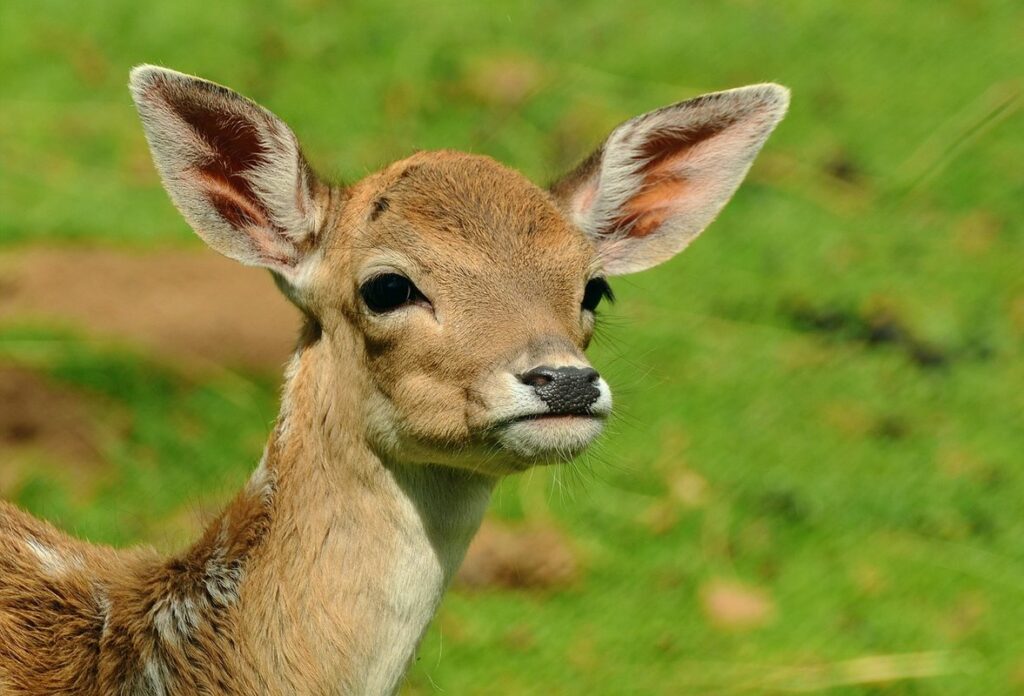
Deer can be a significant threat to garden plants, causing damage that can be costly and frustrating for gardeners. In areas where deer populations are high, such as the eastern and midwestern United States, they can be particularly problematic. These majestic creatures may look harmless, but their voracious appetites can quickly devastate a garden.
Deer tend to focus on tender shoots, leaves, and buds, often stripping plants of their foliage overnight. They also have a fondness for fruiting plants like strawberries, blueberries, and raspberries, as well as ornamentals like hostas and daylilies. In some cases, deer may even browse on garden perennials like coneflowers and black-eyed susans.
To give you an idea of just how extensive the damage can be, consider that a single deer can consume up to 8 pounds of vegetation daily during peak feeding seasons. This can translate to significant losses for gardeners who don’t take steps to protect their plants. By understanding the types of damage deer can cause and identifying areas where they are most prevalent, you can better prepare your garden for these hungry visitors.
Types of Deer Resistant Plants
When it comes to selecting deer-resistant plants, you have a wide variety of options to choose from. Let’s take a look at some popular types that are sure to thrive in your garden.
Trees and Shrubs
When it comes to incorporating trees and shrubs into your deer-resistant garden, there are several options that are less likely to be ravaged by these voracious herbivores. One popular choice is the flowering cherry tree (Prunus serrulata), which produces vibrant pink blossoms in the spring but doesn’t appeal to deer’s taste buds.
Another option is the dogwood tree (Cornus florida), known for its stunning white or pink flowers and tolerance of shade, making it an excellent choice for woodland gardens. Additionally, shrubs like holly (Ilex spp.) and yew (Taxus spp.) are generally unappealing to deer due to their prickly leaves or toxic berries.
When selecting trees and shrubs for your garden, consider planting multiple species that deer tend to dislike, as this can help deter them from frequenting the area. Planting native species is also a good idea, as they’re more likely to be well-suited to local conditions and less likely to attract deer.
Perennials and Grasses
When it comes to creating a deer-resistant garden, perennials and grasses are excellent choices. Deer tend to avoid plants with strong scents, coarse textures, and unpalatable foliage. Hostas, daylilies, and coneflowers fit the bill perfectly.
Hostas, for instance, have broad, flat leaves that repel deer due to their toxic sap. These versatile plants come in a range of sizes and colors, making them perfect for adding depth and texture to your garden. Daylilies, on the other hand, are known for their showy flowers and deer-resistant foliage. Deer find coneflowers unappetizing due to their strong scent and coarse texture.
Ornamental grasses like fountain grass and blue oat grass also repel deer. Fountain grass has a beautiful plume-like shape and can grow quite tall, adding drama to your garden. Blue oat grass, with its delicate blue-green foliage, is an attractive option for adding movement and interest to your landscape. To incorporate these plants into your garden, simply choose varieties that fit your climate and soil type.
Planting Deer Resistant Plants in Your Garden
When it comes to creating a beautiful and deer-free garden, choosing the right plants is key. Here, we’ll explore how to plant deer-resistant options for a thriving outdoor space.
Choosing the Right Location
When it comes to planting deer-resistant plants, choosing the right location is just as important as selecting the right plants themselves. Deer tend to frequent areas that offer them food, water, and shelter, so identifying these spots can help you create a more effective barrier.
Understand that deer are most likely to congregate near dense trees, shrubs, or wildlife habitats, such as bird feeders or birdbaths. These areas often provide them with the cover they need to feel safe while feeding. By planting your deer-resistant plants in these locations, you can create a natural barrier that deters deer from entering other areas of your garden.
Consider planting near undergrowth, thick shrubs, or dense woods where deer are more likely to hide and feed. This strategic placement will help funnel them away from more delicate flowers and prized vegetables. Keep in mind that the effectiveness of this approach also depends on the type of plants you choose – some deer-resistant varieties are more potent than others when it comes to deterring deer.
Preparing Soil for Deer Resistant Plants
When preparing soil for deer-resistant plants, it’s essential to create an environment that supports their health and resilience. Deer-resistant plants have a natural ability to withstand browsing, but they still require optimal growing conditions to thrive.
To start, add organic matter such as compost or well-rotted manure to your soil. This will improve its structure, fertility, and overall health, providing deer-resistant plants with the nutrients they need to resist damage. Aim for an annual application of 2-4 inches of organic matter, mixing it into the top 8-10 inches of soil.
You may also need to adjust your soil’s pH levels to suit the specific needs of your chosen deer-resistant plants. Most deer-resistant species prefer a slightly acidic to neutral soil pH, ranging from 6.0 to 7.5. Test your soil regularly and make adjustments accordingly. For example, if you’re planting a rhododendron or azalea, which require a more acidic environment, you may need to add elemental sulfur or peat moss to lower the pH.
By incorporating these simple steps into your gardening routine, you’ll create an environment that supports the growth and resilience of deer-resistant plants, reducing the likelihood of damage from local wildlife.
Designing a Deer-Proof Garden
When it comes to creating a deer-resistant garden, designing a space that’s unfriendly to these unwanted visitors is just as important as choosing the right plants. Here are some key considerations to keep in mind.
Creating Barriers and Fencing
When it comes to designing a deer-proof garden, creating barriers and fencing is an essential step in protecting your plants from these pesky critters. Deer can be relentless in their pursuit of tasty leaves and flowers, so you need a sturdy defense system to keep them at bay.
The type of fencing material you choose will depend on the style and structure of your garden, as well as your budget. Wooden fences are a popular choice, but they may not provide adequate protection against determined deer. Consider using metal or plastic fencing instead, which can be more effective in keeping deer out.
When it comes to installation techniques, make sure to bury the fence at least 12 inches underground to prevent deer from jumping over it. You should also consider adding a fence around the perimeter of your garden, rather than just protecting individual plants. This will create a barrier that deer are less likely to breach.
In addition to fencing, you can also use other barriers such as electric fences or repellent granules to deter deer from entering your garden. It’s essential to combine these methods with choosing deer-resistant plants, such as those listed in this guide, to create a truly deer-proof garden.
Using Repellents and Deterrents
When it comes to deterring deer from specific areas of your garden, repellents can be a game-changer. These sprays and granules work by creating an unpleasant environment for deer to enter, making them think twice before hopping over into your garden.
Hot pepper sprays are one effective option. Containing capsaicin, the active ingredient in chili peppers, these sprays will leave a burning sensation on the deer’s sensitive nose and eyes. Just be sure to reapply regularly, as this effect wears off after a few days. You can spray it directly onto plants or around the perimeter of your garden.
Another option is predator urine, such as coyote or fox urine. Deer have an intense dislike for these predators and will often avoid areas where their scent is present. You can purchase these products in granule form and sprinkle them along fencing lines, around gardens beds, or near areas you want to protect. Remember to always follow the manufacturer’s instructions for application rates and timing.
By using repellents strategically, you can create a barrier that deters deer from entering specific areas of your garden, allowing you to enjoy beautiful, pest-free plants year-round.
Maintenance and Care for Deer Resistant Plants
To keep your deer resistant plants thriving, regular maintenance is key, including pruning, fertilizing, and protecting them from extreme weather conditions.
Watering and Mulching Strategies
When it comes to maintaining deer-resistant plants, proper watering and mulching strategies are crucial for their health and survival. Watering is a delicate balance, as overwatering can be detrimental to these plants, while underwatering can lead to stress and vulnerability to pests.
To ensure the right amount of moisture, check the soil daily by inserting your finger into it up to the knuckle. If the soil feels dry, it’s time to water. Water thoroughly, allowing excess water to drain from the pot or garden bed. For plants in containers, use a well-draining potting mix and consider using a self-watering planter.
Mulching is another essential aspect of maintaining deer-resistant plants. Mulch helps retain moisture, suppress weeds, and regulate soil temperature. Apply a 2-3 inch layer of organic mulch around the base of the plant, keeping it a few inches away from the stem to prevent rot. Use natural materials like bark chips, pine straw, or wood shavings, which are readily available and effective in repelling deer. Regularly replenish the mulch as needed to maintain its thickness and effectiveness.
Pruning and Deadheading Techniques
Pruning and deadheading are essential techniques for promoting healthy growth in deer-resistant plants. By removing spent blooms and shaping the plant’s structure, you can encourage vigorous new growth, improve air circulation, and prevent disease. When pruning, make clean cuts just above a leaf node or bud to avoid damaging the plant.
Deadheading involves removing faded flowers, typically after they’ve dropped their petals. This technique is particularly effective for plants like daylilies, coneflowers, and black-eyed Susans that produce showy blooms throughout the growing season. Regular deadheading can also help prevent seed production, which can be a magnet for deer.
To make pruning and deadheading a breeze, it’s essential to keep your garden tools sharp and clean. Use loppers or pruning shears specifically designed for plant maintenance. For more extensive pruning jobs, consider using a hedge trimmer or pole pruner to reach those hard-to-access areas. By incorporating these simple techniques into your gardening routine, you’ll be well on your way to enjoying beautiful, deer-resistant gardens that require minimal maintenance and care.
Frequently Asked Questions
What happens if I already have deer-resistant plants, but the deer still manage to damage them?
Yes, it’s not uncommon for deer to cause damage even with deer-resistant plants. This can be due to various factors such as an overpopulation of deer in your area or a particular plant being more vulnerable than others. To minimize damage, consider combining multiple deer-resistant plants and using other deterrent methods like repellents or fencing.
Can I mix deer-resistant plants with non-deer-resistant plants in the same garden?
Yes, you can definitely mix different types of plants in your garden, including both deer-resistant and non-deer-resistant varieties. However, keep in mind that this may not be as effective at deterring deer, as they tend to prefer a variety of food sources. For best results, group deer-resistant plants together and consider using barriers or fencing to protect them.
How often should I water my deer-resistant plants?
The watering needs for deer-resistant plants can vary depending on the type of plant, climate, and soil conditions. As a general rule, ensure that your plants receive about 1 inch of water per week through rainfall or irrigation. Watering too frequently or infrequently can weaken plants, making them more susceptible to deer damage.
What if I’m new to gardening – which deer-resistant plants are easiest to grow?
Beginners often find it helpful to start with deer-resistant plants that require minimal maintenance and care. Some good options include Boxwood (Buxus sempervirens), Holly (Ilex spp.), and Lavender (Lavandula spp.). These plants tend to be hardy, adaptable, and easy to propagate.
Can I use DIY repellents or do I need commercial products?
While commercial repellents can be effective, you can also try making your own DIY repellents using household ingredients. Some examples include hot pepper spray, garlic-based sprays, and homemade granular repellents made from cayenne pepper and soap. Keep in mind that the effectiveness of these methods may vary depending on the individual plants and deer population.