
If you’re tired of watching deer ravage your beautiful shade garden, it’s time to take back control. Choosing the right plants can be overwhelming, especially when you’re looking for ones that are resistant to those pesky whitetail visitors. But fear not! With a little knowledge and planning, you can create a stunning and resilient garden that thrives in the shade while keeping deer at bay.
This comprehensive guide will walk you through the process of selecting and caring for deer-resistant plants specifically designed for shady areas. We’ll cover the top picks for your region, tips on how to incorporate them into your landscape design, and expert advice on maintaining a healthy and deer-deterring garden. Whether you’re a seasoned gardener or just starting out, this article will equip you with everything you need to create a beautiful and deer-resistant shade garden that brings you joy all year round.
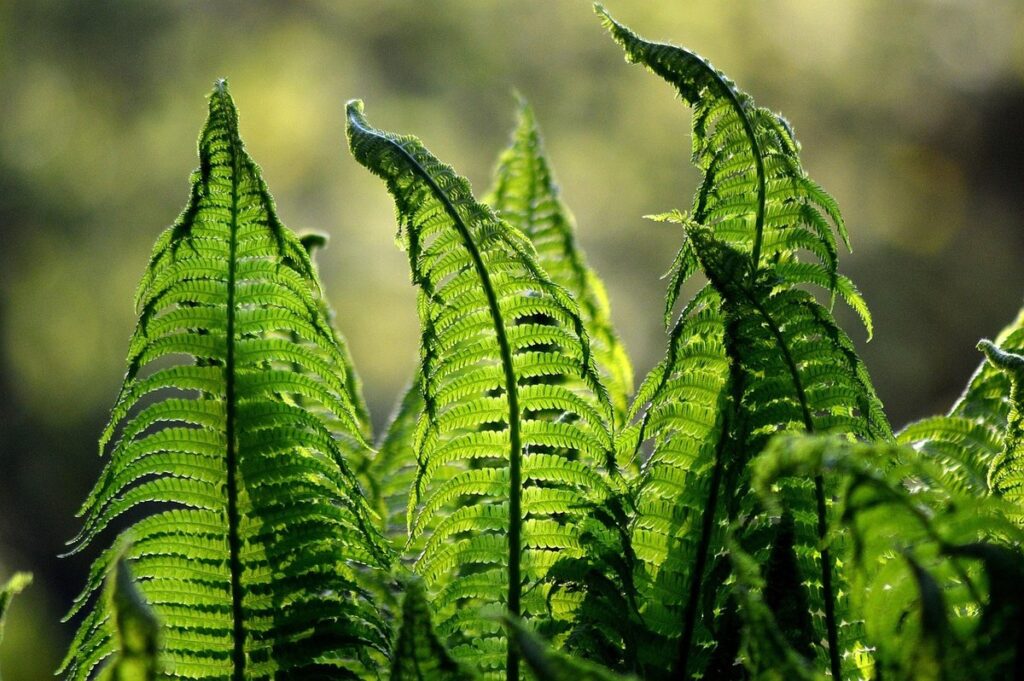
Choosing the Right Deer Resistant Plants
When selecting plants for a shaded area, it’s essential to choose species that deer tend to dislike, making your yard less appealing to these unwanted visitors.
Understanding Deer Behavior and Preferences
When it comes to selecting deer-resistant plants for shade, understanding deer behavior and preferences is crucial. Deer are herbivores and their diet consists mainly of plants with high levels of protein and nutrients. They tend to favor tender shoots, leaves, and fruits of various plant species.
To identify plants that are less likely to be attractive to deer, consider the following: deer prefer plants with broad leaves or those that grow in clusters, as these provide them with easy access to their desired food sources. Deer also tend to avoid plants with strong scents or those that have bitter tastes. For example, plants like lavender and rosemary are often deer-resistant due to their pungent aromas.
When selecting shade-loving plants for your garden, look for species that meet these criteria. Some examples include coral bells (Heuchera spp.), ajuga (Ajuga reptans), and astilbe (Astilbe spp.). These plants not only provide beautiful foliage but also offer deer-deterrent properties due to their leaf structure or strong scents.
Factors to Consider When Selecting Deer Resistant Plants
When selecting deer-resistant plants for shade, it’s essential to consider several factors that can make them more appealing or less attractive to these furry visitors. One crucial factor is plant size: larger plants with dense foliage can be a deer’s favorite snack, while smaller ones are often left untouched.
Deer also have a strong preference for tender shoots and leaves, which makes certain growth habits and leaf structures particularly enticing. For example, plants with soft, broad leaves or those that grow in a sprawling manner can be a deer magnet. On the other hand, plants with coarse, hairy leaves or those that grow upright and tightly packed tend to repel deer.
Another factor is fragrance: deer have an excellent sense of smell and are often drawn to sweetly scented flowers and foliage. However, some plants with strong, pungent fragrances can deter them instead. Consider incorporating plants like lavender, rosemary, or hyssop into your shade garden for their deer-repellent properties.
When choosing plants, also keep in mind the time of year: deer are often hungriest during winter and early spring when other food sources may be scarce. By selecting a mix of evergreen and deciduous plants that offer year-round interest, you can create a more deer-resistant garden.
Native Deer Resistant Plants for Shade
When it comes to finding deer-resistant plants that thrive in shade, you’ll want to focus on native options that are tailored to your region’s specific climate and soil conditions. Look for these hardy, adaptable varieties next!
Plant Options by Region (e.g. Northeast, South, West)
When selecting native deer-resistant plants for shade, it’s essential to consider the region you’re planting in. Deer feeding patterns vary by location, and some species are more prevalent in certain areas. In the Northeast, plants like Astilbe and Bleeding Heart (Dicentra spectabilis) are popular choices for shade gardens due to their deer-deterrent properties.
In the South, where white-tailed deer populations are particularly high, gardeners often opt for plants with prickly or unpalatable foliage. Yucca and Lantana are good options, as they’re less appealing to deer but still thrive in shaded conditions. On the West Coast, California Native Plants like Matilija poppy (Romneya coulteri) and Western Sword Fern (Polystichum munitum) offer excellent shade coverage while discouraging deer visits.
When choosing plants for your region, consider factors like soil type, moisture levels, and sunlight exposure. Select native species that have co-evolved with local deer populations, making them less likely to be damaged by grazing. By incorporating these native deer-resistant plants into your shade garden, you’ll enjoy a beautiful and resilient landscape that’s protected from deer damage.
Regional Adaptations and Care Requirements
When selecting deer-resistant plants for shade, it’s essential to consider regional adaptations and care requirements. For instance, plants like Hydrangea quercifolia (Oakleaf Hydrangea) and Rhododendron spp. require well-draining acidic soil, while others like Azalea and Camellia prefer slightly alkaline soils.
In terms of watering, most deer-resistant shade plants prefer moist but not waterlogged conditions. However, some like the Japanese Maple (Acer palmatum) are drought-tolerant and may need less frequent watering in arid regions. Fertilization is also crucial; for example, Rhododendron and Azalea benefit from regular fertilization with an acidic fertilizer.
Regular pruning is necessary to maintain shape and promote healthy growth. Prune plants like the Eastern Redbud (Cercis canadensis) in late winter or early spring before new growth begins. Consider consulting local nurseries, gardening experts, or your county extension office for specific advice on regional adaptations and care requirements for deer-resistant shade plants in your area.
To ensure success with these plants, remember to choose varieties that suit your climate and soil type. With proper care and attention, these beautiful flowers will thrive and provide a stunning display of color even under deer pressure.
Non-Native Deer Resistant Plants for Shade
If you’re tired of seeing your shade garden devoured by deer, we’ve got some non-native heroes that will keep those pesky critters at bay. Here are some tried-and-true options to consider.
Popular Alternatives to Native Species
While native plants are always a great choice, they may not always be feasible for every garden. Fortunately, there are many popular non-native deer-resistant plants that can thrive in shade conditions and provide beautiful foliage year-round. One such option is the Japanese Maple (Acer palmatum). This stunning tree boasts vibrant fall colors and delicate leaves that deer tend to avoid. Its compact growth habit makes it perfect for smaller spaces and containers.
Another option is the Burning Bush (Euonymus alatus), which offers vibrant red foliage in autumn. However, be aware that it can become invasive in some regions, so be sure to check with your local nursery or gardening association before planting. The Japanese Anemone (Anemone x hybrida) is another non-native deer-resistant plant that brings beauty and elegance to shaded areas with its delicate white flowers.
When choosing non-native plants, it’s essential to consider the potential risks and drawbacks, such as invasive tendencies or lack of local nectar sources for pollinators. Always research the specific needs and characteristics of a plant before introducing it to your garden.
Considerations for Using Non-Native Plants
When considering non-native plants as a solution to deer resistance in shaded areas, it’s essential to weigh the potential risks against their benefits. One of the primary concerns is invasiveness – some non-native plants can outcompete native species for resources and alter ecosystem dynamics. For example, Japanese stiltgrass (Microstegium vimineum) has been known to spread rapidly in eastern North America, displacing native vegetation and affecting biodiversity.
Non-native plants may also be more susceptible to diseases that could potentially harm local ecosystems. The Asian longhorned beetle (Anoplophora glabripennis), for instance, is a non-native insect that can devastate urban forests by killing ash, maple, and other tree species. Furthermore, introducing non-native plants can disrupt the delicate balance of local food webs, leading to unintended consequences.
Before planting non-native deer-resistant species in shaded areas, assess their potential impact on local ecosystems. Look for plants with a history of safe use in your region, and consider factors such as climate, soil type, and moisture levels. If you’re unsure about the risks associated with a particular plant, consult with local experts or check resources like the USDA’s PLANTS database to make informed decisions.
Deer Resistant Plant Care and Maintenance
Now that you’ve chosen your deer-resistant plants for shade, let’s dive into how to care for them properly. Proper maintenance is key to keeping those pesky deer away from your garden.
Watering and Fertilization Strategies
When it comes to watering and fertilizing deer resistant plants in shade conditions, it’s essential to consider regional climate and soil differences. In areas with high humidity and rainfall, such as the Pacific Northwest, you may need to water less frequently than in drier climates like the Southwest.
A good rule of thumb is to check the soil moisture by inserting your finger into the soil up to the first knuckle. If the soil feels dry, it’s time to water. Water thoroughly until water runs out of the drainage holes, taking care not to overwater which can lead to root rot and other problems.
As for fertilization, choose a balanced fertilizer (10-10-10) and apply it during the growing season (spring-fall). However, if your soil is already rich in nutrients, you may not need to fertilize at all. Consider getting a soil test done to determine the nutrient levels in your soil.
In regions with poor drainage or heavy clay soils, consider using a fertilizer that’s specifically designed for these types of soils. Always follow the instructions on the fertilizer package and take necessary precautions to avoid overfertilizing which can harm plants and the environment.
Pruning and Mulching for Optimal Growth
Pruning and mulching are essential techniques for maintaining healthy deer-resistant plants in shade. Pruning helps control plant size, encourages new growth, and promotes a balanced shape. For plants like ‘Little Henry’ Virginia Sweetspire and ‘Goldflame’ Spirea, regular pruning can enhance their natural beauty and encourage blooming.
When to prune is just as important as how to prune. For most deer-resistant shade plants, late winter or early spring is the best time for pruning. This allows plants to focus energy on new growth before the growing season begins. Prune deciduous shrubs like ‘Inkberry’ Holly and ‘Oakleaf’ Hydrangea in late February or early March.
Mulching provides an added layer of protection for your deer-resistant shade plants, retaining moisture, suppressing weeds, and regulating soil temperature. Organic mulch options like wood chips, bark, or leaves work well in shaded areas. Apply a 2-3 inch layer around the base of each plant, keeping it a few inches away from the stem to prevent waterlogged soil.
Regular maintenance will keep your deer-resistant shade plants thriving and attractive throughout the growing season.
Combining Deer Resistant Plants with Other Landscape Features
When it comes to creating a cohesive and beautiful shaded landscape, combining deer-resistant plants with other design elements is key to achieving your desired look. Let’s explore some inspiring ways to blend these plants with hardscaping and garden ornaments.
Designing a Deer-Resistant Shade Garden
When designing a deer-resistant shade garden, consider incorporating multiple plant species to create a visually appealing and functional space. Start by selecting a mix of plants with varying growth habits, textures, and bloom times to ensure year-round interest. For example, combine the evergreen shrub ‘Wintergreen’ (Gaultheria procumbens) with the flowering perennial ‘Bleeding Heart’ (Dicentra spectabilis).
Incorporate hardscaping elements like pathways, patios, or benches made from durable materials like stone or wood to create a sense of separation between different areas within the garden. This will also help prevent deer from easily accessing your plants. Add some visual interest with birdhouses, feeders, or other wildlife-friendly features that can distract deer from your prized plants.
Remember to choose plant species that thrive in shade and have a proven track record of resisting deer damage. Some excellent options for shade include ‘Astilbe’ (Astilbe spp.), ‘Hellebores’ (Helleborus spp.), and ‘Hostas’ (Hosta spp.). By combining these plants with hardscaping elements and other features, you can create a beautiful and functional deer-resistant shade garden that will provide years of enjoyment.
Tips for Maintaining a Healthy and Deer-Resistant Ecosystem
Maintaining a healthy and deer-resistant ecosystem is crucial to ensuring that your shade garden remains thriving and resilient. A balanced ecosystem not only benefits the environment but also deters deer from feeding on your plants. One effective way to achieve this balance is through proper mulching techniques.
Mulch acts as a physical barrier, preventing weeds from germinating and retaining moisture in the soil. Aim for a 2-3 inch layer of organic mulch around your plants, replenishing it annually to maintain its effectiveness. You can also incorporate composting into your routine by setting up a designated area for food scraps and yard waste.
Regularly managing weeds is another essential step in maintaining a healthy ecosystem. Remove weeds manually or use targeted herbicides, taking care not to harm surrounding plants. By doing so, you’ll prevent competition for water and nutrients, allowing your deer-resistant plants to flourish.
Additional Resources and Considerations
Now that you’ve got a great list of deer-resistant plants for shade, let’s explore some additional resources to help you make informed decisions about your garden. We’ll cover a few key considerations and point you in the right direction for more information.
Further Reading and Research
If you’re eager to learn more about deer resistant plants and how to incorporate them into your garden design, there are several resources available. The National Wildlife Federation offers a wealth of information on wildlife-friendly gardening practices, including plant recommendations for attracting pollinators while deterring deer.
The USDA’s Natural Resources Conservation Service (NRCS) also provides guidance on sustainable land management techniques, such as habitat restoration and invasive species control. For those interested in learning more about the science behind deer behavior and habitat selection, the Journal of Mammalogy is a reputable source of peer-reviewed research.
When it comes to specific plant recommendations, you may want to explore the PlantSnap app or consult with local nurseries and gardening experts who have experience working with deer-resistant plants. Some notable resources for garden design inspiration include the Shade Garden section on Fine Gardening’s website and the article “Designing a Deer-Resistant Garden” in Horticulture Magazine.
These resources can provide valuable insights and practical advice to help you create a beautiful, functional, and deer-resistant shade garden that will thrive for years to come.
Local Regulations and Guidelines
Before planting deer-resistant plants in your shade garden, it’s essential to familiarize yourself with local regulations and guidelines. These may vary depending on your location, and failing to comply can result in fines or other penalties.
Some municipalities have specific rules regarding invasive species, which are often listed as deer-resistant plants. For example, the Japanese stiltgrass (Microstegium vimineum) is considered invasive in many areas of the United States. If you’re considering planting this species in your shade garden, check with local authorities to ensure it’s not prohibited.
Additionally, some communities may require permits or have restrictions on certain plant species due to their potential impact on native ecosystems. In these cases, it’s crucial to obtain necessary permits before planting deer-resistant plants in your area. To avoid any issues, research and review local regulations and guidelines before making a final selection of deer-resistant plants for your shade garden.
Be aware that local regulations can change over time, so be sure to check with local authorities periodically for updates on any changes or new restrictions.
Frequently Asked Questions
Can I combine deer-resistant plants with other landscape features to create a visually appealing garden?
Yes, combining deer-resistant plants with other landscape features like stones, water features, or sculptures can add visual interest to your shade garden while maintaining its deer-deterrent properties. Just be sure to choose complementary plants that thrive in similar conditions and require minimal maintenance.
How do I know if non-native plants are suitable for my region’s climate?
Non-native plants can still be a great option for deer-resistant gardens, but it’s essential to consider your region’s specific climate and soil conditions. Check the plant’s hardiness zone and ensure it aligns with your area’s growing conditions. Research local nurseries or consult with gardening experts to determine if non-native plants will thrive in your region.
Can I grow a mix of native and non-native deer-resistant plants together?
Yes, mixing native and non-native deer-resistant plants can create a diverse and resilient garden ecosystem. Just be aware that some non-native plants may require more maintenance or have specific watering needs, which could impact the overall health of your garden. Balance their requirements with those of native species to maintain a balanced environment.
How often should I prune my deer-resistant plants to prevent overgrowth?
Pruning frequency depends on the plant’s growth rate and type. As a general rule, prune plants in late winter or early spring to control height and encourage new growth. For fast-growing species like azaleas or rhododendrons, prune every 6-8 weeks during peak growing seasons. Monitor your plants’ responses and adjust pruning schedules accordingly.
What are some common mistakes gardeners make when selecting deer-resistant plants for shade?
Common mistakes include choosing plants that might not thrive in shaded conditions or failing to consider the specific needs of native versus non-native species. Research local nurseries, gardening experts, or online resources to ensure you’re selecting the best deer-resistant options for your region’s unique climate and soil characteristics.