
Are you tired of seeing your beautiful garden devoured by hungry deer? You’re not alone. These majestic creatures can be a nuisance to gardeners everywhere, but there is hope. Did you know that there are many stunning perennials that deer tend to avoid? From flowering favorites like black-eyed Susans and coneflowers to lush foliage plants like daylilies and hostas, these deer-resistant perennials can add beauty and life to your outdoor space without the hassle of constant damage.
In this article, we’ll explore the top deer-resistant perennials for your garden, including expert tips on planting strategies, maintenance, and regional considerations. We’ll also dive into why some plants are more resistant to deer than others, and how you can use this knowledge to create a thriving, deer-free haven in your yard. Whether you’re a seasoned gardener or just starting out, we’ve got you covered with all the insider information you need to keep those unwanted visitors at bay.
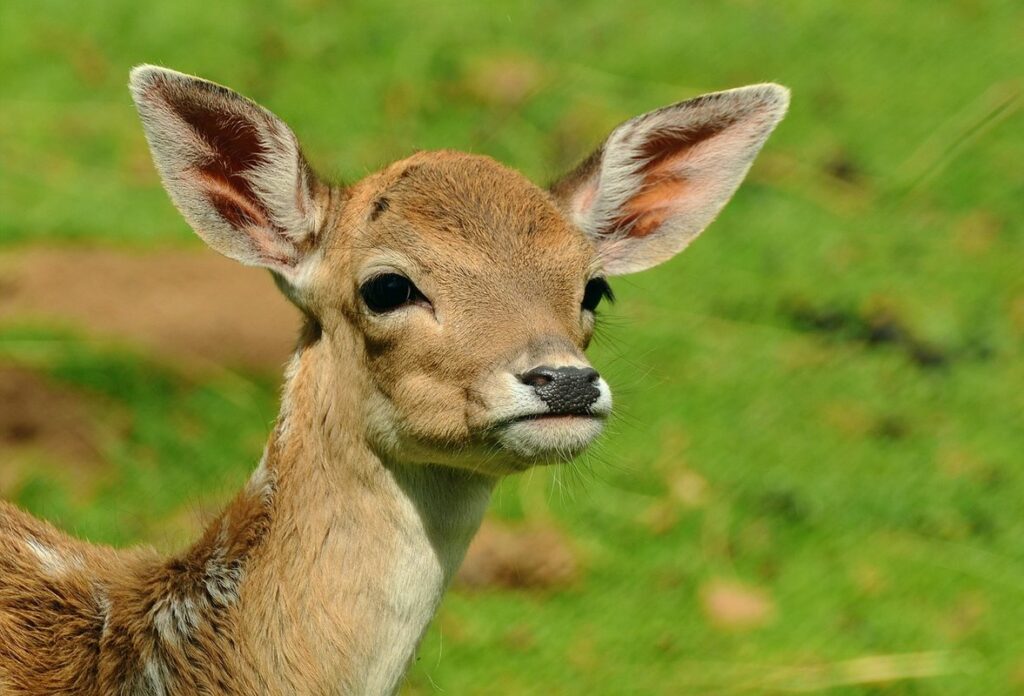
Choosing the Right Plants
When selecting deer-resistant perennials, it’s essential to consider the specific deer-deterrent traits you need for your garden, such as taste, texture, and scent. This section will help you choose the right plants for your unique situation.
Understanding Deer Behavior and Preferences
When it comes to understanding deer behavior and what they tend to avoid in plants, it’s essential to consider several key factors. Deer are often driven by instinct and a desire for food, but their preferences can vary depending on the season and availability of other sources.
Deer tend to avoid plants with rough or prickly foliage, such as lavender and rosemary, which can be uncomfortable to eat or difficult to digest. They also tend to steer clear of strongly scented plants like garlic and onion, which can deter them from approaching an area altogether. In addition to texture and scent, deer are also influenced by the taste of a plant. Bitter or astringent foliage, such as that found in daffodils and hyacinths, is often unappealing to deer.
When selecting plants for your garden, keep these factors in mind. Consider incorporating deer-resistant perennials with rough or prickly foliage, like succulents or grasses, to discourage deer from feeding on them. You can also try planting strongly scented herbs or flowers, like mint and daffodils, to repel deer from the area. By understanding deer behavior and preferences, you can make informed choices about which plants to include in your garden and reduce the likelihood of deer damage.
Selecting Plants with Unappealing Characteristics
When selecting deer-resistant perennials, it’s essential to consider plants that have characteristics unappealing to these hungry animals. Deer tend to avoid plants with bitter or unpalatable leaves, stems, and flowers. These characteristics can be particularly effective in deterring deer from feeding on your garden.
Plants like lavender, rosemary, and sage are known for their strong, pungent scents that repel deer. Their bitter taste also discourages deer from grazing on them. Other examples include plants with thick, waxy leaves like succulents and cacti, which are unpalatable to deer. Similarly, plants with milky sap or latex can be off-putting for deer.
When selecting perennials based on these characteristics, consider the specific needs of your garden. For example, if you have a shady area, look for plants like hostas and astilbe that have bitter leaves and unappealing flowers. If you’re looking to add color to your garden, try using marigolds or nasturtiums with their strong scents and bitter taste. By incorporating these deer-resistant perennials into your garden design, you can enjoy a thriving garden while keeping deer at bay.
Top Deer-Resistant Perennials for Your Garden
If you’re tired of those pesky deer munching on your flowers, don’t worry – we’ve got you covered with our top picks for deer-resistant perennials. From beautiful blooms to lush foliage, these plants are perfect for a wildlife-free garden.
Ornamental Grasses: A Deer’s Least Favorite
Ornamental grasses are an excellent addition to any garden, providing texture and visual interest without being on deer’s favorite menu. If you’re looking for low-maintenance and deer-resistant options, consider these popular varieties:
* Pampas Grass (Cortaderia selloana) – This large grass has showy white flowers and can grow up to 12 feet tall. It prefers full sun and well-draining soil.
* Purple Fountain Grass (Pennisetum setaceum ‘Rubrum’) – With its deep purple foliage, this grass adds a pop of color to any garden. It thrives in full sun and dry to medium moisture levels.
* Little Bluestem (Schizachyrium scoparium) – This native American grass is deer-resistant and attracts butterflies with its purple flowers. It grows up to 3 feet tall and prefers well-draining soil.
To care for ornamental grasses, water them regularly during their first growing season. After that, reduce watering to once a week during hot summer months. Fertilize lightly in the spring, and prune old foliage in late winter or early spring to promote new growth. With proper care, these deer-resistant perennials will add beauty and texture to your garden for years to come.
Flowering Shrubs and Vines with Unpleasant Properties
When it comes to deer-resistant perennials, some flowering shrubs and vines stand out due to their unpleasant scents or tastes. These plants can be a great addition to your garden if you’re looking for ways to deter deer without using repellents. Take lavender (Lavandula spp.) as an example – its pungent fragrance is often unappealing to deer, making it a popular choice for gardens in deer-prone areas.
Another herb that deer tend to avoid is rosemary (Rosmarinus officinalis). Its bitter taste and strong scent can deter even the most determined deer. Other flowering shrubs like boxwood (Buxus sempervirens) and juniper (Juniperus spp.) also have unpleasant properties that deer often find unpalatable.
If you’re looking to incorporate these plants into your garden, keep in mind that their deer-deterring properties can be enhanced when paired with other methods, such as fencing or repellent granules. By combining these approaches, you can create a robust defense system against deer damage and enjoy the beauty of flowering shrubs and vines without worrying about attracting unwanted wildlife to your garden.
Planting Strategies for Maximum Deer Resistance
When planting deer-resistant perennials, it’s essential to consider not just which plants will deter deer, but also how to plant them to maximize their effectiveness. Let’s explore some effective strategies for a deer-free garden.
Companion Planting: A Natural Deterrent
Companion planting is an effective way to deter deer from specific areas of your garden by pairing deer-resistant plants with less desirable ones. This natural method involves grouping plants together that have different growth habits, scents, and flavors, making it unappealing for deer to graze in certain areas.
For example, planting daffodils or hyacinths near vegetables can repel deer due to their strong, unpleasant scent. Alternatively, combining deer-resistant plants like lavender or rosemary with less desirable ones like chives or garlic can create a barrier that keeps deer away. Consider grouping plants in the same family together, such as pairing hostas and astilbe, which both belong to the Asparagaceae family.
When implementing companion planting, choose plants with different growth habits and scents to maximize deterrence. For instance, plant tall flowers like sunflowers or cosmos around the perimeter of your garden to create a physical barrier that makes it difficult for deer to enter. By incorporating these simple yet effective techniques into your gardening strategy, you can significantly reduce deer damage and enjoy a healthier, more resilient garden.
Mass Planting and Visual Barriers
When it comes to protecting your garden from deer damage, mass planting and strategic use of visual barriers can be incredibly effective. Deer are drawn to single, statement plants that stand out against a sea of lawn or other foliage. By creating a dense, uniform landscape through mass planting, you can make it more difficult for deer to spot their favorite treats.
Choose deer-resistant perennials that have a similar growth habit and plant them in clusters, rather than isolated groups. For example, combine low-maintenance plants like yarrow and Russian sage with ornamental grasses like pampas grass or blue oat grass. This will create a lush, impenetrable barrier that’s unappealing to deer.
In addition to mass planting, strategically placed visual barriers can also deter deer from entering your garden. Consider installing a 3-4 foot tall fence or screen made of materials like wood, metal, or even bamboo. Plant deer-resistant shrubs or trees along the perimeter of your garden to provide an extra layer of protection. By combining these strategies, you can create a deer-resistant landscape that’s both beautiful and functional.
Tips for Maintenance and Upkeep
Now that you’ve chosen deer-resistant perennials, it’s essential to maintain them properly to ensure their health and longevity. Regular care will also help prevent deer from targeting your plants in future.
Regular Pruning: Keeping Deer-Resistant Plants Healthy
Regular pruning is an essential part of maintaining healthy and effective deer-resistant plants. Not only does it promote bushy growth and encourage blooming, but it also helps to maintain the plant’s natural defenses against deer. When deer-resistance plants are not pruned regularly, they can become leggy and vulnerable to damage.
For example, plants like Bee Balm and Black-eyed Susan require regular pruning to prevent them from becoming leggy and to promote new growth. To prune these plants, simply cut back the stems by about one-third in the spring, after new growth has begun. This will encourage bushy growth and prevent the plant from becoming too tall and vulnerable to deer browsing.
Additionally, consider pruning your deer-resistant plants at different times of the year. For example, plants like Daylily and Coneflower should be pruned in the fall, after they have finished blooming. By removing dead flower stalks and foliage, you’ll help prevent disease and pests from taking hold over winter. By incorporating regular pruning into your maintenance routine, you can keep your deer-resistant perennials healthy and thriving for years to come.
Monitoring Your Garden for Deer Activity
Regularly monitoring your garden for deer activity is crucial to preventing damage and ensuring the health of your deer-resistant perennials. Start by keeping an eye out for signs of deer presence, such as hoof prints, droppings, or torn vegetation. If you notice any of these signs, it’s likely that deer are frequenting your garden.
To confirm their activity, set up a trail camera in a strategic location to capture photos or videos of the deer. You can also use motion-activated sensors to alert you to any movement around your plants.
If you do catch deer feeding on your perennials, respond quickly by removing any attractants and repairing damaged plants. Consider using fencing or repellents to deter future visits. Keep a record of your observations and note any patterns in the deer’s behavior, such as their favorite feeding times or areas of the garden they prefer.
By staying vigilant and responding promptly to deer activity, you can protect your investment in deer-resistant perennials and maintain a healthy, thriving garden.
Regional Considerations: Climate, Soil, and Local Adaptations
When selecting deer-resistant perennials, it’s essential to consider how climate, soil type, and local wildlife adaptations will impact their performance in your specific region. Regional variations can significantly affect plant hardiness.
Climate-Specific Plant Selection
Choosing deer-resistant perennials that thrive in your specific climate region is crucial for their success. Each climate zone has its unique set of challenges and opportunities, and selecting plants that are tailored to your area’s conditions can make a significant difference in their health and resistance to deer damage.
In regions with hot summers, such as USDA Hardiness Zones 9-11, heat-tolerant perennials like Lantana, Zinnia, and Succulents are excellent choices. These plants have adapted to withstand high temperatures and drought conditions, making them less appealing to deer in search of water-rich foliage.
Conversely, areas with cold winters, such as USDA Hardiness Zones 3-5, require perennials that can tolerate frost and snow. Consider planting Deer-resistant varieties like Russian Sage, Catmint, and Ornamental Grasses that have adapted to these conditions.
When selecting deer-resistant perennials for your region, research the specific needs of each plant and ensure they are compatible with your local climate. This will not only help prevent deer damage but also ensure the long-term health and beauty of your garden.
Soil Conditions and Adaptation Strategies
When choosing deer-resistant perennials, it’s essential to consider the local soil conditions. Different types of soil can affect plant growth and survival, so adapting to your specific region is crucial.
Poor drainage, for instance, can lead to root rot and other issues that make plants more susceptible to deer damage. If you live in an area with heavy clay or sandy soils, selecting perennials that thrive in these conditions will be a better choice than ones that prefer well-draining loams.
On the other hand, perennials like hydrangea and ferns can tolerate wet soil but may not perform as well in areas with low humidity. Researching plants native to your region can provide valuable insights into their specific needs.
Consider testing your soil pH and nutrient levels to better understand its characteristics. This will help you select deer-resistant perennials that adapt to the local conditions, ensuring they thrive and resist damage from deer.
Frequently Asked Questions
Can I use deer-resistant perennials in containers if I live in an area with high deer activity?
Yes, you can definitely use deer-resistant perennials in containers to keep deer away from your plants. Just make sure the container is at least 6-8 inches deep and has good drainage holes to prevent waterlogged soil. This will help deter deer from digging around the container to access the roots of your plants.
How do I know which types of deer-resistant perennials are suitable for my climate?
To determine which deer-resistant perennials thrive in your specific climate, consider factors like temperature, humidity, and precipitation levels. Research plants that are native to your region or have similar growing conditions. Also, don’t hesitate to reach out to local nurseries or gardening experts for advice on choosing the right deer-resistant perennials for your area.
Are there any deer-resistant perennials that can tolerate shade?
Yes, there are many beautiful and low-maintenance deer-resistant perennials that can thrive in shaded areas. Some examples include astilbe, lungwort, and hellebores. These plants tend to have unappealing characteristics like bitter taste or strong scents that deter deer from feeding on them.
Can I mix deer-resistant perennials with other types of plants?
While it’s tempting to create a diverse and colorful garden, mixing deer-resistant perennials with other plant species can compromise their effectiveness. Deer may be attracted to the non-deer-resistant plants, which could lead to damage or loss. However, you can use companion planting techniques to combine deer-resistant perennials in a way that minimizes this risk.
What’s the best way to maintain and upkeep my deer-resistant perennial garden?
To keep your deer-resistant perennial garden looking its best, establish regular maintenance routines like watering, pruning, and fertilizing. Regularly inspect your plants for signs of damage or stress caused by deer activity, and address these issues promptly to prevent further harm. Also, be sure to monitor your garden’s soil conditions and adjust your care routine as needed to ensure the health and resilience of your deer-resistant perennials.