
Are you tired of seeing your carefully tended garden destroyed by hungry deer? Effective deer fencing is essential to protect your plants from these voracious browsers. But with so many types of materials and installation options available, choosing the right fence for your garden can be overwhelming.
In this article, we’ll guide you through the process of selecting and installing a reliable deer fence that will safeguard your garden’s integrity. We’ll explore the various types of fencing materials, including mesh, netting, and wood, to help you decide what works best for your needs. Additionally, we’ll discuss DIY installation vs. hiring a professional, as well as maintenance tips to ensure your fence remains effective over time. Whether you’re a seasoned gardener or just starting out, this article will provide you with the knowledge you need to protect your garden from deer damage.
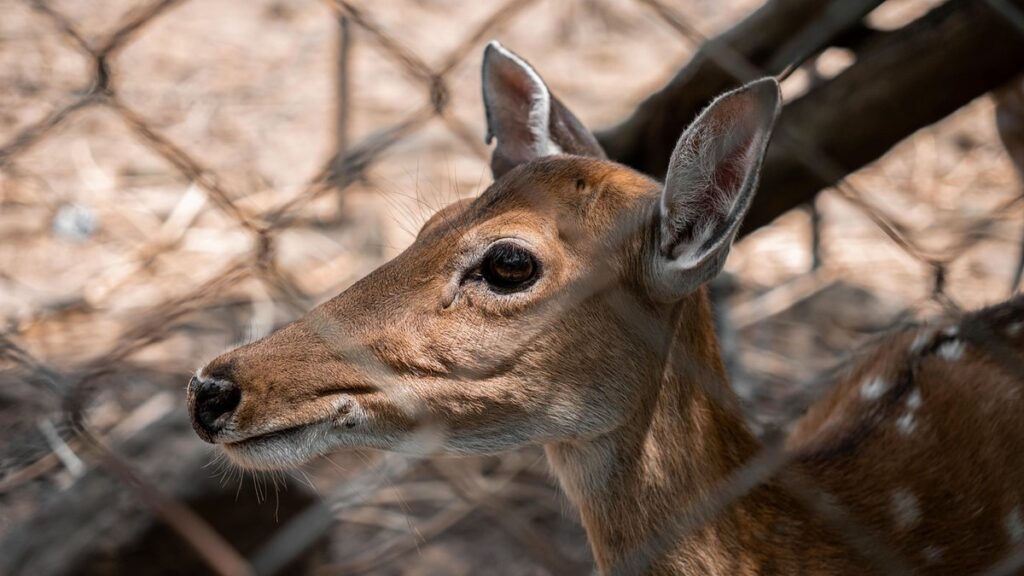
Understanding the Need for Deer Fencing
Let’s explore why deer fencing is a crucial addition to your garden, especially when you’ve spent time and effort nurturing your plants. We’ll break down the reasons why deer damage can be devastating.
Identifying Deer-Prone Areas in Your Garden
Determining if your garden is susceptible to deer damage can be a straightforward process. Start by inspecting your property for signs of previous deer activity. Look for flattened areas of vegetation, droppings, and torn plants that match the size and shape of deer teeth marks. Deer are attracted to gardens with lush vegetation, especially those with broadleaf trees, shrubs, and perennials.
Certain plant species are commonly targeted by deer due to their nutritional value or palatability. These include vegetables like lettuce, carrots, and peas, as well as flowers like roses, peonies, and hostas. If you notice that these plants are being frequently browsed or damaged, it’s likely that deer are visiting your garden.
Consider the proximity of nearby woods or fields to your garden, as well as any water sources that may attract deer to your property. The likelihood of deer damage is higher in areas with abundant food and water sources within close proximity to your garden.
Assessing the Risks of Not Using Deer Fencing
If you don’t take steps to protect your garden from deer, you may face significant consequences. Crop loss is a major concern, as deer can devour entire beds of plants in a single night. This not only means a financial loss but also a lot of time and effort invested into replanting and nurturing those crops.
Deer can also cause property damage by trampling garden beds, breaking branches, and even knocking over fences. These physical alterations to your garden can be costly to repair and may require professional help.
Moreover, the presence of deer in your garden can stress local ecosystems. Deer can carry diseases like ticks and parasites that can affect other animals in the area, including pets and wildlife. They can also contribute to soil erosion by digging up plants and compacting soil with their hooves.
To mitigate these risks, consider investing in a sturdy deer fence around your garden. Not only will it save you money in the long run, but it will also help preserve the beauty and integrity of your garden ecosystem.
Types of Deer Fencing for Gardens
When it comes to protecting your garden from deer damage, choosing the right type of fencing is crucial. In this section, we’ll explore the different types of deer fencing available for gardens.
Invasive Species Barriers: A Solution for High-Risk Areas
If you live in an area prone to invasive species, using an invasive species barrier can be an effective solution for high-risk areas. These barriers are designed to prevent non-native plants from entering your garden, which is especially crucial when it comes to deer-resistant plants.
Invasive species like Japanese knotweed and English ivy can cause significant harm to native ecosystems and outcompete native plant species. They can also attract herbivores that might otherwise avoid areas with native vegetation. For example, the presence of non-native plants in a garden can lead to an increase in rabbit populations, which can then damage your plants.
When choosing an invasive species barrier, consider installing one around vulnerable plant species or along garden paths and entrances. These barriers are typically made from materials like polypropylene or metal mesh with openings that allow native wildlife to pass through while keeping invasive species out. By incorporating an invasive species barrier into your deer fencing system, you can create a more holistic defense against non-native plants and protect the integrity of your garden ecosystem.
Deer-Repellent Fences: Choosing the Right Material
When it comes to choosing the right material for your deer-repellent fence, you have several options to consider. Mesh and netting are two popular choices that offer excellent results in deterring deer from entering your garden.
Mesh fencing is particularly effective because its small openings make it difficult for deer to push through or nibble on plants. A 3-foot tall mesh fence with openings of 1 inch or smaller can be an ideal solution. You can also consider using a combination of mesh and netting for added protection. Netting, on the other hand, is often used in conjunction with other fencing materials to provide extra support.
Wooden fences can also work well as deer-repellent options, especially when paired with an electric wire or repellent granules. However, it’s essential to use durable wood species and ensure that the fence is at least 6 feet tall to prevent deer from jumping over. Consider adding a layer of deer-deterrent mesh or netting behind the wooden slats for added protection.
When selecting any type of fencing material, consider factors like durability, ease of installation, and maintenance requirements.
DIY vs. Professional Installation: Which is Best for You?
When it comes to installing deer fencing, you’re probably wondering whether to go with a do-it-yourself project or hire a professional installer. We’ll break down the pros and cons of each approach.
Pros and Cons of DIY Deer Fencing
Installing deer fencing yourself can be a cost-effective and flexible solution for protecting your garden. By doing it yourself, you can save money on labor costs, which can add up quickly with professional installation. Additionally, having complete control over the project allows you to choose the materials and design that best suit your specific needs.
However, there are potential pitfalls to consider when tackling a DIY deer fencing project. For instance, improper installation can lead to gaps in the fence, allowing deer to still access your plants. Furthermore, if you’re not familiar with building codes or local regulations, you may inadvertently create a hazardous situation for yourself and others.
To mitigate these risks, it’s essential to research and follow best practices for DIY deer fencing. This includes selecting high-quality materials, ensuring proper post spacing and installation, and incorporating features like electric fencing or repellents to deter deer. With careful planning and execution, a DIY deer fencing project can be a successful and rewarding endeavor.
Hiring a Professional to Install Your Deer Fence
Hiring a professional to install your deer fence is often the best option for gardeners who want a high-quality, long-lasting solution. One of the main advantages of hiring a pro is their expertise and experience with similar projects. They will be able to assess your property’s specific needs and choose the right type and size of fencing materials for maximum effectiveness.
Another benefit of professional installation is the time-saving aspect. While it may seem like a DIY project, installing a deer fence can be a complex task that requires careful planning and execution. A professional installer will have the necessary equipment and manpower to complete the job quickly and efficiently, allowing you to focus on other gardening tasks. Additionally, they will ensure that your fencing installation complies with local regulations and building codes.
This is particularly important if you live in an area with strict zoning laws or homeowners’ association rules. By hiring a professional, you can avoid costly fines and penalties down the line.
Installation Considerations for Deer Fencing
When installing deer fencing, it’s crucial to consider the specific needs of your garden and the terrain you’re working with. Choosing the right materials and design will ensure a secure barrier against these voracious creatures.
Choosing the Right Fence Height and Depth
When it comes to choosing the right fence height and depth for your deer fencing, several factors come into play. First and foremost, consider the species of deer that are prevalent in your area. For example, if you’re dealing with white-tailed deer, a fence height of at least 8 feet is recommended. However, if you’re facing larger species like elk or moose, you’ll need to go even higher – upwards of 10 feet.
Another crucial factor is the size of your garden. If you have a small to medium-sized plot, a shorter fence may be sufficient. But for larger gardens or those with more valuable plants, it’s better to err on the side of caution and opt for a taller fence. You should also take into account the surrounding landscape, including any nearby wildlife habitats or deer migration routes.
In terms of depth, make sure your fence extends at least 12 inches below ground level to prevent burrowing. This is especially important if you’re dealing with clever critters like raccoons or opossums that might try to dig their way under the fence.
Gate Options: Selecting the Right Type for Your Garden
When it comes to protecting your garden from deer, installing a reliable fence is just half the battle. You also need to ensure that you have a secure gate that complements your fencing system and meets the specific needs of your garden setting.
Self-closing gates are an excellent option for most gardens as they provide a convenient way to close the gate without needing to manually lock it every time. They’re particularly suitable for larger properties with multiple entrances, allowing you to easily secure your garden while minimizing the risk of leaving a gate open.
For smaller gardens or those with limited space, sliding gates can be an attractive and practical choice. These gates don’t require any floor clearance or swing space, making them ideal for compact areas where manual gates might not fit comfortably. However, ensure that you install sturdy tracks to support the weight of the gate and prevent any potential damage.
Manual gates are another common option, but they often require more maintenance compared to self-closing or sliding gates. They’re best suited for gardens with a dedicated entrance path and enough space to swing open freely without obstruction. Regardless of your chosen gate type, consider factors like size, material, and durability when making your selection to ensure it aligns with your garden’s specific needs.
Maintenance and Upkeep of Deer Fencing
To keep your deer fencing effective, regular maintenance is crucial. This includes checking for damage, replacing worn-out posts, and ensuring the fence remains secure over time.
Regular Inspections to Ensure Effectiveness
Regular inspections are crucial to ensure that your deer fence remains effective and secure. Over time, fences can become worn out due to exposure to weather conditions, animal activity, and other external factors. A damaged or weak spot in the fence can compromise its entire integrity, allowing deer to breach through and damage your plants.
To conduct a thorough inspection, walk along the fence line at least once a week during peak deer season, which typically falls between spring and fall. Look for signs of wear, such as bent posts, loose wires, or gaps in the mesh. Check for any damage caused by animal activity, like scratches on the posts or torn sections of the fencing.
If you notice any damage or weakness, take immediate action to repair it before it becomes a larger issue. Replace damaged posts or wires, and re-tighten loose screws or bolts. For particularly weak areas, consider reinforcing them with additional support, such as extra wire mesh or netting. By performing regular inspections, you can maintain the effectiveness of your deer fence and protect your garden from these unwanted visitors.
Repairing or Replacing Damaged Fencing Materials
When repairing or replacing damaged fencing materials, it’s essential to consider both cost-effectiveness and environmental sustainability. Inspect your deer fence regularly for signs of damage, such as loose posts, torn wire mesh, or gaps between panels. Addressing these issues promptly can prevent further degradation and minimize the need for extensive repairs.
For minor damages, repair kits are available that include replacement wires, clips, or tensioners. Use these to re-tighten sagging sections or replace damaged components. To reduce costs, consider upcycling materials from an old fence or repurposing discarded wire mesh. When replacing entire panels, choose eco-friendly options like recycled metal or sustainable wood.
To minimize environmental impact, opt for locally sourced materials and avoid using chemical-treated woods. Consider the long-term durability of replacement materials to prevent frequent repairs. For instance, a sturdy metal post can last longer than a wooden one. By prioritizing repair and replacement strategies that balance cost-effectiveness with sustainability, you’ll maintain your deer fence’s integrity while protecting the environment.
Additional Tips for Effective Deer Fencing
While you’ve got a solid foundation of knowledge on deer fencing, here are some additional expert tips to help ensure your garden remains deer-free and thriving. We’ll share our top recommendations for optimal installation and maintenance.
Combining Deer Fencing with Other Deterrents
When it comes to protecting your garden from deer damage, relying on a single deterrent can be insufficient. Combining deer fencing with other effective methods can significantly enhance its performance and provide long-term results. One of the most effective ways to do this is by incorporating noise-making devices.
Devices like ultrasonic repellent emitters or motion-activated sprinklers can be installed near your fence line to scare away approaching deer. These devices are relatively inexpensive and can be easily powered using a battery source. Another option is to use repellents, such as sprays or granules containing capsaicin or hot peppers.
In addition to noise-making devices and repellents, selecting plants that are less appealing to deer can also play a crucial role in deterring them from your garden. Deer tend to prefer plants with tender shoots and fragrant foliage, so choosing varieties with tougher leaves and less palatable taste can be an effective deterrent.
Staying Up-to-Date on Local Regulations and Best Practices
Staying up-to-date on local regulations and best practices is crucial when it comes to deer fencing for your garden. This not only helps you avoid potential fines but also ensures the longevity of your fence and the safety of those around it.
Before installing a deer fence, research the local ordinances regarding wildlife control measures. Some areas may have specific requirements or restrictions on the type of materials used, the height of the fence, or even the placement of the fence. For instance, if you live in an area prone to wildfires, your local government might require you to use fire-resistant materials.
In addition to local regulations, it’s also essential to stay informed about best practices for deer fencing. This can include tips on how to design a fence that effectively keeps deer out while minimizing visual impact on the surrounding landscape. Consider consulting with local gardening clubs or online forums to learn from others who have successfully installed deer fences in your area.
To get started, make sure to check with your local government for any necessary permits or approvals before beginning construction. You can usually find this information on their website or by contacting their customer service department directly. By doing your research and staying informed, you’ll be well on your way to creating an effective deer fence that protects your garden while also meeting local requirements.
Frequently Asked Questions
Can I use deer fencing materials that are already on hand, or do I need to purchase specific types?
You can repurpose some materials like old wood for the frame, but it’s essential to use high-quality mesh or netting specifically designed for deer fencing. These materials are typically made from durable, rust-resistant materials and have smaller openings to prevent deer from pushing through.
How often should I inspect my deer fence for damage or gaps?
Regular inspections every 1-3 months during peak deer season (fall and winter) can help ensure your fence remains effective. Look for signs of wear, such as sagging or torn mesh, and make repairs promptly to maintain the integrity of your garden’s protection.
Can I install a deer fence in areas with dense vegetation or uneven terrain?
Yes, you can still install a deer fence in challenging terrain, but consider enlisting professional help to ensure accurate measurements and installation. For densely vegetated areas, it may be helpful to clear a path for the fence to make installation easier and more effective.
What are some common mistakes to avoid when installing a deer fence?
Some common mistakes include inadequate fence height (deers can jump up to 8 feet), insufficient depth (extend the fence at least 12 inches below ground level), or neglecting to secure the fence posts properly. Make sure to follow local building codes and manufacturer instructions for installation.
How do I know if my deer fence is effective, and what should I look for?
Check your garden regularly for signs of deer activity, such as flattened plants or damaged trees. Monitor the effectiveness of your fence by observing these indicators over time. If you notice increased damage despite a well-installed deer fence, consider adjusting the type of fencing material or installing additional deterrents like repellents or motion-activated sprinklers.