
Dead wood in the middle of hydrangea plants is more common than you think. It’s not just an aesthetic issue, but a sign of underlying problems that can affect the health and vitality of your beautiful blooms. Dead or damaged branches can be a haven for pests and diseases, which can quickly spread to other parts of the plant. In this article, we’ll delve into the reasons behind dead wood in hydrangeas, including the most common causes like disease, pests, and environmental factors. You’ll learn how to identify and remove dead wood safely, without causing further damage to your plant. By the end of it, you’ll be equipped with prevention techniques to keep your hydrangea plants thriving and looking their best all season long.
Understanding Dead Wood in Hydrangeas
Dead wood in the middle of your hydrangea can be a concern, but what’s causing it and how does it affect plant health? Let’s dive into the reasons behind this issue.
What is Dead Wood?
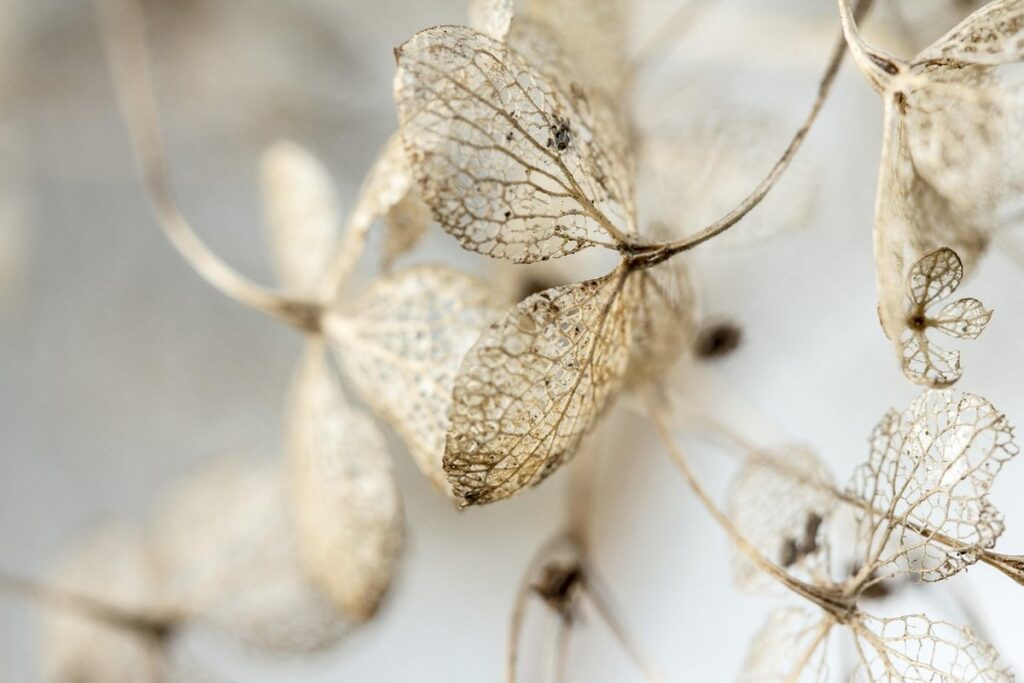
Dead wood refers to the dead, dried-out branches that are still attached to a plant. It’s a natural process where older stems gradually die and fall off as new growth takes over. However, when it occurs excessively or prematurely, it can be detrimental to the overall health of the hydrangea.
In hydrangeas, dead wood can manifest in different ways. Some plants may develop brown or grayish-colored branches that are brittle to the touch, while others might have entire stems turning dry and lifeless. This can happen due to a variety of factors, such as age, disease, pests, or environmental stress. For instance, hydrangeas grown in areas with harsh winters may experience more dead wood than those in milder climates.
As dead wood accumulates on the plant, it can create an ideal environment for diseases and pests to spread. It’s essential to remove these dead stems regularly to prevent further damage and maintain your hydrangea’s appearance. You can do this by cutting off the affected areas using pruning shears or loppers, making sure to disinfect your tools between cuts. By addressing dead wood promptly, you can promote healthy growth and ensure your hydrangea continues to thrive.
Identifying Dead Wood in Hydrangeas
When inspecting your hydrangea for dead wood, it’s essential to look for visual signs and symptoms that indicate a problem. One of the most noticeable indicators is discoloration. Dead wood will often turn brown, gray, or even black, whereas healthy branches typically remain green. Take a closer look at the affected area; if you notice a sudden change in color, it could be a sign of dead wood.
Another indicator is brittleness. If branches are brittle and snap easily when bent, they’re likely dead. This is especially true during warmer months when new growth is occurring. Healthy stems should bend without breaking.
Loss of leaves or branches can also signal the presence of dead wood. Check if any leaves have fallen from a particular area, as this could indicate that the branch itself has died. If you notice significant leaf loss, it’s likely due to diseased or dying branches.
Take note of these visual signs and address them promptly to prevent further damage to your hydrangea. Regular inspections will help you catch dead wood before it spreads, ensuring the overall health of your plant.
Causes of Dead Wood in Hydrangeas
Let’s take a closer look at what might be causing that unsightly dead wood in the middle of your beautiful hydrangea shrubs. This section will explore the common culprits behind this issue.
Nutrient Deficiencies
Nutrient deficiencies can be a significant contributor to dead wood in hydrangeas. Nitrogen, iron, and magnesium are essential macronutrients that play critical roles in plant growth and health. A lack of these nutrients can cause symptoms such as yellowing leaves, stunted growth, and eventually, the death of woody stems.
One common nutrient deficiency in hydrangeas is nitrogen deficiency. This can be caused by poor soil quality, inadequate fertilization, or excessive water usage. To address a nitrogen deficiency, apply a balanced fertilizer that contains nitrogen (usually listed as the first number on the label) during the growing season. For example, a 10-10-10 NPK fertilizer would provide equal amounts of nitrogen, phosphorus, and potassium.
Iron deficiency is another common issue in hydrangeas, especially those grown in acidic soils. Iron is crucial for chlorophyll production and can cause interveinal chlorosis (yellowing between leaf veins). To correct an iron deficiency, apply a chelated iron supplement during the growing season. Magnesium deficiency can also occur, leading to stunted growth and yellowing leaves.
To prevent nutrient deficiencies in hydrangeas, maintain good soil quality through regular fertilization and mulching. Monitor your plants’ responses to these practices and adjust as necessary. Regularly test your soil pH and nutrient levels to ensure they are within the optimal range for hydrangeas (pH 6.0-7.0). By addressing nutrient deficiencies promptly, you can prevent dead wood from developing in your hydrangea plants.
Water-Related Issues
When it comes to dead wood in the middle of hydrangeas, water-related issues are often a significant contributor. Overwatering is one of the most common causes of dead wood in hydrangeas. When you overwater, roots can rot and the plant becomes susceptible to disease and pests. This can lead to discoloration, brittleness, and eventual death of the stems.
On the other hand, underwatering can also cause stress to the plant, leading to scorching or dieback. The optimal watering schedule for hydrangeas is a matter of debate among gardeners, but most agree that it’s best to water deeply once or twice a week, depending on weather conditions. A good rule of thumb is to check the soil moisture by inserting your finger into the soil up to the knuckle.
To avoid overwatering and underwatering, make sure to use a drip irrigation system or soaker hose, which delivers water directly to the roots without wasting it on the leaves. Also, keep an eye out for signs of stress such as droopy leaves or discoloration, and adjust your watering schedule accordingly. By paying attention to your hydrangea’s watering needs, you can prevent dead wood from developing in the first place.
Consequences of Dead Wood in Hydrangaeas
When dead wood appears in the middle of your hydrangeas, it can lead to a range of issues, from aesthetic problems to potential health risks for your plants. Let’s explore these consequences in more detail.
Aesthetic Impact
When dead wood appears in the middle of hydrangeas, it’s not just a functional issue – it can also have a significant aesthetic impact on the plant. The loss of foliage and branches can make the plant look unsightly or even unhealthy, which can be frustrating for gardeners who take pride in their outdoor spaces.
The visible signs of dead wood, such as brown or grayish stems, can detract from the overall appearance of the hydrangea, making it stand out in a negative way. Moreover, dead wood can also create an uneven shape, throwing off the plant’s natural balance and harmony. This is especially true for varieties that are known for their lush, full growth, like Big Leaf or Panicle Hydrangeas.
To maintain your hydrangea’s appearance, it’s essential to address any dead wood issues promptly. Regularly inspect your plants, and prune out any dead or damaged stems as soon as you notice them. This will not only enhance the plant’s look but also promote healthy growth and prevent further decay.
Structural Risks
When dead wood accumulates in the middle of hydrangeas, it can pose significant structural risks to the plant. One of the primary concerns is that dead wood creates entry points for pests and diseases. These can be minor issues like fungal infections or infestations by aphids, but they can also lead to more severe problems if left unchecked.
For instance, if a branch with dead wood becomes infected with a fungal disease, it can quickly spread throughout the plant, weakening its overall structure and potentially killing it. Similarly, pests like rodents, birds, or insects may take up residence in the dead wood, further compromising the plant’s health.
To mitigate these risks, regular pruning is essential. Remove any dead or damaged branches to prevent entry points for pests and diseases. Inspect your hydrangeas regularly, especially during the growing season when new growth emerges. Make clean cuts just above a node (where a branch meets the stem), using sharp, sterile tools to minimize damage and promote healthy healing.
By removing dead wood promptly, you can help prevent structural risks and keep your hydrangeas strong and resilient.
Removing Dead Wood from Hydrangeas
When it comes to removing dead wood from your hydrangea, timing is everything: prune at the right moment and you’ll encourage new growth. We’ll show you how.
Techniques for Pruning
When it comes to removing dead wood from hydrangeas, the right techniques can make all the difference. To minimize damage to your plant and promote healthy growth, use a set of sharp, clean pruning shears specifically designed for woody plants.
Start by cutting the dead stem at a 45-degree angle just above a bud or lateral branch. This will help direct new growth away from the cut area and encourage branching. Be sure to make smooth cuts without tearing the bark, as this can cause further stress to the plant.
Use thinning shears to remove any weak or crossing branches that may be competing for resources. Cut these stems at a 90-degree angle, just above a bud or lateral branch. This will help maintain air circulation and prevent disease from taking hold.
By pruning in stages, you’ll give your hydrangea the best chance to recover and thrive. Start by removing any weak or diseased branches, then thin out the plant as needed to promote healthy growth. With patience and practice, you can keep your hydrangeas looking their best.
Timing for Pruning
When it comes to pruning dead wood from hydrangeas, timing is crucial. The ideal time for pruning depends on several factors, including climate and seasonality.
In temperate climates with mild winters, you can prune dead wood year-round, but it’s best to do so during the dormant season (winter or early spring) when the plant is less stressed. This allows the plant to focus its energy on new growth rather than healing wounds from pruning. However, if you live in an area with harsh winters, it’s essential to wait until new growth begins in the spring before pruning.
In regions with hot and dry summers, pruning dead wood during the cooler months (fall or early winter) can help prevent stress caused by excessive heat and moisture fluctuations. Additionally, consider pruning in late winter or early spring, when the plant is starting to produce new buds. This will give you a clear view of what needs to be pruned without compromising future growth.
It’s also worth noting that hydrangeas typically go dormant after blooming, usually around June or July. Pruning dead wood during this time can help prevent damage and promote healthy growth for next year’s blooms.
Preventing Dead Wood in Hydrangeas
To prevent dead wood from forming in your hydrangea, it’s essential to prune your plant regularly and keep an eye out for signs of disease or pest infestations. Regular maintenance is key!
Regular Maintenance
Regular maintenance is crucial to prevent dead wood from developing in the middle of hydrangeas. When you water and fertilize your plant regularly, it promotes healthy growth and development, making it more resilient to diseases and pests that can cause dead wood.
Watering is often overlooked, but it’s essential for hydrangea care. If the soil is too dry for an extended period, the plant may not produce new growth, leading to dead wood. Aim to water your hydrangea when the top 1-2 inches of soil feel dry to the touch. Avoid overwatering, which can cause root rot and other issues.
Fertilizing your hydrangea annually with a balanced fertilizer will also promote healthy growth. Pruning is another critical task to prevent dead wood from developing in the middle of your plant. Remove any dead or dying branches during the growing season to encourage new growth and maintain the plant’s overall health. By incorporating these regular maintenance tasks into your care routine, you’ll be better equipped to prevent dead wood from developing in the center of your hydrangea.
Environmental Factors
Environmental factors play a significant role in causing dead wood in hydrangeas. Temperature fluctuations and extreme weather conditions can cause stress to the plant, leading to dieback. For instance, if your area experiences sudden temperature drops during winter or heatwaves during summer, it can cause damage to the plant’s growth.
To protect your hydrangea from environmental stressors, start by providing optimal growing conditions. Ensure that your hydrangea receives full sun to partial shade, depending on its variety, and water regularly but avoid overwatering. Mulch around the base of the plant to retain moisture and regulate soil temperature.
It’s also essential to prune dead or damaged branches promptly after winter to prevent the spread of disease and encourage healthy growth. Regular fertilization can help promote resilience in your hydrangea against environmental stressors.
Additionally, consider using a layer of protective bark chips or burlap around the plant to shield it from harsh winds and temperature fluctuations. Monitor your hydrangea’s response to these measures, making adjustments as needed.
Common Myths and Misconceptions about Dead Wood in Hydrangaeas
When it comes to dead wood in hydrangeas, there are several myths and misconceptions that can make caring for your plants more complicated than necessary. Let’s separate fact from fiction to help you better understand this common issue.
Separating Fact from Fiction
When it comes to dead wood in hydrangeas, there are several common misconceptions that can lead to confusion and potentially harm these beautiful shrubs. As a gardener, it’s essential to separate fact from fiction to make informed decisions about pruning and caring for your hydrangeas.
One widespread myth is that dead wood is always bad news. While it’s true that dead branches can harbor diseases and attract pests, not all dead wood is created equal. In some cases, old wood can provide a natural habitat for beneficial insects like pollinators or beetles that prey on pests. Before removing dead wood, inspect the branch closely to determine if it’s providing any ecological benefits.
Another misconception is that dead wood in hydrangeas is always a sign of disease or pest infestation. However, death can occur due to natural aging, weather conditions, or even physical damage from wind or snow. To diagnose the cause of dead wood, look for signs of decay, cracks, or holes, which may indicate an underlying issue.
Here are some red flags that might suggest a more serious problem:
• Soft or mushy texture
• Discoloration or staining on adjacent branches
• Unusual growth patterns or knots
• Presence of insects, such as beetles or wasps
If you suspect dead wood is related to disease or pests, it’s best to consult with a gardening expert for proper diagnosis and treatment. In the meantime, avoid spreading misconceptions by taking a closer look at your hydrangeas’ specific needs and conditions.
Frequently Asked Questions
Can dead wood in hydrangeas still produce flowers?
Yes, even if a branch is dead or damaged, it may not immediately affect the production of flowers on other parts of the plant. However, prolonged neglect can compromise the overall health and flowering potential of your hydrangea.
How often should I inspect my hydrangeas for signs of dead wood?
Regular inspections are crucial to preventing pests and diseases from spreading to other parts of the plant. Check your hydrangeas every 2-3 weeks during the growing season, paying attention to any changes in branch color or texture.
What if I accidentally cut too much healthy tissue while removing dead wood? Can it be saved?
Yes, if you accidentally damage a portion of a stem while pruning, you can often salvage it by applying a layer of wound dressing and providing optimal care. Monitor the area closely for signs of decay or infection.
Are there any specific techniques for pruning hydrangeas with significant dead wood removal?
When dealing with extensive dead wood, it’s essential to prune in sections, starting from the base of the plant and working your way up. This approach helps prevent further stress on the plant and reduces the risk of disease transmission.