
Damping off disease is one of the most common killers of young seedlings, causing frustration for even the most seasoned gardeners. It’s a fungal infection that can strike at any time, leaving you with a batch of wilted, mushy stems and a heap of failed starts. But don’t worry – it’s not a death sentence! With the right knowledge and prevention strategies, you can safeguard your seedlings from this dreaded disease. In this expert guide, we’ll delve into the causes and symptoms of damping off, as well as practical tips on how to prevent it in the first place. We’ll also explore treatment options for affected plants, so you can give your seedlings a second chance at life.
Understanding Damping Off Disease
Damping off disease can be devastating for young seedlings, so let’s break down what causes it and how to identify its early warning signs.
What is Damping Off Disease?
Damping off disease is a common and devastating issue that affects seedlings of all kinds. It’s caused by various fungal pathogens, such as Pythium, Phytophthora, and Rhizoctonia, which thrive in damp conditions. When the soil is consistently moist, these fungi can quickly spread and infect the roots and stems of young seedlings.
The effects of damping off disease are severe: weakened or dying seedlings, stunted growth, and even complete collapse. It’s not just indoor gardeners who struggle with this issue – outdoor growers also face significant challenges when trying to combat damping off in their crops. For example, a study found that up to 90% of seedlings can be affected by damping off if they’re kept too wet for an extended period.
To put it simply, damping off disease is a major threat to seedling health and can quickly wipe out a batch of carefully cultivated plants.
Symptoms of Damping Off Disease
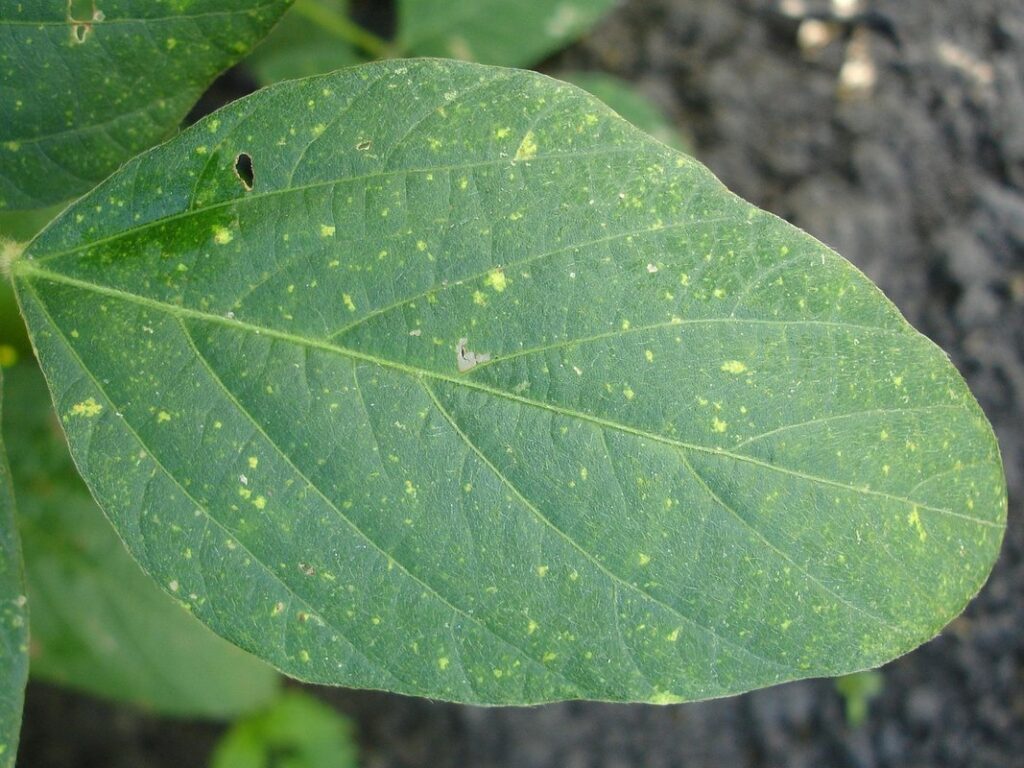
Damping off disease can manifest itself in various ways, making it crucial to be aware of its symptoms. One of the earliest signs is yellowing leaves, which may seem like a typical issue for seedlings that are transitioning from indoor growth mediums. However, if left unchecked, these yellowed leaves will eventually wilt and die.
Another indicator is the sudden collapse of seedlings, often accompanied by a foul odor. This can be mistaken for overwatering or root bound conditions, but in reality, it’s a sign of the fungus causing damping off disease.
As you inspect your seedlings, pay attention to any blackened stems or roots, which are also indicative of the disease. The fungus can cause these areas to turn dark and rot quickly, resulting in the death of the entire plant. Misdiagnosis is common due to the similarities with other issues.
Causes and Contributing Factors
Damping off disease can strike at any moment, so it’s essential to understand what triggers this issue. Let’s explore the key causes and contributing factors that put your seedlings at risk.
Overwatering: A Leading Cause of Damping Off
Overwatering is one of the most common mistakes that lead to damping off disease in seedlings. When the soil becomes waterlogged, it creates an ideal environment for pathogens like Pythium and Phytophthora to thrive. These fungi feed on the soft tissues of the seedling, causing it to rot and eventually die.
Proper watering techniques are essential to prevent overwatering. Here’s how you can do it: check the soil daily by inserting your finger into the soil up to the first knuckle. If the soil feels dry, it’s time for watering. Water thoroughly until water drains out of the bottom of the pot, but avoid getting water on the leaves or crown of the seedling.
The consequences of neglecting proper watering can be severe. Damping off disease can spread quickly through a tray of seedlings, causing widespread losses. For example, in a study conducted by Cornell University, overwatering was found to be the primary cause of damping off disease in greenhouse-grown seedlings. To avoid this fate, make sure to water your seedlings correctly and monitor their condition closely for any signs of disease.
Poor Air Circulation and Humidity
Poor air circulation and high humidity can create an ideal environment for damping off disease to take hold. When seedlings are packed tightly together in a small space, they can become susceptible to infection from airborne pathogens that thrive in stagnant air. This is especially true in areas with poor ventilation or where the temperature and humidity levels are consistently high.
Maintaining good air flow is crucial to preventing the spread of damping off disease. To achieve this, ensure seedlings have enough space between them for proper growth and aeration. A general rule of thumb is to provide at least 1-2 inches of space between seedlings. You can also use fans or other ventilation systems to circulate air and prevent stagnation.
Managing humidity levels is equally important. Most seedlings thrive in humid environments, but excessive moisture can lead to fungal growth and increase the risk of damping off. Monitor temperature and humidity levels regularly, aiming for a range between 65-75°F (18-24°C) and 40-50% relative humidity. Use dehumidifiers or misting systems to maintain optimal conditions, depending on your specific climate and growing space.
Prevention Strategies
To avoid damping off disease, it’s crucial to implement effective prevention strategies from the very beginning of your seedling care routine. This includes maintaining a healthy environment and taking specific precautions against fungal diseases.
Starting with Healthy Seeds and Soil
When starting seedlings, it’s crucial to begin with healthy seeds and soil to prevent the risk of damping off disease. Healthy seeds are less likely to succumb to pathogens, making them more resilient to diseases like damping off. To ensure you’re working with robust seeds, choose varieties that are disease-resistant or specifically bred for optimal germination rates.
When it comes to soil, look for high-quality potting mixes that contain essential nutrients and have a balanced pH level. Avoid using contaminated garden soil, as this can introduce pathogens into your seedlings. To sterilize equipment and tools, soak them in a 10% bleach solution (1 part bleach to 9 parts water) for at least an hour before use. Similarly, thoroughly clean workspaces with soap and water, paying particular attention to any areas where seeds or seedlings come into contact.
Regularly disinfecting your workspace can help prevent the spread of diseases like damping off. Remember to wash your hands frequently when handling seeds and seedlings to avoid transferring potential pathogens.
Providing Optimal Growing Conditions
When it comes to preventing damping off disease, providing optimal growing conditions is crucial. The ideal temperature for seedlings ranges from 65°F to 75°F (18°C to 24°C). Avoid exposing them to extreme temperatures, as this can weaken their immune system and make them more susceptible to the disease.
Lighting also plays a significant role in preventing damping off. Seedlings require adequate light to undergo photosynthesis and develop strong root systems. However, direct sunlight can be too intense for young seedlings, leading to scorching or overheating. To prevent this, place your seedlings near an east- or west-facing window or use grow lights to provide gentle illumination.
Watering is another critical factor in preventing damping off. Overwatering is a common mistake that can lead to the disease. Water your seedlings when the top inch of soil feels dry to the touch, and avoid getting water on the leaves to prevent fungal spores from taking hold. By maintaining optimal temperature, light, and watering conditions, you’ll create an environment that promotes healthy growth and minimizes the risk of damping off disease.
Treatment Options for Infected Seedlings
If your seedlings are already infected, it’s essential to act quickly and choose a treatment option that works best for their specific needs. We’ll explore the different methods you can use to save them.
Applying Copper-Based Fungicides
When it comes to treating damping off disease in seedlings, copper-based fungicides can be an effective solution. These products contain copper, a naturally occurring element that has been used for centuries as a fungicide.
To apply copper-based fungicides correctly, make sure to follow the label instructions carefully. Typically, these products are applied as a spray or drench, and the seedlings should be thoroughly covered with the solution. For example, you can use a 0.5% copper oxychloride solution as a root dip for seedlings that are showing early signs of damping off.
However, it’s essential to exercise caution when using copper-based fungicides. Excessive application or prolonged exposure can harm seedlings and even contaminate soil. To minimize risks, apply these products at the recommended concentration and avoid reapplying them too frequently. Monitor your seedlings closely for any adverse reactions, and consider mixing copper-based fungicides with other treatment options to achieve better results.
Some popular examples of copper-based fungicides include copper oxychloride, copper sulfate, and Bordeaux mixture. Always choose a product that is registered for use on the specific type of plants you’re growing, and follow the manufacturer’s guidelines for application rates and timing.
Removing Affected Plants and Improving Growing Conditions
Removing infected plants from the growing area is crucial to prevent the spread of damping off disease. When an infected seedling dies or collapses, it becomes a breeding ground for pathogens that can infect nearby healthy seedlings. By promptly removing affected plants, you break the disease cycle and reduce the risk of further infections.
To improve growing conditions and minimize the likelihood of damping off, ensure adequate air circulation around your seedlings. This means providing enough space between each plant to allow for gentle air movement. A good rule of thumb is to leave about 1-2 inches (2.5-5 cm) of space between seedlings. You can also use a fan on low speed to gently circulate the air, but be cautious not to create strong gusts that might damage delicate seedlings.
Reducing humidity in your growing area can also help prevent damping off. High humidity creates an ideal environment for fungal growth and allows pathogens to spread quickly. To lower humidity levels, you can use a dehumidifier or ensure good ventilation by opening windows and using exhaust fans.
Long-Term Prevention Strategies for Seedlings
To really safeguard your seedlings, you’ll want to focus on long-term prevention strategies that create a healthy and stable environment from day one. This means considering everything from soil quality to watering habits.
Maintaining a Clean Growing Space
Maintaining a clean growing space is crucial to preventing the buildup of diseases like damping off. When seedlings are crowded together, moisture accumulates between the plants, creating an ideal environment for pathogens to spread. To avoid this, it’s essential to establish good hygiene practices from the outset.
Regularly disinfect equipment and tools by soaking them in a 10% bleach solution or using a dedicated gardening spray. This will help eliminate any lingering fungal spores that could infect your seedlings. For example, use separate containers for potting mix, fertilizers, and other supplies to prevent cross-contamination. Always wash your hands before handling plants, and change your gloves frequently to prevent the transfer of pathogens.
Additionally, consider implementing a “clean room” approach by dedicating a specific area for seed starting, where you can maintain a high level of cleanliness and control the environment. By doing so, you’ll significantly reduce the risk of disease transmission and create an optimal growing space for healthy seedlings.
Monitoring for Signs of Disease and Taking Action Early
Monitoring for signs of disease is crucial to preventing the spread of damping off. By regularly checking on your seedlings, you can catch issues early on and take prompt action to prevent the damage from escalating. This involves inspecting your plants daily or every other day, paying attention to any changes in their appearance, such as yellowing leaves, stunted growth, or a sudden drop in temperature.
Look out for signs of damping off, including a soft, mushy stem, and white mycelium growing on the surface of the soil. If you notice any of these symptoms, take action immediately by isolating the affected plant to prevent the disease from spreading to others. To do this, carefully remove the infected seedling from its container, dispose of it, and disinfect the surrounding area with a solution of one part bleach to ten parts water.
Additionally, keep an eye out for other signs of disease, such as wilting or droopy leaves, which can indicate root rot or overwatering. Address these issues promptly by adjusting your watering schedule and providing good air circulation around your plants.
Conclusion: Protecting Seedlings from Damping Off Disease
In conclusion, preventing damping off disease is crucial for healthy seedling growth. To protect your seedlings, maintain good air circulation by avoiding overcrowding and using well-ventilated containers. Keep an eye out for early signs of the disease, such as yellowing or droopy leaves, and take swift action if you notice any issues. Regularly inspect your seedlings and remove any infected plants to prevent the spread of the disease.
In addition to prevention, it’s essential to remember that some varieties are more susceptible to damping off than others. If you’re planting a species known to be prone to this disease, consider taking extra precautions such as using sterile growing mediums or applying a fungicide specifically designed to combat damping off. With attention to these details and proper care, you can minimize the risk of your seedlings falling victim to this common issue.
Frequently Asked Questions
Can I prevent damping off disease by simply repotting the seedlings into well-draining soil?
Yes, one of the most effective ways to combat damping off is to ensure your seedlings are growing in a well-draining potting mix. This can help to prevent fungal pathogens from taking hold. When repotting, consider incorporating perlite or vermiculite to improve drainage and reduce the risk of waterlogged soil.
How long does it take for damping off disease to show symptoms after infection?
Symptoms of damping off disease can appear anywhere from a few days to two weeks after infection, depending on factors like temperature, humidity, and the severity of the fungal pathogen. It’s essential to keep a close eye on your seedlings’ health during this critical period.
Can I treat seedlings with damping off disease using home remedies?
No, relying solely on home remedies can be ineffective in treating damping off disease. Copper-based fungicides are often the most effective treatment option, but it’s crucial to follow application instructions carefully and take steps to prevent further infection. Home remedies may provide temporary relief but won’t address the root cause of the issue.
How do I maintain a clean growing space to prevent the spread of damping off disease?
Maintaining a clean growing space is critical in preventing the spread of damping off disease. Ensure good air circulation, disinfect tools regularly, and avoid overwatering, which can create an environment conducive to fungal growth. Remove any affected plants and thoroughly clean the surrounding area.
Can I reuse potting mix that has been affected by damping off disease?
No, it’s generally not recommended to reuse potting mix that has been affected by damping off disease. Fungal pathogens can persist in contaminated soil, leading to repeated infections. To avoid this issue, discard any affected soil and replace it with fresh, well-draining potting mix. This will help prevent the spread of disease to other seedlings.