
Growing stunning dahlias requires more than just watering and sunlight. To achieve those show-stopping blooms, you need to master the art of staking and pinching. But don’t worry if you’re new to dahlias – with a few expert tips and techniques, you’ll be on your way to a bountiful harvest in no time.
Recognizing when your dahlia needs support is key, as improper staking can lead to damage or even plant loss. In this article, we’ll dive into the world of dahlia staking and pinching, covering everything from recognizing support needs to advanced growth habits and troubleshooting common mistakes. Whether you’re a seasoned gardener or just starting out, our expert advice will help you grow strong, healthy dahlias that thrive all season long.
Understanding Dahlias and Why They Need Support
When it comes to growing dahlias, understanding their unique needs is crucial. In this section, we’ll explore why these beautiful flowers often require support to reach their full potential.
What are Dahlias?
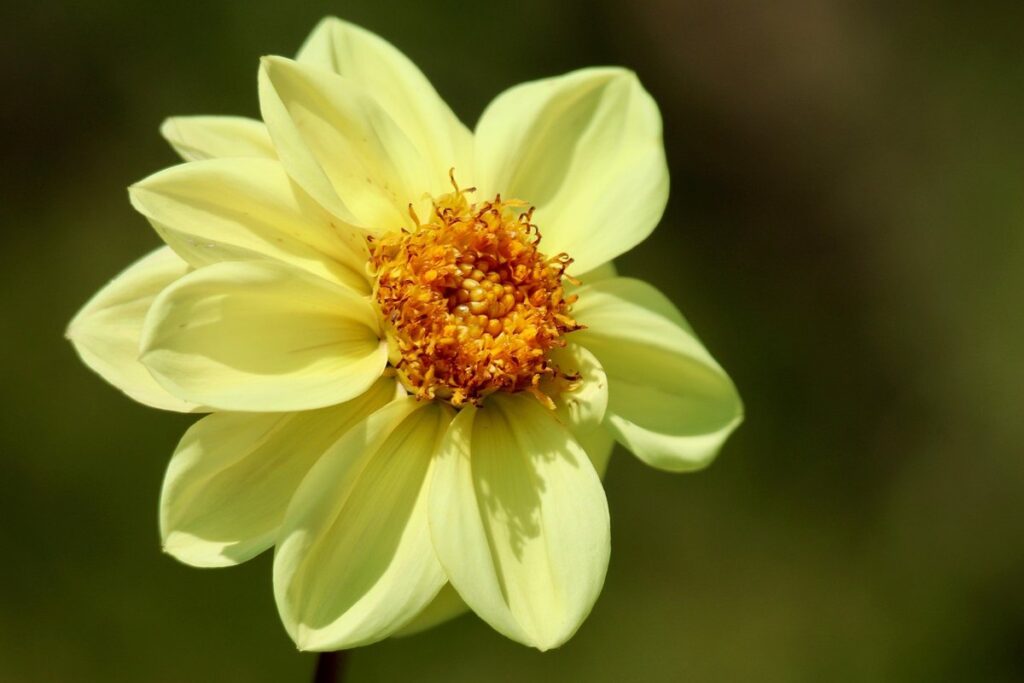
Dahlias are one of the most popular and stunning flowering plants that bring vibrancy to any garden. These show-stopping blooms come in a wide range of colors, from soft pastels to bold brights, and are sure to be the focal point of your outdoor space. But before we dive into staking and pinching techniques, it’s essential to understand the basics of dahlia varieties, growth habits, and why they need support.
There are over 40 different species of dahlias, each with its unique characteristics, growth patterns, and bloom sizes. Some popular types include the compact ‘Bishop of Llandaff’, the statement-making ‘Kelvin Floodlight’, and the romantic ‘Cafe au Lait’. Understanding the specific needs and growth habits of your dahlia variety will help you determine the right staking method to use.
As dahlias grow, they can reach heights of up to 6 feet or more, making them prone to toppling over in strong winds or rain. This is where staking comes into play – providing necessary support to keep these show-stoppers upright and prevent damage to the plant itself.
Identifying When Dahlia Staking is Necessary
When growing dahlias, it’s essential to recognize when they need support. This is where dahlia staking comes into play. But how do you know if your dahlias require a stake? Look for signs of stem damage or weakness, such as:
* Slumping or leaning stems that are unable to stand upright on their own
* Soft or brittle stems that break easily under wind pressure
* Wilting or droopy foliage, which can indicate root-bound issues
Environmental factors also play a significant role in determining whether your dahlias need staking. Consider the following conditions:
* Strong winds: If you live in an area with frequent gusts, your dahlias may require additional support to prevent damage.
* Heavy rainfall: Prolonged exposure to wet soil can lead to root rot and make stems more susceptible to breaking.
* Soil type: Dahlias growing in heavy clay or sandy soils may need staking due to their unique growth habits.
Keep an eye out for these signs, and don’t be afraid to provide your dahlias with the extra support they need.
Choosing the Right Stake for Your Dahlias
When it comes to staking dahlias, choosing the right stake is crucial for supporting their weighty blooms without damaging the plant. Consider factors like height and material when making your selection.
Types of Stakes: Wooden vs. Metal vs. Bamboo
When it comes to supporting the tall stems of dahlias, you have several stake material options available. Let’s break down the advantages and disadvantages of wooden, metal, and bamboo stakes.
Wooden stakes are a classic choice for staking dahlias, but they can be prone to rot if not treated properly. To minimize this risk, look for stakes made from durable hardwoods like cedar or redwood. These types of wood are naturally resistant to decay and will provide long-lasting support for your dahlia stems.
Metal stakes, on the other hand, offer superior strength and durability compared to wooden options. They’re also less likely to rot, making them a great choice for wetter climates. However, metal stakes can be more expensive than their wooden counterparts and may require additional care to avoid damaging nearby plants with sharp edges.
Bamboo stakes are a popular eco-friendly alternative that offers a unique combination of strength and flexibility. Bamboo is lightweight yet surprisingly durable, making it an excellent option for staking dahlias in areas with high winds or heavy rainfall. Additionally, bamboo is biodegradable and can be easily composted at the end of the growing season.
When choosing between these three stake materials, consider your specific climate, soil type, and personal preferences to make the best decision for your dahlia plants.
Installing the Perfect Dahlia Support System
When installing stakes around dahlia plants, it’s essential to consider spacing carefully. Aim for about 6-8 inches between each stake, depending on the mature size of the plant and its growth habit. This will prevent the stakes from getting tangled or causing damage to the plant as it grows.
Next, decide how you’ll secure the stakes in place. Wire ties are a popular choice, as they allow for some flexibility while keeping the stake firmly attached to the plant stem. Alternatively, you can use clips specifically designed for staking dahlias. These usually have rubber grips that won’t dig into the stem or cause damage.
To prevent damage from wind and moisture, make sure the stakes are buried at least 12 inches deep in the soil. This will provide a stable foundation for your dahlia plant to grow towards the stake without toppling over. Regularly check the stakes for any signs of wear or loose connections, tightening them as needed to ensure your dahlias remain upright and healthy throughout the growing season.
Pinching Dahlias for Optimal Growth
To encourage bushy growth and prevent weak stems, you’ll need to learn how to pinch your dahlias correctly at the right time. We’ll walk you through this simple yet crucial process.
What is Pinching in Plant Care?
Pinching is an essential plant care technique that promotes healthy growth and encourages dahlias to produce more blooms. When applied correctly, pinching can help control the shape of the plant, direct its energy towards producing flowers, and prevent it from becoming leggy or sparse.
For dahlia growers, pinching is a crucial step in promoting optimal growth. By removing the top set of leaves, usually after the initial 6-8 inches of stem have developed, you’re essentially telling the plant to focus its energy on developing new stems and producing more flowers rather than reaching for sunlight. This process should be repeated every few weeks as the plant grows, making sure to remove any weak or damaged growth.
Timing is key when it comes to pinching dahlias. It’s best to pinch them when they’re around 6-8 inches tall, just after the initial set of leaves have developed. By doing this, you’ll encourage the plant to produce multiple stems and increase its overall flowering potential. Regular pinching will also help maintain a bushy shape and prevent your dahlia from becoming leggy or sparse.
Pinching Techniques: When and How to Do It
When pinching dahlia stems, timing is crucial. You’ll want to pinch them during the growing season when they’ve reached about 6-8 inches tall and have at least two sets of leaves. This process helps control the plant’s growth and encourages bushy development.
To pinch correctly, identify the main stem (or stem with the largest buds) and remove the top set of leaves just above a leaf node. Leave three to four pairs of leaves on the stem, depending on the dahlia variety. For compact varieties, you may only need two sets of leaves, while larger varieties can handle more.
Timing-wise, pinch dahlias after blooming has slowed down or stopped for the season. Avoid pinching too early, as this can reduce flowering and lead to leggy growth. Regular pinching during the growing season will promote a fuller plant with more blooms, but be cautious not to over-prune, which can stress the plant.
By pinching your dahlias at the right time, you’ll encourage bushy growth and more blooms. This technique is an essential part of dahlia care, especially when combined with proper staking for support. With practice, you’ll get a feel for how often to pinch based on your specific variety and growing conditions.
Common Mistakes to Avoid When Staking and Pinching Dahlias
When it comes to growing stunning dahlias, many gardeners make rookie mistakes when staking and pinching their blooms. Let’s take a closer look at some of these common errors to avoid.
Over-Staking vs. Under-Staking: The Fine Balance
When it comes to staking dahlias, many gardeners tend to overdo it or not provide enough support. Over-staking can cause more harm than good, as it can lead to weak and spindly growth, while under-staking leaves the plant vulnerable to wind damage and flopping.
Over-staking occurs when the stakes are too tall, causing the plant to become dependent on them for support rather than developing a strong stem. This can result in a leggy, unattractive plant with a sparse bloom. In contrast, under-staking fails to provide adequate support, allowing the stem to flex and potentially break.
To strike the right balance, aim to place stakes about one-third of the way up from the base of the plant when it reaches around 6-8 inches in height. Use flexible stakes that allow for some movement, and gently tie the stems to the stake using soft twine or a product specifically designed for this purpose. By finding this fine balance, you can promote healthy growth, prevent damage, and enjoy a stunning display of dahlias all season long.
Additional Tips for Healthy Dahlia Growth
When staking and pinching dahlias, it’s easy to overlook other important details that can impact their overall health and blooming success. To avoid common mistakes, pay attention to the placement and type of stakes you use. A general rule of thumb is to place stakes about 12-18 inches from the base of the plant, allowing for gentle support without constricting growth. Avoid using stakes with sharp edges or points that can damage the stem.
Additionally, consider the material used for your stakes. Bamboo or wooden stakes are generally safe and effective options, while metal or wire ones can cause damage if they come into contact with the plant. Another crucial aspect is to keep stakes away from direct sunlight, which can cause them to dry out and potentially harm the surrounding foliage. Regularly inspect your staked dahlias for signs of damage or stress, making adjustments as needed to ensure their continued health. By being mindful of these details, you’ll be well on your way to producing stunning blooms with minimal maintenance issues.
Advanced Techniques: Staking and Pinching Variations
For experienced growers, mastering advanced staking and pinching techniques can take dahlias to the next level of elegance and drama in your garden. This section explores expert variations on these essential practices.
Staking Multiple Dahlia Plants Together
When growing multiple dahlia plants together, it’s essential to consider staking them effectively. This technique is crucial to prevent stem interference and promote healthy growth. To stake multiple dahlias together, start by planting them 12-18 inches apart. As the stems grow, you’ll need to support them with stakes or trellises.
Begin by driving a sturdy stake into the ground near each plant, about 6-8 inches from the base of the stem. Gently tie the main stem to the stake using soft ties or twine. Be careful not to damage the stem or leaves during this process. For multiple plants, you can use a single stake and wrap ties around it for each plant.
Consider using a teepee-style support system made from three to four stakes tied together at the top. This allows more space between each plant while keeping them upright and secure. You can also repurpose old fencing or mesh panels as a trellis system, which will add visual interest to your garden while supporting your dahlias.
Pinching for Specific Growth Habits (e.g., Bush vs. Tree Dahlias)
When growing dahlias with specific growth habits, it’s essential to adjust pinching techniques to promote optimal blooming and structural integrity. For instance, bush dahlias require a more aggressive pinching approach than tree dahlias.
To encourage bush dahlias to produce more flowers, pinch off the tips of the stems when they reach 12-18 inches tall. This will help redirect the plant’s energy towards producing side shoots and a fuller bloom. Be sure to remove only the top set of leaves to avoid causing unnecessary stress.
In contrast, tree dahlias benefit from a more gentle pinching approach. Remove only the terminal buds to encourage branching and promote a strong, upright habit. By pinching at the right time, you can help your dahlia develop the desired shape while still producing an abundance of flowers. Keep in mind that it’s better to err on the side of caution when pinching tree dahlias – less is often more to avoid causing damage to the plant.
By tailoring your pinching technique to the specific growth habit of your dahlias, you can enjoy a bountiful harvest of show-stopping blooms while maintaining the structural integrity of your plants.
Common Questions Answered: Frequently Asked About Dahlia Staking and Pinching
Many of you have asked us about staking and pinching dahlia stems, so let’s tackle some common questions to help ensure your blooms stay upright and healthy. We’ll cover some frequently asked topics in this section.
Addressing Reader Queries on Staking and Pinching Dahlias
One of the most common concerns we’ve received from readers is about staking and pinching dahlias. Let’s address some frequently asked questions to help you grow these beautiful flowers like a pro.
How often should I stake my dahlias? While it may seem like an easy task, staking dahlias requires some finesse. Ideally, you want to stake them when they’re around 12-18 inches tall, or about two weeks after transplanting. This allows the stems to develop some strength before being tied up to a stake. Use soft ties or twine to gently wrap the stem around the stake, making sure not to constrict it.
What are the benefits of pinching dahlia stems? Pinching helps control the plant’s growth habit and encourages bushy growth. By removing the top set of leaves (about two sets from the top), you’re signaling the plant to focus its energy on producing more blooms rather than developing a long stem. This technique also prevents wind damage and promotes even growth, resulting in a fuller display of flowers.
What if I’ve missed the staking window? If your dahlias have already reached an impressive height, don’t worry! You can still stake them, but be gentle to avoid damaging any of the delicate stems. Make sure to inspect the plant for any signs of weakness or damage before introducing a stake.
We’ve also received questions about pruning pinched stems. When you pinch dahlia stems, make clean cuts just above a leaf node using sharp, sterile scissors or clippers. This will encourage new growth and prevent disease from entering the wound. Remember to monitor your dahlias regularly for signs of stress or pest infestations.
By addressing these common concerns and applying our staking and pinching techniques, you’ll be on your way to growing stunning dahlias that will impress everyone in your garden!
Conclusion: Mastering Dahlia Support for Years to Come
As you’ve learned the ins and outs of dahlia staking and pinching, it’s now time to put these skills into practice for years to come. In this final section, we’ll review key takeaways and offer maintenance tips.
Recap of Key Takeaways
As you conclude your journey through this comprehensive guide to growing dahlia flowers, take a moment to review the essential staking and pinching techniques that will elevate your blooms. Staking is crucial for maintaining upright growth and preventing damage from heavy blooms, especially during strong winds or rainstorms. Pinching, on the other hand, encourages bushy growth and promotes more vibrant flower production.
To recap, here are the key takeaways:
* Use sturdy stakes to support tall dahlia varieties, placing them at planting time for a secure anchor.
* Remove lower leaves from stakes and flowers to prevent disease and encourage air circulation.
* Pinch off tip growth on young plants (1-2 sets of leaves) to direct energy towards branching and flowering.
* Regularly inspect plants for signs of overgrowth or weak spots, making adjustments as needed.
* Monitor weather conditions and provide additional support during periods of strong wind or heavy rainfall.
By applying these techniques consistently, you’ll be well on your way to cultivating stunning dahlia blooms that will last throughout the growing season.
Final Tips for Long-Term Dahlia Care
As you’ve mastered the art of staking and pinching dahlias, it’s essential to continue providing them with the care they need to thrive. For long-term dahlia care, remember that regular maintenance is key. Keep an eye out for pests like aphids and whiteflies, which can quickly damage your blooms.
To prevent fungal diseases from taking hold, ensure good air circulation around your plants by pruning nearby foliage. Remove any weak or damaged growth to direct the plant’s energy towards producing robust flowers. Deadheading spent blooms will encourage dahlias to produce new flower stems throughout the season.
As the growing season winds down, consider mulching around the base of your dahlia plants to retain moisture and regulate soil temperature. This will help protect them from harsh winter conditions. Finally, take note of which varieties performed well in your garden, and plan to replant them next year with confidence. By following these long-term care strategies, you’ll be able to enjoy vibrant dahlias for years to come.
Frequently Asked Questions
What if I forget to stake my dahlias at the right time, can I still support them later?
Yes, it’s better to provide support later than not at all. However, be cautious when introducing stakes mid-season as this can cause further stress on the plant. Inspect your dahlia regularly for signs of toppling or damage and intervene promptly if necessary.
Can I use the same stake for multiple dahlias, or do they need separate supports?
Ideally, each dahlia needs its own support to prevent overcrowding and promote healthy growth. Using the same stake for multiple plants can lead to over-staking, causing more harm than good. Provide a dedicated stake for each dahlia to ensure optimal support.
How often should I pinch my dahlias to achieve the best results?
Pinching dahlias is a continuous process that requires regular maintenance throughout their growing season. Pinch off new growth tips every few weeks, or as soon as you notice multiple stems developing from a single node. This will encourage bushy growth and prevent legginess.
Can I stake my dahlias using any type of material, like twine or wire?
While it might seem convenient to repurpose household materials for staking, avoid using string or wire as they can cause damage to your dahlia’s stem or even lead to fungal infections. Opt for a sturdy, breathable support specifically designed for plants.
What if I’ve already staked my dahlias incorrectly – can I still recover and adjust their supports?
Yes, it’s possible to make adjustments mid-season. Inspect your dahlias carefully and reassess the stakes in place. If necessary, gently remove any poorly positioned stakes or add additional support to ensure optimal growth.