
Growing dahlias can be a bit daunting, especially for beginners. With so many varieties to choose from, not knowing where to start or how to care for them can lead to disappointment and frustration. But don’t worry, with our ultimate dahlia growing guide, you’ll be well on your way to cultivating these stunning flowers in no time.
In this article, we’ll cover everything you need to know about growing dahlias, from selecting the right variety for your garden to preparing the perfect soil conditions. We’ll also share expert care tips and solutions to common problems that can arise when growing dahlias. Whether you’re a seasoned gardener or just starting out, our guide will provide you with the knowledge and confidence to grow beautiful, thriving dahlias in your own backyard.
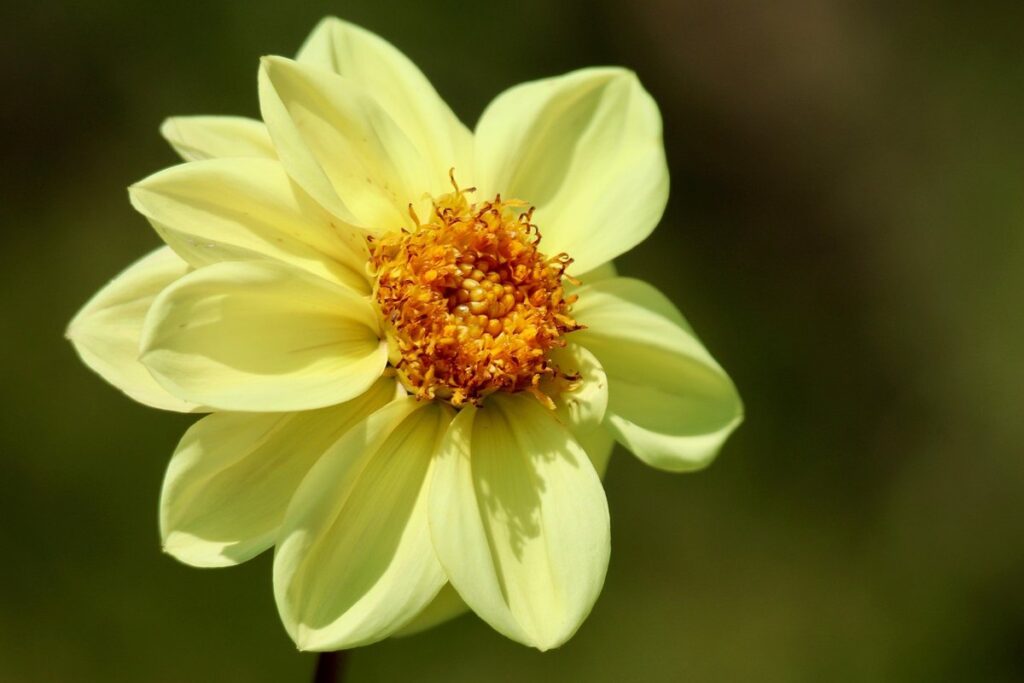
Choosing the Right Varieties
When selecting dahlia varieties, it’s essential to consider factors such as growth habits, bloom sizes, and disease resistance to ensure a thriving garden. This helps you choose the perfect flowers for your space.
Understanding Dahlia Types
When it comes to growing dahlias, one of the most critical decisions you’ll make is choosing the right type for your garden. With so many varieties to choose from, it’s essential to understand the different types and their unique characteristics.
Showy dahlias are a popular choice among gardeners due to their striking blooms that can reach up to 12 inches in diameter. These statement flowers come in a wide range of colors, making them perfect for adding a pop of color to your garden. However, they require more maintenance than other types and need staking to prevent them from toppling over.
On the other hand, dinnerplate dahlias offer even larger blooms, often measuring up to 15 inches in diameter. These show-stoppers are ideal for cutting gardens or statement pieces in your yard. They’re also relatively low-maintenance compared to showy dahlias.
Pompon and ball varieties, while less showy than their larger counterparts, still offer stunning blooms that are perfect for adding texture and interest to your garden beds. Pompons have smaller blooms with a spherical shape, while balls have slightly larger blooms with a more rounded appearance.
Selecting Dahlias for Specific Conditions
When selecting dahlias for specific conditions, it’s essential to choose varieties that thrive in your environment. For full sun locations, opt for compact or dwarf varieties like ‘Bishop of Llandaff’ or ‘Kelvin Floodlight’. These plants can tolerate temperatures up to 100°F (38°C) and require minimal watering.
If your garden receives partial shade, look for dahlias with loose, open blooms that allow more sunlight penetration. Varieties like ‘Cafe au Lait’ or ‘Honka’ are great choices as they produce beautiful, delicate flowers even in dappled light.
For moist soil conditions, select dahlias with deep taproots, such as ‘Bishop of York’ or ‘Gardenia’. These plants can handle consistently wet conditions and require less frequent watering. Conversely, for well-draining soils, opt for varieties like ‘Honka’ or ‘Kelvin Floodlight’, which prefer slightly drier conditions.
Remember to check the specific growing requirements for each variety you choose to ensure they thrive in your garden’s unique conditions.
Soil Preparation and Planting
Now that you’ve chosen your dahlia variety, let’s talk about how to prepare the soil for a successful planting. Proper soil preparation is key to healthy root development and a thriving plant.
Preparing the Soil
When it comes to growing dahlias, one of the most crucial aspects is preparing the soil. Dahlias love well-draining soil that’s rich in organic matter, and if your soil isn’t up to par, it can be a major roadblock to success.
Before you start planting, take some time to test your soil. You can purchase a DIY soil testing kit or send a sample to a lab for analysis. This will give you a better understanding of your soil’s pH level, nutrient content, and drainage. Most dahlias prefer slightly acidic to neutral soil (pH 6.0-7.0), so if your soil is too alkaline, you’ll need to take steps to adjust it.
One simple way to amend your soil is by adding compost or well-rotted manure. This will not only improve drainage but also provide a boost of nutrients for your dahlias to grow strong and healthy. For example, if your soil test reveals low levels of potassium (K), you can add some compost or green sand to rectify the issue.
By taking these steps to prepare your soil, you’ll create an environment that’s conducive to dahlia growth and set yourself up for a bountiful harvest.
Planting Dahlia Tubers
When planting dahlia tubers, it’s essential to follow some key guidelines to ensure they establish themselves well and produce a bountiful harvest. Start by carefully selecting the right spot for your dahlias, considering factors like sunlight, drainage, and air circulation.
Once you’ve prepared the area, gently dig individual holes about 3-4 inches deep and 12-18 inches apart, depending on the variety of dahlia. For smaller varieties, you can plant them closer together, but larger ones need more space to grow. Place a single tuber in each hole, with the ‘eyes’ (small buds) facing upwards.
Cover the tubers with about an inch of soil, and then firm it gently around the roots. Water well after planting and keep the soil consistently moist during the first few weeks. As your dahlias begin to grow, you can gradually reduce watering, but make sure not to let the soil dry out completely.
Remember that dahlia tubers are more sensitive than bulbs, so handle them with care when planting. It’s also a good idea to ‘pre-soak’ them in water for a few hours before planting, which helps soften the outer layer and makes it easier to insert them into the soil.
Growing Conditions and Care
To ensure your dahlia plants thrive, it’s essential to understand their specific growing conditions and care requirements, which we’ll dive into next. This includes temperature, soil, and moisture preferences.
Sunlight and Temperature Requirements
Dahlias require full sun to produce their vibrant blooms, so choose a location that receives at least 6 hours of direct sunlight per day. While they can tolerate some shade, reduced sunlight may result in smaller flowers and weaker stems. In warmer climates, it’s essential to provide some afternoon shade to prevent scorching.
Temperature is also crucial for dahlia growth. Dahlias thrive in temperatures between 65°F (18°C) and 85°F (29°C). Avoid planting them in areas with frost, as this can damage or kill the tubers. If you live in a region with cold winters, consider lifting and storing your dahlias indoors during the dormant season.
To protect your dahlias from extreme weather conditions, use row covers to shield them from harsh winds and intense sunlight. You can also provide support using stakes or trellises to prevent stems from snapping under heavy rain or hail. Additionally, keep an eye out for signs of heat stress, such as yellowing leaves or droopy flowers, and take action promptly to mitigate the damage.
By providing your dahlias with adequate sunlight and temperature control, you’ll be well on your way to enjoying a bountiful harvest of these stunning flowers.
Watering and Fertilization
When it comes to growing dahlias, proper watering and fertilization techniques are crucial for healthy growth. Dahlias require consistent moisture, especially during their early stages of development. Aim to provide about 1-2 inches of water per week, either through rainfall or irrigation. However, be cautious not to overwater, as this can lead to root rot and other problems.
A good rule of thumb is to check the soil daily, feeling its moisture level with your finger. If it feels dry to the touch, it’s time for watering. Also, make sure to water at the base of the plant, avoiding the leaves to prevent fungal diseases.
In terms of fertilization, dahlias benefit from a balanced diet of nutrients. Feed them with a high-phosphorus fertilizer during the blooming season (spring-fall) to promote flower production. You can also use compost tea as a natural and organic option. For best results, apply fertilizers once a month, following the instructions on the packaging for correct dosages.
Keep in mind that overfertilization can be detrimental to your dahlias’ health. So, it’s essential to monitor their response to fertilizers and adjust accordingly. With proper watering and fertilization techniques, you’ll be well on your way to growing healthy and thriving dahlia plants.
Pruning and Deadheading
Pruning and deadheading are crucial steps in maintaining healthy dahlias and promoting continuous blooming. To encourage your dahlia plants to produce more flowers, you’ll want to prune them regularly throughout the growing season.
First, let’s start with pruning. Remove any weak or spindly growth from the plant, cutting it back to about one-third of its length. This will help direct the plant’s energy towards producing more blooms rather than vegetative growth. Next, cut back taller dahlias by about a third to encourage bushy growth and prevent them from becoming leggy.
Deadheading is equally important for promoting continuous blooming. Remove spent flowers as soon as they fade to encourage the plant to produce new ones. Simply snip off the flower head at the base of the stem using a pair of clean, sharp scissors or pruning shears. This will also help prevent seed production and direct the plant’s energy towards producing more flowers.
By following these simple steps, you’ll be able to promote healthy growth and encourage your dahlias to produce an abundance of blooms throughout the growing season.
Common Problems and Solutions
We all encounter challenges when growing dahlias, and that’s where we’ll tackle some of the most common problems and offer practical solutions to help you overcome them. Don’t worry, these issues are normal!
Pest Control and Disease Management
Dahlias are one of the most popular flowers among gardeners due to their vibrant colors and unique shapes. However, they’re not immune to pests and diseases that can damage the blooms and even kill the plant. Common problems include aphids, slugs, powdery mildew, and Botrytis.
Aphids are small, soft-bodied insects that feed on the sap of dahlias, causing curled or distorted leaves. To control aphid infestations, use neem oil, insecticidal soap, or horticultural oil to spray the affected areas. You can also introduce natural predators like ladybugs or lacewings into your garden.
Slugs and snails are other common pests that feed on dahlia tubers at night. Hand-picking is an effective method for controlling their numbers, while copper tape around plant stems repels them. To prevent powdery mildew, maintain good air circulation by spacing plants far apart and removing any infected leaves.
Regularly inspect your dahlias for signs of disease or pests, and address the issue promptly to avoid further damage. For instance, if you notice powdery mildew on a dahlia plant, treat it with a fungicide like sulfur or copper-based products as soon as possible. By taking proactive measures, you can protect your dahlias from common problems and enjoy a bountiful harvest.
Environmental Stressors
When growing dahlias, it’s essential to consider environmental stressors that can damage your blooms. Frost is one of the most significant threats to dahlia plants, causing irreparable damage when temperatures drop below 32°F (0°C). To mitigate frost damage, bring potted dahlias indoors or mulch the soil around the base of the plant to insulate it from extreme cold.
Wind can also wreak havoc on dahlia blooms, causing them to become discolored and wilted. Provide your plants with a windbreak using burlap or snow fencing to protect them from harsh gusts. In regions prone to high winds, consider staking taller varieties of dahlias for added support.
Heat damage is another common issue, particularly in warmer climates. Dahlias require full sun but can quickly suffer from heat stress if exposed to temperatures above 90°F (32°C). Provide your plants with adequate water and shade during the hottest part of the day to prevent damage.
Regularly inspect your dahlia plants for signs of environmental stress and take corrective action promptly to ensure a bountiful harvest. By being aware of these common threats, you can take proactive measures to protect your dahlias and enjoy their stunning blooms all season long.
Tips for Maximizing Blooms and Harvest
Now that you’ve got your dahlia plants thriving, it’s time to think about how to encourage maximum blooms and a bountiful harvest. We’ll share our top tips for making this happen.
Encouraging Repeat Bloomers
To encourage repeat bloomers, it’s essential to understand that dahlias typically produce multiple blooms throughout their growing season. To achieve this, ensure your dahlia is receiving the right conditions for growth. Provide your plant with a sunny location and well-draining soil, as these factors directly impact the overall health of the plant.
A crucial aspect in encouraging repeat bloomers is to deadhead regularly. This process involves removing spent flowers to promote new blooms. Remove the entire flower head after it’s wilted, leaving about an inch of stem intact. This will direct the plant’s energy towards producing new growth and blooms.
Additionally, ensure your dahlia is receiving sufficient nutrients through fertilization. A balanced fertilizer should be applied once a month during the growing season to promote healthy growth and blooming. Regularly inspect your plant for signs of nutrient deficiencies and take corrective action promptly.
Saving Dahlia Tubers for Next Year’s Crop
Saving dahlia tubers is an essential step in ensuring next year’s crop is just as vibrant and bountiful. After the first frost, carefully dig up the tubers, making sure to loosen the soil around them with a fork to prevent damage. Gently brush off any excess dirt, taking care not to injure the delicate tissue.
Store the tubers in a cool, dry place, such as a garage or basement, where they can remain dormant until spring. Avoid storing them near heat sources or direct sunlight, which can cause rot and decay. A breathable container like a mesh bag or paper bag will allow for airflow while keeping dust at bay.
To ensure optimal storage conditions, maintain a temperature between 40°F to 50°F (4°C to 10°C). This will slow down the metabolic processes of the tubers, allowing them to conserve energy and remain viable. With proper care, your dahlia tubers should remain healthy and ready for replanting come springtime. Regularly inspect the stored tubers for signs of rot or mold, removing any affected ones promptly.
Conclusion: Enjoying Your Dahlias
Now that you’ve successfully grown and nurtured your dahlia plants, let’s focus on enjoying their beautiful blooms all season long. This final section shares tips for maximizing the enjoyment of your dahlias.
Ideas for Arranging Dahlias
As you’ve nurtured your dahlias from seed to bloom, it’s time to showcase their beauty in decorative arrangements and bouquets. With their statement blooms and slender stems, dahlias are a natural choice for adding drama and elegance to any room.
When arranging dahlias, consider the impact of their vibrant colors and textures on the overall look you want to achieve. For example, pair deep red or purple dahlias with creamy whites and soft pinks to create a romantic, vintage-inspired arrangement. Alternatively, combine bright yellows and oranges with statement greens like eucalyptus or ferns for a modern, whimsical feel.
To add depth and interest to your arrangements, experiment with different stem lengths and angles. You can also use dahlias as focal points, pairing them with smaller blooms like baby’s breath or queen anne’s lace to create a sense of balance.
Some practical tips for arranging dahlias include:
* Trim the stems at an angle to help prevent water from sitting in the stems
* Remove lower leaves to keep arrangements fresh and prevent bacterial growth
* Use a floral preservative or cut flower food to extend the life of your blooms
When choosing a vase, consider one that complements the colors and textures of your dahlias. A clear glass or mercury glass vase can showcase the delicate beauty of your blooms, while a more rustic or vintage-style vessel can add to their charm.
With these tips and inspiration, you’re ready to create stunning arrangements and bouquets that will be the talk of the town. Whether you’re a seasoned florist or just starting out, dahlias are sure to bring a pop of color and energy to any room – and with your creativity, they’ll be the stars of the show!
Frequently Asked Questions
How do I know when to plant dahlia tubers?
If you’re unsure whether it’s time to plant your dahlia tubers, check the weather forecast for a stretch of settled warm weather and wait until the soil has warmed up to at least 60°F (15°C). This will give your dahlias the best chance of success. Make sure to harden off your tubers before planting them outside.
What if my dahlias are not blooming as expected?
If your dahlias aren’t blooming as expected, check their growing conditions and ensure they’re receiving enough sunlight (at least 6 hours of direct sunlight per day) and water. Also, make sure to provide support for tall varieties to prevent stem breakage.
Can I save dahlia tubers from one year to the next?
Yes, you can save dahlia tubers from one year to the next by carefully digging them up after the first frost, drying them out, and storing them in a cool, dark place. This method is called “lifting” or “saving” dahlias.
How do I encourage repeat blooming in my dahlias?
To encourage repeat blooming in your dahlias, provide them with a rich, well-draining soil that’s high in organic matter. Also, make sure to deadhead regularly and fertilize lightly after the first bloom cycle. This will help promote new growth and subsequent blooms.
What are some common pests or diseases I should watch out for when growing dahlias?
Some common pests that can affect dahlias include aphids, whiteflies, and slugs. Regularly inspect your plants for signs of infestation and use organic controls whenever possible. Common diseases that can affect dahlias include powdery mildew and botrytis. Practice good hygiene and use fungicides if necessary to prevent the spread of disease.