
When it comes to creating stunning displays of daffodils, many gardeners underestimate the importance of proper planting spacing. However, this simple detail can make all the difference in bringing out the full beauty and potential of these vibrant flowers. Daffodil variety, climate, and soil type all play a crucial role in determining the ideal spacing for your blooms.
In our comprehensive guide, we’ll walk you through the essential considerations for daffodil planting spacing, including how to choose the right variety for your garden, tips for optimizing growth in different climates and soils, and expert advice on creating breathtaking displays that will leave your neighbors green with envy. Whether you’re a seasoned gardener or just starting out, this article is packed with practical knowledge and insider secrets to help you get it right every time.
Understanding Daffodil Planting Basics
To get a solid foundation for your daffodil garden, let’s start by understanding the basics of planting these beautiful flowers. We’ll cover essential factors to consider when preparing your soil and selecting a suitable location.
Factors Influencing Planting Spacing
When planting daffodils, it’s essential to consider several factors that influence the optimal spacing. Climate plays a significant role in determining the ideal distance between plants. For instance, if you live in an area with high winds or intense sunlight, you may want to plant daffodils closer together (around 3-6 inches) for added protection and support. Conversely, in areas with mild temperatures and gentle rainfall, you can space them farther apart (about 12-18 inches).
Soil type is another critical factor to consider. If your soil is heavy clay or dense, it’s best to plant daffodils slightly closer together (around 6-9 inches) to prevent waterlogging and promote better root growth. On the other hand, if you have well-draining sandy soil, you can space them further apart (about 18-24 inches). Additionally, available space also plays a crucial role in determining planting spacing. Make sure to leave enough room for the daffodils to grow and multiply over time. A general rule of thumb is to plant at least two dozen bulbs per square foot to ensure proper growth and bloom.
Recommended Planting Distances for Different Varieties
When it comes to planting daffodils, the spacing between them is crucial for proper growth and flowering. Different varieties of daffodils have unique requirements when it comes to planting distances. Here are some general guidelines to keep in mind:
Miniature daffodils typically require the least amount of space, with a minimum distance of 3-4 inches (7-10 cm) between plants. These compact varieties can be planted close together to create a beautiful and dense display of color.
Standard daffodils, on the other hand, need more space to spread out their foliage and roots. Plant them about 6-8 inches (15-20 cm) apart to allow for proper growth and prevent overcrowding.
Large or tall daffodil varieties, such as ‘Fortune’ or ‘Mount Hood’, require even more space due to their larger size and potential to topple over in strong winds. Plant these varieties at least 12-18 inches (30-45 cm) apart to ensure they have enough room to grow.
Remember that these are general guidelines, and the specific needs of your daffodil variety may vary. Always check the plant label or consult with a gardening expert for more specific advice on planting distances.
Choosing the Right Spacing Method
When it comes to planting daffodils, selecting the right spacing method is crucial for a healthy and thriving garden. Let’s explore your options.
Mass Planting: The Classic Approach
Mass planting is a classic approach to creating a stunning display of daffodils. By planting multiple bulbs close together, you can achieve a dense and vibrant arrangement that’s perfect for adding color and texture to your garden. One of the benefits of mass planting is its ability to create a sense of unity and cohesion in the garden design. When daffodil blooms are planted densely, they create a beautiful tapestry of colors that draws the eye.
However, there are also some challenges associated with mass planting. For instance, if not enough space is provided between each bulb, it can lead to overcrowding, which may result in poor air circulation and increased risk of disease transmission. Additionally, when daffodil stems are too close together, they can become entangled, making maintenance more difficult.
To achieve a successful mass planting, consider grouping 10-20 bulbs together and leaving about 6-12 inches between each group. This will allow for good air circulation while creating a dense display of blooms.
Intercropping with Companion Plants
Intercropping with companion plants is an innovative and visually appealing way to create a harmonious garden bed. By planting daffodils among other companion plants, you can reap the benefits of biodiversity while adding beauty to your outdoor space. Companion plants like lavender, rosemary, and chamomile not only complement the vibrant colors and delicate blooms of daffodils but also provide additional benefits.
For example, lavender repels pests that target daffodils, such as aphids and whiteflies, while its fragrance attracts pollinators like bees and butterflies. Rosemary, on the other hand, is a natural pest repellent that can help protect your daffodil bulbs from diseases caused by overwatering.
When intercropping with companion plants, consider the mature size of both plants to ensure they don’t compete for resources or space. A general rule of thumb is to plant smaller companion plants like thyme and creeping phlox around 6-8 inches away from daffodils. Larger plants like rosemary and lavender can be planted about 12-18 inches away.
This method allows you to create a diverse and thriving ecosystem in your garden, making it an attractive addition to any planting space.
Considerations for Specific Planting Situations
When planting daffodils in specific situations, such as containers, rock gardens, or lawns, you’ll want to consider unique spacing requirements and potential challenges that come with each location. This section addresses these specialized scenarios.
Container Gardening with Daffodils
When it comes to container gardening with daffodils, you’ll need to consider a few key factors to ensure these beautiful bulbs thrive. First and foremost, think about the soil depth. Daffodils prefer well-draining soil that’s at least 6-8 inches deep, but since containers can be limited in size, choose a pot with good drainage holes to prevent waterlogged soil.
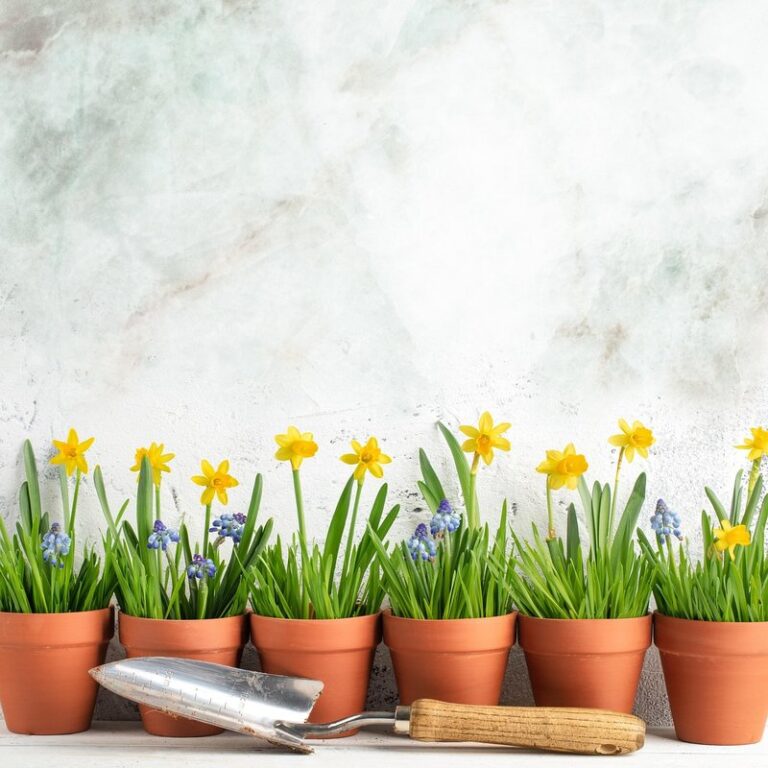
In smaller spaces, it’s essential to select compact or miniature daffodil varieties that won’t overcrowd the container. For example, ‘Tête à Tête’ or ‘Mini Pearl’ are great options for their small stature and vibrant blooms. When planting in a container, space them about 3-4 inches apart, depending on their mature size.
To make the most of your container garden, remember to provide adequate sunlight – at least 6 hours of direct sunlight per day – and fertilize sparingly during the growing season. This will encourage healthy growth and prevent root bound conditions.
Naturalizing: Creating a Wildflower Look
Naturalizing daffodils can create a beautiful and effortless look in your garden. To achieve this effect, plant daffodils at wide intervals, typically 6-12 inches apart. This allows them to spread out naturally over time, creating a sense of abundance reminiscent of wildflower meadows.
When naturalizing daffodils, consider the mature size of each bulb. Plant smaller varieties closer together and larger ones further apart. For example, miniature daffodils can be planted 3-6 inches apart while larger varieties like ‘Mount Hood’ or ‘Thalia’ should have at least 12 inches between them.
As your naturalized patch of daffodils grows, resist the temptation to remove spent blooms and foliage. This allows the bulbs to store energy for next year’s growth. Simply let the plants do their thing, and you’ll be rewarded with a lush display of spring color every year.
Planning and Preparation
Before diving into planting, it’s essential to plan and prepare your daffodil garden correctly. Let’s discuss some key considerations for a successful planting experience.
Measuring Your Space
When it comes to planting daffodils, measuring your available space is crucial to determine the optimal number of bulbs to plant. Before you start digging, take a moment to assess your yard’s sunlight, soil quality, and accessibility.
Begin by walking through your garden or designated area where you plan to plant daffodils. Observe how much sunlight each section receives throughout the day. Daffodils typically require at least four hours of direct sunlight per day. If your space is partially shaded, consider planting bulbs in a location that receives sufficient light.
Next, inspect your soil quality by digging a small test hole. Check for depth and nutrient levels. Daffodils prefer well-draining soil with a pH between 6.0 and 7.0. If your soil lacks essential nutrients or has poor drainage, consider amending the area before planting.
Finally, assess the accessibility of each section. Consider the flow of foot traffic, irrigation systems, and future gardening plans. By taking these factors into account, you’ll be able to determine the perfect daffodil planting spacing for your yard.
Preparing Soil for Daffodil Planting
Before planting daffodils, it’s essential to prepare the soil to provide them with the right conditions for growth. This involves testing the pH levels of your soil and making necessary amendments if they’re not within the optimal range.
You can purchase a DIY soil test kit or consult with a local nursery professional for more accurate results. A pH level between 6.0 and 7.0 is ideal for daffodils, but some varieties can tolerate slightly acidic to neutral conditions. If your test reveals an unfavorable pH, you can add lime to raise the levels or sulfur to lower them.
Another crucial aspect of soil preparation is ensuring adequate drainage. Daffodils don’t like wet feet, so it’s vital to have well-draining soil. Add organic matter such as compost or well-rotted manure to improve soil structure and promote healthy drainage. If you’re planting in a heavy clay or compacted area, consider mixing in some sand or grit for better permeability.
Proper soil preparation is key to preventing root rot and promoting robust growth in your daffodils. By understanding your soil’s characteristics and making the necessary adjustments, you’ll be well on your way to creating an ideal environment for these beautiful spring bulbs.
Maintenance and Care
To keep your daffodils thriving, you’ll want to learn how to properly care for them after they’ve bloomed, including deadheading and fertilizing techniques.
Aftercare: Allowing for Proper Growth
After planting daffodils at the right spacing, it’s essential to allow them to grow undisturbed during their first year. This period is crucial for establishing a strong root system and developing a healthy bulb. Avoid overwatering, as this can lead to rot and other problems that may damage your plants.
To minimize disturbance, refrain from pruning daffodils during their first growing season. Pruning can cause stress to the plant, which can weaken its immune system and make it more susceptible to pests and diseases. Instead, wait until the foliage has yellowed and died back naturally before removing it.
Keep in mind that daffodil bulbs need time to build up energy reserves for next year’s bloom. Disturbing them too early can hinder this process and affect their performance come springtime. By giving your daffodils space to grow and establishing a routine of minimal interference, you’ll be rewarded with healthy, thriving plants that will bloom beautifully in the years to come.
Remember to check on your daffodils regularly during their first year but avoid excessive handling or maintenance.
Mulching and Weeding Strategies
When it comes to maintaining your daffodil plantings, mulching and weeding are crucial strategies to promote healthy growth and reduce competition from weeds. Mulch helps retain moisture, suppresses weed seeds, and regulates soil temperature. Use organic materials like wood chips or bark to create a 2-3 inch layer around the base of your daffodils.
As for weeding, it’s essential to do so before new growth appears in spring. Remove any debris and weeds by hand, making sure not to damage the daffodil bulbs. For larger areas, use a tool like a hoe or cultivator to shallowly dig up weeds without disturbing the surrounding soil.
To reduce future weed growth, consider implementing a mulching routine after each blooming cycle. This will help suppress weed seeds and create an environment where your daffodils can thrive with minimal competition. By incorporating these strategies into your maintenance plan, you’ll be able to enjoy vibrant blooms year after year while minimizing the need for manual weeding.
Frequently Asked Questions
What if I have limited space, but still want to create a stunning display of daffodils?
To maximize your space, consider using a mass planting approach, which involves planting multiple bulbs close together for a dramatic effect. This method works particularly well in small gardens or containers, where every inch counts.
Can I plant daffodils in areas with high foot traffic?
While it’s possible to plant daffodils in areas with foot traffic, you may want to consider using a container garden instead of directly planting bulbs in the ground. This will help protect your flowers from being trampled or damaged.
How do I know if my soil is suitable for naturalizing daffodils?
To determine whether your soil is suitable for naturalizing daffodils, look for well-draining conditions and a pH between 6.0 and 7.0. If you’re unsure about your soil’s composition or drainage, consider getting a soil test done to ensure the best results.
Can I combine daffodil planting with other plants, like tulips or hyacinths?
Yes, intercropping with companion plants is a great way to create a diverse and thriving garden ecosystem. Just make sure to choose plants that have similar growing requirements and won’t compete for resources.
What’s the best time to plant daffodils in my region?
The ideal planting time for daffodils depends on your climate zone, but generally speaking, fall is an excellent time to plant, as it allows bulbs to establish themselves before the next growing season. However, if you live in an area with mild winters, spring planting may also be a good option. Be sure to check specific recommendations for your region.