
Now that your beautiful daffodils have finished blooming, you might be wondering how to keep them thriving. With proper care, these spring bulbs can come back year after year, adding vibrant colors and life to your garden. However, many people make common mistakes when it comes to daffodil care after they’ve finished flowering. To get the most out of your daffodils and encourage them to bloom again next season, you need to know how to properly water, fertilize, and deadhead these bulbs.
In this article, we’ll share our expert tips on caring for your daffodils after blooming. We’ll cover everything from watering and fertilizing to deadheading and dividing your daffodil clumps. By following our simple advice, you can enjoy a bountiful display of daffodils year after year and create a stunning spring garden that will be the envy of your neighbors!
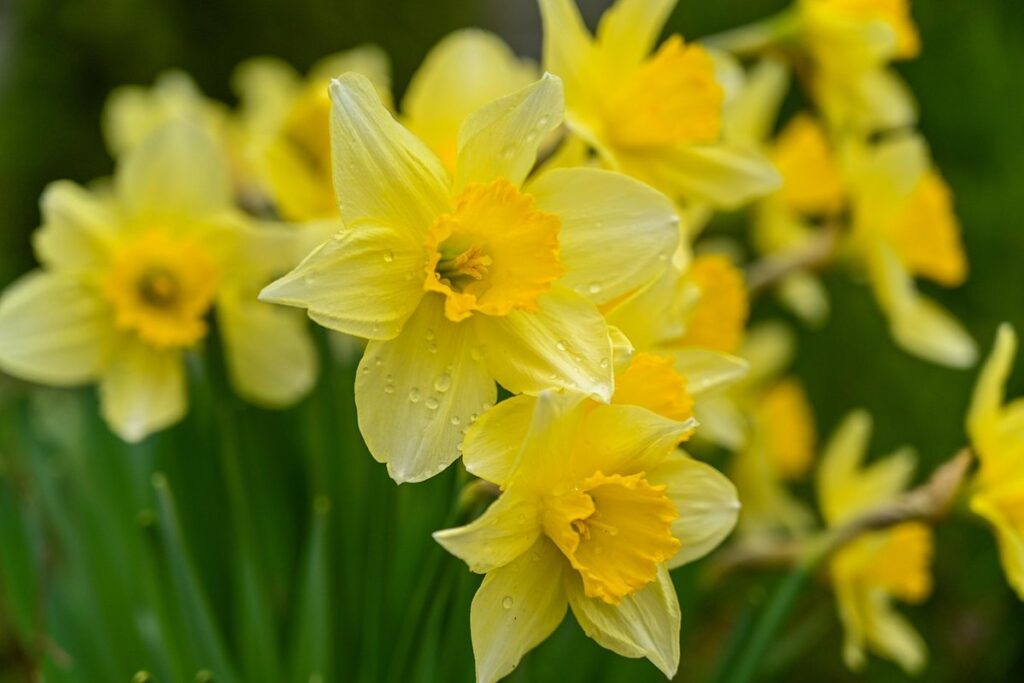
Understanding Daffodil Bloom Cycles
Daffodils are one of the earliest spring bloomers, but their beautiful flowers only last for a few weeks. In this next part, we’ll explore how to understand and anticipate their natural bloom cycles.
The Purpose of Daffodil Blooms
So, you might be wondering why daffodils go to so much trouble to bloom in the first place. It’s not just for show; their beautiful flowers serve a very important purpose. Daffodil blooms are actually the plant’s reproductive machinery, designed to attract pollinators and facilitate seed production.
When a daffodil blooms, it’s sending out signals to bees, butterflies, and other pollinators that food is available in the form of nectar. As these visitors land on the flower, they inadvertently pick up pollen from one anther and transfer it to another, allowing for cross-pollination. This process enables the daffodil plant to reproduce and set seeds.
In fact, daffodils are one of the most efficient pollinators in the garden, with some studies showing that a single bloom can receive over 100 visits from bees alone. By understanding this fundamental aspect of daffodil biology, you’ll appreciate just how vital it is to allow your plants to complete their natural life cycle after blooming – more on that in our next section!
Recognizing the End of the Blooming Cycle
As the blooming cycle of your daffodil comes to an end, it’s essential to recognize the signs so you can provide the best care for your plant. One of the first indicators is wilted flowers – if they’re no longer standing upright or have drooped down towards the ground, it’s likely the end of their blooming cycle. You may also notice dropped flowers, which can be a sign that the blooms have completed their life cycle.
Another way to determine when the blooming cycle has ended is to check for greenery – once the flowers have faded, the foliage will start to take over and provide sustenance for next year’s blooms. If you notice the leaves are turning yellow or browning, it may be a sign that they’re drying up after their job is done.
In most cases, daffodils go dormant in mid-summer, allowing them to conserve energy for the next blooming cycle. As you observe these changes, refrain from deadheading (removing spent flowers) and allow the foliage to remain intact until it has yellowed or turned brown – this will give your daffodil the necessary nutrients to come back strong next year.
Post-Bloom Care: Immediate Attention
After daffodils finish blooming, it’s essential to provide them with immediate attention to promote healthy growth and encourage new blooms for next year. Let’s dive into the post-bloom care routine that will keep your daffodil thriving.
Watering After Blooms
After your daffodils have finished blooming, it’s essential to continue watering them. Although their flowering period has come to an end, the plant is still actively growing and producing new growth. Watering after blooms helps maintain the plant’s health, ensuring that it remains strong and healthy throughout its growing season.
During this stage, daffodils require about 1-2 inches of water per week, either from rainfall or irrigation. However, overwatering can be detrimental to your plants, so make sure not to overdo it. To determine if your daffodils need more water, check the soil moisture by inserting a finger into the ground up to the knuckle.
If the soil feels dry, it’s time for watering. Aim to provide about 1-2 gallons of water per plant, depending on its size and soil type. Water thoroughly but avoid getting water on the foliage to prevent fungal diseases. As new growth emerges, you can gradually increase watering frequency to once or twice a week, depending on weather conditions. Keep in mind that this may vary depending on your region’s climate and soil composition. Monitor your plants closely to adjust their care accordingly.
Fertilizing for Future Blooms
Fertilizing your daffodils after blooming is crucial to promote healthy growth and encourage future blooms. When you think of fertilizing, you might assume it’s only necessary during the growing season, but it’s actually a great time to give your daffodils a boost after they’ve finished flowering.
Choose a balanced fertilizer that’s high in phosphorus, as this will help promote root development and encourage new growth. Avoid using high-nitrogen fertilizers, as these can stimulate foliage growth at the expense of bulb health. Instead, look for a fertilizer with a ratio of 10-20-10 (nitrogen-phosphorus-potassium) or 5-10-10.
Apply the fertilizer in late summer to early fall, about six weeks after blooming has finished. This allows the bulbs time to absorb the nutrients before the onset of winter dormancy. Follow the manufacturer’s instructions for application rates and timing to ensure you’re giving your daffodils exactly what they need.
Deadheading and Removing Old Foliage
Now that your daffodils have finished blooming, it’s essential to remove dead flowers and foliage to promote healthy growth and prevent disease. Let’s take a closer look at how to do this effectively.
The Importance of Deadheading
Deadheading is an essential step in daffodil care after blooming. By removing the spent flowers, you’re not only enhancing the plant’s appearance but also promoting healthy growth and preventing seed production. When left to their own devices, daffodils can focus all their energy on producing seeds instead of developing a strong root system.
This can lead to weak and leggy stems, making the plant more susceptible to disease and pests. Furthermore, excessive seed production can exhaust the bulb, reducing its vigor and longevity. To prevent this, deadhead your daffodils as soon as the blooms begin to fade. Simply snip off the flower head at the base of the stem using a pair of clean scissors or pruning shears.
This simple task not only encourages the plant to channel its energy into re-growing next year’s flowers but also helps maintain the bulb’s overall health and vigor.
How to Remove Old Foliage
After your daffodils have finished blooming, it’s essential to remove the old foliage to promote healthy growth and prevent disease. The ideal time to do this is when the foliage begins to yellow and die back naturally, usually about 4-6 weeks after the blooms have faded.
To remove old foliage, start by gently grasping the stems near the base of the plant. Cut or pinch off any remaining flower stalks at ground level using scissors or pruning shears. Be careful not to damage any new growth or emerging leaves.
Next, use your fingers or a soft brush to gently sweep away any dead or dying foliage from around the base of the plant. This will help prevent the spread of disease and encourage air circulation. Avoid pulling or yanking at the old foliage, as this can cause damage to the crown or roots of the daffodil.
By removing old foliage in a timely manner, you’ll be giving your daffodils a fresh start for next year’s bloom.
Mulching and Winter Protection
Now that your daffodils have bloomed, it’s time to focus on their long-term health. Learn how to protect them from winter damage with effective mulching techniques and strategies.
Benefits of Mulching Around Daffodils
Mulching around your daffodils is an essential step in their care after blooming. By retaining moisture and regulating soil temperature, mulch helps create a healthy environment for your bulbs to recharge and prepare for next year’s bloom.
One of the primary benefits of mulching around daffodils is its ability to retain moisture in the soil. This is particularly important during the summer months when the soil can dry out quickly. A 2-3 inch layer of organic mulch, such as wood chips or bark, will help keep the soil consistently moist and reduce the need for frequent watering.
Mulch also regulates soil temperature, which helps to prevent scorching of the bulbs in hot weather. By keeping the soil cooler, mulch also reduces the risk of disease and pests that thrive in warm conditions. To apply mulch effectively, spread a 2-3 inch layer around the base of your daffodils after they’ve finished blooming, keeping it a few inches away from the crowns to prevent moisture from accumulating and causing rot.
Preparing Your Daffodils for Winter
As the blooming season comes to an end, it’s essential to prepare your daffodils for winter to ensure they come back healthy and strong next year. One of the most critical steps is cutting back the foliage. It may seem counterintuitive, but removing the leaves after they’ve turned yellow and begun to die back helps prevent damage from moisture that can accumulate on the plant.
Apply a 2-3 inch layer of mulch around the base of your daffodils to protect them from extreme temperatures, drying winds, and winter wetness. Organic mulches like straw or bark chips are ideal choices as they improve soil health while regulating soil temperature. Avoid piling mulch against the plant stem, instead leave a small gap for air circulation and moisture escape.
Winter protection is crucial in regions with harsh winters or where daffodils are grown in containers. Be sure to inspect your plants regularly during the winter months and provide additional support if necessary. By taking these simple steps, you’ll be giving your daffodils the best chance to thrive when spring arrives.
Common Post-Bloom Care Mistakes to Avoid
To get the best results from your daffodil bulbs, it’s crucial to avoid making common post-bloom care mistakes that can harm their future growth and flowering. Let’s take a closer look at what to watch out for.
Overwatering and Underwatering
When the blooming period of your daffodils comes to an end, it’s essential to maintain proper care to ensure their health and longevity. One common mistake gardeners make is overwatering or underwatering their plants.
Overwatering can lead to a range of issues, including root rot, yellowing leaves, and reduced flowering in subsequent years. This happens when the soil remains consistently moist, creating an ideal environment for fungal diseases to thrive. To avoid this, allow the top inch of soil to dry out between waterings. Monitor your daffodils’ watering needs, taking into account factors like climate, soil type, and weather conditions.
Underwatering, on the other hand, can cause stress to the plant, leading to weak growth and reduced flowering. This is often a result of neglecting regular watering schedules or failing to adjust for changing environmental conditions. To prevent this, water your daffodils regularly during dry spells, but avoid overwatering.
Keep in mind that daffodils require less moisture after blooming than when they’re actively growing. Be cautious not to confuse their post-bloom needs with those of other plants. By striking the right balance and avoiding these common mistakes, you can help your daffodils stay healthy and thrive for years to come.
Not Providing Enough Sunlight
After blooming, daffodils continue to require adequate sunlight to recharge their energy reserves and develop new growth. Without sufficient light, daffodils may become leggy, weak, and more susceptible to disease. Inadequate sunlight can also lead to poor flowering the following year.
When planting daffodil bulbs in shaded areas or under trees with dense foliage, consider transplanting them to a sunnier location once they’ve finished blooming. Aim for at least 6 hours of direct sunlight per day, ideally more if possible. If this isn’t feasible, ensure that your plants receive bright, indirect light.
To promote healthy growth and flowering, avoid planting daffodils in areas with heavy shade or competing vegetation. Instead, choose a spot with well-draining soil and full sun to partial shade. Be mindful of nearby structures or trees that may cast shadows on your plants during the growing season. By providing sufficient sunlight, you’ll encourage strong root development, robust foliage, and vibrant blooms for years to come.
Encouraging Repeat Blooms
To get multiple blooms from your daffodils, you’ll want to focus on providing them with the right conditions after they’ve finished flowering. This means giving them time to rest and recover before they’re ready to bloom again.
How to Promote Healthy Growth
To encourage healthy growth in your daffodils, it’s essential to address any issues that may have arisen during their blooming period. One crucial step is to divide overcrowded clumps of daffodil bulbs. As the plant grows and matures, its bulb will eventually outgrow its container or bed. If not divided, the bulbs will begin to compete for resources, leading to weak and spindly growth. Divide your daffodils in late summer or early fall, making sure each new section has at least one ‘eye’ (the small white bud on top of the bulb) per plant. This will give you healthy, vigorous plants that can thrive for years to come.
Removing dead or diseased foliage is another critical step in promoting healthy growth. After blooming, daffodils often leave behind a tangle of brown, wilted leaves. While it may be tempting to simply cut them back, this can actually do more harm than good. Diseased foliage can harbor pests and diseases that can spread to other parts of the plant, while dead foliage can rot and decay, causing root problems. Instead, carefully remove all dead or diseased material, taking care not to damage any healthy roots or bulbs in the process. This will help prevent the spread of disease and promote a clean, healthy environment for your daffodils to grow.
Tips for Achieving Repeat Blooms
To encourage repeat blooms from your daffodils, it’s essential to select varieties that are known for their repeat flowering habit. Look for cultivars like ‘Thalia’, ‘Carlton’, and ‘Mount Hood’, which have been bred specifically for their ability to rebloom.
When choosing a variety, consider factors such as the plant’s growth habits, foliage, and flower size. Some daffodils may produce smaller flowers or less robust foliage, but they can still be great choices for repeat blooming. For example, ‘Fortune’ is a popular variety known for its small, delicate blooms that appear in late spring.
In addition to selecting the right variety, proper care after blooming is crucial for encouraging repeat growth. After the blooming period has ended, allow the foliage to die back naturally, as this will help the bulb store energy for next year’s bloom. Avoid cutting back or deadheading the foliage, as this can weaken the plant and reduce its chances of reblooming.
Frequently Asked Questions
What if I accidentally overwater my daffodils after blooming, causing them to rot? Can they still recover?
Yes, if you catch the issue early, your daffodils can still recover from overwatering-induced rot. Stop watering immediately and remove any affected foliage or flowers. Allow the bulb to dry out for a few weeks before resuming normal care. Monitor their progress closely, and keep in mind that severe cases may require replanting.
Should I fertilize my daffodils right after blooming, or wait until fall when they’re dormant?
Wait until fall when your daffodils are dormant to fertilize them for future blooms. Fertilizing too soon can encourage top growth but reduce bulb size and storage of energy reserves needed for next year’s blooms.
How long should I keep the mulch around my daffodils? Does it affect their bloom cycle?
Mulching benefits your daffodils throughout the growing season, helping retain moisture, suppress weeds, and regulate soil temperature. Continue to replenish the mulch layer as needed, keeping a 2-3 inch depth around the base of your plants. It won’t directly impact their bloom cycle but promotes overall health.
Can I divide my daffodil clumps immediately after they finish blooming? Is there a specific timing?
It’s best to wait until late spring or early summer when the foliage has died back and new growth is emerging before dividing your daffodils. This minimizes transplant shock and allows you to separate the bulbs more easily.
How can I encourage repeat blooms from my daffodils, other than providing enough sunlight and water?
To promote repeat blooms, focus on proper deadheading (removing seed heads after blooming), fertilizing in fall as mentioned earlier, and allowing your daffodil clumps to rest during their natural summer dormancy.