
As we approach the colder months, it’s time to think about preparing your garden for the harsh winter weather. Pruning or cutting back shrubs is an essential task that can make all the difference in their survival and health over the next few months. Not only will it help prevent damage from snow and ice, but it’ll also promote healthy growth come springtime. But pruning can be a daunting task, especially for those new to gardening. In this guide, we’ll walk you through the step-by-step process of cutting back shrubs for winter, covering the right techniques, tools, and aftercare tips to ensure your garden looks its best all year round. By following our expert advice, you’ll be well-equipped to tackle this crucial task with confidence.
Preparing for Pruning
Before you start pruning, it’s essential to prepare your tools and shrubs for a successful cut-back. Let’s take a closer look at how to prep for a winter prune.
Assessing Your Shrubs’ Condition
Before you start pruning, it’s essential to assess the condition of your shrubs. Take a closer look at their health, shape, and size to determine what they need. Start by inspecting the shrub’s overall appearance: are there any signs of disease or pests? Are the leaves healthy and vibrant, or do they appear wilted or discolored?
Consider the shape of your shrubs as well. Are they leggy or uneven, with some branches growing much longer than others? This can be a sign that it’s time for a more thorough pruning to maintain their desired shape.
Measure your shrubs’ height and width to determine how much you can safely prune without compromising their structure. If your shrub is top-heavy or has weak branches, it may not be safe to cut back too much. Use this information to guide your pruning decisions and avoid over-pruning, which can lead to further problems down the line.
Gathering Tools and Equipment
Before you start cutting back your shrubs, it’s essential to gather the right tools and equipment. You’ll need a set of gloves to protect your hands from thorns and scratches, as well as loppers or pruning shears for heavier branches. Long-handled pruners can be useful for reaching higher areas without straining.
When selecting the right tools for specific tasks, consider the size and type of branch you’re dealing with. For example, if you need to prune thicker stems, use loppers with high leverage and long handles. Pruning shears are better suited for smaller branches and more precise cuts.
Additionally, don’t forget safety gear such as a dust mask, safety glasses, and sturdy boots with good grip. These will protect you from debris, sap, and any potential injuries while pruning. A first-aid kit should also be nearby in case of emergencies.
When choosing tools, look for high-quality materials that can withstand regular use. Durable handles and sharp blades will make the task easier and more efficient. Consider investing in a tool sharpener to keep your pruners and loppers in good condition throughout the season.
Pruning Techniques
When pruning shrubs for winter, it’s essential to learn proper techniques that promote healthy growth and prevent damage. In this section, we’ll cover the best methods for cutting back your favorite shrubs.
Understanding Pruning Cuts
When pruning shrubs for winter, it’s essential to understand the different types of cuts you’ll be making and their purposes. There are three primary types: thinning, reduction, and renewal.
Thinning cuts involve removing select branches to allow air and light to penetrate the plant, promoting healthy growth and reducing disease susceptibility. Reduction cuts reduce the overall size of the shrub by cutting back stems to a desired length or removing overgrown tips. Renewal cuts go further, cutting back branches almost to the ground, usually done on older plants to rejuvenate them.
To make clean, angled cuts, use sharp pruning tools and cut just above a bud or lateral growth point at an angle of about 45 degrees. This helps prevent water from collecting on the stem, reducing the risk of disease. Maintaining tool sterility is also crucial; disinfect your pruners between cuts to prevent the spread of diseases.
Removing Dead or Damaged Branches
When cutting back shrubs for winter, it’s essential to remove dead or damaged branches to prevent disease spread and maintain shrub health. These areas are more susceptible to infection, which can quickly spread throughout the plant if left untreated.
To identify dead or damaged branches, look for signs such as dry, brittle leaves, cracks in the bark, or an unnatural shape. Diseased branches may appear discolored, with soft spots or lesions on the trunk or stems. Damaged branches could be broken, split, or scarred from disease or pests.
Remove these areas using sharp pruning tools, cutting just above a growth node to encourage new growth. Disinfect your tools between cuts to prevent spreading disease. Be cautious not to over-prune, as this can stress the plant and make it more vulnerable to disease.
By removing dead or damaged branches, you’ll help maintain your shrubs’ health and resilience throughout the winter months. Regular pruning also promotes air circulation, reducing the risk of disease spread.
Shrubs with Special Considerations
Some shrubs have unique needs when it comes to cutting back for winter, so let’s take a closer look at which ones require special attention and how to care for them properly.
Evergreen Shrubs
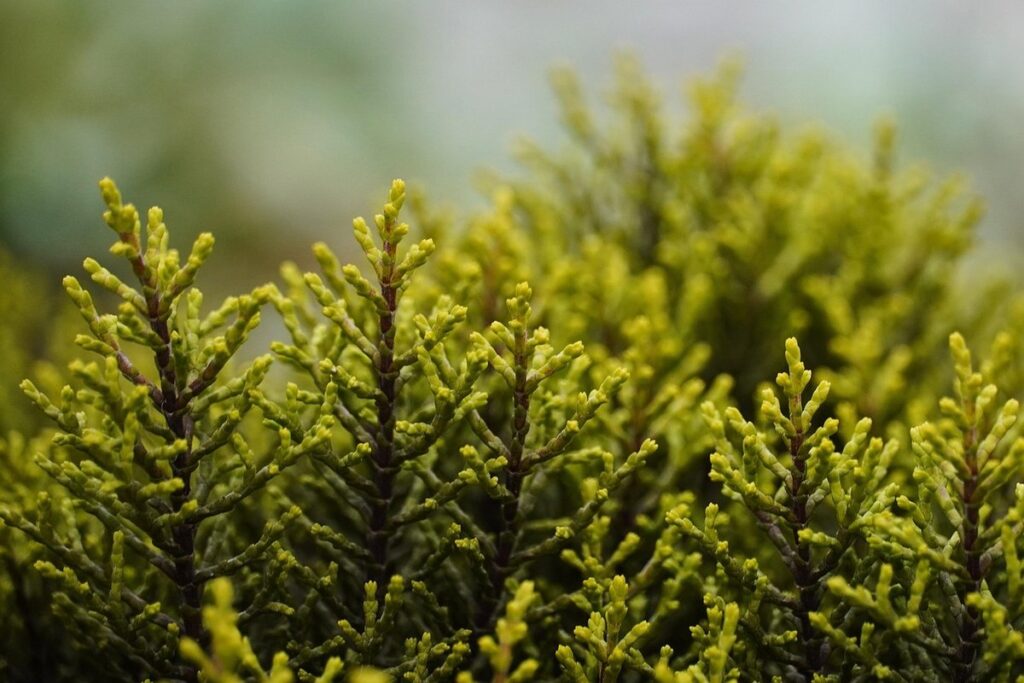
When it comes to evergreen shrubs, pruning is not just about cutting back branches, but also about maintaining their shape and promoting new growth. These plants can be pruned at almost any time of year, but winter is an excellent opportunity to give them a good trim.
To keep your evergreen shrubs looking their best, prune no more than one-third of the plant’s foliage in a single session. This will help prevent shock to the plant and encourage new growth. Use sharp, clean pruning tools to make precise cuts just above a bud or leaf node. Make angled cuts to promote water runoff and reduce the risk of disease.
For most evergreen shrubs, prune every 2-3 years to maintain shape and size. However, some plants like boxwood and holly may require more frequent pruning to keep them looking their best. Consider pruning your evergreen shrubs in late winter or early spring before new growth begins. This will give you a clear view of the plant’s overall structure and help you make informed decisions about which branches to remove.
Flowering Shrubs
When it comes to flowering shrubs, timing is everything when it comes to pruning for winter. You’ll want to prune these plants at a time that allows them to still bloom the following season, but also promotes healthy growth and prevents damage from harsh winter conditions.
For most flowering shrubs, the ideal time to prune is immediately after they finish blooming in late spring or early summer. This ensures you’re not cutting off buds or flowers that have yet to develop. However, some plants like azaleas and rhododendrons require post-bloom pruning to promote new growth and encourage next year’s blooms.
When pruning flowering shrubs, focus on removing about one-third of the old growth to make way for new stems. Use clean, sharp tools to prevent tearing the bark or spreading diseases. Cut just above a bud eye (the small swelling from which new growth emerges), as this will help promote new stem growth and maintain the plant’s natural shape.
By pruning at the right time and frequency, you can keep your flowering shrubs healthy, vigorous, and blooming beautifully year after year.
Aftercare and Maintenance
Now that you’ve cut back your shrubs, it’s time to focus on aftercare and maintenance to ensure they recover well over winter. Proper care will help them come back strong in spring.
Watering and Fertilization
After cutting back your shrubs for winter, it’s essential to provide them with proper care to prevent shock and promote healthy regrowth. Watering is a crucial aspect of post-pruning care, but timing is everything. Avoid watering your shrubs immediately after pruning, as this can cause roots to rot due to the increased moisture levels. Instead, wait until the soil has had time to dry out slightly, usually within 1-2 weeks.
When you do water, make sure to provide about 1 inch of water per week, either from rain or irrigation. This will help your shrubs recover from the stress of pruning and support new growth. As for fertilization, it’s best to wait until late winter or early spring when new growth begins. Apply a balanced, slow-release fertilizer according to the manufacturer’s instructions to provide essential nutrients without burning your plants’ roots.
Consider using organic fertilizers like compost or well-rotted manure, which release nutrients slowly and promote soil health. Avoid over-fertilizing, as this can lead to nutrient deficiencies and even kill your shrubs.
Pest and Disease Management
After cutting back your shrubs, it’s essential to keep an eye out for potential problems that may arise. This is especially true during the winter months when plants are more susceptible to pests and diseases.
Monitoring for issues is key, so make sure to regularly inspect your shrubs for signs of pests or disease. Look for holes in leaves, sticky substances on stems, or discoloration. Some common winter pests include aphids, spider mites, and scale, while fungal diseases like root rot and leaf spot can also occur.
To address these issues, it’s best to adopt an integrated pest management (IPM) approach. This involves combining physical, cultural, biological, and chemical controls to prevent infestations or infections. For example, removing any affected branches or debris can help prevent the spread of disease. If you do need to use pesticides, choose a product that is specifically labeled for your plant type and follow all instructions carefully. By being proactive and monitoring your shrubs regularly, you’ll be able to catch potential problems early on and keep your plants healthy throughout the winter season.
Safety Precautions
Before you begin cutting back shrubs, it’s crucial to take a few essential precautions to protect yourself and your garden from potential hazards. Always wear protective gear when pruning.
Personal Protective Equipment
When pruning shrubs for winter, it’s easy to overlook the importance of personal protective equipment (PPE). However, wearing PPE can make all the difference between a safe and enjoyable experience and one that leaves you with cuts, bruises, and potentially even more serious injuries.
Gloves are an essential part of PPE when pruning shrubs. Not only do they protect your hands from thorns and rough branches, but they also provide grip and traction on slippery or wet surfaces. Look for gardening gloves made from durable materials like leather or synthetic fabrics that can withstand the rigors of regular use.
Safety glasses are another crucial piece of equipment to wear when pruning. Branches can snap back unexpectedly, hitting you in the face or eyes. Face masks protect against dust, pollen, and other allergens that may be stirred up during pruning.
When handling power tools like pruning saws or loppers, a face mask also helps prevent inhalation of fine particles. To mitigate risks, always wear PPE when working with sharp objects or power equipment, and make sure you’re wearing proper fitting gear to ensure maximum protection.
Pruning in Adverse Weather Conditions
When pruning shrubs during winter, you may encounter adverse weather conditions that can make the task more challenging. Rain and extreme temperatures are common obstacles to consider. In rainy conditions, it’s essential to exercise caution to avoid slipping or falling on wet surfaces. Wear non-slip shoes or boots with good grip, and consider using a ladder with a wide base for stability.
If you must prune in heavy rain, try to avoid getting too close to the shrub’s center as water tends to collect there. Water can also weigh down branches, making them more prone to breaking. In extreme cold weather, be aware that tools may become brittle and prone to snapping. Handle your pruning shears or loppers carefully, and consider using a sharpener to keep blades in good condition.
When working in strong winds, secure any loose objects near the work area, such as debris or tools, to avoid them becoming projectiles. Prune during a calm period if possible, or work with a partner for added support. By adapting your technique to suit the weather conditions, you can ensure safe pruning and minimize the risk of accidents.
Conclusion
Now that you’ve learned how to cut back shrubs for winter, let’s summarize the key takeaways and ensure you’re on track for a beautiful, low-maintenance garden next spring.
Recap of Key Takeaways
As you complete pruning your shrubs for winter, it’s essential to take a moment and review the key techniques and considerations discussed throughout this article. By summarizing the most critical points, we can help solidify the knowledge and ensure you’re well-equipped to tackle future pruning tasks with confidence.
To start, remember that timing is everything when it comes to shrub pruning for winter. As we emphasized earlier, the ideal time for pruning depends on the specific type of shrub and its growth habits. For deciduous shrubs, late winter or early spring is often the best time to prune, while evergreen shrubs are typically pruned in late winter or early spring as well.
Another crucial aspect of successful shrub pruning is understanding how to make clean cuts. This involves cutting just above a bud or lateral branch, at a 45-degree angle, and making sure not to leave any stubs or uneven ends. As discussed in the section on proper pruning techniques, this approach will promote healthy growth, encourage new shoots, and maintain the overall shape of your shrubs.
Additionally, don’t forget about the importance of maintaining your garden tools. Regularly sharpening and cleaning your pruning shears and loppers will not only make the pruning process more efficient but also help prevent the spread of diseases.
As you wrap up this article, refer back to the section on common mistakes to avoid when pruning shrubs for winter. By being aware of potential pitfalls such as over-pruning or under-pruning, you’ll be better equipped to produce healthy, well-shaped shrubs that thrive throughout the year.
Frequently Asked Questions
What should I do with shrubs that have never been pruned before?
Start by pruning the dead, diseased, or damaged branches first, as this will prevent any potential diseases from spreading to healthy parts of the plant. Next, cut back the longest branches to encourage bushy growth and maintain a balanced shape.
Can I prune shrubs during extreme weather conditions, such as heavy rain or intense sun?
It’s generally best to avoid pruning in adverse weather conditions, especially if you’re using sharp tools that can easily slip out of your hands. Wait for overcast skies or dry conditions when possible. If you must prune in the rain, wear waterproof gloves and consider using a pruning saw with a non-slip handle.
How often should I water my shrubs after pruning?
Keep the soil consistently moist but not waterlogged, especially during the first few weeks following pruning. This will help your shrubs establish new growth and prevent shock from the cut-back process.
What about flowering shrubs? When is the best time to prune them for maximum blooms next year?
For most flowering shrubs, late winter or early spring is an excellent time to prune to promote healthy growth and maximize bloom potential. However, some species like hydrangeas and lilacs should be pruned immediately after blooming.
Can I use regular household scissors to cut back my shrubs, or do I need specialized pruning tools?
While it might be tempting to grab those handy household scissors, it’s best to invest in a good pair of pruning shears or loppers specifically designed for gardening. These will make the cutting process easier and more efficient, reducing the risk of damage to your plants and yourself.