
Cut flower gardens are a stunning addition to any outdoor space, but let’s be real – watching your blooms dwindle and fade with the passing seasons can be heartbreaking. That’s where succession planting comes in – a simple yet powerful technique that ensures your cut flower garden stays vibrant and full of color throughout the entire growing season. By mastering the art of succession planting, you’ll never have to worry about a lack of fresh flowers again. In this comprehensive guide, we’ll walk you through the process of planning, preparing, and maintaining a thriving cut flower garden using succession planting techniques. We’ll cover how to plan your plantings, how to prepare for continuous blooms, and how to maintain your garden’s beauty from start to finish – all to keep those beautiful bouquets coming all season long!
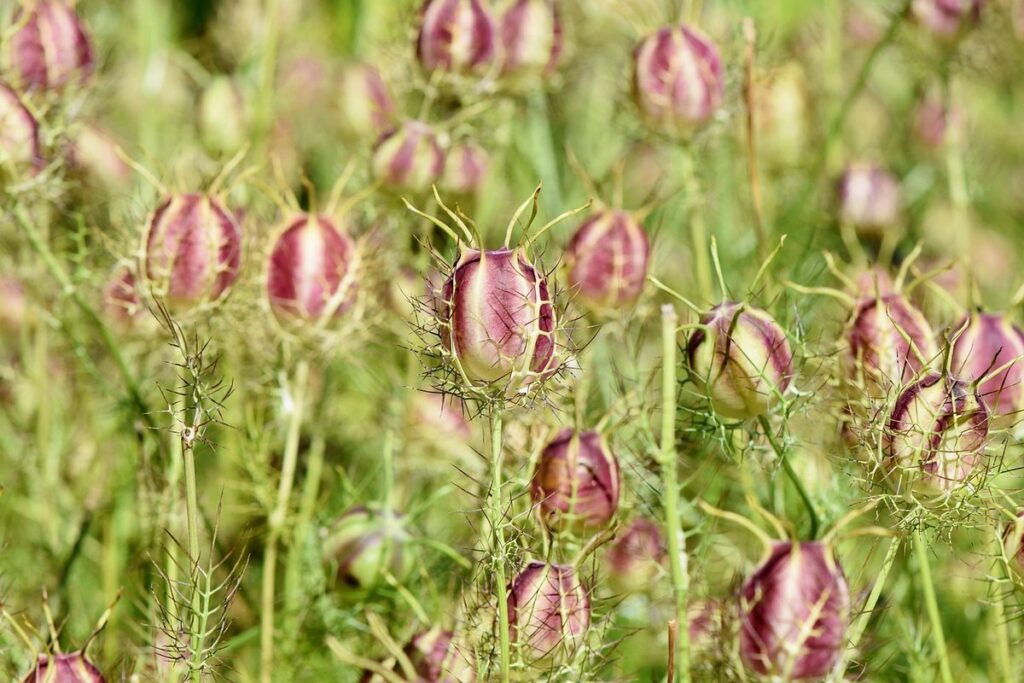
Understanding Cut Flower Succession
To have a continuous bloom of cut flowers, you need to plant multiple varieties that will mature and flower at different times, ensuring a steady supply. This section will explain how to plan for this succession planting process.
What is Succession Planting?
Succession planting is a vital concept for cut flower gardeners who want to enjoy continuous blooms throughout the growing season. In simple terms, succession planting refers to the process of planting multiple batches of the same crop at different times to ensure a steady supply of fresh flowers.
By using this technique, you can maintain a vibrant and diverse display in your garden without having to worry about individual varieties flowering all at once. This approach has several benefits, including increased flexibility, reduced waste, and more efficient use of space and resources.
For example, if you plant 10 batches of baby’s breath over a period of three months, you can harvest fresh flowers every week or two, depending on the specific variety. This not only extends the blooming season but also allows you to stagger seed sowing dates, which helps prevent overcrowding and promotes healthy growth.
To implement succession planting effectively, start by identifying your favorite cut flower varieties and their corresponding bloom periods. Then, plan out your planting schedule accordingly, leaving enough time between plantings for each batch to mature before the next one is planted.
Types of Succession Planting Strategies
When planning a cut flower succession strategy, it’s essential to consider various approaches that cater to different growing conditions and bloom periods. One popular method is staggered sowing, where you plant multiple batches of the same crop at two-to-three week intervals. This technique ensures a continuous supply of fresh flowers throughout the season. For example, if you sow 20 varieties of annuals in succession every three weeks during spring, you’ll have blooms from March to September.
Another approach is continuous sowing, which involves planting small batches of crops on a regular basis without leaving any gaps in between. This strategy works well for cool-season crops like pansies and snapdragons that can be planted as soon as the weather cools down. However, it may not be suitable for warm-season crops like sunflowers and zinnias that prefer warmer temperatures.
To maximize your cut flower harvest, you can also combine cool-season and warm-season crops in a single bed. For instance, sow pansies or violas alongside warm-season crops like cosmos or marigolds to create a diverse and dynamic bloom display. By mixing and matching different crop types, you’ll not only extend the blooming period but also reduce soil degradation and pest pressure.
Planning Your Cut Flower Garden
When planning a cut flower garden, it’s essential to consider not only which flowers bloom at what time but also how to sequence their plantings for continuous blooms. Let’s start by mapping out your season.
Choosing the Right Flowers for Succession Planting
When choosing flowers for succession planting, it’s essential to consider their bloom duration, growth habits, and space requirements. This will ensure a continuous supply of fresh blooms throughout the growing season.
For example, sunflowers (Helianthus annuus) are an excellent choice for succession planting due to their long bloom period, which can last up to 6 weeks. They also have a relatively small space requirement, making them perfect for smaller gardens. However, they can grow quite tall, so be sure to provide adequate support.
Other popular options include zinnias (Zinnia spp.), cosmos (Cosmos bipinnatus), and snapdragons (Antirrhinum majus). Zinnias have a moderate growth habit and bloom for around 4-6 weeks, while cosmos are more delicate and require less space but bloom for a shorter duration of about 2-3 weeks. Snapdragons have a tall growth habit but produce a long-lasting bloom that can last up to 8 weeks.
When selecting cut flowers, consider the space you have available in your garden. If you have limited space, opt for compact varieties like marigolds (Calendula officinalis) or dianthus (Dianthus spp.). These flowers are perfect for small gardens and bloom profusely throughout the growing season.
Determining Crop Rotation and Spacing
When planning your cut flower garden for succession planting, it’s essential to consider crop rotation and spacing. Crop rotation is a practice that involves rotating different crops through the same bed over time to avoid depleting the soil of nutrients and to reduce disease buildup.
To implement effective crop rotation in your succession planting system, create a map or chart to visualize the layout of each bed. Divide your beds into sections based on the type of plants they will hold, such as sunflowers, dahlias, and cosmos. This way, you can rotate the same family of plants through each bed every 2-3 years.
Consider companion planting when selecting which varieties to include in each rotation. For example, marigolds repel nematodes and attract beneficial insects that prey on pests, making them an excellent addition to a succession planting system. By incorporating these simple strategies into your planning process, you’ll be well on your way to creating a diverse and thriving cut flower garden that blooms continuously throughout the growing season.
When it comes to spacing, ensure each plant has enough room to grow without overcrowding. A general rule of thumb is to plant taller varieties towards the north or west side of the bed to avoid shading smaller plants.
Preparing the Soil for Succession Planting
To ensure a smooth transition between plantings, it’s crucial to prepare your soil properly before succession planting. This involves loosening and rejuvenating the soil to promote healthy growth.
Soil Preparation Basics
Before you start planting your succession crop, it’s essential to prepare the soil for optimal growth. This involves testing the pH levels, adding organic matter, and incorporating nutrients that will benefit your cut flowers.
Testing pH levels is crucial as it determines whether your plants will thrive or struggle in their new environment. A pH test kit can be purchased at a local nursery or home improvement store. Based on the results, you may need to adjust the pH level by adding lime to raise it or sulfur to lower it. Most cut flowers prefer a slightly acidic to neutral soil pH between 6.0 and 7.0.
Adding organic matter like compost or well-rotted manure will improve the soil structure and fertility. These amendments help retain moisture, suppress diseases, and provide essential nutrients for plant growth. Mix in about 2-3 inches of compost into the top 6-8 inches of soil to create a nutrient-rich environment.
Incorporating slow-release fertilizers or balanced organic fertilizers will also promote healthy plant growth. Follow the instructions on the fertilizer package for application rates and timing. This will ensure your cut flowers receive the necessary nutrients for optimal bloom production, resulting in stunning bouquets throughout the growing season.
Mulching and Water Conservation Strategies
Mulching and water conservation are essential strategies for maintaining optimal soil conditions during succession planting. Mulch acts as a barrier, reducing soil temperature fluctuations that can be detrimental to sensitive cut flowers. Organic mulches like straw, bark chips, or grass clippings absorb moisture from the air, slowly releasing it into the soil as needed. This helps retain moisture and reduce evaporation, minimizing the need for frequent watering.
When choosing a mulch, consider its water-holding capacity and ability to suppress weeds. A mix of 2-3 inches of organic mulch and 1-2 inches of compost will provide an ideal balance of nutrients and moisture retention. For example, using coconut coir or sugarcane mulch can help maintain soil temperature within the optimal range for cut flower growth.
Water conservation techniques also play a crucial role in succession planting. Implement drip irrigation systems to deliver water directly to roots, minimizing runoff and evaporation. Monitor soil moisture levels regularly by inserting a finger into the soil up to the knuckle; if it feels dry, it’s time to water. By adopting these mulching and water conservation strategies, you’ll be able to maintain healthy root development and promote continuous blooming in your cut flower succession planting.
Sowing Seeds for Succession Planting
To ensure a continuous supply of cut flowers, you’ll want to sow seeds at regular intervals throughout the growing season. Let’s dive into how to plan and execute a successful succession planting schedule.
Timing and Seasonality Considerations
When it comes to succession planting for cut flowers, timing is everything. You’ll want to plan ahead and take into account the climate, weather patterns, and growth habits of each variety to ensure continuous blooms throughout the growing season.
In general, most cut flower varieties require a period of cool weather to initiate blooming, followed by warmer temperatures to promote flowering. For example, delphiniums typically need about 6-8 weeks of cooler temperatures (around 40-50°F) before producing stems, while sunflowers thrive in warm conditions (above 65°F). Consider the average last frost date for your area and plan accordingly.
Take note of the plant’s growth habit as well – some varieties, like snapdragons and sweet peas, are excellent for succession planting due to their rapid growth rate. These quick-bloomers can be sown every 2-3 weeks, allowing you to stagger harvests and maintain a steady supply of fresh flowers.
Keep an eye on weather forecasts too – if you’re expecting a prolonged heatwave or cold snap, adjust your sowing schedule accordingly. By taking these timing and seasonality considerations into account, you’ll be well on your way to enjoying continuous blooms from your cut flower garden all summer long.
Seed Selection and Sowing Techniques
When it comes to succession planting for cut flowers, selecting high-quality seeds is crucial. Look for varieties that are specifically bred for cut flower production and have a long vase life. Check the seed packet for details on growth habits, bloom times, and space requirements. Some popular varieties include cosmos, zinnias, and sunflowers.
Before sowing seeds directly into the garden, prepare the soil by loosening it to a depth of 8-10 inches. This will give the roots room to grow and help prevent waterlogged soil. If your soil is heavy clay or sandy, mix in some organic matter like compost or well-rotted manure to improve its structure.
For direct sowing, scatter seeds thinly over the prepared soil, about 1/8 inch deep. Water gently but thoroughly. For transplanting, sow seeds indoors 4-6 weeks before the last frost date and then transfer seedlings outside when they have 2-3 sets of leaves. This will give them a head start on the growing season.
When sowing seeds in early spring, you can get a jumpstart on succession planting by using row covers to extend the growing season. By following these simple steps and selecting high-quality seeds, you’ll be well on your way to enjoying continuous blooms from your cut flower garden all season long.
Supporting Cut Flowers through Succession Planting
To ensure a constant supply of cut flowers, it’s essential to plan your succession planting carefully, choosing varieties that thrive at different times of year. Let’s explore this strategy in more detail.
Deadheading and Pruning Techniques
Deadheading is an essential practice when it comes to maintaining cut flower gardens. By removing spent blooms, you encourage plants to focus their energy on producing new flowers rather than seed production. This simple technique can significantly impact the overall appearance and productivity of your garden.
To deadhead effectively, make a clean cut just above a leaf node using a pair of sharp scissors or pruning shears. This will help direct the plant’s energy towards producing more blooms. For example, cosmos and zinnias are notorious for dropping their petals as soon as they’re done blooming. Deadheading these plants daily can keep them looking tidy and promote repeat blooming.
Pruning is another vital technique to foster bushy growth and encourage repeat blooming in your cut flower plants. Prune stems back by one-third to one-half after the first flush of blooms has faded. This will stimulate new growth, promoting a full and lush appearance. Be cautious not to over-prune, as this can cause stress to the plant.
Regular pruning also helps control height and encourages branching, making it easier to harvest flowers at different heights. By mastering deadheading and pruning techniques, you’ll be able to keep your cut flower garden looking its best while encouraging continuous blooms throughout the season.
Pest and Disease Management Strategies
As you strive for continuous blooms through succession planting, it’s essential to monitor your cut flower beds for common pests and diseases. Inspecting your plants regularly will help you identify issues before they spread.
Some of the most prevalent pests affecting cut flowers include aphids, whiteflies, and thrips. These tiny insects can cause damage by sucking sap from leaves or transmitting plant viruses. To manage these pests, use physical barriers like fine mesh or fine netting to cover plants. You can also introduce beneficial insects, such as ladybugs or lacewings, which prey on aphid populations.
Diseases like powdery mildew and botrytis (gray mold) often thrive in humid environments. Reduce moisture by providing good air circulation around your plants, and avoid watering during the hottest part of the day. Fungal diseases can also be treated with copper-based fungicides or neem oil.
When it comes to managing pests and diseases, integrated pest management techniques are key. By combining physical barriers, beneficial insects, and targeted treatments, you’ll create a balanced ecosystem that promotes healthy plant growth while minimizing chemical use.
Monitoring Progress and Adjusting Your Succession Planting Plan
As you track your succession planting plan, it’s essential to regularly monitor its progress, making any necessary adjustments to ensure a continuous bloom of gorgeous cut flowers throughout the growing season. This helps prevent gaps in blooms and ensures your garden remains vibrant and productive.
Tracking Growth and Bloom Cycles
Monitoring plant growth and understanding bloom cycles is crucial to maintaining continuous blooms. As you plant new succession flowers, it’s essential to keep an eye on the progress of each variety. Take note of when individual plants start to flower, and how long they continue to produce blooms.
For example, if a particular variety of zinnia blooms for 3-4 weeks, but then suddenly drops its petals, you’ll want to replace it with new plants that are in the same stage of growth. This way, there’s always a fresh supply of flowers available. Keep track of which varieties have shorter or longer bloom cycles, and adjust your planting schedule accordingly.
Regularly inspecting your cut flower beds will also help prevent overcrowding. As some plants finish blooming, others may need to be thinned out or staked to maintain air circulation and promote healthy growth. By monitoring plant progress and adjusting your plan as needed, you’ll ensure a continuous supply of fresh flowers for cutting and minimize the risk of overcrowding.
Adapting to Weather Extremes and Seasonal Changes
Adapting to weather extremes and seasonal changes is crucial when it comes to maintaining a healthy and thriving cut flower garden. Extreme temperatures, heavy rainfall, and droughts can significantly impact crop health and yield, forcing you to adjust your succession planting plan accordingly.
When faced with a heatwave or prolonged dry spell, it’s essential to prioritize crop selection and planning. Opt for varieties that are heat-tolerant or drought-resistant, such as zinnias, cosmos, and marigolds. These flowers will continue to bloom even in challenging weather conditions.
For example, if you’re expecting a hot summer, plant heat-loving crops like sunflowers, snapdragons, and dahlias towards the end of spring or early summer when temperatures are more stable. Conversely, during periods of heavy rainfall, delay planting temperature-sensitive crops like begonias and impatiens until the weather improves.
Keep a close eye on weather forecasts and adjust your watering schedule accordingly to prevent overwatering, which can be just as damaging as underwatering. Regularly inspect your plants for signs of stress and take corrective action promptly. By being flexible and responsive to changing weather conditions, you’ll ensure a continuous bloom and maintain the health of your cut flower garden throughout the growing season.
Frequently Asked Questions
What if I’m new to gardening and don’t have a lot of space for succession planting?
Succession planting doesn’t require a large garden; even small spaces can thrive with careful planning. Consider starting with a few easy-to-grow cut flowers like zinnias or cosmos, which mature quickly and take up minimal space. Begin by dedicating a section of your existing garden to succession planting, and gradually expand as you gain experience.
How do I plan for succession planting in areas with unpredictable weather patterns?
Adapting to variable weather conditions is crucial when implementing succession planting. Research the specific climate and weather trends in your area to understand what types of cut flowers will thrive during different times of the year. This knowledge will help you create a more resilient succession planting plan that can adapt to unexpected weather fluctuations.
Can I use succession planting with annuals, or does it only work with perennials?
Succession planting is highly effective for both annual and perennial cut flowers. Annuals like marigolds and sunflowers are ideal for this technique because they complete their life cycle within a few months. Perennials, on the other hand, can provide continuous blooms over multiple seasons with proper care and deadheading.
How do I ensure that my succession planting plan accounts for different bloom times?
Creating a successful succession planting plan involves carefully considering the bloom periods of each cut flower variety. Make sure to research the specific days-to-bloom for each type of flower you’re using, and group them according to their maturity dates. This will help ensure a continuous supply of fresh flowers throughout the growing season.
Can I use succession planting in a container garden?
Succession planting can be successfully implemented in container gardens, provided they receive sufficient light, water, and nutrients. Choose compact or dwarf varieties that are specifically bred for containers, and make sure to rotate your containers regularly to maintain optimal growth conditions.