
Are you looking for a natural way to heal wounds, soothe skin irritations, or alleviate pain? You’re in luck because calendula is here to help. This beautiful flower has been used for centuries for its medicinal properties and is surprisingly easy to cultivate in your own garden. Not only will it provide you with a steady supply of natural remedies, but it’s also a stunning addition to any outdoor space. In this article, we’ll delve into the world of calendula medicinal uses, from wound healing to pain relief. We’ll explore its benefits, learn how to grow and harvest it in your garden, and discover simple ways to prepare it for use at home. Whether you’re a seasoned gardener or just starting out, get ready to unlock the potential of this incredible plant.
Understanding Calendula and its Properties
Calendula is a versatile herb with a rich history of medicinal use, and understanding its unique properties is key to unlocking its full potential in your garden.
Let’s take a closer look at what makes calendula so special.
What is Calendula and its Botanical Background
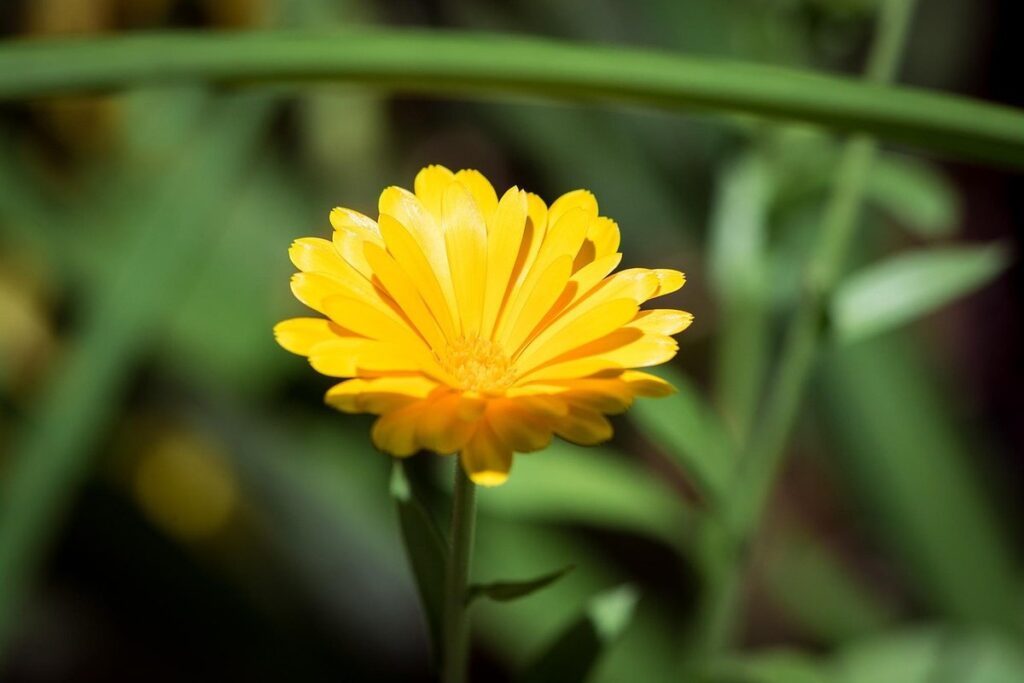
Calendula is a flowering plant that has been used for centuries for its medicinal properties. Scientifically known as Calendula officinalis, it belongs to the daisy family (Asteraceae). Native to the Mediterranean region and parts of Asia, calendula thrives in dry, well-drained areas with full sun.
As a member of the daisy family, calendula shares similarities with other flowering plants like marigolds and sunflowers. Its bright orange or yellow petals and dark centers are a familiar sight in many gardens. But beyond its beauty lies its impressive array of medicinal uses. Calendula’s leaves, stems, and flowers contain triterpenoid saponins, which contribute to its anti-inflammatory and antimicrobial properties.
Whether you’re growing calendula for culinary, ornamental, or therapeutic purposes, understanding its botanical background is essential. By cultivating this hardy plant in your garden, you’ll be tapping into a treasure trove of natural remedies waiting to be uncovered.
Chemical Composition and Bioactive Compounds
Calendula is renowned for its rich chemical composition, which sets it apart from other medicinal herbs. At the core of calendula’s medicinal properties are flavonoids, a class of compounds responsible for its anti-inflammatory and antioxidant activities. The primary flavonoids present in calendula include quercetin, kaempferol, and luteolin, each contributing to its ability to soothe skin irritations and promote wound healing.
In addition to flavonoids, calendula contains triterpenes, specifically saponins and oleanolic acid. These compounds have been shown to exhibit anti-inflammatory and antimicrobial activities, making calendula an effective remedy for a range of skin conditions, from acne and eczema to burns and minor cuts. Furthermore, the presence of other bioactive compounds such as phenolic acids and carotenoids adds to calendula’s medicinal profile.
When cultivating calendula in your garden, be sure to harvest the flowers at their peak potency by selecting those with a deep orange coloration. This ensures optimal extraction of these valuable compounds during the drying process, allowing you to unlock calendula’s full potential for medicinal use.
Medicinal Uses of Calendula
Calendula has been a trusted remedy for centuries, and its medicinal uses are more accessible than you think. Let’s explore how to harness its healing power in your own garden.
Wound Healing and Skin Care
When it comes to harnessing calendula’s medicinal potential in our gardens, one of its most revered uses is in wound healing and skin care. For centuries, calendula has been used to treat a range of skin issues, from minor cuts and burns to more serious skin irritations.
Traditionally, calendula was applied topically to promote tissue repair, reduce inflammation, and speed up the healing process. The plant’s anti-inflammatory and antimicrobial properties make it an effective remedy for soothing redness, swelling, and pain associated with wounds. To use calendula in wound care, you can infuse the flowers in oil or water, creating a salve or compress that can be applied directly to the affected area.
In addition to promoting tissue repair, calendula’s anti-inflammatory properties also help reduce scarring and promote even skin tone. This makes it an excellent natural remedy for skin irritations such as eczema, acne, and rosacea. By incorporating calendula into your skincare routine, you can tap into its potential to soothe and heal your skin, all while avoiding harsh chemicals found in many commercial products.
Anti-Inflammatory Properties and Pain Relief
When it comes to managing pain and inflammation, calendula’s anti-inflammatory properties are truly a treasure trove of benefits. Research has shown that calendula’s flavonoids and triterpenoids have potent anti-inflammatory effects, making it an effective natural remedy for conditions like arthritis and menstrual cramps.
Studies have demonstrated that topical application of calendula extracts can reduce inflammation and pain in osteoarthritis patients by up to 40%. Similarly, a study on women with menstrual cramps found that applying a calendula cream reduced their symptoms by 70%. These findings suggest that calendula’s anti-inflammatory properties may be harnessed to alleviate various types of pain.
To tap into calendula’s pain-relieving potential, you can try making your own topical creams or salves using dried calendula flowers. Simply combine the dried flowers with a carrier oil like coconut or olive oil and apply topically to affected areas as needed. Alternatively, look for commercial products that incorporate calendula extracts and follow the recommended usage guidelines. By harnessing calendula’s natural anti-inflammatory powers, you may be able to say goodbye to pain and hello to a more comfortable life – all from your very own garden!
Antimicrobial and Antibacterial Applications
One of calendula’s most impressive properties is its potent antimicrobial action. Studies have consistently shown that calendula extracts can effectively combat a range of pathogens, including bacteria, viruses, and fungi. This makes it an excellent addition to natural wound care routines.
Calendula has been used for centuries in traditional medicine to treat wounds, cuts, and abrasions. Its effectiveness lies in its ability to promote tissue repair, reduce inflammation, and prevent infection. When applied topically, calendula can help accelerate the healing process by stimulating blood flow and boosting collagen production.
Oral health applications are another area where calendula’s antimicrobial properties shine. Research has demonstrated that calendula extract can inhibit the growth of Streptococcus mutans, a type of bacteria responsible for tooth decay. To reap these benefits in your garden, consider infusing calendula into oil or adding it to homemade mouthwash recipes.
When using calendula for wound care or oral health, be sure to prepare it correctly: Combine dried calendula flowers with a carrier oil (coconut or olive work well) and let it steep under the sun for several hours. This will allow you to harness its antimicrobial power in a safe and effective way.
Cultivating Calendula in Your Garden
To grow calendula successfully, you’ll need to choose a spot with well-draining soil and plenty of sunlight, where the plants can thrive without competition. Let’s explore how to cultivate this medicinal gem in your own garden!
Planting and Care Instructions
When planting calendula in your garden, it’s essential to provide it with the right conditions to thrive. Calendula requires well-draining soil that is rich in organic matter. If your soil is heavy clay or sandy, mix in compost or well-rotted manure to improve its structure. The ideal pH range for calendula is between 6.0 and 7.0.
Calendula needs full sun to produce an abundance of flowers, so choose a spot that receives at least six hours of direct sunlight per day. Water your calendula plants regularly, but make sure the soil isn’t waterlogged. Aim for about one inch of water per week, either from rainfall or irrigation.
To encourage blooming and prevent flowering stem elongation, prune your calendula plants regularly. Remove any spent flowers to promote new growth and prevent seed formation. This will help you maximize your harvest of medicinal parts and ensure a continuous supply of calendula flowers for herbal remedies. By following these simple guidelines, you’ll be able to cultivate healthy, vibrant calendula plants that are ready to use in your homemade medicines.
Harvesting and Drying Calendula
Harvesting calendula flowers at the peak of their potency is crucial for optimal medicinal use. The best time to harvest is usually mid-morning when the dew has evaporated but before the heat of the day causes the blooms to wilt. Use scissors or pinch off individual stems, leaving a small portion of stem attached to the plant.
For medicinal use, it’s essential to dry calendula flowers thoroughly to preserve their potency. You can air-dry them by tying the stems in small bunches and hanging them upside down in a warm, dark place with good air circulation. Alternatively, you can use a dehydrator or your oven on its lowest temperature setting (150°F/65°C) for 1-2 hours.
Proper storage is also vital to maintain calendula’s medicinal properties. Store dried flowers in airtight containers, such as glass jars or paper bags, away from direct sunlight and moisture. Keep them cool and dark to prolong their shelf life. When stored correctly, dried calendula can remain potent for up to 6 months.
It’s essential to note that calendula leaves and stems also have medicinal properties and can be harvested similarly. However, they require a slightly different drying process due to their higher water content. Leaves are best dried in the same manner as flowers but can also be freeze-dried or dehydrated at a lower temperature (135°F/57°C) for 1-2 hours.
When harvesting other parts of the plant, such as roots and seeds, follow the same guidelines for drying and storage to ensure their medicinal properties are preserved.
Preparing and Using Calendula Remedies at Home
Now that you have a stash of calendula flowers, let’s dive into how to prepare and use them in various home remedies for skin care and wound healing.
Infusions, Tinctures, and Salves
Calendula is an incredibly versatile herb that can be prepared in various forms to suit different needs. One of the most popular methods for preparing calendula remedies at home is through infusions, tinctures, and salves.
Infusions are a great way to use calendula flowers for their soothing and anti-inflammatory properties. To make an infusion, simply steep 1-2 tablespoons of dried calendula flowers in a cup of boiling water for 5-7 minutes. Strain the mixture and use it as a compress or add it to your bathwater for skin issues like eczema or acne.
Calendula tinctures are another popular option that can be used topically or taken internally. To make a tincture, combine 1 part calendula flowers with 2 parts vodka in a clean glass jar and let it steep for 2-4 weeks. Strain the mixture and use the resulting liquid as needed.
Salves are topical remedies made by infusing calendula flowers in oil, such as coconut or olive oil. This makes them an excellent option for wound care and skin irritations like cuts, scrapes, or burns. Simply apply a thin layer of salve to the affected area and let it work its magic.
When using these remedies, remember that a little goes a long way. Start with small amounts and gradually increase as needed. You can also combine calendula with other herbs for enhanced benefits. For example, pairing it with lavender or chamomile can promote relaxation and soothe skin irritations.
DIY Recipes and Formulations
When it comes to harnessing calendula’s medicinal potential in your garden, creating DIY recipes and formulations is an exciting way to get started. With its anti-inflammatory and antimicrobial properties, calendula is a natural solution for various skin conditions, from acne and eczema to wounds and burns.
Here are some simple recipes you can try at home:
* Face mask: Mix 2 tablespoons of calendula infusion with 1 tablespoon of honey and apply for 10-15 minutes to soothe acne-prone skin.
* Cream: Combine equal parts calendula extract and coconut oil, then add a few drops of lavender essential oil. Apply topically to reduce inflammation and promote wound healing.
For more advanced recipes, you can experiment with combining calendula with other herbs like chamomile or plantain to create unique formulations. For instance, a calendula-chamomile cream is said to be effective in calming irritated skin and promoting relaxation.
When creating your own calendula remedies at home, remember to use clean equipment and follow proper sterilization techniques to avoid contamination. Also, patch test any new formulation on a small area of skin before applying it liberally.
Safety Precautions and Potential Interactions
When using calendula medicinally, it’s essential to exercise caution and be aware of potential interactions with other herbs and medications you’re taking. We’ll cover these important safety considerations next.
Allergic Reactions and Contraindications
While calendula is generally considered safe for topical use, some individuals may experience allergic reactions to its active compounds. If you’re new to using calendula, it’s essential to monitor your skin for any signs of irritation, such as redness, itching, or swelling, especially if you have sensitive skin.
In rare cases, people with allergies to plants in the daisy family (Asteraceae) may react negatively to calendula. If you experience any adverse effects, discontinue use and consult a healthcare professional.
Certain medical conditions and situations also require caution when using calendula. Pregnant or breastfeeding women should avoid applying calendula topically due to the potential risk of estrogen-like compounds passing through the skin and into the bloodstream. Additionally, people with bleeding disorders, such as hemophilia, may need to exercise extra care when using calendula’s anti-inflammatory properties, as they could potentially slow blood clotting.
If you’re unsure about using calendula or have specific concerns, consult with a healthcare professional before incorporating it into your medicinal garden.
Interactions with Medicinal Drugs
When using calendula medicinally, it’s essential to be aware of potential interactions with conventional medications. This is because calendula contains active compounds that can affect the way certain drugs are metabolized by the body.
For instance, calendula’s anti-inflammatory properties may enhance the effects of blood thinners like warfarin, increasing the risk of bleeding complications. On the other hand, calendula’s antimicrobial properties may interfere with the effectiveness of antibiotics, such as doxycycline and amoxicillin.
To ensure safe use of calendula medicinally, it’s crucial to consult a healthcare professional before incorporating it into your treatment plan. Your doctor or pharmacist can help you weigh the potential benefits against any potential risks.
If you’re already taking medications and considering using calendula remedies, be sure to inform your healthcare provider about your plans. They may recommend alternative treatments or provide guidance on how to use calendula safely alongside your existing medication regimen.
Frequently Asked Questions
How can I integrate calendula into my existing skincare routine?
You can start by making a calendula infusion as a toner or adding it to your face mask for an extra dose of antioxidants and anti-inflammatory properties. For specific skin issues like acne, eczema, or rosacea, consult with a healthcare professional before using calendula remedies.
Can I use dried calendula flowers for all medicinal purposes?
No, while dried calendula is suitable for teas and infusions, it may not be effective for topical applications. Fresh petals are preferred for salves, creams, and ointments as they retain more of their bioactive compounds.
How often should I harvest my calendula plants to ensure a steady supply?
Harvest your calendula flowers in the morning after the dew has dried but before the heat of the day. Remove spent blooms regularly, ideally 2-3 times a week, to encourage new growth and prevent seed production.
Can children and pets safely use calendula remedies?
While generally considered safe, consult with a healthcare professional or veterinarian before using calendula products on children or pets, especially if they have allergies or pre-existing medical conditions. Use small amounts initially to monitor for any adverse reactions.
What are some common mistakes people make when cultivating calendula in their garden?
One common mistake is planting calendula in areas with standing water or high humidity, which can lead to fungal diseases. Ensure your garden has good drainage and maintain a balanced care routine to keep pests and diseases at bay.