
Native wildflowers are often overlooked in our daily lives, but their importance to the ecosystem cannot be overstated. These natural gems not only add beauty to our surroundings, but also play a crucial role in supporting biodiversity and providing essential ecosystem services. From pollination to soil health, native wildflowers have a profound impact on the environment around us. However, their populations are facing numerous challenges, including habitat loss and invasive species. In this article, we’ll delve into the world of native wildflower conservation, exploring the benefits and challenges of planting and caring for these incredible plants. We’ll also discuss ways to restore native wildflower populations and learn how they contribute to a thriving ecosystem.
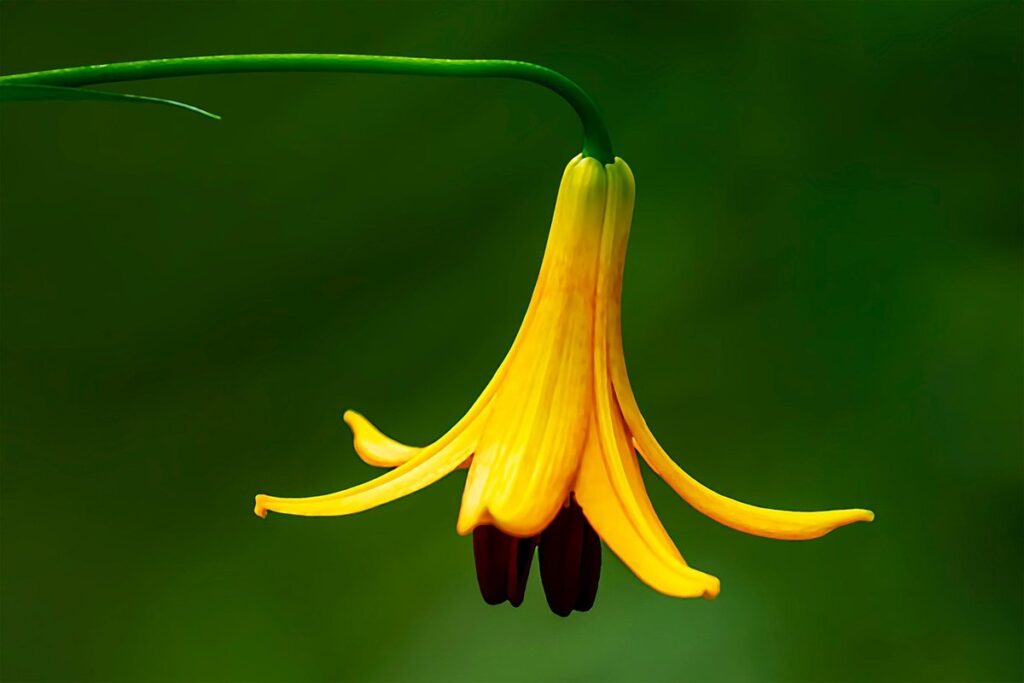
What are Native Wildflowers?
Native wildflowers are not just beautiful additions to our landscapes, but also play a vital role in supporting local ecosystems and preserving biodiversity. Let’s explore what makes them so special.
Definition and Importance of Native Wildflowers
Native wildflowers are those that have naturally evolved and grown within a specific region over thousands of years. They are an essential component of their ecosystems, providing food, shelter, and habitat for various wildlife species. These plants have adapted to the local climate, soil conditions, and natural disturbances, making them perfectly suited to thrive in their native habitats.
Their significance in maintaining ecosystem balance cannot be overstated. Native wildflowers play a crucial role in supporting biodiversity by offering resources that are tailored to the needs of specific animal populations. For instance, certain pollinators like bees and butterflies rely on native flowers for nectar and pollen, which are essential nutrients for their survival. By planting native species, gardeners can create havens for these vital creatures.
Moreover, native wildflowers help maintain soil health by introducing beneficial microorganisms that break down organic matter and promote nutrient cycling. This process has a profound impact on the overall ecosystem’s resilience to environmental stressors like droughts or floods. As we delve deeper into cultivating native wildflowers, it is essential to appreciate their intrinsic value as keystone species that underpin delicate ecological relationships.
Characteristics of Native Wildflowers
One of the most captivating aspects of native wildflowers is their unique ability to thrive in specific environments. Unlike non-native species, which can be aggressive and invasive, native wildflowers have adapted over time to the local climate and soil conditions. This means they’ve developed specialized traits that allow them to survive and flourish in areas where other plants might struggle.
For instance, some native wildflowers have deep taproots that enable them to access water deep beneath the surface, while others have waxy leaves or stems that conserve moisture during dry spells. These adaptations are crucial for their survival, especially in regions with unpredictable weather patterns or poor soil quality.
When cultivating native wildflowers, it’s essential to choose varieties that are well-suited to your region’s climate and soil type. This will not only ensure the plants’ success but also minimize maintenance requirements. By selecting species that have evolved alongside local conditions, you’ll create a low-maintenance yet visually stunning garden that requires less care and support.
Benefits of Planting Native Wildflowers
Planting native wildflowers in your garden can bring a multitude of benefits, from supporting local pollinators to adding vibrant color and texture to your outdoor space. Let’s explore these advantages further.
Ecosystem Services Provided by Native Wildflowers
Native wildflowers play a vital role in maintaining the balance of ecosystems. One of their most significant contributions is pollination. These flowers provide nectar and pollen for bees, butterflies, and other pollinators, allowing them to reproduce and maintain healthy populations. In fact, it’s estimated that one-third of all food produced globally relies on animal pollination, with native wildflowers being among the primary sources.
Native wildflowers also offer pest control services by attracting beneficial insects that prey on garden pests. For example, the black swallowtail butterfly caterpillar feeds exclusively on certain species of native wildflowers, making it an effective natural deterrent against aphids and other pests. Additionally, these flowers help cycle nutrients through ecosystems by providing a food source for microorganisms in soil.
By incorporating native wildflowers into your garden or landscape, you can create a more self-sustaining ecosystem that requires fewer external inputs. To maximize the pollination benefits, choose varieties with different bloom times to provide a constant source of nectar and pollen throughout the growing season.
Conservation Value of Native Wildflowers
Native wildflowers play a crucial role in conserving water, soil, and reducing erosion. When you plant native wildflowers, they create a self-sustaining ecosystem that requires minimal maintenance and care. These plants have evolved over time to thrive in their specific climate and soil conditions, making them highly adaptable.
One of the primary benefits of planting native wildflowers is their ability to conserve water. Native plants require less watering than non-native species because they’ve developed deep root systems that allow them to access moisture deep within the soil. This reduces the need for frequent irrigation, which can be especially beneficial in areas with limited water resources.
Native wildflowers also help reduce erosion by stabilizing the soil and preventing sediment runoff. Their extensive root systems hold soil particles together, preventing landslides and soil degradation. To maximize the conservation value of native wildflowers, choose a mix of species that are well-suited to your region’s climate and soil conditions. Plant them in areas with poor soil or where erosion is a concern. Regularly maintaining your native plant garden by removing invasive species and mulching will also help optimize their conservation benefits.
Choosing the Right Native Wildflowers
When it comes to selecting the perfect native wildflowers for your garden, it’s essential to consider factors like soil type, sunlight exposure, and local climate. This will ensure a successful bloom in no time.
Selecting Species Suitable for Your Region
When selecting native wildflower species for your region, it’s essential to consider the local climate, soil type, and microclimate. Different regions have unique conditions that can impact the growth and survival of native plants. For instance, coastal areas tend to be windy and saline, while mountainous regions are often cooler and drier.
To ensure you choose the right species for your area, research the specific needs of the wildflowers you’re interested in cultivating. Look for information on their hardiness zones, moisture requirements, and sun exposure preferences. Consult with local nurseries or gardening experts who have experience growing native plants in your region.
Some popular native wildflower species that thrive in different regions include:
* Black-eyed Susans (Rudbeckia hirta) for prairies and dry soils
* Purple Coneflowers (Echinacea purpurea) for the Midwest and Great Plains
* California Poppy (Eschscholzia californica) for coastal areas with mild winters
Remember to choose species that are suitable for your specific climate, soil type, and level of maintenance. This will ensure a successful and long-lasting native wildflower garden.
Considerations for Soil Type and Sunlight
When selecting native wildflowers for your garden or meadow, it’s essential to consider the soil type and sunlight requirements of each plant. Different species thrive in various conditions, so it’s crucial to choose flowers that match your environment.
For example, if you have heavy clay soils, look for plants like coneflowers (Echinacea spp.) and black-eyed Susans (Rudbeckia hirta), which can tolerate moist conditions and poor drainage. On the other hand, if you have sandy or dry soils, opt for drought-tolerant species such as prairie clover (Dalea purpurea) and bee balm (Monarda didyma).
Sunlight is another critical factor to consider. Some native wildflowers can thrive in full sun (six hours of direct sunlight), while others prefer partial shade (four hours of indirect sunlight). For instance, lupines (Lupinus spp.) and gentians (Gentiana spp.) often require more shade, especially in warmer climates.
When selecting plants based on soil type and sunlight, also think about the moisture levels. Some native wildflowers can tolerate wet conditions, while others prefer well-drained soils. Researching the specific needs of each species will help ensure their success and longevity in your garden or meadow.
Planting and Caring for Native Wildflowers
Now that you’ve learned about the importance of native wildflowers, it’s time to get your hands dirty and learn how to plant and care for these natural wonders in your own garden.
Preparing the Site for Planting
Before you can plant native wildflowers, it’s essential to prepare the site for optimal growth. This involves removing invasive species and tilling the soil to create a fertile environment.
Start by inspecting your site for invasive plants such as English ivy, buckthorn, or garlic mustard. These aggressive species can outcompete native wildflowers for water, nutrients, and light. Remove them by hand or with the help of herbicides, taking care to wear protective gear and follow local regulations. If the infestation is severe, consider hiring a professional to avoid spreading seeds further.
Once invasive species are under control, till the soil to a depth of 8-10 inches. This will loosen compacted earth, allowing roots to grow deeper and promoting healthy drainage. Mix in 2-3 inches of compost or well-rotted manure to enrich the soil with nutrients and beneficial microorganisms. Avoid over-tilling, as this can damage native plant roots and disrupt ecosystems.
Now your site is ready for planting!
Watering and Maintenance Requirements
When it comes to watering and maintaining native wildflowers, less is often more. Unlike domesticated flowers, these natural gems have adapted to thrive in their native habitats with minimal human intervention. Over-watering can be detrimental, as it can lead to weak roots, root rot, and other issues that make the plants vulnerable to pests and diseases.
As a general rule of thumb, water your native wildflowers once or twice a week during hot, dry spells, but not during periods of heavy rain. You can also mimic natural rainfall by watering deeply but infrequently, allowing the soil to dry out slightly between waterings. As for fertilizers, it’s best to avoid using them altogether. Native wildflowers have evolved to thrive in nutrient-poor soils and may be harmed by excessive fertilization.
Some examples of native wildflowers that require minimal maintenance include Lupine (Lupinus), Black-eyed Susan (Rudbeckia hirta), and Butterfly Milkweed (Asclepias tuberosa). To give your native wildflowers the best chance at success, choose a location with well-draining soil and plenty of sunlight. By following these simple guidelines, you’ll be well on your way to creating a thriving meadow that showcases these incredible natural gems.
Challenges and Solutions for Native Wildflower Conservation
As you work towards preserving these beautiful plants, it’s essential to be aware of the common challenges facing native wildflower conservation and explore practical solutions to overcome them. Let’s tackle these obstacles together!
Threats Facing Native Wildflower Populations
Native wildflower populations are facing numerous threats that can have devastating effects on their survival and abundance. One of the primary concerns is habitat destruction, which occurs when natural areas are converted into agricultural land, urban development, or other human-dominated landscapes. This loss of habitat not only reduces the availability of food, water, and shelter for native wildflowers but also fragments remaining populations, making it difficult for them to adapt and survive.
Climate change is another significant threat to native wildflower populations. Rising temperatures and changing precipitation patterns can disrupt their delicate life cycles, causing some species to bloom out of season or experience reduced growth rates. For example, a study in the western United States found that a warming climate has caused a 30% decline in the flowering period of the California poppy (Eschscholzia californica).
Invasive species are also a major concern, as they can outcompete native wildflowers for resources and habitat, leading to reduced population sizes. For instance, the yellow starthistle (Centaurea solstitialis) has invaded many natural areas in the western United States, crowding out native wildflowers like the purple sagebrush (Artemisia tridentata). To mitigate these threats, it’s essential for individuals and communities to take action, such as planting native species, creating habitat corridors, and supporting conservation efforts.
Strategies for Native Wildflower Restoration
Restoring native wildflower populations requires a thoughtful approach that considers the unique needs of these delicate plants. One effective strategy is seed collection, which involves gathering seeds from mature plants in their natural habitat. This method ensures that the seeds are adapted to local conditions and are more likely to thrive when replanted. However, it’s essential to collect seeds sustainably, taking only what is needed to avoid depleting the population.
Transplantation is another strategy for restoring native wildflowers. This involves digging up mature plants from one location and replanting them in a new area with similar conditions. Transplanting can be a successful method, especially if the recipient site has been prepared with suitable soil and moisture levels. To increase chances of success, it’s crucial to choose plants that are well-suited to the local climate and to avoid disturbing the roots as much as possible.
Engaging with your community is also vital for native wildflower restoration efforts. This can involve partnering with local organizations or schools to raise awareness about the importance of preserving these plants. By working together, individuals can share knowledge, skills, and resources to create a network of supporters who are passionate about protecting native wildflowers.
Frequently Asked Questions
How do I choose the right native wildflowers for my region?
When selecting native wildflowers, consider factors like climate, soil type, and sunlight requirements specific to your area. Research local nurseries or consult with experts to ensure you’re choosing species that will thrive in your environment.
What are some common challenges I may face when planting native wildflowers?
Be prepared for potential challenges like invasive species competition, drought tolerance, and limited water resources. To mitigate these issues, consider using mulch, implementing efficient irrigation systems, or partnering with local conservation groups to share best practices.
Can I plant native wildflowers in containers?
Yes, you can grow native wildflowers in containers, providing they are at least 12-18 inches deep to accommodate the plants’ root systems. Ensure proper drainage and use a well-draining potting mix specifically designed for native plants.
How long does it take for native wildflowers to establish themselves after planting?
The time it takes for native wildflowers to establish themselves can vary from several months to a few years, depending on factors like soil quality, moisture levels, and sunlight exposure. Be patient and provide proper care during the initial growing season to support successful establishment.
Are there any specific considerations I should keep in mind when restoring native wildflower populations?
Yes, consider conducting site assessments to identify potential threats or limitations, such as invasive species, poor soil health, or lack of pollinators. Develop a restoration plan tailored to your specific site conditions and collaborate with local experts to ensure successful outcomes.