
When it comes to growing delicious and healthy cucumbers, many gardeners overlook one crucial aspect: companion planting. By strategically pairing cucumbers with other plants, you can create a thriving ecosystem that improves soil health, enhances pest control, and even boosts the flavor of your prized cucumbers. But what are the best companion plants for cucumbers, and how do they work their magic? In this article, we’ll explore clever strategies to maximize your cucumber harvest while minimizing pests and diseases. We’ll cover everything from classic pairings like dill and nasturtiums to lesser-known options like calendula and chamomile. By the end of this post, you’ll have the knowledge to create a balanced and productive garden that yields juicy, flavorful cucumbers all season long.
Benefits of Companion Planting with Cucumbers
Discover how certain plants can enhance your cucumber crop’s health, growth, and flavor, making it easier to achieve a bountiful harvest. We’ll explore the top benefits of companion planting with cucumbers!
Improving Soil Health and Fertility
When it comes to improving soil health and fertility, companion plants like marigolds, nasturtiums, and calendula are invaluable assets in the garden. These plants have unique characteristics that make them effective at enhancing soil conditions without the need for synthetic fertilizers or amendments.
Marigolds, for instance, have deep taproots that allow them to access nutrients deep within the soil profile. As they grow, these roots bring up minerals and nutrients that are made available to other nearby plants, including cucumbers. By incorporating marigolds into your cucumber crop, you can enjoy improved soil structure, increased nutrient availability, and enhanced microbial activity.
Nasturtiums and calendula also contribute to improved soil health through their ability to repel pests and diseases that target cucumbers. These plants release chemicals that deter nematodes, whiteflies, and other pests from infesting the area, reducing the need for chemical pesticides. By creating a balanced ecosystem with these companion plants, you can enjoy healthier, more resilient cucumber crops and improved soil fertility over time.
As a general rule, plant marigolds around the perimeter of your cucumber bed to maximize their beneficial effects on soil health. By doing so, you’ll create a thriving micro-ecosystem that will improve nutrient availability, repel pests, and leave your cucumbers stronger and more resilient.
Enhancing Pest Control and Repellence
When it comes to companion planting with cucumbers, certain plants have proven to be effective in deterring common pests like aphids, whiteflies, and spider mites. Take basil, for example. This fragrant herb has natural oils that repel these unwanted visitors, keeping them from ruining your cucumber harvest. Simply plant a few sprigs of basil nearby, and you’ll likely see a decrease in aphid infestations.
Other herbs like mint and lemongrass also possess potent pest-repelling properties. Mint’s strong scent is particularly effective against whiteflies, which can spread diseases to cucumbers. To make the most of this benefit, try placing a small pot of mint near your cucumber plants. Lemongrass, on the other hand, repels spider mites and aphids alike with its citrusy aroma.
When using these herbs as pest deterrents, remember that their effectiveness may vary depending on the specific type and concentration of essential oils they release. For optimal results, choose fresh, fragrant herbs and plant them in proximity to your cucumbers, ideally within a few feet.
Top Companion Plants for Cucumbers
Let’s take a closer look at some of our favorite companion plants that will enhance your cucumber harvest and make gardening easier, too!
Marigolds: Natural Pesticide and Soil Enricher
Growing marigolds alongside cucumbers is a simple yet effective way to promote a healthy and balanced garden ecosystem. These bright, cheerful flowers have a reputation for repelling nematodes, microscopic worms that can harm cucumber plants and reduce their yield. By planting marigolds near your cucumbers, you can significantly decrease the risk of nematode infestation and protect your crop.
But marigolds aren’t just a one-trick pony – they also attract beneficial insects to your garden. These flowers are particularly attractive to ladybugs and lacewings, both of which feed on aphids and other pests that might target cucumbers. This means you can enjoy the benefits of integrated pest management without relying on chemical pesticides.
To get the most out of this companion planting strategy, plant marigolds around the perimeter of your cucumber bed or intersperse them among the plants themselves. This will give beneficial insects ample opportunities to forage and help control pests naturally. With their vibrant blooms and strong scent, marigolds are a natural addition to any garden – and an excellent choice for growing alongside cucumbers.
Basil: Aromatic Pest Repellent
When it comes to companion planting for cucumbers, one of the most effective and aromatic options is basil. This popular herb not only adds flavor to a variety of dishes but also acts as a natural pest repellent, keeping aphids and mites at bay.
Basil’s strong scent is its greatest asset when it comes to deterring pests. The essential oils present in basil leaves, particularly linalool and eugenol, are known for their insect-repelling properties. These compounds are released into the air as the plant grows, creating a barrier around your cucumber plants that pests find difficult to cross.
To maximize the pest-repelling benefits of basil near your cucumbers, be sure to plant them close together. A general rule of thumb is to pair one part basil with three parts cucumber. This will allow the basil’s fragrance to waft over the surrounding area, creating a protective zone for your plants. By incorporating basil into your companion planting scheme, you can enjoy a healthier and more resilient crop of cucumbers, all while adding a fresh burst of flavor to your cooking.
Companion Plants for Specific Cucumber Varieties
When growing a specific type of cucumber, choosing the right companion plants can make all the difference. Let’s explore some expert-recommended pairings tailored to popular varieties like slicing and pickling cucumbers.
For English Cucumbers: Lettuce, Radish, and Chervil
When growing English cucumbers, it’s essential to choose companion plants that complement their growth and help prevent common pests. Lettuce is an excellent choice for several reasons: its broad leaves provide shade to the soil, reducing moisture loss and keeping the roots cool. This helps prevent scorching and promotes healthy root development.
Radish is another beneficial companion plant for English cucumbers. Its strong scent repels cucumber beetles, which can spread bacterial wilt and other diseases. By planting radish near your English cucumbers, you’ll reduce the risk of infestation and protect your crop from potential damage.
You can also consider chervil as a companion plant for English cucumbers. Chervil’s delicate leaves don’t compete with the cucumber plants for resources, and its growth doesn’t overshadow them. Plus, it adds an attractive, lacy texture to the garden bed. Simply sow chervil seeds near your English cucumber vines, about 1-2 inches away from the base of each plant.
By planting these companion species together, you’ll create a balanced and harmonious growing environment that benefits both the cucumbers and other plants in the bed.
For Slicing Cucumbers: Dill, Oregano, and Thyme
When it comes to slicing cucumbers, you’ll want to consider planting dill, oregano, and thyme as companion plants. These herbs not only add fresh flavor to your cucumber dishes but also provide a range of benefits that can improve the health and yield of your slicing cucumbers.
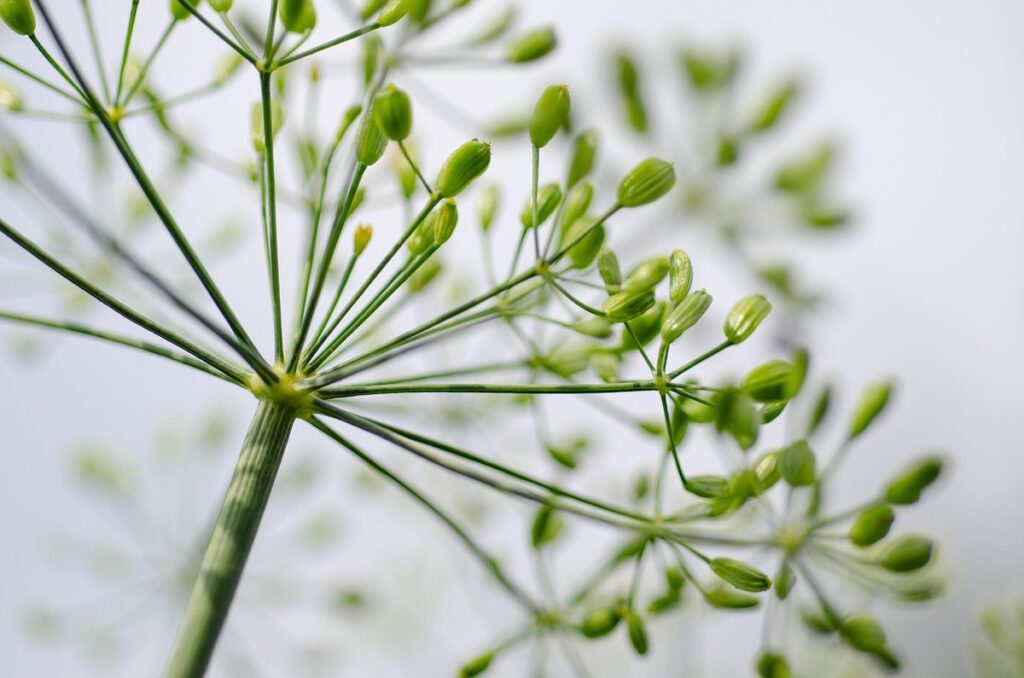
Dill’s tall growth habit is particularly useful when paired with slicing cucumbers, as it provides natural shade for the developing fruit. This can help prevent over-ripening and reduce the risk of sunscald, which can cause white or yellow patches on the cucumber skin. By interspersing dill plants among your slicing cucumber rows, you’ll not only get a bountiful harvest but also enjoy the added bonus of fresh dill fronds for snacking or cooking.
Oregano and thyme are both natural pest repellents that can help keep common cucumber pests like spider mites and aphids at bay. These tiny insects can cause significant damage to your slicing cucumbers, so it’s essential to have a robust defense strategy in place. Planting oregano and thyme around the perimeter of your cucumber bed will create a barrier against these unwanted visitors, ensuring that your plants stay healthy and strong throughout the growing season.
Using Companion Planting to Enhance Cucumber Flavor and Nutrition
When it comes to growing cucumbers, pairing them with the right companion plants can elevate their flavor and nutritional value. We’ll explore these beneficial pairings in more detail below.
How Certain Plants Can Improve Cucumber Taste and Nutrients
When it comes to cultivating delicious and nutritious cucumbers, companion planting can play a significant role. Certain plants, when grown alongside cucumbers, can enhance their flavor and nutrient content. One such plant is comfrey, known for its ability to enrich the soil with essential nutrients.
Comfrey’s deep taproots allow it to absorb minerals from deeper soil layers, which are then released back into the soil through its leaves. This process, called “nutrient cycling,” benefits cucumbers growing nearby by providing them with a boost of vitamins and minerals. Regularly adding comfrey leaves to your compost pile can also help to create a nutrient-rich mulch that benefits cucumbers.
When combining cucumbers with comfrey in your garden, keep in mind that comfrey can grow quite tall, so provide support for it if needed. This will allow the comfrey to focus its energy on absorbing and cycling nutrients rather than competing with cucumbers for light and resources. By harnessing comfrey’s nutrient-boosting abilities, you can enjoy more flavorful and nutritious cucumbers in your garden.
Tips for Growing Companion Plants with Cucumbers
When it comes to growing companion plants with cucumbers, there are several strategies you can employ to create a harmonious and thriving garden. One of the simplest ways to incorporate companion planting is by interplanting smaller varieties among larger ones. For example, dill is a natural pest repellent that pairs well with cucumbers. By planting dill seeds around the base of your cucumber plants, you can deter aphids and other pests from damaging your crop.
Another effective technique is to plant marigolds alongside your cucumbers. These bright flowers repel nematodes, which can harm your cucumber plants’ roots. Simply sow marigold seeds in the gaps between your cucumber plants or around the perimeter of your bed. As an added bonus, marigolds also attract beneficial insects that prey on common cucumber pests.
Remember to leave enough space for proper growth and air circulation when interplanting companion species. A general rule of thumb is to plant companion plants at least 6-8 inches away from the base of your cucumbers. This will allow for easy harvesting and prevent overcrowding, which can lead to disease and pest issues in your garden.
Troubleshooting Common Challenges with Companion Planting
Sometimes things don’t go as planned when companion planting, and pests or diseases can still sneak up on your cucumber plants. We’ll walk you through common challenges to get back on track.
Dealing with Overcrowding and Competition
Overcrowding and competition between companion plants and cucumbers can be detrimental to their growth and health. To maintain a balanced ecosystem, it’s essential to understand the needs of each plant and ensure they have enough space to thrive.
When planting multiple companion plants together with cucumbers, avoid over-crowding by leaving about 12-18 inches between each plant. This allows for proper air circulation, reduces the risk of disease, and prevents competition for water and nutrients.
For example, basil and mint are popular companion plants for cucumbers, but they can grow quite rapidly and spread beyond their designated space. To prevent overcrowding, consider growing them in containers or pruning them regularly to maintain a manageable size. Similarly, avoid planting tall varieties like sunflowers near cucumbers, as their large leaves may shade the cucumbers and inhibit growth.
To mitigate competition between companion plants and cucumbers, prioritize plant selection based on complementing growth habits and nutritional needs. Consider planting nitrogen-fixing legumes, like beans or peas, to supplement the soil’s nutrient levels, reducing the need for synthetic fertilizers and promoting a balanced ecosystem.
Managing Pests and Diseases in Companion-Planted Cucumbers
When companion planting cucumbers with other vegetables and herbs, it’s not uncommon to encounter pest and disease issues. These problems can arise due to the close proximity of plants, which can spread diseases and attract pests. To manage these challenges effectively, consider implementing physical barriers and organic pest control methods.
Physical barriers can be an effective way to prevent pests from reaching your cucumbers. For example, fine-mesh screens or fine-netted row covers can keep whiteflies, aphids, and other flying insects away. Similarly, a 3-foot tall copper barrier can deter slugs and snails by disrupting their natural navigation system.
Organic pest control methods are also a great option for companion-planted cucumbers. Neem oil, for instance, is a natural insecticide that can be used to control various pests, including cucumber beetles. Encourage beneficial insects like ladybugs and lacewings, which feed on aphids and other pests, by planting nectar-rich flowers nearby.
Regularly inspect your plants for signs of disease or pest infestations, and take action promptly if you notice any issues. Keeping your companion-planted cucumbers healthy and thriving requires a proactive approach to managing potential problems.
Frequently Asked Questions
What is the ideal companion planting ratio for cucumbers?
The ideal companion planting ratio varies depending on the specific plants you’re pairing, but a general rule of thumb is to plant companion plants at a rate of 1:3 or 1:4 (one part companion plant to three or four parts cucumber). This allows the companion plant to thrive while still providing adequate space for your cucumbers.
How do I prevent overcrowding in my companion-planted cucumbers?
To prevent overcrowding, make sure to leave enough space between plants for air circulation and sunlight penetration. For example, if you’re planting dill with slicing cucumbers, plant the dill at a distance of about 12-18 inches from the cucumber vines.
Can I use companion planting with grafted or hybrid cucumber varieties?
Yes, companion planting can be used with grafted or hybrid cucumber varieties, but it’s essential to research which specific plants will complement their unique characteristics. Grafted and hybrid cucumbers may have different growth habits or pest resistances that require tailored companion plant pairings.
How often should I water my companion-planted cucumbers?
Water your companion-planted cucumbers regularly, providing about 1-2 inches of water per week. Make sure to avoid overwatering, which can lead to root rot and other problems in the garden.
Can I use companion planting as a standalone pest control method?
While companion plants can be effective at repelling pests, they should not be relied upon as the sole means of pest control. Companion planting is most successful when used in conjunction with integrated pest management (IPM) strategies that include crop rotation, physical barriers, and targeted chemical controls when necessary.