
When it comes to creating perfectly preserved pickles at home, choosing the right cucumber variety is crucial. Not all cucumbers are created equal when it comes to pickling, and some varieties will yield better results than others. But with so many options available, it can be overwhelming to know where to start.
In this guide, we’ll walk you through the ideal cucumber varieties for pickling, including popular options like Kirby and Pickling. We’ll also cover growing conditions, soil requirements, and tips for selecting the perfect cucumbers for your pickling needs. Additionally, we’ll touch on the health benefits of cucumbers and provide expert advice on how to create perfectly preserved pickles at home. Whether you’re a seasoned gardener or just starting out, this comprehensive guide will have you well on your way to creating delicious homemade pickles in no time!
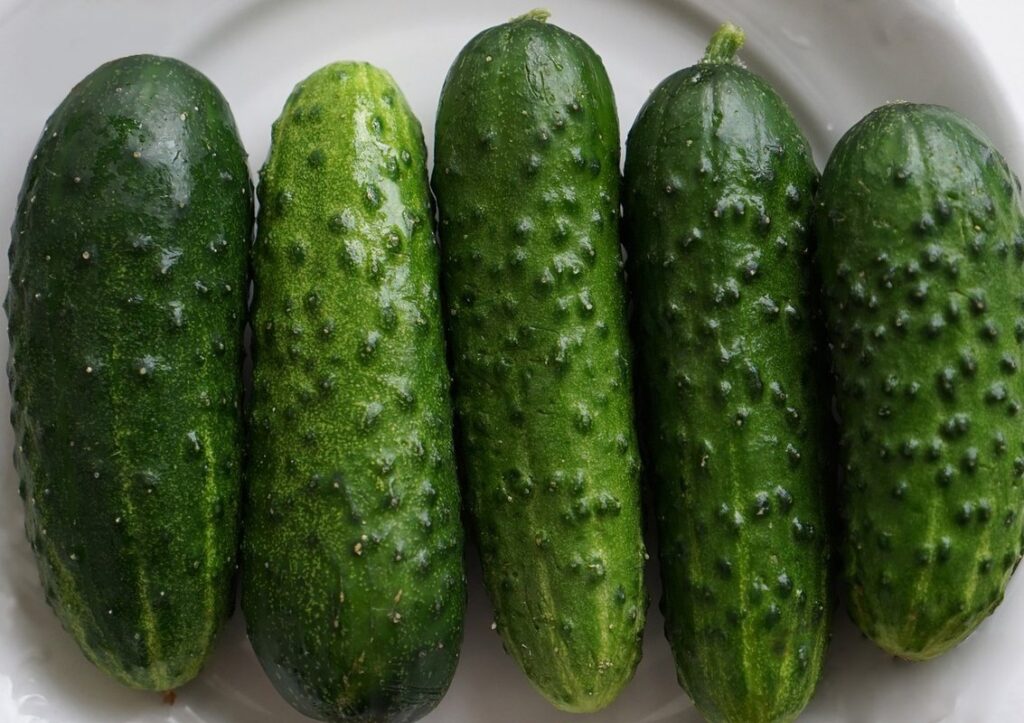
Choosing the Right Variety
With so many cucumber varieties out there, you’re probably wondering which ones are best for pickling. In this section, we’ll walk you through the top picks for pickle-friendly cucumbers.
Understanding the Characteristics of Pickling Cucumbers
When selecting the perfect pickling cucumbers, it’s essential to understand their key characteristics. The ideal variety should be specifically bred for pickling, and its physical attributes play a significant role in determining its suitability.
In terms of size, pickling cucumbers are usually smaller than slicing or English varieties, typically measuring between 6-8 inches (15-20 cm) in length. This compact size allows them to be easily packed into jars without becoming too crowded. Their shape is also more elongated and slender, making them ideal for snappy presentation.
The skin of pickling cucumbers should be thin and tender, allowing for a clean and even pickle solution to penetrate the flesh evenly. A thicker skin can lead to an unappealing texture in the finished product.
When it comes to flavor profile, pickling cucumbers are typically more acidic and less sweet than other varieties. This characteristic helps balance out the vinegar or brine used in the pickling process. Look for varieties with a high acidity level (around pH 4.5-5.0) to ensure they hold their shape well during the pickling process.
Popular Pickling Cucumber Varieties for Home Use
When it comes to pickling cucumbers at home, having the right variety can make all the difference. Among the many options available, some popular pickling cucumber varieties suitable for home use are ‘Kirby’, ‘Sour Pickling’, and ‘Dill Pickling’.
‘Kirby’ cucumbers are a favorite among picklers due to their small size, tender skin, and high acidity level, making them perfect for traditional dill pickles. With an average length of 4-5 inches and a diameter of about 1 inch, they’re easy to pack into jars and can be pickled in just a few days.
‘Sour Pickling’ cucumbers, on the other hand, have a more elongated shape and are typically used for making sauerkraut-style pickles. They have a thicker skin than ‘Kirby’ cucumbers but still retain their crunchiness after pickling.
‘Dill Pickling’ cucumbers are another popular choice, with their long, slender shape and dark green color making them ideal for classic dill pickle recipes. With proper care and handling, these cucumbers can be pickled in a matter of days and will have you enjoying fresh pickles in no time.
For home use, consider growing or purchasing one or more of these popular varieties to ensure the best results with your pickling endeavors.
Growing Conditions for Pickling Cucumbers
To grow delicious pickling cucumbers, you’ll want to focus on providing them with warm temperatures and consistent moisture levels in your garden. This section covers essential growing conditions for optimal results.
Soil Requirements for Optimal Growth
When it comes to growing pickling cucumbers, understanding their specific soil requirements is crucial for optimal growth. The ideal pH level for cucumbers is between 6.0 and 6.8, which falls within the slightly acidic to neutral range. However, if your soil’s pH level is significantly different from this range, it may lead to nutrient deficiencies or toxicity issues.
To ensure your pickling cucumbers receive the necessary nutrients, aim for a balanced fertilizer application with a mix of nitrogen (N), phosphorus (P), and potassium (K). Nitrogen promotes leaf growth and development, while phosphorus encourages root development and fruiting. Potassium helps maintain overall plant health and resistance to diseases.
In addition to pH levels and nutrient requirements, other essential factors include adequate water supply, well-draining soil, and sufficient sunlight. Aim for at least six hours of direct sunlight per day and ensure your soil drains excess water quickly to prevent root rot and fungal diseases. By meeting these specific soil requirements, you’ll be well on your way to growing healthy, productive pickling cucumbers that meet your desired standards.
Climate and Weather Considerations
When growing pickling cucumbers, it’s essential to consider the climate and weather conditions that can impact their growth. Temperature fluctuations can significantly affect the development of cucumbers, with ideal temperatures ranging from 65°F to 75°F (18°C to 24°C). Temperatures above 80°F (27°C) can lead to bitter flavor and reduced yields, while temperatures below 55°F (13°C) can cause damage or stunted growth.
Moisture levels also play a crucial role in cucumber growth. Consistent moisture is necessary for healthy development, but overwatering can lead to fungal diseases such as powdery mildew. In areas with high humidity, it’s essential to ensure good air circulation around the plants to prevent disease. In regions with low humidity, you may need to provide supplemental irrigation to maintain optimal moisture levels.
In areas with extreme temperature fluctuations or moisture stress, choosing a cucumber variety that is resistant to these conditions can be beneficial. Look for varieties such as ‘Dill Pickling’ or ‘Sour Pickling’, which are bred specifically for their tolerance to heat and drought. By understanding the specific climate and weather conditions in your area and selecting the right variety, you can ensure optimal growth and a bountiful harvest of pickling cucumbers.
Preparing Cucumbers for Pickling
Before you start pickling, it’s essential to prepare your cucumbers properly to ensure they turn out tangy and delicious. In this next step, we’ll cover how to slice, salt, and clean them for optimal results.
Harvesting at the Right Time
When it comes to harvesting cucumbers for pickling, timing is everything. You want to pick them at the right moment to ensure optimal flavor and texture. The ideal time to harvest pickling cucumbers is when they are 6-8 inches long and have a tender skin that’s still slightly flexible.
If you wait too long, the cucumbers will become overripe and develop seeds, which can make them less desirable for pickling. On the other hand, if you pick them too soon, they may be too small and lacking in flavor. To determine when your cucumbers are ready to harvest, gently grasp one of the fruits and twist it back and forth. If it comes off easily, it’s likely ready.
When selecting cucumbers for pickling, look for those with a dark green color and a slightly glossy appearance. Avoid any with soft spots or signs of disease. It’s also essential to choose cucumbers that are similar in size and shape, as this will help ensure consistent results in your pickling process.
Treating and Storing Cucumbers
Properly treating and storing cucumbers before pickling is crucial to ensure they remain fresh and develop that perfect tangy flavor. To start, it’s essential to wash the cucumbers thoroughly to remove dirt, bacteria, and other impurities. Use a vegetable brush to gently scrub the skin, and then rinse them under cold running water.
Once clean, you can slice or leave the cucumbers whole, depending on your desired pickling style. Slicing will help them absorb the pickling brine more evenly, but be sure not to cut too thin as this can cause them to become mushy during the pickling process.
To preserve the cucumbers and prevent spoilage, store them in a cool, dry place until you’re ready to pickle them. You can also keep them refrigerated for up to 24 hours before pickling. If not using immediately, it’s best to store them in an airtight container with a paper towel or cloth to maintain humidity.
When storing sliced cucumbers, be sure to pat them dry thoroughly with paper towels to prevent excess moisture from affecting the brine. This simple step will help ensure that your pickled cucumbers turn out crunchy and delicious, rather than soggy and unappetizing.
Pickling Techniques and Recipes
Now that you’ve chosen the perfect pickling cucumbers, it’s time to learn how to transform them into tangy, delicious treats using various pickling techniques. We’ll walk you through our favorite methods and recipes.
Traditional Methods for Making Pickles
When it comes to traditional pickling methods, vinegar-based brines and sugar syrups are still the gold standard for preserving cucumbers. The most classic recipe involves creating a brine by dissolving salt and sometimes sugar into water, then adding white vinegar or other types of vinegar like apple cider or white wine. This acidic solution is essential for creating an environment that inhibits bacterial growth and allows for the preservation of the cucumber’s crunch.
A traditional dill pickle recipe typically includes 1 cup of white vinegar per 1 quart of brine, along with 1/4 cup of pickling salt and 2 tbsp of dried dill weed. For sweet pickles, you’ll replace some or all of the vinegar with sugar syrup, created by dissolving 2 cups of granulated sugar into 1 cup of water.
To make these classic recipes, start by preparing your brine according to the recipe, then pack your cucumbers into a clean glass jar or container. Pour the brine over the cucumbers, making sure they’re completely submerged, and seal the jar tightly. Let it sit in the refrigerator for at least 24 hours before serving.
Creative Variations on Classic Pickling Recipes
While cucumbers are the most popular choice for pickling, many other vegetables and ingredients can be transformed into delicious pickled creations. For a refreshing twist on traditional pickling recipes, consider experimenting with pickled green tomatoes, carrots, or even eggs.
Pickled green tomatoes, also known as “bread and butter” pickles, are a Southern favorite. To make them, slice unripe green tomatoes thin and soak them in a mixture of vinegar, sugar, salt, and spices. This sweet and tangy combination is perfect for topping burgers or sandwiches. You can also add a few cloves of garlic or some fresh dill to give it an extra boost of flavor.
Pickled carrots are another creative variation on classic pickling recipes. Slice carrots thinly and soak them in a mixture of vinegar, sugar, and spices. You can also add some grated ginger or chili flakes for added depth of flavor. Pickled eggs, made by soaking boiled eggs in a spiced vinegar solution, are a popular snack at many picnics and barbecues.
When experimenting with new pickling recipes, remember to use the same basic principles as traditional pickling: acidity, sweetness, and spices. Feel free to get creative and adjust the proportions of these elements to suit your taste preferences.
Health Benefits of Cucumbers
While we’re excited about the variety of cucumbers perfect for pickling, it’s also essential to highlight their numerous health benefits that make them a great addition to your diet. Let’s explore the advantages of incorporating cucumbers into your daily routine.
Nutritional Value of Cucumbers
Cucumbers are an excellent addition to a pickling recipe not only because of their unique flavor and versatility but also due to their impressive nutritional profile. One of the most significant advantages of cucumbers is their high water content, which can range from 96% for English cucumbers to about 95% for slicing varieties. This high moisture level makes them an excellent choice for weight management as they are very low in calories. In fact, a single cup of sliced cucumber contains only about six calories.
In addition to their low calorie count, cucumbers are also rich in antioxidants such as fisetin, kaempferol, and lariciresinol, which have been shown to possess anti-inflammatory properties. These compounds may help protect against cell damage, reduce the risk of chronic diseases like heart disease and certain cancers, and support immune function.
Eating cucumbers is a great way to hydrate while also getting essential nutrients like potassium and vitamin K. For pickling enthusiasts, incorporating cucumber slices into your recipe can add not only flavor but also nutritional benefits.
Potential Health Risks Associated with Pickling
While cucumbers are incredibly nutritious and offer numerous health benefits when consumed raw, pickling can introduce some potential health risks. One of the primary concerns is sodium intake. Pickled foods often contain high amounts of added salt to enhance flavor and preserve the vegetables. Consuming excessive sodium can lead to high blood pressure, heart disease, and stroke. It’s essential to note that even if you’re using a low-sodium pickling liquid or reducing the amount of added salt, the natural fermentation process still introduces some sodium.
Acidity levels in pickled cucumbers are another consideration. While a bit of acidity can be beneficial for digestion, excessive acidity can lead to heartburn and other gastrointestinal issues. Moreover, if not stored properly, pickled foods can create an environment conducive to the growth of bacteria like Botulism. This is particularly concerning when it comes to homemade pickles that haven’t been processed using proper canning techniques.
To minimize these risks, choose pickling liquids with reduced sodium content and follow safe canning practices to avoid contamination. Regularly monitoring acidity levels by tasting your pickles can also help you adjust the seasoning accordingly. Furthermore, consuming pickled cucumbers in moderation is a good idea to balance their nutritional benefits against potential drawbacks.
Conclusion
Now that you’ve explored the various cucumber varieties suitable for pickling, it’s time to summarize the key takeaways. Remember, the choice of variety ultimately depends on your personal preference and the specific taste profile you’re aiming for. Don’t be afraid to experiment with different types to find the one that suits your needs best. For instance, if you prefer a tangy and crunchy dill pickle, Suyo or Kirby cucumbers might be an excellent choice. On the other hand, if you like a sweeter pickle, English or Hothouse varieties could be more up your alley. Take note of the differences in growing conditions and storage requirements for each variety to ensure you’re prepared to care for them properly. By considering these factors, you’ll be well on your way to creating delicious pickles that showcase your preferred cucumber variety’s unique characteristics.
Frequently Asked Questions
Can I grow pickling cucumbers from seeds or do they need to be purchased as seedlings?
Yes, you can grow pickling cucumbers from seeds if you have experience with direct sowing and want more control over the variety. However, purchasing seedlings from a reputable nursery can provide better results for beginners, especially when it comes to disease resistance and uniform growth.
How long does it take to harvest pickling cucumbers after planting?
The time frame varies depending on factors like climate, soil quality, and specific variety. Generally, you can expect pickling cucumbers to be ready for harvest in 50-70 days from sowing seeds directly or about 30-40 days if grown as seedlings.
What’s the ideal temperature range for growing pickling cucumbers?
Pickling cucumbers thrive in temperatures between 65°F (18°C) and 85°F (29°C). Avoid exposing them to extreme temperatures, which can cause damage or affect yields. Ensure your garden receives partial shade to protect against scorching heat.
Can I use a combination of pickling cucumber varieties for making different types of pickles?
Yes, using multiple varieties can provide you with an array of flavors and textures in your homemade pickles. However, be aware that some combinations may require adjustments in brine or spice levels to achieve the best results.
How do I prevent over-pickling of cucumbers, which can lead to spoilage?
Over-picking is common when you’re excited about harvesting your cucumbers! To avoid this, consider setting aside a few plants as “sacrificial” ones and let them grow longer. This will give you an idea of the optimal harvest size for each variety without affecting your main crop’s yield.