
Are you tired of harvesting just one batch of cucumbers only to have the plants decline soon after? This is where succession planting comes in – a clever technique that ensures a continuous supply of fresh cucumbers all season long. By sowing cucumber seeds at regular intervals, you can enjoy a steady harvest without having to replant your entire garden every time.
In this article, we’ll share expert tips on how to plant cucumbers in succession for maximum yield. We’ll cover the best times to sow, how to space and care for your plants, as well as common issues to watch out for – like pests, diseases, and nutrient deficiencies. With these insider secrets, you’ll be able to enjoy a bountiful harvest of crunchy, refreshing cucumbers all summer long.
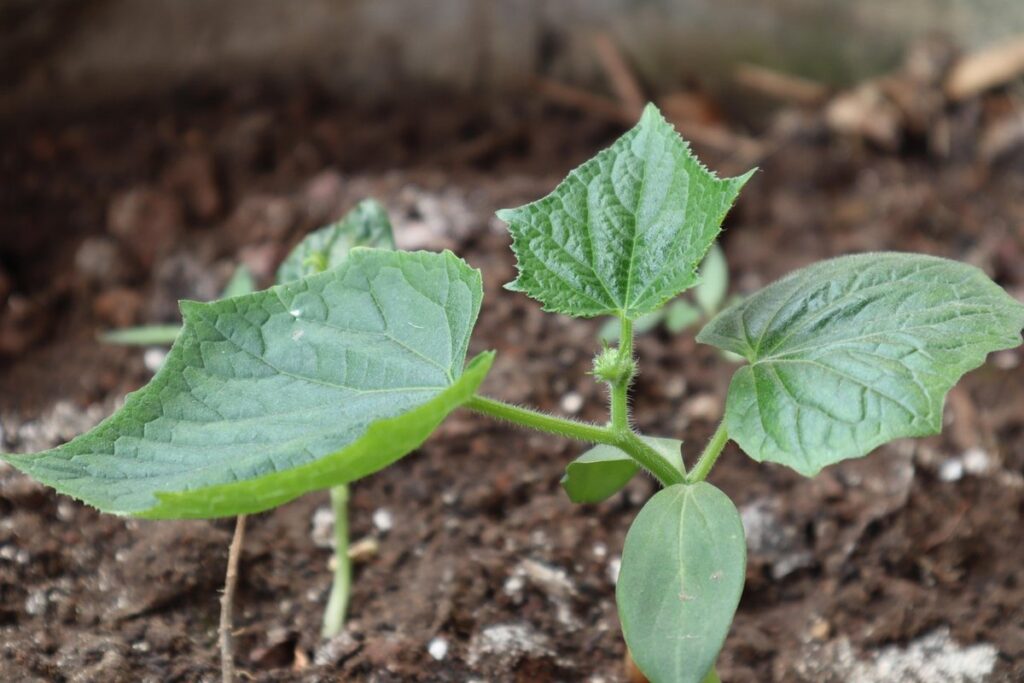
Understanding Cucumber Succession Planting
To successfully plant cucumbers one after another, you need to understand the ideal timing and spacing between each batch for a continuous harvest. Let’s dive into this essential concept now!
What is Succession Planting?
Succession planting is a technique that allows for continuous harvesting of cucumbers throughout the growing season. Essentially, it involves planting new batches of cucumber seeds every 1-2 weeks to replace matured plants and ensure a steady supply of fresh produce. This method is particularly beneficial in warm weather regions where cucumbers have a long growing season.
By implementing succession planting, you can enjoy a continuous harvest of cucumbers from early spring to late fall. This approach helps to prevent the entire crop from ripening at once, reducing the risk of overproduction and allowing for a more balanced yield. Moreover, it enables you to pick cucumbers at their optimal size, ensuring maximum flavor and texture.
To get started with succession planting, choose a variety that is suitable for continuous production and has a shorter maturation period. Then, plan your planting schedule accordingly, spacing new seedlings about 1-2 feet away from each other to allow for adequate air circulation and sunlight penetration. With this simple yet effective technique, you’ll be able to enjoy an extended harvest of crunchy, delicious cucumbers all season long.
Why Choose Cucumber Succession Planting?
When it comes to cucumber succession planting, there are several compelling reasons why you should consider adopting this approach for your garden. One of the most significant advantages is that it allows for increased yields, as multiple crops can be grown on the same patch of land throughout the growing season.
This method also offers improved crop rotation benefits. By staggering the sowing dates and harvesting periods of successive cucumber plantings, you reduce the likelihood of pests and diseases building up in the soil over time. This is particularly important for cucumbers, which are susceptible to fungal diseases that thrive in moist environments.
Additionally, succession planting minimizes waste by allowing for continuous harvests from a single crop cycle. Instead of waiting weeks between successive plantings, you can start enjoying fresh cucumbers within as little as 7-10 days after the previous batch has been harvested. This means that you’ll get more bang for your buck and enjoy a longer window for harvesting these delicious summer vegetables.
Key Factors to Consider Before Starting
Before diving into succession planting for cucumbers, it’s crucial to consider several key factors. Climate is one of the most significant considerations, as cucumbers thrive in warm temperatures between 60°F and 90°F (15°C and 32°C). If you live in an area with a short growing season or experience frequent frosts, plan your succession planting accordingly.
Another essential factor to consider is available space. Cucumbers are vining plants that require at least 3-4 square feet of dedicated space per plant. Ensure you have sufficient room for multiple plants, as well as pathways for easy access and maintenance. Keep in mind that cucumbers can spread quite extensively, so don’t overcrowd your garden.
Finally, think about the time constraints involved with succession planting. Plan ahead by scheduling your plantings to coincide with optimal growing conditions. In areas with a long growing season, you may be able to plant every 7-10 days for continuous production. In cooler climates or during periods of unpredictable weather, it’s best to space out your plantings more generously.
Consider these factors carefully before embarking on your cucumber succession planting journey to ensure a bountiful harvest and minimal hassle.
Planning Your Cucumber Succession Crop
To plan a successful cucumber succession crop, you’ll want to choose the right varieties and sow them at intervals that allow for continuous harvesting. This involves timing and flexibility!
Determining the Optimal Sowing Schedule
When planning your cucumber succession crop, determining the optimal sowing schedule is crucial to ensure a continuous harvest throughout the growing season. Cucumbers have a relatively fast growth rate, typically taking around 50-60 days from sowing to harvest. This rapid production means they can be replanted every week or two to maintain a steady supply of fresh produce.
To determine your ideal sowing schedule, consider the following factors: the length of your growing season, the desired frequency of harvests, and the time it takes for the plants to mature. A general rule of thumb is to sow cucumber seeds 2-3 times a month during peak season. This allows for at least two harvests per planting cycle.
Keep in mind that sowing too frequently can lead to overcrowding and reduced yields. In regions with long growing seasons, you may be able to get away with sowing every week. Conversely, in shorter-season areas, it’s best to sow every 10-14 days.
Choosing the Right Variety for Succession Planting
When it comes to succession planting cucumbers, selecting the right variety is crucial for success. Not all cucumber varieties are created equal when it comes to continuous production and disease resistance. To ensure a bountiful harvest throughout the growing season, choose a variety that excels in these areas.
Consider the maturation period of each variety. Some cucumber varieties mature quickly, within 50-60 days, while others can take up to 70 days or more. If you’re planning for succession planting, opt for varieties with shorter maturation periods. This will allow you to harvest and replant regularly, maximizing your yields.
Disease resistance is also a top priority when selecting cucumber varieties for succession planting. Look for varieties resistant to common diseases such as powdery mildew, angular leaf spot, and scab. Some popular disease-resistant varieties include ‘Marketmore’, ‘Sour Pickling’, and ‘Tasty Green’. By choosing the right variety, you’ll be able to maintain a healthy crop throughout the growing season and enjoy a continuous supply of fresh cucumbers.
Preparing the Soil and Climate for Succession Planting
Before planting your next succession crop of cucumbers, it’s essential to prepare the soil and climate conditions for optimal growth. Start by checking the pH level of your soil. Cucumbers prefer a slightly acidic to neutral soil pH, ranging from 6.0 to 7.0. If your soil is too alkaline or acidic, amend it with lime or sulfur to adjust the pH.
Next, ensure that the soil has adequate moisture levels. Cucumbers need consistent moisture, especially when they’re producing fruit. Aim for about an inch of water per week, either from rainfall or irrigation. Mulching around the plants can help retain moisture and suppress weeds.
Temperature control is also crucial. Cucumbers thrive in warm temperatures between 65°F to 95°F (18°C to 35°C). Avoid planting in areas with standing water or where water tends to collect, as this can lead to fungal diseases. By preparing your soil and climate conditions properly, you’ll set the stage for a successful succession crop of cucumbers that will provide a bountiful harvest.
Sowing and Caring for Your Cucumber Succession Crop
Now that you’ve learned how to plan your succession crop, it’s time to get started on sowing those cucumbers. In this section, we’ll cover the essential steps for successful germination and growth.
Tips for Sowing Seeds at the Right Time
When it comes to sowing seeds for your cucumber succession crop, timing is everything. You want to ensure you’re planting at the optimal time to maximize yields and minimize losses due to weather conditions or pests.
In most regions, cucumbers are warm-season crops that thrive in temperatures between 65°F and 95°F (18°C and 35°C). In areas with a long growing season, you can start sowing seeds directly into the garden in late spring to early summer. For cooler climates or shorter seasons, consider starting seeds indoors 2-3 weeks before the last frost date.
As for seed depth, plant cucumber seeds about 1 inch (2.5 cm) deep and 6-8 inches (15-20 cm) apart in rows that are 3 feet (90 cm) apart. This spacing allows for air circulation and easy access for harvesting. A good rule of thumb is to sow 3-4 seeds per hill, thinning them out to the strongest seedling as they emerge.
Remember, sowing seeds at the right time will set you up for success in your cucumber succession crop. By choosing the optimal planting window, following proper spacing guidelines, and being mindful of seed depth, you’ll be well on your way to a bountiful harvest.
Watering, Pruning, and Supporting Techniques
Watering cucumber plants requires careful attention to prevent overwatering and underwatering. Check the soil moisture by inserting your finger into the soil up to the first knuckle; if it feels dry, it’s time to water. Aim for about 1-2 inches of rainfall or irrigation per week, either through rain, a soaker hose, or a watering can.
Pruning cucumber plants involves removing weak and spindly growth to promote healthy development. Remove lower leaves that touch the ground to prevent fungal diseases, and cut off any damaged or diseased stems at the base. This will also encourage the plant to focus its energy on producing fruit rather than foliage.
Supporting cucumber plants is essential as they grow and produce heavy fruit. Use a trellis or a fence to provide structural support, gently twining the stems around it as they grow. For bush-type varieties, you can use tomato cages or stakes for added stability. Regularly inspect your plants and make adjustments as needed to ensure optimal growth and production.
Managing Pests and Diseases in Your Succession Crop
As you continue to sow and care for your cucumber succession crop, it’s essential to be aware of common pests and diseases that can affect this delicate plant. Cucumbers are susceptible to a range of issues, including fungal diseases like powdery mildew and downy mildew, which can quickly spread through the crop if not addressed.
To manage these risks, make sure to maintain good air circulation around your plants by providing enough space between them and keeping the surrounding area clear of debris. Regularly inspect your cucumbers for signs of disease, such as yellowing leaves or white powdery patches, and treat any affected areas promptly with a fungicide.
Some common pests that target cucumbers include aphids, whiteflies, and spider mites. These can be controlled using neem oil or insecticidal soap, applied according to the product’s instructions. To prevent pest infestations in the first place, consider introducing beneficial insects like ladybugs or lacewings to your garden.
When managing pests and diseases in your cucumber succession crop, it’s also crucial to practice good sanitation techniques. Remove any affected plants from the area, and disinfect tools and equipment regularly.
Harvesting and Storage Tips for Cucumbers
Once you’ve harvested your cucumber crop, it’s time to think about how to store them properly. Learn how to keep them fresh for a longer period.
Maximizing Yields with Regular Harvests
Regular harvests are essential for maximizing yields and preventing over-maturity. When cucumbers are left on the plant for too long, they become overripe and less palatable. This can lead to a decrease in quality and flavor, making them less desirable for consumption.
To avoid this, make it a habit to inspect your cucumber plants every 2-3 days during peak production. Remove any mature cucumbers from the plant, leaving only a few fruits per stem to encourage continued growth. This technique is called “thin-picking,” and it’s a crucial step in maintaining high yields.
Regular harvests also help prevent pest and disease issues that can spread quickly when overripe fruit is left on the plant. By removing mature cucumbers regularly, you’re creating space for new fruits to grow, which helps maintain air circulation and reduces the risk of fungal diseases.
For example, a study showed that frequent harvesting increased cucumber yields by up to 25% compared to infrequent harvesting. With regular harvests, you’ll be able to enjoy a continuous supply of fresh, delicious cucumbers throughout the growing season.
Proper Handling and Storage Techniques
When harvesting and storing cucumbers, it’s essential to handle them carefully to maintain their freshness, quality, and nutritional value. To begin with, always handle cucumbers by the stem end rather than the blossom end, which can cause damage and encourage spoilage.
For short-term storage, place cucumbers in a sealed container or plastic bag lined with paper towels to absorb excess moisture. Store them in the refrigerator at a consistent temperature below 40°F (4°C). Check on the cucumbers regularly to ensure they’re not developing off-flavors due to poor air circulation.
When storing cucumbers for an extended period, use a more controlled environment like a root cellar or a cool pantry. Maintain a humidity level between 80% and 90%, as this will help slow down moisture loss and prevent spoilage. Monitor the cucumbers’ condition regularly and remove any that show signs of decay.
By following these proper handling and storage techniques, you can enjoy your homegrown cucumbers for weeks to come while preserving their nutritional value and flavor.
Troubleshooting Common Issues in Cucumber Succession Planting
When faced with problems, don’t panic – we’ve got you covered. This section will tackle common issues that can arise during cucumber succession planting, along with practical solutions to resolve them quickly.
Identifying Common Problems and Solutions
When implementing cucumber succession planting, you may encounter some common issues that can affect the overall success of your crop. One of the most significant problems is poor germination rates. This could be due to incorrect sowing depth, inadequate soil moisture, or using old seeds.
Another issue gardeners face is uneven growth among the plants. This might be caused by inconsistent watering schedules, inadequate sunlight, or using different types of cucumbers in each planting batch. To avoid this problem, make sure to provide consistent growing conditions for all your cucumber plants.
Reduced yields are another common challenge that succession planters may encounter. This could be due to a variety of factors, including poor air circulation, overcrowding, or inadequate nutrient supply. To overcome reduced yields, ensure good air circulation around the plants and avoid overwatering. You should also maintain a regular fertilization schedule to keep your cucumbers healthy and productive.
By being aware of these potential problems and taking steps to prevent them, you can minimize setbacks and enjoy a bountiful harvest from your cucumber succession planting efforts.
Strategies for Overcoming Challenges and Improving Results
When you encounter challenges with cucumber succession planting, it’s essential to address them promptly. One common issue is uneven growth among successive plantings. To overcome this, try staggering the transplant dates by a week or two to allow each batch to mature at its own pace. This will also help prevent overcrowding and promote healthy root development.
Another challenge is achieving consistent yields between batches. Monitor your soil’s nutrient levels and adjust your fertilization schedule accordingly. Make sure to rotate your cucumber crops every 3-4 seasons to avoid depleting the soil of specific nutrients.
Keep a close eye on temperature fluctuations, which can impact seed germination and plant growth. Consider using row covers or shade cloth to regulate temperatures during extreme weather events.
Finally, be prepared for pests and diseases that can affect cucumber plants. Regularly inspect your crops for signs of infestation or infection, and take action promptly to prevent the issue from spreading.
Frequently Asked Questions
What if I’m short on space for multiple cucumber plantings? Can I still implement succession planting?
You can definitely adapt succession planting to a smaller space by choosing compact or bush varieties of cucumbers, which require less space than vining types. You can also consider using containers or vertical gardening methods to make the most of your available space.
How often should I check for pests and diseases in my cucumber plants during a succession planting cycle?
Regular monitoring is crucial when implementing succession planting. Check your cucumber plants every 7-10 days, looking out for signs of common issues like aphids, powdery mildew, or bacterial wilt. Catching problems early on will help you take prompt action to prevent them from spreading and damaging your crop.
Can I use the same soil and climate conditions for all my succession plantings, or do they require a fresh start each time?
While it’s convenient to reuse the same soil and climate conditions for successive plantings, it’s generally recommended to refresh the soil between batches. This will prevent nutrient depletion and potential diseases that may spread from one batch to another.
How can I ensure continuous harvesting without having gaps in my cucumber supply?
To avoid gaps in your harvest, make sure to have multiple batches of cucumbers at different stages of growth. This way, you’ll always have some plants producing while others are still developing. Also, be prepared to adjust your sowing schedule based on weather conditions and any issues that may arise.
Are there specific tools or equipment I need for succession planting, or can I use what I already have?
You likely won’t need specialized equipment for succession planting beyond what you’d normally use for growing cucumbers. However, consider investing in a garden planner or calendar to help you keep track of your sowing schedule and ensure timely harvests.