
Cucumber lovers, beware: these slimy pests can quickly turn your prized harvest into a frustrating problem. Cucumber snails are notorious for their ability to ravage entire crops in no time, leaving gardeners feeling defeated and helpless. But don’t worry, we’ve got the solution! Effective cucumber snail control is not just about getting rid of them – it’s also about preventing future infestations from happening in the first place.
In this article, we’ll dive into practical methods for controlling cucumber snails, including physical barriers that can keep them at bay and chemical baits that can eliminate an existing problem. We’ll explore tips on how to prevent cucumber snail infestations, protect your garden, and safeguard your hard-earned harvest. By the end of this post, you’ll have a comprehensive understanding of how to tackle these pesky pests and enjoy a successful and thriving garden once again.
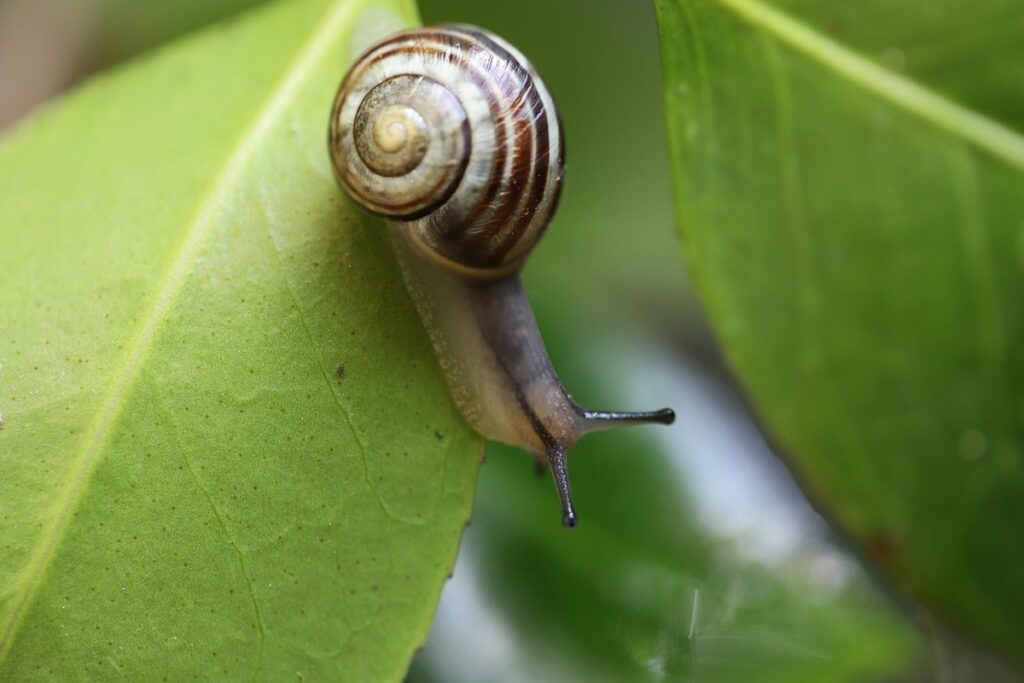
Understanding Cucumber Snails and Their Impact
Cucumber snails can be quite a nuisance in gardens, so let’s dive into understanding their behavior and life cycle to better tackle control methods.
What are Cucumber Snails?
Cucumber snails are a type of slimy mollusk that can wreak havoc on gardens and greenhouses. These pests are known for their ability to consume large quantities of cucumber plants, as well as other fruits and vegetables, in a short amount of time. If you’re unfamiliar with these pesky creatures, let us give you an introduction.
To identify a cucumber snail, look for its slender body, typically around 2-3 inches in length, with a light brown to yellowish-brown shell. Cucumber snails are nocturnal, so they tend to be most active at night, making them harder to spot during the day. However, if you notice any slime trails or holes in your cucumber plants, it’s likely that these snails are responsible.
Cucumber snails are attracted to moist environments and will often lay eggs near their food source. A female can lay up to 10 egg capsules per year, containing around 50-100 eggs each. The larvae emerge from the eggs after about two weeks and begin feeding immediately. To control cucumber snail populations effectively, it’s essential to understand their habits and behavior.
By recognizing these characteristics, you’ll be better equipped to identify and address any issues related to cucumber snails in your garden or greenhouse. We’ll explore more on this topic as we delve into effective methods for controlling these pests in the sections that follow.
Damage Caused by Cucumber Snails
Cucumber snails can cause significant damage to cucumber plants, resulting in reduced yields and economic losses for farmers. These pests feed on the leaves, fruits, and stems of cucumbers, leaving behind a trail of slime that attracts other insects and fosters disease transmission.
The damage caused by cucumber snails extends beyond just physical harm. These pests can also facilitate the spread of diseases such as powdery mildew and anthracnose, which can devastate entire crops if left unchecked. For instance, in a study conducted on a commercial cucumber farm, it was found that infestations of cucumber snails resulted in an average yield loss of 25% due to disease transmission.
To mitigate the damage caused by cucumber snails, farmers must adopt integrated pest management strategies that combine physical barriers, cultural controls, and biological controls. This may include hand-picking snails at night, using row covers or fine mesh screens to prevent infestations, and introducing natural predators such as ground beetles to control snail populations. Regular monitoring of crops is also essential to detect early signs of snail damage and implement control measures before the problem spirals out of control.
Identifying Cucumber Snail Infestations Early
Identifying cucumber snails early on is crucial to preventing extensive damage to your plants. One of the first signs of an infestation is the presence of their shells. Keep an eye out for these small, brown or yellowish shells, usually around 1-2 inches long. They might be hard to spot at first, especially if they’re hidden in dark corners or under leaves.
Another indicator is changes in feeding patterns. Cucumber snails are nocturnal, so you’ll likely see damage during the night. Check for chewed leaves, stems, and flowers. If you notice your plants’ growth slowing down or seeing a decline in production, it could be due to cucumber snail infestation.
To inspect for these pests, examine your plants thoroughly, particularly after dark when they’re most active. You can use a flashlight to help spot any shells or signs of feeding damage. Take note of any areas with high humidity and moisture levels, as these conditions favor the presence of cucumber snails. If you suspect an infestation, act promptly to prevent further damage and reduce the risk of long-term infestations.
Physical Barriers and Repellents for Cucumber Snail Control
Physical barriers and repellents can be a simple yet effective way to deter snails from reaching your cucumber plants, reducing damage significantly. Let’s explore some popular options together.
Copper Tape or Mesh for Barrier Protection
Using copper tape or mesh around the garden is an effective method to deter snails from crossing over into your prized cucumber plants. Snails are attracted to moisture and dark areas, which makes them more likely to venture onto moist surfaces like copper. When a snail touches the copper surface with its foot, it receives a small electric shock that deters it from crossing over.
To set up this barrier protection, start by cutting strips of copper tape or attaching mesh sheets around the perimeter of your garden bed. Ensure the copper is at least 6-8 inches above ground level to prevent snails from burrowing underneath. You can also wrap copper tape around individual plant stems or use it to cover planters.
For larger areas, consider using copper mesh, which comes in rolls that are easy to unroll and secure with wire or tape. This provides a more extensive barrier without obstructing air circulation or sunlight penetration. Regularly inspect the copper surfaces for any damage or wear, replacing them as needed to maintain their effectiveness.
Garlic Spray and Other Organic Repellents
When it comes to cucumber snail control, using organic repellents can be an effective way to keep these pests at bay without harming the environment. One of the most popular homemade repellents is garlic spray. Garlic has natural properties that repel slugs and snails, making it a great DIY solution for gardeners.
To make your own garlic spray, you’ll need a few cloves of garlic, some water, and a blender or food processor. Blend the garlic with enough water to create a liquid mixture, then strain out any solids. Once the mixture has cooled down, transfer it into a spray bottle and use it on affected plants. The key is to apply the spray regularly, ideally in the evening when slugs and snails are most active.
Hot pepper sprays work similarly by using the capsaicin found in hot peppers to deter these pests. However, be cautious not to get any of this spray near your eyes or other sensitive areas. Beer traps can also help lure snails away from your plants; simply place a shallow container with beer next to the affected area and cover it with a fine mesh to keep snails out.
When using these repellents, remember that they might need to be reapplied frequently due to their volatile nature.
Companion Planting for Snail Deterrents
Companion planting is an effective way to deter snails from your cucumber plants without using chemical pesticides. Certain plants release chemicals that repel snails, making them a natural and organic solution for snail control. Two popular snail-repelling plants are basil and mint.
Basil is a classic example of a snail-deterring plant. Its strong scent can be overwhelming to snails, causing them to avoid it altogether. To use basil effectively as a companion plant, you can intersperse the leaves around your cucumber plants or grow them alongside. You can also make use of basil’s potent scent by placing a few sprigs near the affected area.
Mint is another excellent choice for repelling snails. Its invasive nature makes it perfect for companion planting, as it spreads quickly and covers large areas. Planting mint around the perimeter of your cucumber bed or intercropping it with your cucumbers can help keep snails away. However, be sure to contain mint, as its aggressive growth can take over other plants.
When using basil and mint as companion plants, remember that their effectiveness may vary depending on the specific variety, climate, and soil conditions of your garden.
Trapping and Hand-Picking Cucumber Snails
When it comes to controlling cucumber snail populations, manual removal methods can be an effective way to reduce damage. This section will cover trapping and hand-picking techniques in more detail.
Beer Traps for Effective Snail Capture
Beer traps are an effective method for capturing cucumber snails without harming them. To set up a beer trap, you’ll need a shallow container with a wide mouth and some sweet liquid to attract the snails. Fill the container with 1-2 inches of beer or a mixture of equal parts beer and water – the yeast in the beer will ferment and release carbon dioxide, attracting the snails.
Position the trap near the affected area, ideally in a dark corner where snails tend to hide during the day. Snails are attracted to fermented odors and will likely crawl into the container overnight or early morning. Check the trap daily and carefully scoop out the captured snails without touching them, as their mucus can cause irritation.
It’s essential to use shallow containers, as deep ones can lead to drowning or injury for the snails. Place the traps at a height that allows you to easily reach them, making it simpler to collect the caught snails without having to bend or strain. Regularly checking and resetting the beer trap will help keep the cucumber snail population under control.
Hand-Picking and Manual Removal Techniques
When it comes to manually removing snails from plants, timing is everything. The most effective time for hand-picking is early morning or late evening when the snails are most active and least likely to retreat into their hiding places. Make sure to examine each leaf carefully, as these slimy pests can be easy to overlook.
To make hand-picking more efficient, it’s essential to use the right tools. A pair of tweezers or a small brush with soft bristles is perfect for gently plucking snails from plants without causing damage. For larger infestations, consider investing in a handheld vacuum specifically designed for snail removal – these can make quick work of even the most stubborn populations.
Another crucial aspect to keep in mind is speed: the faster you remove snails, the less likely they are to leave behind their slimy trails and potential eggs. This will not only prevent further damage but also reduce the risk of spreading diseases between plants. By combining regular hand-picking with other control methods, you’ll be well on your way to a snail-free cucumber patch.
Keeping a Clean and Healthy Garden Environment
Maintaining good garden hygiene is essential to controlling cucumber snail populations. Snails thrive in environments with high humidity and moisture levels, making it crucial to avoid creating conditions that encourage their growth. Regularly inspect your garden for signs of standing water or areas where water tends to collect. Ensure proper drainage systems are in place to prevent waterlogged soil.
Remove weeds and debris from the garden as they provide shelter and food sources for snails. Keep the area around plants clear, especially after watering or rain. This will help minimize hiding spots and reduce the likelihood of snail infestations. Consider using a mulch layer, but be cautious not to create a humid microclimate that might attract more snails.
Keep your garden free from clutter and debris, as these can provide food sources for snails. Dispose of any rotting plant matter promptly, as it can become a breeding ground for snails. Regularly inspect your garden’s perimeter for signs of snail activity, such as holes in plants or silvery trails leading away from the affected area.
Chemical Control Methods: A Last Resort
When it comes to chemical control methods, you want to make sure you’re using them as a last resort and understanding their potential impact on your garden’s ecosystem.
These methods can be effective in removing snails quickly, but we’ll explore the considerations you should take into account.
Understanding Snail Bait and Its Risks
When it comes to controlling cucumber snails, commercial snail baits are often considered a last resort. These baits typically contain metaldehyde, a toxic substance that is highly effective at killing snails. However, it’s essential to understand the potential risks associated with using these products.
Metaldehyde-based snail baits can be particularly hazardous for pets, especially dogs and cats. If ingested, even small amounts of these baits can cause severe symptoms, including tremors, seizures, and vomiting. In fact, studies have shown that as many as 40% of exposed animals may suffer from adverse reactions. This is why it’s crucial to store snail baits safely out of reach of your pets.
Moreover, metaldehyde can also harm wildlife, including birds, hedgehogs, and other small mammals. The toxic substance can leach into the soil and water, posing a long-term risk to local ecosystems. To minimize risks, make sure to follow the manufacturer’s instructions carefully and use the minimum amount required to control snail populations.
If you do decide to use commercial snail baits, consider using alternative products that contain nicotinoid, which is safer for pets and wildlife. Remember, prevention is always better than treatment – focus on maintaining a healthy garden with proper snail-proofing measures in place.
Using Baits Strategically for Maximum Effectiveness
When using snail baits as part of your cucumber snail control strategy, it’s crucial to deploy them strategically for maximum effectiveness. This involves not only choosing the right bait but also where and when to use it.
Place baits in areas where snails are most likely to be found, such as near the base of plants or along garden paths. It’s essential to follow the manufacturer’s instructions regarding bait placement, as some products may require direct contact with the snail or soil ingestion to be effective. For example, if you’re using a bait that requires snails to ingest the pellets to die, make sure they are scattered near the base of your plants where snails tend to congregate.
Timing is also critical when it comes to bait placement. Apply baits at night when snails are most active, allowing them time to ingest the bait before dawn when the products typically take effect. This approach will help ensure that you’re targeting the snail population during their peak activity period.
Integrated Pest Management (IPM) for Comprehensive Control
When it comes to cucumber snail control, using a single method might not be enough. Snails are adaptable and can find ways to evade even the most effective barriers or repellents. This is where Integrated Pest Management (IPM) comes into play – combining multiple methods for a comprehensive approach.
By incorporating physical barriers, repellents, trapping, and chemical control in a coordinated effort, you can significantly reduce snail populations on your cucumber plants. For instance, placing copper tape around the stems of your cucumbers not only repels snails but also makes them more susceptible to the effects of chemical baits or traps.
To implement IPM effectively, consider using a combination of methods in rotation. This could involve setting up traps near areas where snail activity is high, followed by applying a repellent spray or barrier around affected plants. Chemical control can be used as a last resort, but make sure to choose products specifically designed for snail management and follow the manufacturer’s instructions carefully.
Frequently Asked Questions
What if I’ve already spotted cucumber snails on my plants, but it’s too late to set up a barrier? Can I still use chemical baits for effective control?
Yes, in severe infestations or when time is of the essence, using snail bait can be an effective short-term solution. However, make sure to follow the product instructions carefully and take necessary precautions to minimize risks to humans, pets, and wildlife.
How often should I inspect my garden for signs of cucumber snails, especially after implementing barrier protection?
Regular inspections are crucial in maintaining effective control measures. Inspect your garden at least once a week, paying close attention to areas near plants that were previously targeted by the pests. This will allow you to catch any new infestations early and make adjustments as needed.
Can I use multiple methods of snail control simultaneously, or is it better to focus on one approach?
Combining methods can be an effective strategy for comprehensive control. For example, using physical barriers in conjunction with organic repellents like garlic spray can provide a robust defense against cucumber snails. Be sure to carefully consider the potential interactions between different methods and adjust your approach accordingly.
How do I dispose of dead or dying cucumber snails effectively to prevent attracting more pests?
Dispose of dead snails by placing them in sealed plastic bags and disposing of them in regular trash. Avoid leaving them on the garden floor, as this can attract other pests. For larger infestations, consider wearing gloves when handling and disposing of dead snails to minimize potential health risks.
Are there any long-term environmental impacts I should be concerned about with using chemical baits or copper tape for cucumber snail control?
While these methods can provide effective short-term solutions, it’s essential to weigh their long-term implications. Copper tape, for instance, can be toxic to certain wildlife if ingested. Chemical baits carry risks to non-target organisms and may harm beneficial insects in your garden. Consider integrating these measures with more holistic approaches, such as companion planting and keeping a clean environment, to minimize potential negative impacts on the ecosystem.