
Getting your cucumber seeds to sprout can be a bit of a waiting game, but don’t worry, we’ve got you covered. Understanding how long it takes for cucumber seeds to germinate is crucial in ensuring healthy growth and a bountiful harvest. The type of seed, storage conditions, and environment all play a significant role in the germination process. If your seeds aren’t sprouting as expected, don’t panic – we’ll take you through common issues and how to troubleshoot them. In this article, we’ll delve into optimizing cucumber seed germination conditions, from selecting the right type of seed to promoting healthy growth. We’ll also explore some expert tips on what to do when things go wrong, so whether you’re a seasoned gardener or just starting out, keep reading to learn how to get your cucumbers growing strong and fast.
Understanding Cucumber Seeds
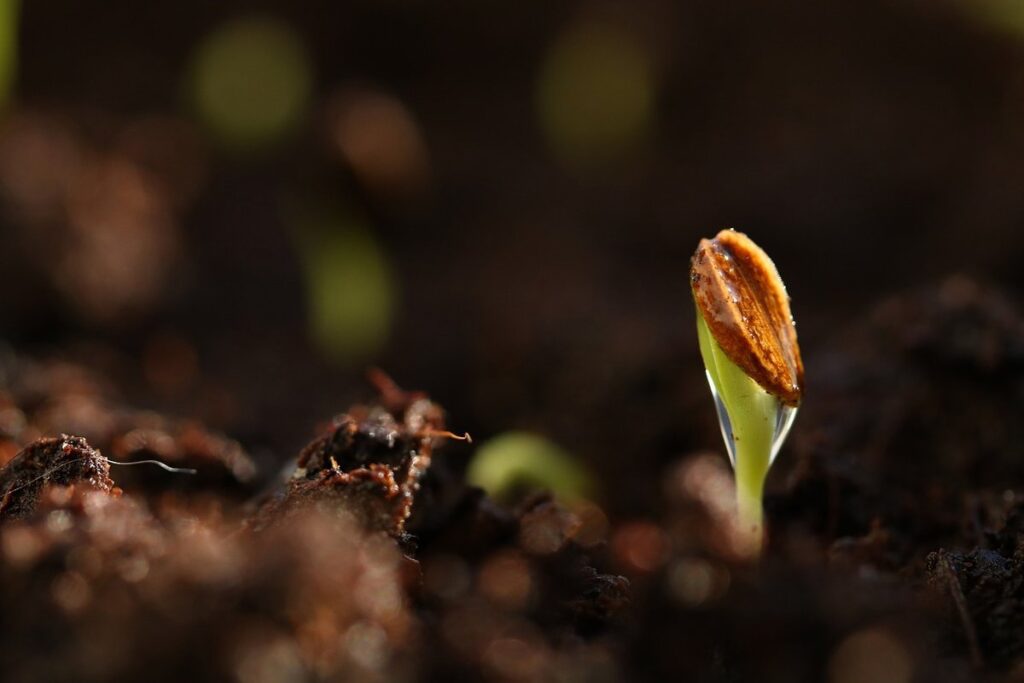
Cucumber seeds are a crucial part of the germination process, and understanding their unique characteristics is essential for success. Let’s dive into what makes these tiny seeds tick.
Types of Cucumber Seeds
When it comes to choosing cucumber seeds, you’ll come across various types that cater to different needs and preferences. Let’s break down the main categories: heirloom, hybrid, and open-pollinated varieties.
Heirloom cucumber seeds are ideal for gardeners who want to save and replant their own seeds from year to year. These seeds produce consistent results but may not be as disease-resistant or high-yielding as other types. Heirloom varieties can be more unpredictable in terms of germination time, with some taking longer than others.
Hybrid cucumber seeds, on the other hand, offer improved resistance to diseases and higher yields. They’re bred specifically for commercial production and are often used by large-scale farmers. However, hybrid seeds are sterile and cannot be saved or replanted, making them a one-time use option.
Open-pollinated cucumber seeds fall somewhere in between heirloom and hybrid varieties. While they can produce consistent results, they offer more flexibility than hybrids since you can save and replant their seeds year after year. When selecting open-pollinated seeds, ensure that the seed supplier provides clear information about their sterility status to avoid unwanted surprises.
Storage and Handling of Cucumber Seeds
Storing and handling cucumber seeds properly is crucial to maintaining their viability and ensuring optimal germination rates. When it comes to packaging, look for sealed containers that are specifically designed for seed storage. These containers typically have a desiccant packet or silica gel to control moisture levels.
When storing your cucumber seeds, keep them in a cool, dry place such as a pantry or cupboard. Avoid storing them near a heat source or in direct sunlight, as this can cause the seeds to degrade quickly. The ideal temperature for seed storage is between 40°F and 50°F (4°C and 10°C).
To maintain optimal moisture levels, store your seeds in an airtight container with a desiccant packet or silica gel. Check on them periodically to ensure that the moisture level remains stable. It’s also essential to label your containers clearly so you can easily identify the type of seed and its storage date.
By following these simple tips, you’ll be able to store your cucumber seeds properly and maintain their viability for optimal germination rates.
Factors Affecting Germination Time
So, what exactly influences how long it takes for your cucumber seeds to sprout? Let’s dive into some key factors that affect germination time.
Temperature Requirements
For cucumber seeds to germinate efficiently, they require an ideal temperature range between 70°F and 80°F (21°C to 27°C). This optimal temperature allows the seeds to break dormancy and initiate growth at a steady pace. If the temperature is too low or too high, it can significantly impact the germination time.
Temperatures below 60°F (15°C) slow down the germination process, making it take longer for the seeds to sprout. In fact, studies have shown that at temperatures as low as 50°F (10°C), cucumber seed germination can be delayed by up to two weeks compared to optimal conditions. On the other hand, extremely high temperatures above 90°F (32°C) can cause the seeds to germinate too quickly, leading to weak and vulnerable seedlings.
To ensure successful germination, it’s essential to provide your cucumber seeds with a consistent temperature between 70°F and 80°F. You can achieve this by keeping the sowing tray or pot in a warm location away from drafts or using a heating mat specifically designed for seed starting. By maintaining the optimal temperature range, you’ll be able to enjoy a healthy and thriving crop of cucumbers.
Water Quality and Consistency
Providing consistent moisture levels is crucial for healthy cucumber seed germination. Water quality also plays a significant role in this process. Using tap water may seem convenient, but it’s not always the best choice.
Tap water often contains impurities such as chlorine, fluoride, and minerals that can inhibit germination or even kill seeds. In contrast, using pure water ensures optimal conditions for seed growth. You can use distilled or rainwater as an alternative to tap water.
To maintain consistent moisture levels, it’s essential to control the watering schedule. Cucumber seeds need a specific amount of water at various stages of development. Over-irrigation can lead to fungal diseases and root rot, while under-watering may prevent germination altogether.
Monitor your seedlings closely and adjust the watering schedule accordingly. Check the soil moisture by inserting your finger into the soil up to the first knuckle. If it feels dry, it’s time for another round of watering. By providing consistent moisture levels and using pure water, you can ensure optimal conditions for cucumber seed germination.
When starting seeds indoors, you can cover the container with a clear plastic bag or a cloche to maintain humidity and prevent moisture loss. This method is particularly helpful during dry weather conditions or when using indoor growing setups.
Average Germination Time for Cucumber Seeds
When it comes to growing cucumbers from seeds, understanding how long they take to germinate is crucial for a successful harvest. Let’s dive into the average time frame for cucumber seed germination.
Days-to-Maturity Variations
When selecting cucumber varieties for your garden, you’ll encounter numerous options with varying days-to-maturity (DTM) ratings. These differences can significantly impact the expected germination time of the seeds.
On average, most cucumber varieties take around 60-70 days to mature from sowing the seed. However, certain types have been bred specifically for faster or slower growth rates. For instance:
* Slicing cucumbers like ‘Marketmore’ and ‘Socrates’ typically take 65-75 days to reach full maturity.
* Pickling cucumbers like ‘Dill Pickling’ and ‘Gherkin’ usually mature within 50-60 days.
* English or hothouse varieties, such as ‘Salad Bush’ and ‘Tasty Green’, can be ready in as little as 40-50 days.
While these variations may not seem significant, they can have a substantial impact on your garden’s productivity. When choosing a variety, consider the expected harvest time to determine which one best suits your needs.
In addition to DTM ratings, other factors like climate, soil quality, and growing conditions also influence germination times. By selecting a suitable variety for your specific environment, you’ll be able to optimize your cucumber crop’s growth and yield.
Soil Temperature Effects on Germination
Soil temperature plays a crucial role in cucumber seed germination. The ideal soil temperature for cucumbers is between 70°F to 85°F (21°C to 30°C). If the soil temperature is too low, germination can be significantly slowed down or even prevented. On the other hand, if it’s too high, seeds may germinate quickly but with a lower survival rate.
Studies have shown that cucumber seeds typically take around 3-10 days to germinate at an optimal soil temperature of 75°F (24°C). However, this timeframe can be significantly affected by variations in soil temperature. For example, if the soil is too cold, it may take up to 20 days or more for the seeds to germinate.
To give you a better idea, here are some general guidelines on how different soil temperatures affect cucumber seed germination:
* Below 60°F (16°C): Germination can be severely delayed or even prevented.
* 60-65°F (16-18°C): Germination takes around 7-14 days.
* 65-70°F (18-21°C): Germination occurs within 5-10 days.
* 70-75°F (21-24°C): Optimal germination time, usually within 3-7 days.
Keep in mind that these are general guidelines and can vary depending on specific conditions such as soil quality and moisture levels.
Optimizing Cucumber Seed Germination Conditions
To successfully grow healthy cucumbers, it’s crucial to optimize seed germination conditions, including temperature and moisture levels. Let’s explore these key factors together.
Light Requirements for Seedlings
Light plays a crucial role in cucumber seedling development. While it’s often overlooked, providing optimal lighting conditions can significantly impact germination rates and seedling health.
Cucumber seeds require light to initiate growth after germination. However, direct sunlight can be too intense for young seedlings. Prolonged exposure to full sun can cause damage, including scorched leaves and stunted growth. To avoid this, provide seedlings with 12-14 hours of supplemental lighting. This can be achieved using grow lights or LED strips placed within a few inches of the seedlings.
For optimal results, maintain a light spectrum that’s rich in blue and red wavelengths (400-500 nm). These colors promote photosynthesis, which is essential for healthy growth. Aim to deliver 20-40 watts per square foot to ensure adequate light intensity.
In addition to providing sufficient light, consider using LED grow lights with adjustable spectrums. This allows you to tailor the lighting conditions to specific stages of seedling development. By fine-tuning your lighting setup, you’ll be able to optimize germination rates and promote healthy growth in your cucumber seedlings.
pH Levels and Soil Nutrients
When it comes to optimizing cucumber seed germination conditions, soil pH and nutrient levels play a crucial role. Most vegetables, including cucumbers, thrive in slightly acidic to neutral soil with a pH between 6.0 and 7.0. However, this ideal range can vary depending on the specific cultivar and growing location.
To create a balanced and supportive growing environment, it’s essential to understand how pH levels impact nutrient availability for your cucumber seeds. For instance, if the soil is too alkaline (above 8.0), nutrients like iron and manganese become less accessible to plants, potentially leading to stunted growth or lower germination rates.
To test and adjust your soil pH, consider using a DIY pH kit or sending a sample to a lab for analysis. Based on your results, amend the soil with organic matter like compost or manure tea to increase nutrient availability and maintain an optimal pH range.
Troubleshooting Cucumber Seed Germination Issues
Don’t worry if your cucumber seeds aren’t germinating as quickly as you’d like – we’ve got some troubleshooting tips to help you identify and resolve common issues. Let’s dive into the solutions!
Common Causes of Delayed or Failed Germination
When it comes to cucumber seed germination, there are several common causes of delayed or failed germination that you should be aware of. One major cause is poor seed quality. Old or low-quality seeds may not have the vitality to sprout, even with optimal growing conditions. To avoid this issue, make sure to purchase high-quality seeds from a reputable supplier.
Inadequate moisture is another common cause of delayed or failed germination. Cucumber seeds need consistent and adequate water supply to break dormancy and initiate growth. If the soil is too dry, the seeds may not be able to absorb the necessary nutrients and energy to sprout. On the other hand, overwatering can also prevent germination by causing the seeds to rot.
Other causes of delayed or failed germination include insufficient temperature, lack of light, and poor air circulation. Cucumber seeds typically require a minimum soil temperature of 60°F (15°C) to germinate. If the temperature is too low, germination may be slowed down or even prevented altogether.
Strategies for Overcoming Germination Challenges
When germinating cucumber seeds, it’s not uncommon to encounter challenges that can impact their germination rates. Here are some common issues and strategies for overcoming them:
One of the most significant factors affecting cucumber seed germination is temperature. Cucumbers require a warm environment to germinate, with ideal temperatures ranging from 70°F to 85°F (21°C to 30°C). To overcome temperature-related challenges, ensure that your seed starting mix or propagation tray is placed in a spot with consistent warmth. You can also use grow lights or heating mats to maintain optimal temperatures.
Another common issue is overwatering, which can lead to fungal growth and root rot. To avoid this, water your seeds carefully, making sure not to over-saturate the soil. Also, ensure good air circulation around the seedlings by providing sufficient space between each plant. This will help prevent moisture from becoming trapped.
In addition, be aware that cucumber seeds have a low tolerance for cold temperatures. If you’re starting seeds indoors during the spring or fall, make sure to provide adequate protection from drafts and keep them away from windows. By being mindful of these potential challenges, you can improve your chances of successful germination and healthy seedling growth.
Tips for Encouraging Cucumber Seedlings to Thrive
Once you’ve got your cucumber seeds germinating, it’s time to think about creating an environment that encourages them to thrive, and here are some valuable tips to keep in mind.
Early Pruning and Training Techniques
When your cucumber seedlings reach about 6-8 inches tall, it’s essential to start pruning and training them for optimal growth. Pruning encourages bushy growth and promotes even fruiting, while training helps the plant develop a strong stem that can support its weight.
Start by gently pruning off any weak or spindly growth, which will allow the plant to focus energy on producing healthy, well-formed stems. This process is called “pinching.” Remove the top sets of leaves from each seedling, about 1-2 inches below the growing tip, using clean and sharp scissors or pinch them off with your fingers.
As for training, you can use a trellis or a cage to provide support for your cucumber vines. Tie the stem gently to the trellis using soft materials like twine or clips. Make sure not to tie it too tight, as this can cause damage to the stem and restrict growth.
Some gardeners prefer to train their cucumbers horizontally along a fence or wall, while others use a vertical growing system, such as a tower or a obelisk. The key is to create a structure that will support the plant’s weight and encourage it to grow upwards, rather than sprawling outwards.
By pruning and training your cucumber seedlings in this way, you’ll be creating an optimal environment for them to develop strong stems and produce plenty of fruit.
Common Pests and Diseases Affecting Young Plants
Young cucumber seedlings are vulnerable to various pests and diseases that can hinder their growth and development. One of the most common pests affecting young cucumber plants is aphids, which feed on sap and transmit plant viruses like cucumber mosaic virus (CMV). To prevent aphid infestations, ensure your growing medium is not too dense, as this can lead to moisture buildup, making it conducive for aphids.
Fungal diseases such as powdery mildew and downy mildew are also prevalent among young cucumber seedlings. These conditions thrive in high humidity environments with temperatures above 60°F (15°C). Regularly inspect your seedlings for signs of these diseases, including white or grayish patches on leaves, yellowing, and distorted growth.
To manage pest and disease outbreaks, adopt integrated pest management (IPM) techniques, which combine physical barriers, crop rotation, and biological controls. Introduce beneficial insects like ladybugs, lacewings, or parasitic wasps to prey on aphid colonies, and apply neem oil or horticultural oil sprays to control fungal diseases. Keep your growing area well-ventilated, and maintain a humidity level below 60% to prevent moisture-related issues.
Frequently Asked Questions
Can I use old cucumber seeds for germination, or do I need to purchase new ones?
Yes, you can use old cucumber seeds if they are stored properly in a cool, dry place. However, the germination rate may decrease over time. It’s recommended to check the seed viability by performing a simple test before sowing.
How often should I water my cucumber seedlings during the germination process?
Water your cucumber seedlings gently but thoroughly when the top inch of soil feels dry to the touch. Avoid overwatering, which can lead to fungal diseases and root rot. Consistent moisture levels are crucial for healthy germination.
What if I live in an area with extreme temperature fluctuations? How do I optimize germination?
To mitigate the effects of temperature fluctuations, use a cold frame or a mini-greenhouse to provide a stable environment for your cucumber seedlings. You can also consider using a heating mat or a propagation tray to regulate soil temperature.
Can I grow cucumbers in containers, and if so, what are some essential considerations?
Yes, you can grow cucumbers in containers, but make sure the container is at least 5-7 gallons in size to provide enough root space. Use a well-draining potting mix and ensure good air circulation around the plants to prevent fungal diseases.
How long does it take for cucumber seeds to germinate after being exposed to light?
Cucumber seeds typically require 1-3 days of darkness before being exposed to light. Once they receive sufficient light, germination can occur within 7-10 days. Be patient and provide consistent growing conditions for optimal results.