
Are you tired of struggling with mediocre cucumber yields or dealing with pesky pests in your garden? A well-designed raised bed is the key to unlocking a thriving and productive cucumber harvest. By choosing the right location, selecting an optimal soil mix, and implementing effective pest management strategies, you can enjoy bountiful yields and delicious cucumbers all season long.
In this article, we’ll dive into the world of cucumber raised bed design, sharing expert tips and tricks for planning, designing, and maintaining a productive and healthy bed. From choosing the perfect spot in your garden to managing common pests and diseases, we’ve got you covered. Whether you’re a seasoned gardener or just starting out, this guide will provide you with the knowledge and confidence to create a thriving cucumber raised bed that will impress even the most discerning gardening enthusiasts.
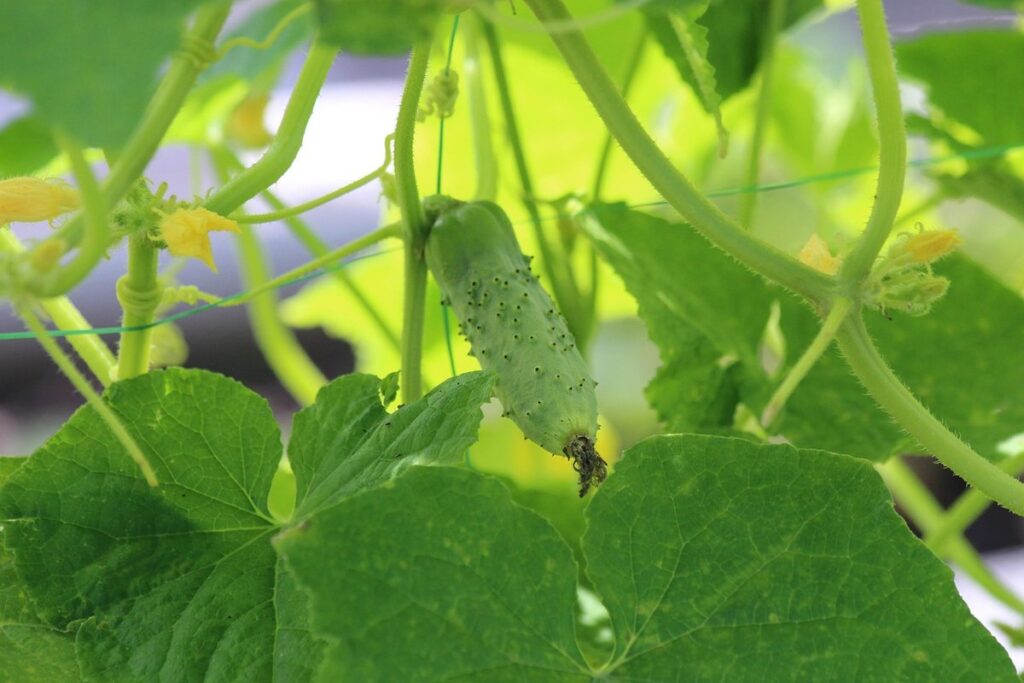
Planning Your Cucumber Raised Bed
Now that you’ve chosen a location for your raised bed, it’s time to plan its layout and dimensions specifically with cucumbers in mind. This step is crucial for maximizing yield and growth.
Choosing the Perfect Location
When it comes to designing a cucumber raised bed, one of the most crucial factors to consider is choosing the perfect location. Cucumbers are warm-season crops that thrive in full sun and well-ventilated areas. To ensure optimal growth, you’ll want to select a spot that receives at least six hours of direct sunlight per day.
Before deciding on a location, take some time to assess your yard’s conditions. Consider the following factors: soil quality, air circulation, and proximity to water sources. If your yard has dense vegetation or trees nearby, it may create competition for resources like sunlight and water. Assess the slope and elevation of your yard as well – cucumbers prefer a flat surface.
To evaluate sun exposure, observe your yard during different times of day and year. Use online tools or consult with local nurseries to determine the best location based on your specific climate and microclimate. By carefully selecting a spot that meets these conditions, you’ll set your cucumber raised bed up for success and enjoy a bountiful harvest.
Selecting the Right Soil Mix
When it comes to creating an optimal soil mix for your cucumber raised bed, there are several key characteristics to consider. Cucumbers prefer a slightly acidic to neutral soil pH, ranging from 6.0 to 7.0. This is because they thrive in well-draining, fertile soils that promote healthy root growth.
In terms of nutrient requirements, cucumbers need a balanced diet of nitrogen (N), phosphorus (P), and potassium (K). A general-purpose potting mix can be a good starting point, but it’s essential to check the pH level and nutrient content before using it in your raised bed. To create an optimal soil mix from scratch, you’ll want to combine a base of compost or well-rotted manure with perlite or vermiculite for improved drainage and aeration.
Consider adding a balanced fertilizer, such as 10-10-10 NPK, to provide essential nutrients. If you’re short on time or not sure what mix to create, many garden centers now offer pre-mixed soil blends specifically designed for cucumbers and other vegetables. Always follow the manufacturer’s instructions for application rates to avoid over-fertilizing your plants.
Considerations for Raised Bed Size and Shape
When planning your cucumber raised bed, it’s essential to consider the ideal dimensions and shape that will accommodate your plants effectively. The size of your raised bed will depend on your available space and accessibility needs.
Typically, a raised bed for cucumbers should be at least 3-4 feet wide to allow for easy access and maintenance. However, if you have limited space, a narrower bed can work well as long as it’s deep enough (around 6-8 inches) to provide adequate root growth. For example, a rectangular bed measuring 2×8 feet is an excellent option for small spaces.
You can also consider non-traditional shapes like a square or circular bed to maximize space in corners or other tight areas. Just remember that cucumbers are vining plants and will require support as they grow. A bed with a width of at least 3-4 feet will allow for easy staking or trellising.
When selecting the shape and size of your raised bed, keep in mind that it should be accessible from both sides to enable easy harvesting and maintenance. With careful planning, you can create an efficient and productive cucumber raised bed design even with limited space.
Designing Your Cucumber Raised Bed
Now that you have a basic idea of what cucumbers need, let’s dive into designing your raised bed to provide optimal growing conditions for these versatile veggies. This section covers planning and building considerations specific to cucumber cultivation.
Frame Options: Wood, Metal, or Composite Materials
When it comes to building your cucumber raised bed frame, one of the most important decisions you’ll make is choosing the right material. You’ve got three main options: wood, metal, and composite materials. Each has its pros and cons, which we’ll break down below.
Wood is a popular choice for raised beds because it’s affordable, easy to work with, and can be stained or painted to match your garden’s aesthetic. However, wood frames are more prone to rot and insect damage if not properly maintained. Cedar and cypress woods are good options as they’re naturally resistant to rot and insects.
Metal frames offer a durable and low-maintenance option, but may require additional support due to their weight. Aluminum is a lightweight and corrosion-resistant option that’s easy to assemble. However, metal can conduct heat and cold, potentially affecting soil temperature.
Composite materials, such as recycled plastic and wood fibers, are another popular choice for raised beds. They’re incredibly durable and resistant to rot, insects, and weather conditions. However, they can be more expensive than other options and may require additional support due to their weight.
Incorporating Trellises and Supports
When growing climbing cucumbers in a raised bed, it’s essential to provide support for the plants as they mature. Without proper support, the stems can become weighted down by the weight of the fruit, leading to weak and brittle stems that are more susceptible to damage from wind or pests.
To design an effective trellis system for your cucumber plants, consider using a sturdy framework with horizontal bars spaced about 6-8 inches apart. You can use wooden stakes or metal rods attached to the side of the raised bed to create a simple yet effective support system. Alternatively, you can employ other methods like using a fence or a wall as a trellis.
To train your cucumber plants to make the most of the support system, gently twine the stems around the bars or stakes, working from bottom to top. You can also use clips or ties to secure the stems in place. Make sure to leave enough space between each plant for air circulation and easy access for harvesting. By providing proper support, you’ll not only encourage healthy growth but also increase yields and make harvesting a breeze.
Drainage and Irrigation Systems
When designing your cucumber raised bed, proper drainage and irrigation are crucial for optimal growth. Cucumbers require consistent moisture, especially when they’re producing fruit. However, overwatering can lead to root rot and other issues.
Mulching is a simple yet effective way to ensure adequate drainage in your raised bed. Organic mulches like straw or bark chips help retain moisture while allowing excess water to drain through. This approach also suppresses weeds that compete with cucumbers for nutrients.
Drip irrigation systems are another efficient option for delivering water directly to the roots of plants. These systems consist of a network of tubes and emitters that release water as needed, minimizing evaporation and runoff. For example, in a study conducted by the University of California, drip irrigation reduced water consumption by up to 50% compared to traditional sprinkler systems.
Soaker hoses are also an excellent choice for raised bed irrigation. These porous hoses release water slowly along their length, providing consistent moisture to plants. When using soaker hoses, ensure they’re buried beneath the surface to prevent evaporation and promote even watering.
Planting and Maintaining Your Cucumber Raised Bed
Now that your cucumber raised bed is built, it’s time to focus on planting and maintaining a thriving crop of cucumbers in your new garden feature. This section will walk you through the essential steps for optimal growth.
Preparing the Soil for Planting
Before you start planting your cucumber seeds, it’s essential to prepare the soil for optimal growth. A well-prepared soil will ensure your cukes receive the necessary nutrients and support to thrive.
Start by tilling the soil to a depth of about 8-10 inches. This process breaks up any clods and aerates the soil, allowing roots to grow freely. For raised beds, you can use a garden fork or spade to till the soil gently. If your bed has a compacted layer at the bottom, consider removing it and replacing it with fresh topsoil.
Next, add organic fertilizer to provide essential nutrients for healthy growth. You can opt for compost, well-rotted manure, or balanced fertilizers like 10-10-10 NPK. Follow the manufacturer’s instructions for application rates, usually about 1-2 pounds per 100 square feet of bed space.
Finally, mulch around the raised bed to retain moisture and suppress weeds. Organic materials like wood chips, straw, or bark mulch work well. Aim for a 2-inch layer to keep the soil cool and moist throughout the growing season.
Sowing Seeds and Seedlings
When sowing seeds or transplanting seedlings into your raised bed, it’s essential to follow some best practices to promote healthy growth and optimal yields. Start by selecting a suitable location with full sun and well-drained soil. For direct sowing, sow 2-3 cucumber seeds per hill, about 1 inch deep and 6-8 inches apart. Once the seedlings have 2-3 sets of leaves, thin them to the strongest one.
For transplanting, wait until the seedling has at least two true leaves and harden off the young plants before moving them into the raised bed. Space them 18-24 inches apart in a grid pattern to allow for good air circulation and sunlight penetration. When companion planting, pair cucumbers with dill or mint to repel pests like aphids and spider mites. Avoid planting with members of the Brassica family (broccoli, kale, etc.) as they can compete for space and nutrients. Keep the soil consistently moist but not waterlogged, and mulch around the plants to retain moisture and suppress weeds.
Monitoring and Controlling Pests and Diseases
Monitoring and controlling pests and diseases is crucial to maintaining a healthy cucumber crop in your raised bed. Common issues include aphids, whiteflies, spider mites, powdery mildew, and downy mildew.
To identify these problems, inspect your plants regularly for signs of infestation or disease. Aphids and whiteflies can be detected by checking the undersides of leaves for small, soft-bodied insects. Spider mites will leave fine webs on the plant’s foliage. Powdery mildew appears as a white, powdery coating on leaves, while downy mildew causes yellowing leaves with black spots.
Prevention is key: use crop rotation to break disease cycles, and remove weeds that can harbor pests or diseases. Implement integrated pest management (IPM) strategies by introducing beneficial insects like ladybugs and lacewings to control aphids and whiteflies. Use neem oil or insecticidal soap to control spider mites. For powdery mildew and downy mildew, treat with a fungicide or remove infected leaves.
By monitoring your plants closely and taking prompt action when necessary, you can keep these common issues under control and enjoy a healthy, productive cucumber crop in your raised bed.
Tips for Harvesting and Extending the Season
To make the most of your cucumber harvest, you’ll want to know when and how to pick them at their peak flavor and texture. We’ll share our top tips for extending the season beyond just one crop.
Timing Your Cucumber Harvest
When it comes to harvesting cucumbers from your raised bed, timing is everything. The optimal time for harvest depends on the variety of cucumber you’re growing, its size and color. For example, slicing cucumbers are typically ready when they reach 6-8 inches in length and a dark green color, while pickling cucumbers are best harvested at about 1-2 inches long.
To determine if your cucumbers are ripe for picking, gently grasp the fruit near the stem end. If it comes off easily, it’s likely ready to be harvested. Avoid squeezing or pinching the cucumber, as this can damage the fruit and reduce its quality.
Keep an eye on your cucumber plants’ production rate, too – they tend to produce new fruits continuously throughout the season. Regular harvesting will encourage them to keep producing, so be sure to check on them every 1-2 days during peak production periods. By timing your harvest correctly, you’ll ensure that your cucumbers are at their best flavor and texture.
Extending the Harvest Season with Succession Planting
When it comes to getting the most out of your cucumber raised bed design, succession planting is an essential technique to master. By staggering your plantings throughout the growing season, you can enjoy a continuous harvest and make the most of your space. This means that instead of planting all your cukes at once, you’ll be planting them in intervals – typically 1-2 weeks apart.
This approach offers several benefits, including increased yields, reduced disease pressure, and better use of resources like water and nutrients. To implement succession planting effectively, start by identifying the peak harvest period for cucumbers in your area. Then, schedule your first planting at this time. For example, if your area has a 70-day maturation cycle for cukes, you can plan to plant them every 10-14 days after the initial planting.
By doing so, you’ll have a steady supply of fresh cukes throughout the season and be able to harvest at the optimal stage for your specific recipe or needs. This technique also allows you to control pests and diseases more effectively by rotating crops and minimizing the risk of disease transmission between successive plantings.
Conclusion: Maximizing Your Cucumber Yield
Now that you’ve completed your cucumber raised bed design, it’s time to reap the rewards of your hard work. To maximize your cucumber yield, make sure to provide optimal growing conditions for your plants. This includes ensuring they receive at least six hours of direct sunlight per day and maintaining a consistent moisture level in the soil. Regularly inspect your plants for signs of stress or disease, and take prompt action if you notice any issues.
By implementing these strategies, you can expect to see a significant increase in cucumber production from your raised bed. As an added bonus, consider incorporating companion planting techniques into your design. For example, planting marigolds near cucumbers has been shown to deter nematodes and attract beneficial insects.
Frequently Asked Questions
What are some common raised bed size and shape mistakes to avoid when growing cucumbers?
When designing your cucumber raised bed, it’s essential to consider the mature size of your plants. Cucumbers can spread quite a bit, so ensure you leave enough space between each plant (about 12-18 inches) and between rows (about 3-4 feet). A rectangular or square shape is ideal for easy access and efficient watering.
Can I use a raised bed with a flat bottom to grow cucumbers, or do I need to incorporate drainage?
While it’s possible to use a raised bed with a flat bottom, incorporating drainage and irrigation systems will significantly improve your cucumber harvest. Cucumbers require well-draining soil to prevent waterlogged roots and promote healthy growth. Consider installing a French drain or using materials like gravel or broken pottery for improved drainage.
How often should I monitor my raised bed for pests and diseases when growing cucumbers?
Regular monitoring is crucial to preventing pest and disease issues in your cucumber raised bed. Check on your plants at least twice a week, inspecting leaves, stems, and fruit for signs of infestation or infection. Look for pests like aphids, whiteflies, and spider mites, as well as fungal diseases like powdery mildew.
Can I use companion planting to repel pests that target cucumbers?
Yes, incorporating beneficial companion plants can help deter pests that target your cucumber crop. Plants like nasturtiums, basil, and dill are known to repel aphids, whiteflies, and other pests. Consider incorporating these into your raised bed design for added pest control.
How do I determine the optimal soil pH for growing cucumbers in my raised bed?
The ideal soil pH for cucumbers is slightly acidic to neutral (around 6.0-7.0). If you’re unsure about your soil’s pH, consider getting a soil test done before planting. Based on the results, adjust your soil mix or amend it with lime or sulfur to achieve the optimal pH range for cucumber growth.