
Pruning cucumbers is one of those gardening tasks that can make all the difference in the world. Not only does it help maximize yields, but it also improves plant health and reduces susceptibility to diseases. If you’re struggling with weak or leggy cucumber plants, or if you simply want to take your growing skills to the next level, then this is the guide for you.
In the following article, we’ll walk you through the best techniques, tools, and care tips for pruning cucumbers like a pro. From identifying the right time to prune to using the right equipment, we’ll cover it all. By the end of this post, you’ll be equipped with the knowledge to boost your cucumber harvests, strengthen your plants, and enjoy healthier and more productive crops. Let’s dive in and explore the world of cucumber pruning!
Why Prune Your Cucumbers: Benefits and Importance
Pruning your cucumbers is more than just a routine task, it has significant benefits that can greatly impact the yield and quality of your harvest. Let’s dive into why pruning is crucial for healthy cucumber plants.
Understanding the Need to Prune Cucumbers
When you think about cucumbers, you probably imagine long, straight vines with plenty of juicy fruits hanging from them. However, if left unpruned, these vines can become tangled and overcrowded, leading to reduced yields and increased susceptibility to diseases. This is where pruning comes in – a simple yet crucial process that not only boosts your cucumber harvest but also keeps your plants healthy.
Pruning cucumbers helps increase yields by allowing more sunlight and air to reach the fruits. When plants are overcrowded, they compete for resources, resulting in smaller or deformed cucumbers. By removing some of these stems, you’re creating a balanced environment where each plant gets enough room to grow. This also reduces the likelihood of fungal diseases that thrive in damp, humid conditions created by densely packed vines.
Regular pruning also promotes healthy growth and encourages your cucumber plants to develop strong structures. This makes them less prone to breakage and damage caused by wind or rain. By pruning your cucumbers regularly, you’re essentially creating an optimal environment for them to grow – resulting in bigger, healthier, and more abundant harvests.
Identifying the Right Time for Pruning
When it comes to pruning cucumber plants, timing is everything. You’ll want to prune at the right moment to encourage healthy growth, prevent disease, and maximize yields. So, when should you prune?
First, consider the weather conditions. Cucumbers prefer warm temperatures between 65-90°F (18-32°C), and high humidity can lead to fungal diseases like powdery mildew. Avoid pruning during extreme weather conditions like intense heatwaves or heavy rainfall.
Next, look at your cucumber’s growth stage. For indeterminate varieties, prune when the plant reaches about two feet tall, removing lower leaves that may be shading the fruit. For determinate varieties, prune after they’ve produced a few sets of leaves to encourage bushy growth.
Pay attention to signs of stress or disease, such as yellowing leaves, black spots, or white powdery patches. Prune affected areas immediately to prevent the spread of infection.
Prune your cucumbers early in the morning, when the plant is at its most turgid. This will help minimize water loss and reduce the risk of shock. With these factors in mind, you’ll be well on your way to pruning your cucumber plants like a pro!
Tools and Equipment Needed for Pruning
To successfully prune your cucumbers, you’ll need some essential tools and equipment that will make the process much easier and more efficient for you. Let’s take a look at what to get.
Choosing the Right Pruning Tools
When it comes to pruning cucumbers, having the right tools can make all the difference. You don’t need a vast collection of gadgets and gizmos, but you’ll want to have a few essentials on hand.
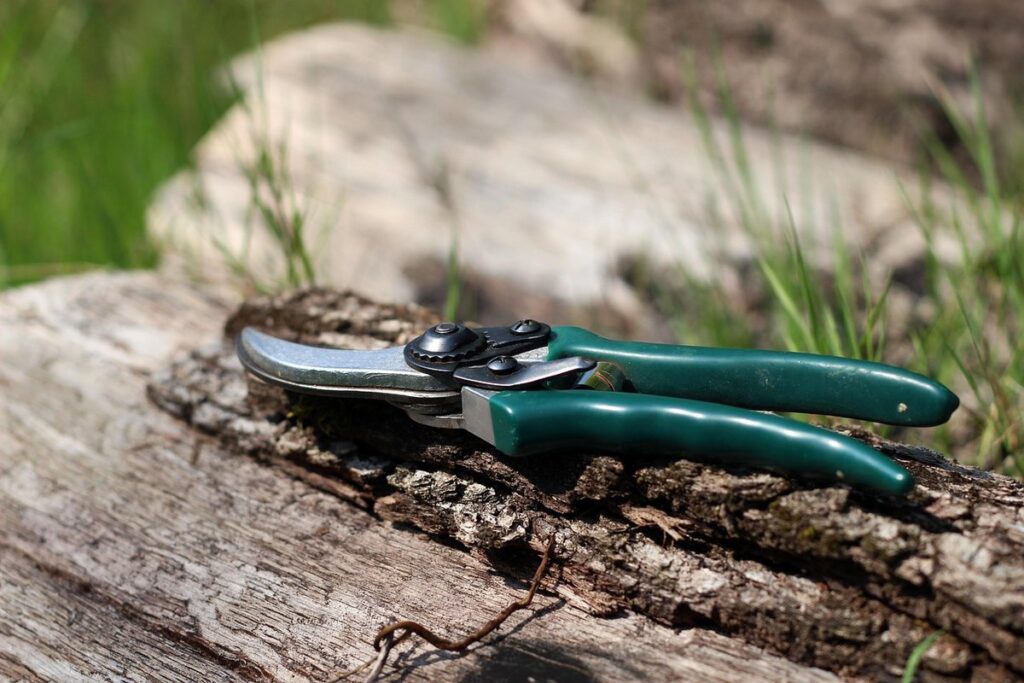
Scissors are perfect for snipping off small shoots or delicate leaves that might be getting in the way. They’re also great for making precise cuts, which is especially important when pruning individual vines. Pruning shears, on the other hand, are ideal for thicker stems and branches. Look for a pair with long handles to give you leverage and prevent straining your hands.
Loppers are another essential tool for pruning cucumbers. These long-handled pruners are perfect for reaching high areas without using a ladder. They’re also great for cutting through thicker stalks, making them an excellent choice when tackling more substantial pruning jobs. When choosing pruning tools, consider the type of cuts you’ll be making most often and select a tool that can handle those tasks with ease.
For example, if you’re frequently pruning thicker stems, choose loppers or pruning shears specifically designed for heavy-duty use. Remember to clean your tools regularly to prevent the spread of disease and keep them in good condition.
Preparing Your Cucumber Plant for Pruning
Before you can start pruning your cucumber plant, it’s essential to prepare the plant itself. This means clearing away any debris that may be surrounding the plant, including weeds, dead leaves, and branches. Use a tool like a garden fork or a hoe to gently remove these unwanted growths, making sure not to damage the roots of your cucumber plant.
Next, take a closer look at the lower leaves of your plant. These can often become diseased or develop pests, which can then spread to other parts of the plant. To prevent this, carefully snip off any affected leaves with a pair of clean scissors or pruning shears. Leave about an inch of stem attached to the main plant.
Finally, make sure the plant is secure and stable. If it’s top-heavy or has a tendency to topple over, consider staking it using tomato stakes or twine. This will give you better access to the plant as you prune and also prevent damage from accidental falls. By taking these simple steps, you’ll be well-prepared to tackle the pruning process with confidence and precision.
Basic Pruning Techniques
To get started with pruning, you’ll want to learn some essential techniques that will help you train your cucumbers for optimal growth and fruit production. Let’s dive into the basics.
Removing Dead or Damaged Leaves
When pruning cucumber plants, it’s essential to remove dead or damaged leaves to maintain their health and prevent the spread of diseases. Start by inspecting your plant carefully, looking for any yellowed, wilted, or brown leaves. These leaves are not only unsightly but also become a breeding ground for fungal spores that can infect the rest of the plant.
To remove these leaves properly, use a pair of clean and sharp pruning shears. Cut the leaf at the base, just above a node (where a leaf meets the stem). Make the cut at a 45-degree angle to help water run off and prevent rot from forming. Remove any weak or spindly growths as well, as these can sap energy away from the rest of the plant.
Remember to disinfect your pruning tools between cuts to prevent spreading diseases. If you’re unsure whether a leaf is dead or just dormant, gently pinch the stem; if it comes off easily, it’s likely dead and should be removed. By removing these leaves regularly, you’ll keep your cucumber plants healthy and promote better fruit production.
Thinning Out Vines for Better Air Circulation
When it comes to pruning cucumber vines, thinning them out is an essential technique that often gets overlooked. By allowing for improved air circulation, increased sunlight penetration, and reduced disease susceptibility, you’ll be amazed at how it can boost your harvest.
To achieve this, start by identifying the thickest sections of each vine, where the stems are packed tightly together. These areas are most in need of thinning to promote healthy growth and prevent fungal diseases from spreading rapidly. Use a sharp pair of pruning shears to cut out any weak or damaged growth, making clean cuts just above a node (where a leaf meets the stem).
This simple process will allow more sunlight to reach individual leaves, reducing moisture accumulation and minimizing the risk of fungal infections. As you thin out your vines, keep in mind that it’s not about removing too much foliage at once. Instead, focus on creating space between each cluster of leaves, ideally around 6-8 inches apart. This will encourage air circulation and promote a more balanced, vigorous growth pattern throughout your cucumber plant.
Advanced Pruning Techniques
Now that you’ve mastered the basics, let’s dive into more advanced pruning techniques for optimal cucumber growth and harvest yields. This is where precision pruning truly shines!
Tying Up Long Vines
As your cucumber vines start to grow, it’s essential to keep them under control to ensure they don’t spread too far or become tangled. Long vines can be a challenge to manage, but with the right techniques, you can keep them tidy and promote healthy growth.
To tie up long cucumber vines, you’ll need some twine or stakes. Start by identifying the main stem of your cucumber plant and gently wrap twine around it about 6-8 inches from the base of the plant. This will provide a stable anchor for your vine to grow upwards. You can also use stakes to support the plant if necessary.
As your vines grow, continue to tie them up using the same method. Make sure not to tie the twine too tight, as this can damage the stem and prevent water from reaching the roots. It’s also crucial to leave enough space between each wrap so that air can circulate around the stem. By regularly tying up your cucumber vines, you’ll be able to control their growth and direct them towards the trellis or other support system.
For example, if using a trellis, tie the main stem of the plant to it using twine or clips. This will provide additional support for the vine as it grows upwards. If you’re growing multiple plants together, consider using netting or a fence to keep them organized and prevent tangling.
Pinching or Removing Flower Buds
Pinching or removing flower buds from cucumber plants is an advanced pruning technique that promotes vegetative growth and increases yields. When a plant focuses its energy on producing flowers and fruit, it can lead to overproduction and reduced plant health. By pinching or removing the flower buds early in the season, you encourage the plant to devote more resources to developing its root system and foliage.
To pinch or remove flower buds effectively, wait until the plant has at least 3-4 sets of true leaves. Identify the first flower bud on the main stem or a side shoot, and gently snip it off using scissors or pinch it between your fingers. This will prevent the plant from flowering too early and allow it to focus on developing its root system and foliage.
Timing is crucial; pinch or remove flower buds when the plant has around 6-8 inches of growth. This approach not only promotes healthy growth but also encourages lateral branching, resulting in a more bushy and productive plant. By pruning your cucumber plant in this way, you can expect to see an increase in yields and improved overall health.
Common Pruning Mistakes to Avoid
Don’t sabotage your cucumber plant’s potential by making these common pruning mistakes that can actually do more harm than good. Let’s take a closer look at what to avoid.
Over-Pruning: A Recipe for Disaster
Over-pruning can be a recipe for disaster when it comes to cucumber plants. While pruning is essential for promoting healthy growth and maximizing yields, over-doing it can have devastating consequences. When you remove too much of the plant’s foliage, you’re essentially cutting off its ability to produce energy through photosynthesis.
This stress on the plant makes it more susceptible to disease and pests, which can quickly spread and decimate your crop. Not to mention, excessive pruning can also reduce yields significantly, leaving you with a meager harvest. It’s essential to prune only what’s necessary, removing any weak or damaged growth that could compromise the rest of the plant.
To avoid over-pruning, inspect your cucumber plants regularly and remove only the minimum amount of foliage required for optimal growth. This means pruning at the right time – typically when the plant is about 6-8 inches tall – to allow the fruiting branches to develop without hindering photosynthesis. By striking this delicate balance, you’ll be well on your way to a bountiful and healthy cucumber harvest.
Not Removing Dead Material
Leaving dead material on cucumber plants is one of the most common pruning mistakes gardeners make. It’s essential to remove dead leaves, flowers, and stems to maintain plant health and optimize yield potential. When dead material remains, it becomes a source of moisture loss for the plant, which can lead to dehydration and stress. This weakened state makes the plant more susceptible to diseases and pests.
In addition to moisture loss, dead material also harbors fungal spores that can spread quickly throughout the plant. If left unaddressed, these fungi can cause root rot, reducing fruit production and even killing the plant altogether. Regularly inspecting your cucumber plants for dead or dying parts allows you to remove them before they become a problem.
To maintain healthy cucumber plants, remove any dead material as soon as it’s noticed, making sure not to damage surrounding foliage while doing so. This simple task helps prevent unnecessary stress on the plant and encourages optimal growth and production.
Tips for Caring for Pruned Cucumber Plants
Now that you’ve pruned your cucumber plants, it’s essential to give them extra TLC to ensure a healthy and bountiful harvest. Here are some expert tips for caring for your newly pruned cucs.
Watering After Pruning
After pruning your cucumber plants, it’s essential to provide them with the right care to promote healthy growth and prevent stress. Watering is a critical aspect of this process.
Begin by checking the soil moisture daily, as pruned plants are more susceptible to drying out. If the top 1-2 inches of soil feel dry to the touch, it’s time to water. Aim for about 1 inch of water per week, either from rain or irrigation. You can also use a drip irrigation system to deliver water directly to the roots.
Fertilize your pruned cucumber plants with a balanced fertilizer (10-10-10) once a month. This will provide essential nutrients like nitrogen, phosphorus, and potassium to support growth and fruit production. Be cautious not to over-fertilize, as this can damage the plant’s roots.
Regularly inspect your plants for signs of pests or diseases, such as aphids, whiteflies, or powdery mildew. Use organic or integrated pest management (IPM) strategies to address any issues promptly, and maintain a clean growing area to prevent the spread of disease. By following these care tips, you’ll be well on your way to enjoying a bountiful harvest from your pruned cucumber plants.
Providing Support for Tied-Up Vines
When you prune your cucumber plants, it’s essential to provide support for the tied-up vines. This ensures they remain upright and secure, making them easier to care for and more productive. Without proper support, the vines can become tangled, leading to reduced air circulation and increased susceptibility to diseases.
As the cucumbers grow, their long stems can weigh heavily on the trellis or other supports. To prevent damage and keep everything organized, it’s crucial to tie the vines securely. You can use twine, clips, or even clips specifically designed for this purpose. Make sure to tie the stem about 6-8 inches from the node (where the leaf meets the stem), as this is where new growth emerges.
It’s also a good idea to prune your cucumber plants regularly while they’re still tied up. This will encourage new growth and prevent the vines from becoming too long or unruly. By combining pruning with regular support, you’ll be able to enjoy a healthy and productive cucumber harvest all season long.
Frequently Asked Questions
What are some common signs that my cucumber plant needs pruning, even if it looks healthy?
Pruning is not just for weak or leggy plants! Healthy-looking cucumbers can benefit from pruning too. Look for vines that are overcrowding each other, reducing air circulation, and making the plant more susceptible to diseases. Additionally, if your plant is producing a lot of fruit but not growing as vigorously as you’d like, it might be due to excessive foliage competing with the fruits for nutrients.
Can I prune my cucumber plants in the middle of the day, or should I do it early morning or evening?
Yes, pruning can be done at any time of day. However, it’s best to prune during cooler parts of the day, such as early morning or evening, when the plant is less stressed. This minimizes the risk of shock and promotes faster healing. Avoid pruning in direct sunlight, as this can cause the cut areas to dry out quickly.
How often should I water my cucumber plants after pruning, and what are some signs of over-watering?
Water your pruned cucumber plants regularly, but avoid over-watering! Over-watering can lead to root rot and other problems. Check for signs like yellowing leaves, droopy stems, or a soft, mushy texture on the stems. Water when the top 1-2 inches of soil feel dry to the touch, making sure not to get water on the plant’s foliage to prevent fungal diseases.
Can I use scissors or pruning shears with curved blades for pruning cucumber vines?
Yes, you can use both scissors and pruning shears with curved blades for pruning cucumber vines. Scissors are ideal for thicker stems, while curved-blade shears are better suited for thinner branches. However, be cautious not to crush the stem when using curved-blade shears, as this can cause damage.
How do I handle common pests like aphids and whiteflies after pruning my cucumbers?
After pruning your cucumber plants, inspect them carefully for signs of pests like aphids or whiteflies. If you spot any, treat the plant with neem oil or insecticidal soap according to package instructions. Regularly monitor your plants for these pests and take action promptly to prevent infestations from spreading.