
Are you growing cucumbers at home but struggling to get them to produce as much as you want? Pruning your cucumber plants is a crucial step in maximizing their yield and promoting healthy growth. Not only can pruning help direct the plant’s energy towards producing more fruit, but it also helps prevent pests and diseases from taking hold.
In this article, we’ll dive into the world of cucumber pruning for maximum yield, covering everything from when to prune (and how often) to the essential tools you need to get started. We’ll explore different techniques for pruning your cucumbers, including tips on how to avoid damaging the plant and what to do after pruning to ensure optimal growth. Whether you’re a seasoned gardener or just starting out, this guide will give you the knowledge you need to take your cucumber harvest to the next level.
Understanding Cucumber Pruning Basics
To effectively boost your cucumber harvest, it’s essential to understand the basics of pruning, which we’ll explore in detail below. Let’s start with the fundamentals of why and when to prune your cucumber plants.
Why Prune Cucumbers
Pruning is a crucial step in cucumber cultivation that often gets overlooked. However, it plays a vital role in promoting healthy plant growth and increasing yield. By removing diseased or damaged areas, you allow the plant to focus its energy on fruit production.
Imagine a tree branch covered in fungal infections or insect infestations. These affected areas consume valuable nutrients and water that could be allocated towards producing more cucumbers. Pruning removes these weak spots, enabling your cucumber plants to channel their resources efficiently towards producing healthy, high-quality fruits.
Regular pruning also helps prevent the spread of diseases within the plant. When diseased tissues are removed, you significantly reduce the risk of infection spreading through the rest of the plant. This simple practice can make a significant difference in your harvest yield and overall plant health.
In fact, studies have shown that regular pruning can increase cucumber yields by up to 20% compared to unpruned plants.
Types of Pruning Techniques for Cucumbers
When it comes to pruning cucumbers, you have several techniques at your disposal. Each method has its unique benefits and potential drawbacks, so it’s essential to choose the right one for your specific needs.
Tip pruning involves removing a small portion of the plant’s tip, which encourages lateral growth and increases yields. This technique is particularly effective for indeterminate cucumber varieties. By pinching off the top set of leaves, you stimulate the plant to produce more branches, resulting in a more bountiful harvest. However, be cautious not to remove too much foliage, as this can stress the plant.
Lateral pruning involves removing some of the side shoots that grow from the main stem. This method helps control the plant’s growth and directs energy towards fruit production. Removing weaker lateral growth also promotes air circulation around the plant, reducing the risk of disease.
Root pruning is less common but still an essential technique for cucumbers. It involves carefully digging up a portion of the root system to promote new growth and prevent over-matting. This method is particularly useful when replanting or when you notice your cucumbers are not producing well due to root bound conditions.
When to Prune Cucumber Plants
Now that we’ve covered the basics of cucumber pruning, let’s dive into when it’s best to prune your plants for optimal yield. Timing is everything!
Determining Pruning Timing
When to prune cucumber plants is crucial for maximizing yield and ensuring healthy growth. The optimal time for pruning depends on several factors, including the plant’s growth stage, temperature, and moisture levels.
For young cucumber seedlings (around 2-3 weeks old), it’s essential to prune them lightly to encourage a strong root system and promote even growth. Remove any weak or spindly stems, as well as any dead or damaged leaves. This will help the plant focus its energy on developing a robust root system.
As the plant grows and reaches the 4-6 inch mark, you can start pruning more aggressively to direct the plant’s energy towards producing fruit. Remove any weak growth or shoots that are growing outside of the trellis or support system. This will also help prevent disease and pests from taking hold.
Keep in mind that cucumber plants require consistent moisture levels, especially when they’re fruiting. Avoid pruning when the temperature is above 85°F (30°C), as this can cause stress to the plant. Instead, prune during cooler temperatures (around 60-70°F or 15-21°C) when the plant is most receptive to pruning.
Remember to always use clean and sharp pruning tools to prevent spreading disease and promoting healthy growth.
Effects of Pruning on Plant Growth Cycle
Pruning your cucumber plants can have a significant impact on their growth cycle. By carefully removing select branches and leaves, you’re guiding the plant’s energy towards producing more fruit. This process influences both flowering and fruiting patterns.
When you prune your cucumber plants, you encourage them to produce more lateral shoots. These new growths are packed with tiny flowers that eventually develop into cucumbers. As a result, pruning can increase the overall yield of your plants by up to 30%. The key is to remove any weak or spindly growth, allowing the plant’s energy to focus on the remaining, healthy branches.
To maximize the effects of pruning on your cucumber plants’ growth cycle, prune them when they’re around 12-18 inches tall. Remove any weak growth and cut back the tips of the main stems by about one-third. This will promote more branching and encourage a bushy growth habit. As you continue to monitor your plants’ progress, repeat this pruning process every 7-10 days to maintain their optimal shape and ensure maximum yields.
Tools and Materials Needed for Pruning Cucumbers
Before you start pruning your cucumbers, gather these essential tools and materials to ensure a smooth and efficient process. Make sure to have them readily available nearby.
Essential Tools for Safe Pruning
When it comes to pruning cucumbers safely and efficiently, having the right tools for the job is crucial. Start by investing in a good pair of gloves to protect your hands from thorns and scratches. Gardening gloves are especially designed with grip and puncture resistance, making them perfect for handling sharp tools.
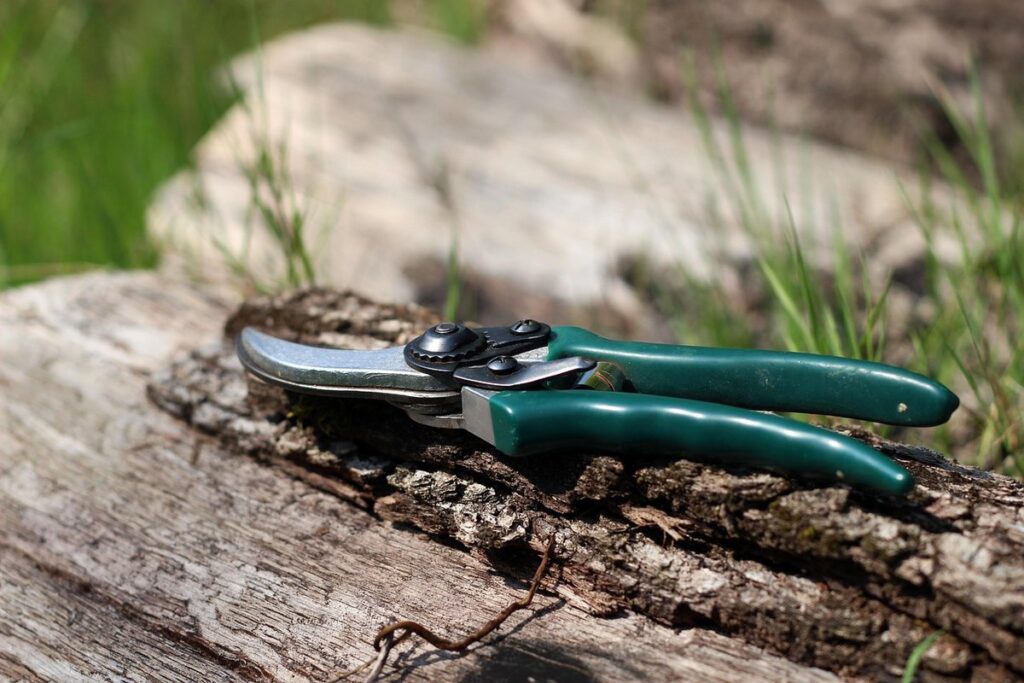
Hand pruners are another essential tool for pruning cucumbers. Look for high-quality hand pruners that are made from durable materials such as stainless steel or titanium. These will withstand frequent use and provide a precise cut every time.
In addition to hand pruners, loppers and pruning saws are also vital tools in your cucumber pruning kit. Loppers are ideal for cutting thicker stems, while pruning saws come in handy for more delicate cuts. Make sure to choose a saw with a curved blade that allows for smooth cuts through thick vines.
Remember to clean and sterilize your tools regularly to prevent the spread of diseases. With the right tools by your side, you’ll be well-equipped to tackle any cucumber pruning task that comes your way.
Preparing the Plant for Pruning
Before you begin pruning your cucumber plants, it’s essential to prepare the area for optimal results. Start by cleaning and disinfecting the surrounding space to prevent the spread of diseases. Remove any debris, weeds, or obstructions that may hinder your access to the plant.
Next, take a closer look at the plant itself. Inspect the stems and leaves for signs of pests or diseases. If you notice any issues, address them before pruning to avoid spreading problems further. Use a pair of clean scissors or pruning shears to gently remove any damaged or diseased growths.
Now, it’s time to create a clear working area around the plant. Clear away any nearby plants or obstructions that may interfere with your pruning process. This will also give you better access to the areas you need to prune and prevent accidental damage to surrounding plants.
Remember, a clean and well-prepared environment is key to successful pruning. By taking these simple steps, you’ll be able to focus on the task at hand – boosting your cucumber harvest!
How to Prune Cucumber Plants Effectively
To prune cucumber plants effectively, you need to know when and how to trim them for optimal growth and maximum yield. We’ll walk through these essential pruning techniques in the next few steps.
Removing Weak Growth and Foliage
When pruning cucumber plants, it’s essential to identify and remove weak growths and foliage that may be competing with fruit production. Weak growths are often characterized by thin, spindly stems, pale leaves, or an excessive number of shoots growing from a single node.
To determine which growths to remove, inspect your plant closely. Look for areas where the stems are crossing over each other, causing damage or rubbing against nearby foliage. These sections may be absorbing valuable resources from more productive areas of the plant. Additionally, if you notice any leaves with yellow or wilted edges, these can often be removed without affecting fruit production.
By carefully removing weak growths and foliage, you’ll promote a more efficient use of nutrients and water. This will encourage your cucumber plants to focus energy on producing high-quality fruit rather than supporting less productive areas. To remove weak growths, simply snip off the affected stems using clean pruning shears or scissors, making sure not to damage adjacent healthy tissue.
Shaping and Training the Plant
As you prune your cucumber plants, it’s essential to shape and train them for optimal growth. This involves creating a supportive structure that allows for good air circulation, sunlight penetration, and easy accessibility for maintenance. To achieve this, start by selecting sturdy stakes or trellises that can support the plant as it grows.
Next, gently tie the main stem of the cucumber plant to the stake using soft twine or clips. This will encourage the plant to grow upwards and outwards, promoting healthy development and preventing disease. Make sure the ties are not too tight, as this can damage the stem and limit growth.
For optimal air circulation, space your plants about 12-18 inches apart. You can also prune nearby vegetation to allow more sunlight to reach your cucumbers. Regularly inspect your plant’s structure and prune any weak or damaged branches to maintain its overall health and promote even growth.
Pruning for Specific Cucumber Varieties
Some cucumber varieties have unique pruning requirements, so let’s dive into how to trim your specific type of cuke for optimal growth and yield.
Determinate vs. Indeterminate Cucumbers
When it comes to pruning cucumbers, understanding their growth habits is crucial for maximizing yield. Determinate and indeterminate varieties exhibit distinct differences in this regard. Determinate cucumbers grow bushy, compact plants that produce a single main stem with all the fruiting nodes at the end. These varieties are perfect for smaller spaces and require minimal support.
On the other hand, indeterminate cucumbers spread out horizontally, producing new growth from the node below each leaf axil. They need regular pruning to control their vigor and promote healthy fruit production. Since indeterminate cucumbers keep producing new stems throughout the season, they are ideal for larger spaces or trellises.
To make the most of your cucumber crop, consider the following key differences between determinate and indeterminate varieties when planning your pruning strategy:
* Prune less frequently with determinate cucumbers
* Regularly prune indeterminate cucumbers to control their spread
* Consider the mature plant size for optimal space utilization
Special Considerations for Container-Grown Cucumbers
When it comes to pruning container-grown cucumbers, you need to consider two key factors: space constraints and root growth limitations. Unlike their field-grown counterparts, container-cucumbers have less room to spread out and develop an extensive root system.
To maximize yields from your container-grown cucumbers, prune them regularly to encourage bushy growth and prevent them from becoming leggy. This will not only make the most of the available space but also ensure the roots have enough room to breathe and absorb nutrients. Remove any weak or spindly growth, focusing on promoting a balanced, compact shape.
Since container-grown cucumbers don’t have as much depth, be mindful when pruning near the soil line. Avoid cutting too close to avoid damaging the roots further. Keep an eye out for signs of nutrient deficiencies and adjust your fertilization schedule accordingly. For optimal results, use a balanced fertilizer specifically formulated for container gardening.
By adapting your pruning strategy to suit the unique needs of your container-grown cucumbers, you can unlock their full potential and enjoy a bountiful harvest.
Maintaining Pruned Cucumber Plants
Now that you’ve pruned your cucumber plants, it’s essential to maintain their health and encourage continued production. Here are some tips for keeping your pruned cucumbers thriving.
Post-Pruning Care and Support
After pruning your cucumber plants, it’s essential to provide them with adequate support to ensure they continue growing and producing a bountiful harvest. This is where trellises or stakes come into play.
A sturdy trellis or stake can help the plant grow upright, keeping it from sprawling on the ground and making it easier to access for future pruning and harvesting. When choosing a trellis or stake, consider the height you want the plant to reach and select one that’s at least 6-8 feet tall.
You’ll also need to secure the trellis or stake firmly into the ground using sturdy stakes or brackets. Make sure it’s stable enough not to topple over in windy conditions.
Some popular options for providing support include:
* Bamboo or metal trellises
* Wooden stakes with twine ties
* Tomato cages that can be adapted for cucumbers
Regularly inspect your plant’s support system to ensure it remains secure and adjust as needed.
Monitoring Plant Health and Adjusting Pruning Strategies
Monitoring plant health post-pruning is crucial to ensure your cucumber plants continue to thrive and produce high yields. As you inspect your pruned plants regularly, look for signs of stress, disease, or pests that may have been introduced during the pruning process.
Check for wilting leaves, yellowing or browning foliage, and any visible damage to stems or fruit. These indicators can signal underlying issues that need attention. For instance, if you notice a fungal infection on your plant’s stem, take action promptly by removing affected areas, disinfecting tools, and applying fungicides.
Adjust your pruning strategy as needed based on growth patterns and observations. If you find that your plants are experiencing stress due to over-pruning or under-pruning, adjust the frequency and intensity of future prunings accordingly. For example, if you’ve noticed an increase in fruit production after a thorough pruning session, consider extending the interval between prunings.
Regular monitoring will also help you identify any nutrient deficiencies or environmental factors affecting your plants’ health. By making informed adjustments to your pruning strategy and addressing emerging issues promptly, you’ll be able to maintain optimal plant health and maximize yield potential.
Frequently Asked Questions
What happens if I prune my cucumber plant too aggressively, removing too much foliage or growth?
Pruning too aggressively can shock the plant, leading to reduced fruit production. To avoid this, remove no more than one-third of the plant’s foliage at a time. Monitor your plant closely after pruning and adjust your strategy as needed.
How often should I prune my cucumber plants for maximum yield?
For optimal results, aim to prune your cucumbers every 7-10 days during peak growing season (spring-fall). Adjust this schedule based on your specific climate, pest/disease pressure, and plant growth rate. Regular pruning encourages bushy growth and directs energy towards fruiting.
Can I still use a regular garden knife for pruning cucumbers, or do I need specialized tools?
Yes, you can start with a regular garden knife for smaller plants or pruning light areas. However, it’s recommended to invest in a good pair of sharp, dedicated pruning shears (like bypass pruners) as your plant grows and requires more frequent maintenance.
How will I know if my cucumber plant needs extra support after pruning?
As you prune and remove weak growth, inspect the remaining stems for any signs of weakness or bending. If necessary, provide trellis support to maintain upright growth, direct fruiting, and prevent damage from wind/weight.
Can I still get a good harvest with determinate cucumbers if I prune them regularly?
Determinate cucumbers naturally produce more compact growth and shorter vines compared to indeterminate varieties. Regular pruning can help control their spread and encourage more fruit production on these bushy plants, but may not be as essential as it is for indeterminates.