
Cucumber enthusiasts, are you looking to boost your yields and reduce stress on your plants? One simple yet effective technique can make all the difference: pruning for optimal airflow. When it comes to cucumbers, good air circulation is essential to prevent disease and promote healthy growth. But did you know that regular pruning can also improve plant health and even increase your harvest? In this comprehensive guide, we’ll explore the best practices for pruning cucumbers to achieve maximum airflow and optimal yields. We’ll cover how to identify and trim affected areas, how often to prune, and how to create a supportive environment for your plants. By the end of this article, you’ll be equipped with the knowledge to take your cucumber growing to the next level.
Benefits of Cucumber Pruning
Pruning cucumbers for better airflow is just one part of the equation – now let’s dive into the benefits you can expect from making this simple change to your gardening routine. By trimming back those sprawling vines, you’ll be surprised at how much it boosts yields and reduces stress on the plants.
Importance of Regular Pruning
Regular pruning is an essential practice that benefits cucumber plants in numerous ways. By maintaining their shape, promoting healthy growth, and encouraging robust root development, regular pruning sets the stage for optimal yield potential. When it comes to airflow, proper pruning ensures that air can circulate freely around the plant, reducing humidity and minimizing the risk of disease.
In cucumbers, diseased or infested areas are often more susceptible to infection and spread. By regularly inspecting your plants and removing any affected sections, you’re taking a proactive approach in controlling the spread of pests and diseases. This not only improves overall plant health but also reduces the need for chemical treatments, making it an environmentally friendly choice.
To incorporate regular pruning into your cucumber care routine, make sure to prune at least once a week during peak growth periods. Inspect your plants carefully, removing any weak or spindly growth, and gently trim back overgrown areas to maintain an open, airy structure. By prioritizing regular pruning, you’ll be well on your way to cultivating strong, healthy cucumber plants that thrive in their environment.
How Pruning Affects Plant Stress
Pruning can have a profound impact on plant stress levels, and it’s not just about cutting back the plants to control airflow. By strategically removing weak or damaged leaves, you’re giving your cucumbers a much-needed break from internal conflicts that can weaken their overall health.
When plants are under stress, they divert precious energy resources towards repairing damaged tissues rather than producing new growth. This can lead to stunted development and reduced yields. However, by pruning out these weak areas, you’re essentially removing the “distractions” that take away from your plant’s productivity.
Think of it like cleaning up a cluttered workspace – once the non-essential items are removed, you can focus on what really matters: growing healthy, thriving cucumbers. By pruning out diseased or damaged leaves, you’re sending a clear signal to your plants that they don’t need to waste energy on self-repair.
This targeted approach not only reduces stress but also encourages your cucumbers to channel their energy into producing more fruit and flowers.
Best Time for Cucumber Pruning
To prune cucumber plants effectively, it’s crucial to know when to do it, and that’s exactly what we’ll cover next. This critical timing is tied directly to your plant’s growth stage.
Determining the Optimal Pruning Schedule
When it comes to determining the optimal pruning schedule for cucumbers, you’ll need to consider several factors. Climate plays a significant role, as plants grown in warmer temperatures may require more frequent pruning than those in cooler climates. For example, if you’re growing cucumbers in a hot and humid region, you may need to prune them every 7-10 days to maintain optimal airflow.
The specific plant variety is also crucial in determining the best pruning schedule. Some cucumber varieties are bred for their compact growth habits, while others can become quite sprawling. For instance, if you’re growing a popular variety like ‘Slicing’, which tends to be more vigorous, you may need to prune them every 5-7 days to prevent overcrowding.
In general, it’s best to prune cucumbers when they reach about 1-2 feet in length. Remove any weak or spindly growth to promote healthy air circulation and encourage the plant to focus its energy on producing fruit.
Factors Influencing Pruning Frequency
When it comes to determining the best pruning schedule for your cucumbers, understanding the impact of environmental factors is crucial. Temperature, humidity, and sunlight exposure can all significantly influence how frequently you need to prune.
In areas with high temperatures (above 85°F/30°C), cucumber plants tend to grow more quickly, resulting in more vigorous pruning needs. Conversely, cooler temperatures (below 60°F/15°C) slow down plant growth, requiring less frequent pruning. Be mindful that sudden changes in temperature can stress the plant, so monitor your climate closely and adjust pruning accordingly.
Humidity levels also play a role in determining pruning frequency. Cucumbers prefer well-draining soil, and high humidity can lead to fungal diseases and root rot if not managed properly. In humid environments (above 60%), prune more regularly to maintain air circulation and prevent moisture buildup. Keep an eye on your plant’s leaves for signs of disease or pest infestations.
Sunlight exposure affects plant growth patterns as well. Direct sunlight can cause cucumbers to stretch, requiring additional support or pruning to encourage bushy growth. In areas with intense sunlight (above 6 hours/day), prune more frequently to control stem elongation and promote healthy growth. By monitoring these environmental factors and adjusting your pruning schedule accordingly, you’ll be better equipped to optimize airflow within your cucumber plant.
Techniques for Pruning Cucumbers
Now that we’ve covered why pruning cucumbers is so important, let’s dive into some practical techniques to help you maximize airflow and promote healthy growth. We’ll explore specific methods for pruning your cucumber plants.
Pinching for Bush Varieties
For bush varieties of cucumbers, pinching off the top growth is an effective technique to encourage a fuller plant with more fruiting branches. This method not only controls the plant’s height but also promotes lateral growth, leading to increased yields.
To pinch for bush varieties, wait until the plant has around 6-8 leaves and is about 6 inches tall. Using your fingers or a pair of clean scissors, carefully remove the top set of leaves, making sure to leave at least two sets of leaves below the cut. This will encourage the plant to focus its energy on developing more fruiting branches.
By pinching off the top growth, you’ll be redirecting the plant’s resources towards producing more lateral shoots and a bushier shape. As a result, your cucumber plants will have better air circulation, reducing the risk of fungal diseases that thrive in humid conditions. With this technique, you can expect to see an increase in yields as well as a healthier and more robust plant.
Tying for Trellis Support
When it comes to cucumbers, tying them to trellises or other supports is essential for effective air-pruning techniques. This may seem like a straightforward task, but it’s crucial to get it right. Regularly checking and adjusting the ties will help maintain the plant’s structure, preventing damage from wind or rain that can lead to stress.
To start, use soft twine or clips to secure the stem of your cucumber plant to its trellis. Make sure the tie is snug but not too tight, as this can constrict the growth of the plant. As your plant grows, check and adjust the ties every few days to ensure they’re still in place.
For optimal results, tie your cucumbers at the right time – when the stem is around 6-8 inches tall. This allows for easy access to the plant’s structure and prevents damage from overgrown stems that can obstruct light exposure. Regularly inspecting and adjusting ties will help maintain a healthy, stress-free environment for your cucumber plants, ultimately leading to improved yields and better air-pruning results.
Airflow Considerations
When pruning cucumbers for airflow, it’s essential to consider how your cuts will impact the plant’s ability to breathe and circulate air. This is especially crucial when growing in humid or shaded conditions.
Understanding Airflow Impact on Pruning
When pruning cucumber plants, it’s essential to consider airflow as a crucial factor. As cucumbers grow vertically, they can quickly become dense and humid, creating an environment conducive to fungal diseases. To prevent this, ensure that your pruned plant allows for adequate air circulation.
Pruning techniques such as removing lower leaves and trimming stems not only promote healthy growth but also improve airflow. For instance, removing the lower set of leaves reduces moisture buildup near the soil, reducing the risk of fungal infections like powdery mildew. Trimming stems encourages a bushy shape, allowing sunlight to penetrate deeper into the plant and promoting even drying.
In addition to pruning, you can also enhance airflow by providing sufficient space between plants. This not only allows air to circulate around each plant but also reduces competition for resources like water and nutrients. By combining strategic pruning with thoughtful spacing, you’ll create a healthier and more resilient cucumber crop.
Creating Optimal Pruning Angles
When it comes to pruning your cucumbers for optimal airflow, getting the angle right is crucial. Properly pruning at specific angles ensures maximum airflow and allows for uniform sunlight exposure across all plant surfaces, promoting healthy growth. To achieve this, prune your cucumber vines at a 45-degree angle, cutting just above a leaf node or an internode. This encourages new growth to emerge from the cut area, creating a fuller and more robust plant.
Pruning at the right angle also helps to prevent water from collecting on the leaves and stems, reducing the risk of fungal diseases like powdery mildew and downy mildew. For example, if you’re pruning your cucumber plants in the morning, make sure to prune at an angle that allows for sunlight to penetrate between the remaining foliage and the plant’s stem. This will help prevent moisture from accumulating and reduce stress on the plant.
To take it a step further, use a pair of sharp, clean pruning shears or loppers to cut through thick stems and vines without causing damage. Make your cuts at an angle that allows for easy water runoff and prevents water from collecting in the wounds, which can lead to disease and infection.
Common Mistakes to Avoid in Cucumber Pruning
When pruning cucumbers for better airflow, it’s easy to make mistakes that can harm your plants, so let’s cover some common pitfalls to watch out for.
Over-Pruning Risks
When it comes to cucumber pruning for airflow, it’s easy to get carried away with the idea of cutting back as much foliage as possible. However, over-pruning can be a recipe for disaster. Think of your cucumber plant like a delicate ecosystem – removing too many leaves or stems at once can shock the plant, leaving it vulnerable to disease and pests.
This is especially true if you’re new to pruning or haven’t paid attention to the plant’s overall health before tackling the task. Over-pruning can cause stress that can reduce yields significantly, or even worse, kill the plant altogether. To avoid this, start by assessing your plant’s needs – take stock of any weak or damaged growth and remove only what’s necessary.
A good rule of thumb is to prune no more than 20-30% of the plant at one time. This will give the remaining foliage a chance to adjust without causing undue stress. Remember, pruning for airflow is about creating a balance between allowing air to circulate through the plant and preserving its overall health – take it slow and be gentle!
Inadequate Support for Airflow
When pruning cukes for airflow, one of the most critical considerations is providing adequate support for air circulation. This might seem like a no-brainer, but many gardeners overlook this crucial aspect, leading to devastating consequences.
As cukes grow and spread out, their dense foliage creates an environment conducive to fungal diseases and pest infestations. Regular pruning must consider air circulation throughout the growing season. Think of it as a balancing act: you want to promote healthy growth while maintaining enough space for air to circulate freely.
To avoid this common mistake, ensure that your trellis or support system allows for at least 2-3 feet of clearance between each plant. You can also consider using vertical gardening methods or pruning techniques that promote horizontal growth patterns, like the “Espalier” method. By providing adequate airflow, you’ll significantly reduce the risk of fungal diseases and pest infestations, setting your plants up for a healthy and productive growing season.
Regularly inspect your plants and prune any dense areas to maintain optimal air circulation. This simple yet effective practice can make all the difference in the long run.
Cucumber Pruning Tools and Materials
When it comes to pruning cucumbers for optimal airflow, you’ll want to invest in a few essential tools and gather some specific materials to get the job done efficiently.
Essential Hand Pruning Tools
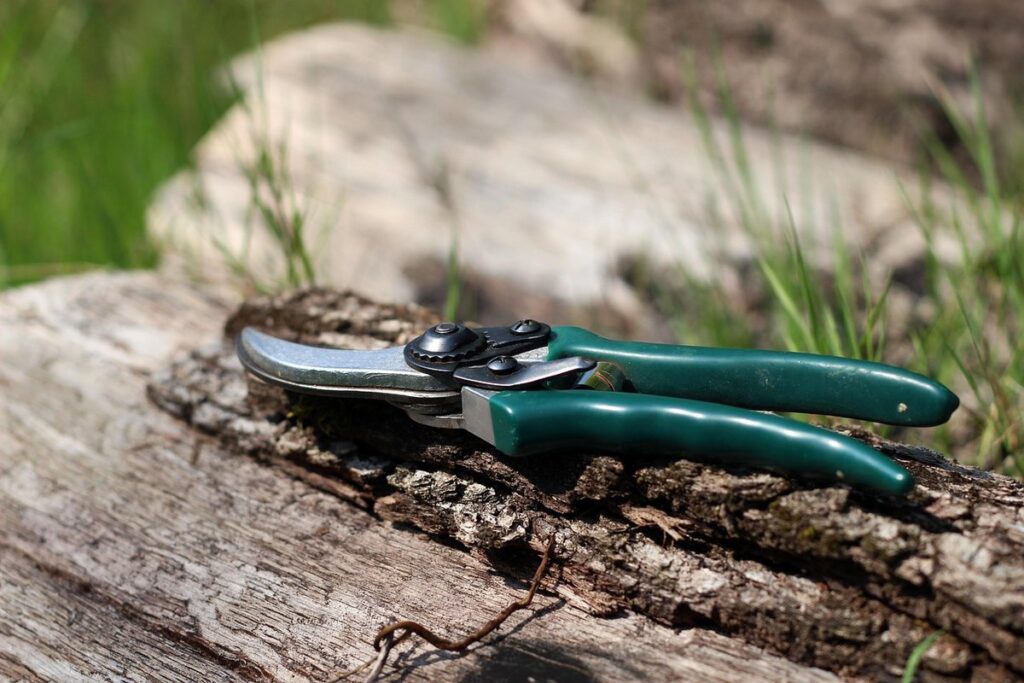
When it comes to pruning cucumbers for optimal airflow, having the right hand pruners or loppers can make a significant difference. Investing in high-quality tools specifically designed for gardening tasks is essential. Not only do they provide better control and precision, but they also help prevent accidents.
Sharp and clean tools are crucial when working with plants to avoid spreading diseases between them. Dull blades can tear the plant’s tissue, creating entry points for pests and diseases, while dirty tools can transfer bacteria and other pathogens from one plant to another. Regularly sanitize your hand pruners or loppers with soap and water to keep them in good condition.
When selecting hand pruners or loppers, look for ones made from durable materials like stainless steel or high-carbon steel. These materials resist corrosion and maintain their sharpness over time. Also, choose tools with comfortable grips and ergonomic handles to reduce fatigue during extended pruning sessions. This will help you stay focused on the task at hand and ensure a more efficient pruning experience.
Safety Precautions When Handling Pruning Tools
When handling pruning tools, it’s essential to prioritize your safety and well-being. Pruning can be physically demanding, especially when working with heavy equipment or dealing with dense plant growth.
To minimize the risk of injury, make sure you’re wearing proper protective gear, including gloves, safety glasses, and a long-sleeved shirt. This will help prevent cuts, scratches, and other injuries from sharp tools and thorns.
Regularly inspect your pruning tools for damage or wear and tear to ensure they function correctly. Always store them in a safe place when not in use to avoid accidental injury.
When working with power equipment, follow the manufacturer’s instructions carefully and maintain a safe distance between you and the tool. Keep loose clothing tied back and avoid wearing jewelry that may get caught in moving parts.
By taking these safety precautions seriously, you can enjoy a more productive and stress-free pruning experience while minimizing the risk of accidents.
Conclusion: Unlocking the Full Potential of Your Cucumber Crop
By implementing effective cucumber pruning techniques for airflow, you’ll be able to unlock the full potential of your crop. Regular pruning not only improves air circulation but also promotes healthy growth and a more robust plant structure. This ultimately leads to higher yields and a reduced risk of fungal diseases that thrive in humid environments. As you monitor your plants’ response to pruning, make adjustments as needed to maintain optimal airflow and encourage further growth. By following these simple steps and being mindful of the delicate balance between pruning and plant health, you’ll be well on your way to cultivating a thriving cucumber crop that brings you bountiful rewards in the form of delicious homegrown produce. With patience and practice, you’ll master the art of pruning for airflow and watch your yields soar.
Frequently Asked Questions
Can I prune my cucumber plants too frequently, or will it negatively impact their growth?
No, regular pruning is essential for optimal yield potential, but over-pruning can lead to stress on the plant. Monitor your plants and adjust pruning frequency based on their response.
How do I ensure adequate support for airflow after pruning my cucumbers?
Providing trellis support or a sturdy structure for your cucumber vines is crucial for maintaining optimal airflow. Make sure the support system allows for easy access and is securely anchored to prevent toppling in strong winds.
What are some common signs that I need to prune my cucumbers more frequently, such as disease susceptibility?
Watch out for yellowing leaves, wilting, or powdery mildew – all indicators of reduced air circulation. Prune affected areas promptly to prevent further stress on the plant and promote healthy growth.
Are there specific pruning techniques I should use when dealing with bush varieties versus vining cucumbers?
For bush varieties, use pinching techniques to encourage branching and promote even growth. Vining cucumbers require more extensive pruning to maintain shape and promote airflow.
Can I use any ordinary pruning tool for pruning my cucumber plants, or do I need specialized equipment?
Use sharp, clean hand pruning tools specifically designed for gardening tasks. This ensures efficient pruning and minimizes the risk of transferring diseases between plants.