
Cucumbers are one of the most popular garden vegetables, but even experienced growers can encounter issues that threaten their crop. From pests like aphids and spider mites to diseases such as powdery mildew and bacterial wilt, cucumbers are vulnerable to a range of problems. Nutrient deficiencies and environmental factors like temperature fluctuations and inadequate watering can also impact their health. Identifying the root cause of these issues is crucial to preventing further damage and ensuring a healthy crop.
In this article, we’ll delve into common cucumber problems and provide guidance on how to identify and address them. We’ll explore the signs and symptoms of pests, diseases, nutrient deficiencies, and environmental factors that can affect cucumbers, as well as practical tips for prevention and treatment. By learning how to tackle these issues head-on, you’ll be able to enjoy a bountiful harvest of delicious cucumbers all season long.
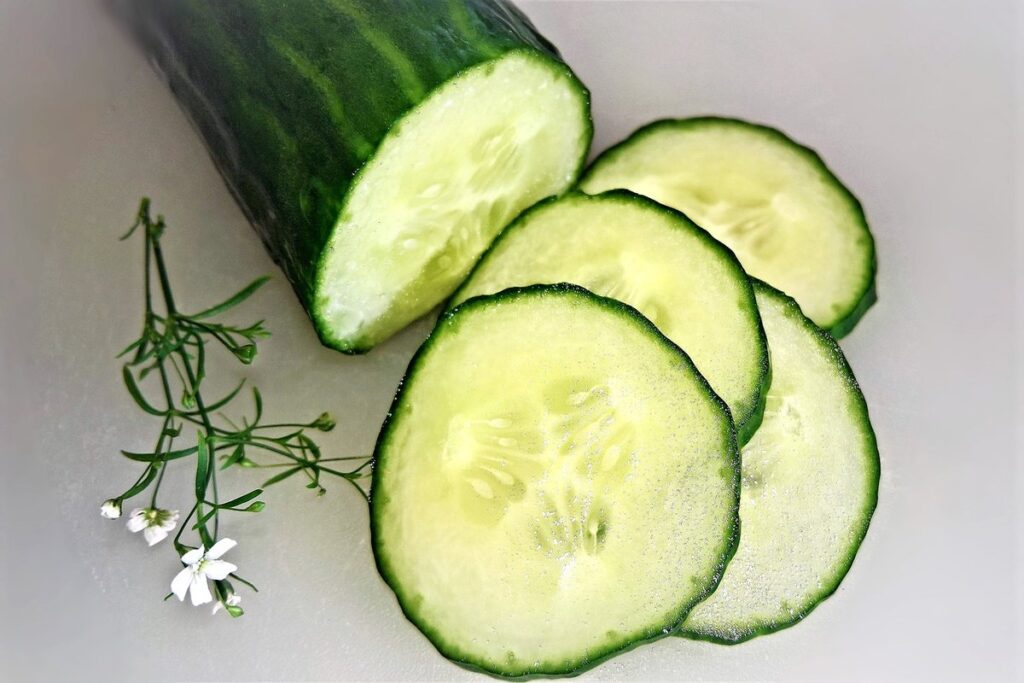
The Anatomy of Cucumbers
Cucumbers have unique characteristics that make them susceptible to certain problems, so let’s break down their anatomy and explore how it impacts their health. We’ll start by examining the cucumber plant itself.
Types of Cucumbers
When it comes to cucumbers, not all varieties are created equal. In fact, different types of cucumbers have distinct characteristics that can affect their performance and problem-solving needs. Let’s take a closer look at some of the most common types of cucumbers: slicing, pickling, English, and Kirby.
Slicing cucumbers are long, slender, and have a mild flavor. They’re perfect for snacking, salads, and sandwiches. However, their high water content makes them more prone to spoilage and mold. To prevent this, store them in a cool, dry place or use a breathable bag to keep them fresh.
Pickling cucumbers, on the other hand, are smaller, rounder, and have a sweeter flavor. They’re ideal for making pickles and are often treated with calcium chloride to reduce bitterness. If you’re growing your own pickling cucumbers, be aware that they require more maintenance due to their sensitive skin.
English cucumbers are longer and more slender than slicing cucumbers, with a thinner skin that’s less prone to blemishes. They have a milder flavor and are perfect for salads and sandwiches. However, their delicate skin requires gentle handling to avoid bruising.
Kirby cucumbers are small, round, and have a sweet flavor. They’re often used in salads and as a garnish. Due to their compact size, they’re more resistant to disease and pests but may require more frequent watering.
Understanding the unique characteristics of each type can help you identify potential problems and implement targeted solutions. By recognizing the specific needs of your cucumber variety, you’ll be better equipped to address any issues that arise, from spoilage and mold to pests and diseases.
How Cucumbers Grow
To grow cucumbers successfully, you need to provide them with optimal conditions. Cucumbers are warm-season crops that thrive in temperatures between 65°F and 95°F (18°C and 35°C). They prefer well-draining soil with a pH between 6.0 and 7.0, rich in organic matter such as compost or manure.
When it comes to growing cucumbers, sunlight is essential. Cucumbers need at least six hours of direct sunlight per day to produce fruit. Make sure the area where you’re planting cucumbers receives adequate sunlight throughout the day.
Soil preparation is also crucial for healthy cucumber growth. Test your soil regularly to determine its pH level and nutrient content. Add organic matter or fertilizers as needed to ensure your soil provides everything cucumbers need to thrive.
It’s essential to plant cucumbers in a spot with good air circulation to prevent fungal diseases that thrive in humid environments. Also, keep the area around the plants weed-free to avoid competition for water and nutrients.
To encourage healthy growth, water cucumbers consistently but avoid overwatering, which can lead to root rot. Keep the soil moist during fruiting, but allow it to dry slightly between waterings. By providing cucumbers with optimal growing conditions, you’ll be better equipped to handle any problems that may arise and ensure a bountiful harvest.
Common Problems with Cucumbers
If you’re growing cucumbers and facing issues, chances are you’re dealing with common problems that can easily be identified and addressed. Let’s explore some of these pesky issues together.
Pests and Diseases
Pests and diseases are some of the most common problems that affect cucumbers. Aphids, for example, can cause curled leaves and stunted growth by sucking sap from the plant. Spider mites, on the other hand, can lead to yellowing or bronzing of leaves due to their piercing-sucking mouthparts.
Powdery mildew is another disease that can wreak havoc on cucumber plants. This fungal disease appears as a white powdery coating on the leaves and stems, causing them to become distorted and disfigured. Downy mildew, which causes grayish-white growth on the underside of leaves, is also common among cucumbers.
To manage pests like aphids and spider mites, consider introducing beneficial insects such as ladybugs or lacewings into your garden. You can also use neem oil to control infestations. When it comes to diseases like powdery mildew and downy mildew, maintaining good air circulation by pruning the plants is crucial. Use copper-based fungicides for powdery mildew treatment. Always inspect your cucumbers regularly and take action promptly to prevent these problems from spreading.
Nutrient Deficiencies
Nutrient deficiencies can be a common issue with cucumber plants, leading to reduced yields and poor plant health. To identify nutrient deficiencies, monitor your plants for signs such as yellowing leaves, stunted growth, or weak stems. These symptoms can be indicative of inadequate nitrogen, phosphorus, potassium, magnesium, or calcium levels in the soil.
A lack of essential nutrients can be caused by factors such as soil pH imbalances, poor soil quality, or excessive water usage. To address nutrient deficiencies, consider getting a soil test to determine the specific nutrient requirements of your plants. Based on the results, you may need to apply fertilizers or other nutrient-rich products to the soil.
For example, if your cucumber plants are showing signs of iron deficiency (characterized by interveinal chlorosis), you can try applying an iron sulfate fertilizer according to the product’s instructions. Similarly, if your plants are struggling with potassium deficiencies (indicated by yellowing leaves), a potassium-rich fertilizer can help alleviate these symptoms.
When selecting fertilizers or other nutrient supplements, be sure to choose products that are specifically formulated for vegetable gardens and contain micronutrients like boron and manganese, which are essential for healthy cucumber growth.
Environmental Factors Affecting Cucumbers
Cucumber plants can be affected by a range of environmental factors, including temperature fluctuations, sunlight exposure, and soil moisture levels. Understanding these factors is key to preventing problems.
Temperature Extremes
Temperature extremes can have a significant impact on cucumber growth and production. When temperatures rise above 85°F (29°C), cucumbers may experience heat stress, leading to sunscald, blossom-end rot, and reduced yields. Prolonged exposure to high temperatures can also cause the fruit to become misshapen or develop brown spots.
On the other hand, cooler temperatures below 50°F (10°C) can slow down cucumber growth, causing the plant to take longer to mature. If the temperature drops too low, cucumbers may not produce at all. For example, a study conducted in the United States found that when daytime temperatures were kept between 75-85°F (24-29°C), cucumber yields increased by up to 20%. However, when daytime temperatures exceeded 90°F (32°C), yields decreased significantly.
To mitigate the effects of temperature extremes, farmers can implement strategies such as row covers or shading to protect cucumbers from intense sunlight. They can also adjust planting dates to avoid periods of extreme heat or cold. Additionally, using irrigation systems that provide optimal moisture levels can help cucumbers withstand temperature fluctuations.
Water Stress
Maintaining consistent moisture levels is crucial for healthy cucumber plants. Cucumbers require about 2-3 inches of water per week to produce high yields and maintain optimal growth. Water stress can lead to a range of problems, including reduced fruit production, yellowing or browning leaves, and even plant death.
When cucumbers experience drought or waterlogged soil conditions, they may develop physiological disorders like blossom-end rot (BER) or scald. These issues arise when the plant’s cells are subjected to fluctuations in water availability, causing uneven growth patterns and nutrient imbalances. To prevent water stress, ensure your cucumber plants receive about 1-2 inches of water per week during hot summer months.
Keep an eye on soil moisture by inserting a finger into the soil up to 3-4 inches deep. If the top inch feels dry to the touch, it’s time for watering. Avoid overwatering, which can lead to root rot and other complications. Instead, adopt a drip irrigation system or soaker hose to deliver water directly to the roots, reducing evaporation and runoff.
Tips for Growing Healthy Cucumbers
Wanting a bountiful harvest of healthy cucumbers? This section shares expert tips on how to grow cucumbers that are free from common problems and thrive in your garden.
Soil Preparation
Soil preparation is often an overlooked aspect of cucumber cultivation, but it’s crucial for healthy plant growth and preventing common problems like nutrient deficiencies. To ensure your soil is perfect for cucumbers, you’ll need to consider the pH balance and nutrient levels.
Firstly, test your soil pH using a DIY kit or send a sample to a lab for analysis. Most vegetables prefer a slightly acidic to neutral soil pH between 6.0 and 7.0. Cucumbers are no exception; they thrive in a pH range of 6.2 to 6.8.
If your soil is too alkaline or acidic, amend it with lime or sulfur according to the results. For instance, if you need to raise the pH, add 1-2 cups of dolomitic limestone per square foot and mix well.
In terms of nutrient addition, cucumbers are heavy feeders that require a balanced diet of nitrogen, phosphorus, potassium (NPK), and micronutrients like calcium and magnesium. Mix in 5-10 pounds of compost or well-rotted manure per square foot to provide essential nutrients for optimal growth.
Remember, consistency is key when it comes to soil preparation. Regularly test your soil and make adjustments as needed to prevent common problems like nutrient deficiencies and promote healthy cucumber plants.
Pruning and Training
Pruning and training cucumber vines is essential for maximizing yield and promoting healthy growth. Regular pruning helps control the plant’s vigor, encourages lateral branching, and directs the plant’s energy towards fruit production.
When to Prune:
Prune your cucumber vine when it reaches about 6 inches tall, removing any weak or spindly growth. This technique is called “tip-pruning.” Remove the top set of leaves, leaving two sets below them. This encourages the plant to produce more lateral shoots, which will eventually become fruiting branches.
Training the Vine:
Use a trellis or a fence to train the cucumber vine to grow upwards. You can also use a horizontal support like a wooden board or a wire mesh. As the vine grows, gently twine it around the support using soft materials like twine or clips.
Pruning during the growing season will continue to promote healthy growth and encourage fruiting. By pruning your cucumber vines regularly, you’ll be rewarded with a bountiful harvest of delicious cucumbers.
Common Mistakes When Growing Cucumbers
Growing cucumbers can be a challenge, and making some common mistakes can ruin your entire crop. Let’s take a closer look at what to avoid when growing these popular garden vegetables.
Overwatering
Overwatering is one of the most common mistakes when growing cucumbers. It’s easy to get carried away with watering, but too much water can be just as detrimental as not enough. When a cucumber plant receives more water than it needs, its roots begin to rot, causing the plant to struggle to absorb essential nutrients.
This can lead to a range of problems, including yellowing leaves, droopy stems, and reduced fruit production. If left unchecked, overwatering can even cause the plant to succumb to root rot, a condition that’s difficult to treat and often fatal.
To avoid overwatering, it’s crucial to maintain optimal moisture levels. Check the soil daily by inserting your finger into the soil up to the first knuckle. If the soil feels dry, it’s time for watering. Also, ensure good air circulation around the plant to prevent fungal diseases that thrive in damp conditions. Water cucumbers deeply but infrequently, allowing the top 1-2 inches of soil to dry out between waterings. This will encourage deep root growth and make your cucumber plants more resilient to drought.
Poor Support
When growing cucumbers, one common mistake gardeners make is failing to provide adequate support for their plants. Cucumbers are a vining crop that spreads out and climbs upwards as they grow, so they need something to cling to in order to reach their full potential. Without proper support, cucumber plants can become leggy and weak, producing fewer fruits and making them more susceptible to disease.
This is where trellises and stakes come in – two essential tools for providing the necessary support your cucumbers need. A sturdy trellis or stake can help keep your plant upright, promote even growth, and make harvesting easier. For example, you can train your cucumber vines to climb up a trellis using twine or clips, or simply insert stakes into the soil near the base of the plant to provide support.
When choosing a trellis or stake, consider the mature size of your plant – a minimum of 6 feet in height is recommended. Make sure it’s sturdy enough to hold the weight of your cucumbers and weather conditions like wind or rain. By providing your cucumber plants with proper support, you’ll be able to enjoy a healthier, more productive harvest all season long.
Troubleshooting Cucumber Problems
If you’ve encountered issues while working with Cucumber, this troubleshooting guide will walk you through common problems and their solutions to get your automation up and running smoothly again.
Identifying Root Causes
Identifying the root cause of cucumber problems is often the most challenging part of troubleshooting. But, it’s also where the magic happens – fixing one symptom can sometimes inadvertently introduce new ones. To avoid this cycle, let’s break down the process into manageable steps.
Start by gathering data on the issue at hand. Collect logs, screenshots, and any relevant information that might indicate what’s going wrong. Be specific about your observations – is it a performance problem or an error message? This step is crucial because it helps you frame the question in the right way, making it easier to tackle.
Next, divide potential causes into three categories: environmental factors, internal system issues, and external dependencies. For example, if your cucumber isn’t producing as expected, could it be due to insufficient light, water quality, or pests? Perhaps there’s an issue with your soil pH level or nutrient intake? Once you have a list of possible causes, prioritize them based on their likelihood and impact.
Now, take the top candidates from each category and create a hypothesis for what might be happening. Don’t assume – test your theories by modifying one variable at a time to observe the effects. This is an iterative process that requires patience but yields accurate diagnoses every time.
In addition, consider using tools like cucumber’s built-in reporting features or external monitoring software to provide valuable insights into system behavior and performance metrics. These can help you pinpoint potential issues before they become critical problems.
Lastly, keep a close eye on your testing environment – ensure it’s up-to-date with the latest version of Cucumber and any other dependencies required for accurate results. Regularly reviewing these factors will prevent future issues from arising and save you time in the long run.
Implementing Solutions
When implementing solutions to common cucumber problems, it’s essential to address the issue at its root cause. For instance, if you’re experiencing inconsistent test results due to timing issues, consider implementing a wait strategy or adjusting your step definitions to account for varying execution times.
To resolve common issues with cucumbers, start by identifying the specific problem and researching potential solutions. This may involve tweaking your feature file, updating your dependencies, or adjusting your test environment. For example, if you’re experiencing difficulties with cucumber’s support for parallel testing, try upgrading to the latest version of Cucumber-JVM or exploring alternative libraries like Cucumber-Parallel.
Another approach is to implement automation strategies that mitigate common issues. This could include incorporating retries into your tests to handle intermittent failures or implementing robust error handling mechanisms to capture and report on test failures. By proactively addressing potential pitfalls, you can ensure a smoother testing experience and minimize the impact of cucumber problems on your project’s overall development cycle.
As you implement solutions, be sure to thoroughly document any changes made to your codebase or test environment. This will facilitate future debugging efforts and help others understand the modifications implemented to address specific issues.
Frequently Asked Questions
How can I identify the root cause of a particular issue affecting my cucumbers?
Identifying the root cause is crucial to preventing further damage. Start by monitoring your plants’ growth, watching for signs of pests, diseases, or nutrient deficiencies. Take note of any environmental factors that may be contributing to the problem, such as temperature fluctuations or inadequate watering. Use this information to narrow down possible causes and implement targeted solutions.
What are some common mistakes to avoid when growing cucumbers?
Overwatering is a common mistake that can lead to root rot and other problems. Be mindful of your watering schedule and ensure good air circulation around your plants. Additionally, provide adequate support for climbing varieties and train them properly to prevent damage from wind or weight.
Can I use organic methods to control pests and diseases in my cucumber crop?
Yes, there are many effective organic methods for controlling pests and diseases. For example, introducing beneficial insects like ladybugs or lacewings can help manage aphid populations. Regularly inspect your plants for signs of disease and use neem oil or other natural fungicides to prevent the spread of fungal infections.
How do I know if my cucumber plant is receiving adequate nutrients?
Monitor your plant’s growth and watch for signs of nutrient deficiencies, such as yellowing leaves or stunted growth. Use a soil test kit to determine the pH level and nutrient content of your soil. Adjust your fertilization schedule accordingly, taking care not to over-fertilize which can lead to other problems.
What are some tips for maintaining healthy cucumbers throughout the growing season?
Regular pruning and training can help promote healthy growth and prevent damage from pests or diseases. Keep your plants well-watered but avoid overwatering, which can lead to root rot and other issues. Monitor your plant’s temperature requirements and provide shade if necessary during extreme heatwaves or cold snaps.