
Are you growing cucumbers and noticing that your plants are producing an abundance of beautiful flowers, but somehow, miraculously, no fruits? You’re not alone! This is a common issue many gardeners face, and it can be frustrating to try and figure out what’s going wrong. Temperature fluctuations, poor soil quality, inadequate pollination, pests, and nutrient deficiencies are just some of the potential culprits behind this phenomenon.
In this article, we’ll delve into the world of cucumber plant flowers and explore why they might not be producing any fruits. We’ll cover the common issues that can lead to this problem and provide actionable tips on how to address them. Whether you’re a seasoned gardener or just starting out, this post will help you troubleshoot the issue and get your cucumbers growing in no time!
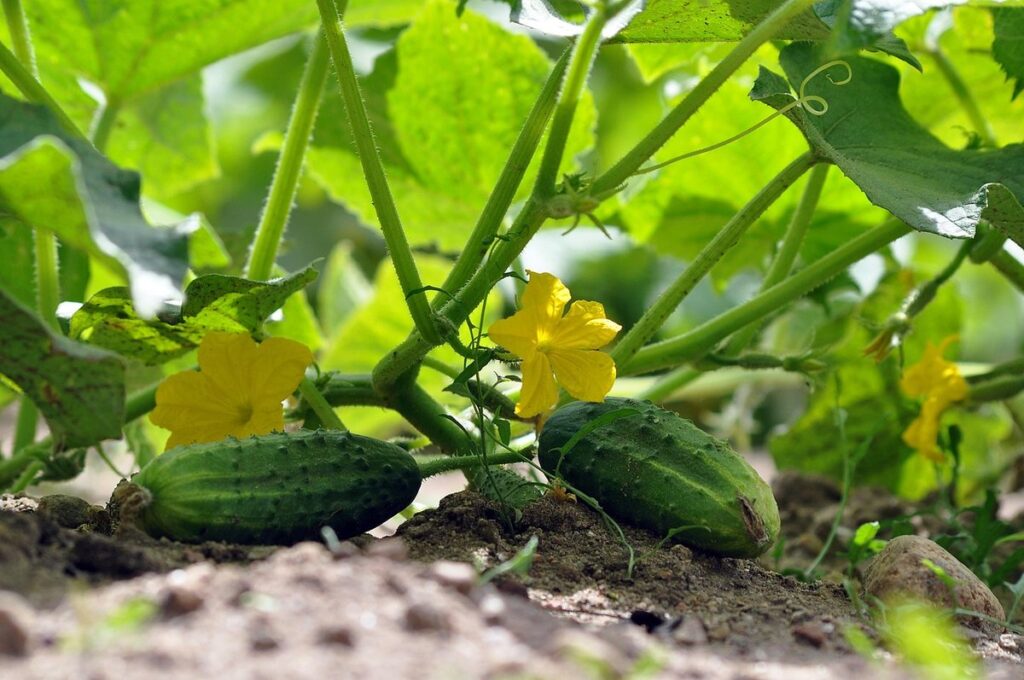
What Causes Cucumber Plants to Produce Only Flowers
One of the most frustrating things that can happen to a cucumber gardener is seeing their plant produce beautiful flowers, only to realize they won’t set fruit. Let’s explore some common reasons why this might be happening.
The Importance of Temperature and Climate Conditions
When it comes to growing cucumbers, many gardeners are familiar with the challenges of getting their plants to produce fruit. However, did you know that temperature fluctuations and climate conditions play a significant role in this process? The ideal temperature range for cucumber plant growth is between 65-75°F (18-24°C), and this optimal temperature zone is crucial for successful pollination and fruit set.
If the temperature rises above 85°F (29°C) or drops below 55°F (13°C), it can severely impact your plant’s ability to produce fruit. In fact, temperatures outside of this range can even cause the plant to stop producing flowers altogether! For example, if you live in a region with intense heatwaves during the summer months, your cucumber plants may experience heat stress, leading to reduced fertility and a lack of fruit production.
To ensure optimal conditions for your cucumber plants, make sure to choose a location that receives partial shade, especially during the hottest part of the day. You can also use row covers or other types of frost protection to shield your plants from extreme temperature fluctuations. By providing your cucumber plants with a stable and comfortable environment, you’ll be well on your way to enjoying a bountiful harvest of delicious cucumbers!
Role of Soil Quality and Nutrient Availability
Soil quality and nutrient availability play a crucial role in supporting healthy cucumber plant growth and fruit production. A suitable soil pH is essential for optimal nutrient uptake by the plants. Most cucumbers thrive in slightly acidic to neutral soils, with a pH range of 6.0-7.0. If your soil pH falls outside this range, it can lead to nutrient deficiencies, stunted growth, or poor fruiting.
Adequate water supply is also vital for cucumber plant health. Consistent moisture levels ensure that plants can absorb essential nutrients from the soil. However, overwatering can cause root rot and other problems, leading to flower drop and reduced fruit set. Aim to maintain a regular watering schedule, allowing the top inch of soil to dry out between waterings.
Nutrient-rich soil is equally important for supporting healthy plant growth. Cucumbers require a balanced mix of macronutrients (nitrogen, phosphorus, potassium) and micronutrients (iron, zinc, boron). Adding compost or well-rotted manure can help improve soil fertility and structure, promoting better nutrient availability to the plants.
The Impact of Pollination on Cucumber Fruit Set
Let’s dive into how pollination affects cucumber fruit set, a crucial factor that often gets overlooked when diagnosing why your plants aren’t producing fruit.
Types of Pollinators and Their Effectiveness
Cucumbers are self-pollinating to some extent, meaning they can produce fruit without the help of external pollinators. However, having various types of pollinators visiting cucumber plants can significantly enhance the chances of successful pollination and subsequent fruit set.
Bees are perhaps the most effective pollinators for cucumbers. These busy creatures transfer pollen from the anther to the stigma with ease, ensuring that the plant’s reproductive parts are properly fertilized. In fact, studies have shown that honey bees (Apis mellifera) can increase cucumber yields by up to 50%. As they move from flower to flower in search of nectar, they inadvertently collect and transport pollen, allowing for successful pollination.
Butterflies and moths also visit cucumber plants, but their effectiveness is relatively lower compared to bees. While these insects may occasionally transfer pollen, their activity is generally more focused on feeding and less focused on pollination. As a result, bee-friendly strategies such as planting bee-attracting flowers near the cucumber patch can significantly boost pollination rates.
In practical terms, gardeners can encourage bee activity by avoiding pesticides that harm or repel bees, providing a source of water for them to drink, and planting a diverse range of flowers that are rich in nectar.
Factors Influencing Pollinator Activity and Efficiency
Pollinators play a vital role in transferring pollen between cucumber flowers, which is essential for fruit set. However, their activity and efficiency can be influenced by several factors. One significant factor is the plant variety itself. Some cucumber varieties are bred to be more attractive to pollinators than others, such as ‘Suyo Long’ or ‘Marketmore’, which have larger, showier flowers that attract a wider range of pollinators.
The color of the flower also plays a crucial role in attracting pollinators. While white and yellow flowers tend to attract bees, blue and purple flowers are more attractive to butterflies and other insects. Cucumber varieties with these colors can benefit from increased pollinator activity. For instance, ‘Blue Boy’ cucumber has blue flowers that are particularly appealing to pollinators.
The time of day also influences pollinator activity. In most regions, pollinators like bees are most active during peak sunlight hours (usually between 10 am and 3 pm). Planting cucumber flowers in areas that receive full sun can increase pollination rates. Moreover, ensuring a steady supply of nectar-rich flowers nearby can encourage pollinators to visit more frequently. By taking these factors into consideration, you can create an environment conducive to increased pollinator activity and improve the chances of fruit set on your cucumber plants.
Common Reasons Why Cucumber Plants Fail to Produce Fruit
Let’s take a closer look at some common mistakes gardeners make that can lead to cucumber plants producing flowers, but no fruit. These oversights often go unnoticed until it’s too late!
Insufficient Light Exposure or Quality
Sufficient light is essential for cucumbers to undergo photosynthesis and produce fruit. Photosynthesis is the process by which plants convert light energy into chemical energy, which is then used to fuel growth and development. Without sufficient light exposure, cucumber plants may not be able to produce enough energy to support fruit set.
Inadequate light exposure or poor light quality can impact fruit set in several ways. Firstly, it can reduce the number of flowers that are produced, as cucumbers require a certain amount of daylight hours to induce flowering. Secondly, inadequate light can also affect flower fertility and viability, making it more difficult for the plant to produce fruit.
To avoid these issues, ensure that your cucumber plants receive at least six hours of direct sunlight per day. East- or west-facing windows are ideal for indoor growing, as they provide gentle, indirect light. If you’re growing outdoors, choose a location that receives full sun and is protected from strong winds.
Pests, Diseases, or Nutrient Deficiencies Affecting Plant Health
When it comes to cucumber plants failing to produce fruit despite having flowers, pests, diseases, and nutrient deficiencies often go unnoticed. These underlying issues can weaken the plant, making it impossible for the cucumber to develop.
Pests like aphids, whiteflies, and spider mites can suck the sap from leaves, transferring diseases or weakening the plant’s immune system. Slugs and snails can chew on leaves and flowers, causing significant damage. To manage pests, inspect your plants regularly and use organic controls such as neem oil or insecticidal soap.
Diseases like powdery mildew and downy mildew can also impact cucumber production. These fungi thrive in warm, humid environments and can be spread through contaminated water or infected tools. Use fungicides specifically designed for cucumbers and maintain good air circulation around your plants.
Nutrient deficiencies, particularly nitrogen and potassium, can prevent fruit development. Nitrogen promotes leaf growth while potassium encourages overall plant health. Soil testing can help identify nutrient imbalances, allowing you to adjust your fertilization schedule accordingly. A balanced fertilizer that includes NPK (nitrogen-phosphorus-potassium) will provide the necessary nutrients for optimal fruit production.
How to Identify a Healthy Cucumber Plant Capable of Producing Fruit
To ensure you’re growing cucumbers that will thrive, it’s essential to identify healthy plants capable of producing fruit by looking for certain key signs. Let’s break down what to look for.
Assessing Leaf Health and Color
When it comes to identifying a healthy cucumber plant capable of producing fruit, assessing leaf health and color is a crucial step. Healthy leaves with proper coloration are essential for a cucumber plant’s overall well-being, as they play a vital role in photosynthesis, nutrient uptake, and water transport.
A healthy cucumber leaf should have a vibrant green color, although it may turn yellow or light green when mature. If you notice any unusual discoloration, such as pale green, yellow spots, or white patches, it could be a sign of stress, disease, or nutrient deficiency. For instance, if your leaves are developing brown edges or tips, it might indicate overwatering, while pale yellow or pale green leaves can indicate underwatering.
Check for signs of pests like aphids, spider mites, or whiteflies, which can cause damage and discoloration. Similarly, fungal diseases like powdery mildew or leaf spot can also cause unhealthy leaf coloration. If you notice any of these symptoms, adjust your care routine accordingly by adjusting watering schedules, fertilizing with balanced nutrients, or using organic pest control methods. Regularly inspecting your leaves will help you catch potential issues before they affect fruit production.
Observing Stem Strength and Growth Patterns
A sturdy stem is essential for supporting the weight of cucumber fruits as they grow and mature. Weak or spindly stems can be an indication that something’s amiss with your plant’s overall health. When observing stem strength, look for thick, woody stems with a diameter of at least 1 inch (2.5 cm). Avoid plants with thin, fragile stems that may break under the weight of the fruit.
Balanced growth patterns are also crucial in supporting healthy fruit production. A balanced plant will have an equal number of male and female flowers on each stem. If you notice a dominance of male flowers, it could be a sign that your plant is not receiving enough nutrients or sunlight.
Take a closer look at your plant’s growth habits. Are the leaves growing upwards towards the light source? Or are they sprawling outwards in all directions? A healthy cucumber plant will have an upright growth habit with a clear central stem and plenty of lateral shoots.
If you’re concerned about your plant’s stem strength or growth patterns, consider pruning it to promote bushy growth and encourage more fruiting.
Potential Solutions to Encourage Cucumber Fruit Set
To encourage cucumber fruit set, consider adjusting your pollination techniques and providing optimal growing conditions for your plants. This includes monitoring temperature and moisture levels carefully.
Implementing Integrated Pest Management (IPM) Strategies
Implementing Integrated Pest Management (IPM) strategies is crucial when dealing with cucumber plants that are producing flowers but no fruit. By adopting IPM methods, you can create a healthy environment for fruit set to occur.
One of the primary benefits of using IPM is that it allows you to manage pests and diseases in a holistic way. This means targeting specific problems rather than just treating symptoms with broad-spectrum pesticides or fungicides. For instance, if your cucumber plant is being attacked by aphids, an IPM approach would involve introducing beneficial insects like ladybugs or lacewings to control the infestation.
Another advantage of IPM is that it reduces chemical usage, which can have long-term effects on soil health and ecosystem balance. Instead, IPM encourages using physical barriers, traps, or other non-chemical methods to manage pests. This approach also promotes crop rotation, sanitation, and monitoring to prevent pest buildup.
To implement an effective IPM strategy for your cucumber plant, start by identifying the specific problems you’re facing. Conduct thorough research on the most suitable control methods for those issues. Then, begin making gradual changes to your management practices, incorporating more natural and targeted approaches over time. With patience and persistence, you can create a healthier environment that fosters optimal fruit set in your cucumber plants.
Fertilization Techniques and Timing
When it comes to encouraging cucumber fruit set, fertilization is an essential aspect of plant care. Cucumbers require a balanced diet of nutrients to produce a bountiful harvest. However, applying the right fertilizers at the optimal time can make all the difference.
Compost tea is a popular choice among gardeners as it provides a concentrated dose of beneficial microbes that promote healthy root development and nutrient uptake. To make compost tea, steep one part compost in 10 parts water for 24 hours before straining and applying it to the soil. This liquid fertilizer can be applied every two weeks to support plant growth.
Fish emulsion is another effective option, high in nitrogen, phosphorus, and potassium. Mix 1-2 tablespoons of fish emulsion per gallon of water and apply it once a month. It’s essential to follow the manufacturer’s instructions to avoid over-fertilizing, which can hinder fruit set.
Timing is also crucial when applying fertilizers. For optimal results, feed your cucumber plants during the growing season (spring-fall) when they’re producing flowers and fruits. Avoid fertilizing in extreme weather conditions or when the plant is stressed.
Conclusion
Now that we’ve explored why cucumber plants produce flowers but no fruit, let’s summarize the key takeaways and offer some practical advice for gardeners.
Recap of Key Points and Recommendations
To recap, we’ve covered several key points that might be causing your cucumber plants to produce flowers but no fruit. These include inadequate pollination, temperature fluctuations, and insufficient nutrient uptake. To address these issues, ensure that you’re providing a suitable environment for bees and other pollinators by choosing a sunny location with minimal wind.
When it comes to temperature, aim for a consistent range between 65°F and 85°F during the day, and around 55°F at night. Avoid exposing your plants to sudden drops or spikes in temperature, as this can stress them out.
In terms of nutrient uptake, make sure you’re providing your cucumber plants with a balanced fertilizer that’s rich in nitrogen, phosphorus, and potassium. Apply the fertilizer according to the manufacturer’s instructions, and avoid over-fertilizing, which can lead to more harm than good.
By implementing these strategies, you should be able to encourage your cucumber plants to produce fruit instead of just flowers. Remember to monitor their progress closely, making adjustments as needed to ensure optimal growth and production.
Additional Resources and Next Steps
If you’re still struggling to understand why your cucumber plant is producing flowers but no fruit, there are several additional resources available to help you optimize your plant’s fruit set. For a more in-depth understanding of the intricacies of cucumber plant reproduction, I recommend checking out books such as “The New Seed Starter’s Handbook” by Nancy Bubel or “Cucumbers for Dummies” by Elizabeth Millard. These books offer expert advice and practical tips on cultivating healthy and productive cucumber plants.
Online forums like GardenWeb and Reddit’s r/gardening community are also excellent resources where you can connect with other gardeners, share your experiences, and learn from their successes and failures. If you’re experiencing specific problems with your plant or want personalized guidance, consider consulting a local gardening expert or extension agent. They can provide one-on-one advice tailored to your climate, soil type, and specific growing conditions.
Additionally, take note of any regional advice or best practices for growing cucumbers in your area, as these can significantly impact your plant’s fruit set.
Frequently Asked Questions
What if I’ve addressed the temperature fluctuations, but my cucumber plants still won’t produce fruit?
Even after addressing temperature fluctuations, other factors can affect fruit production. Inspect your plant’s soil quality and nutrient availability to ensure it’s receiving necessary nutrients like potassium, magnesium, and calcium. A balanced fertilizer specifically formulated for cucumbers can help alleviate deficiencies.
Can I use a single pollinator, or do I need multiple types of pollinators?
While having multiple types of pollinators is beneficial for optimal fruit set, a single effective pollinator can still work. However, it’s crucial to understand the specific needs and preferences of your plant. Research local pollinators and their effectiveness in your region to ensure you’re using the right mix.
How long does it take for pollination issues to affect cucumber fruit production?
Pollination problems can manifest quickly, often within a few days or weeks after flowers have appeared. Monitor your plants closely during peak pollinator activity (usually late morning to early afternoon) and intervene promptly if you notice reduced pollinator activity or inefficient transfer of pollen.
Can I use artificial light sources to supplement natural lighting for my cucumber plants?
While supplemental lighting can help, it’s essential to ensure the quality and duration of light meet your plant’s requirements. Cucumbers need a combination of blue and red light for optimal growth; choose LED grow lights that mimic this spectrum, aiming for at least 12-14 hours of supplemental lighting per day.
What are some common signs that my cucumber plants have sufficient nutrient levels?
Nutrient deficiencies often manifest as yellowing or curling leaves. Look for healthy green coloration and robust stem growth to indicate your plant is receiving the necessary nutrients. Monitor leaf health closely, and adjust fertilization accordingly based on your plant’s specific needs.