
Cucumbers are one of the most popular garden vegetables, but they’re also prone to some common pests and diseases that can wreak havoc on your harvest. As a gardener, you’re probably familiar with the frustration of watching your cucumber plants get chewed up by aphids or wilt away from powdery mildew. But don’t worry, we’ve got you covered! In this article, we’ll be sharing expert tips and tricks on how to identify, prevent, and control common cucumber pests and diseases. From crop rotation and sanitation practices to biological controls and sustainable farming methods, we’ll cover it all. Whether you’re a seasoned gardener or just starting out, these practical tips will help you grow healthy, thriving cucumbers that yield a bountiful harvest. So let’s dive in and explore the world of cucumber pests and diseases!
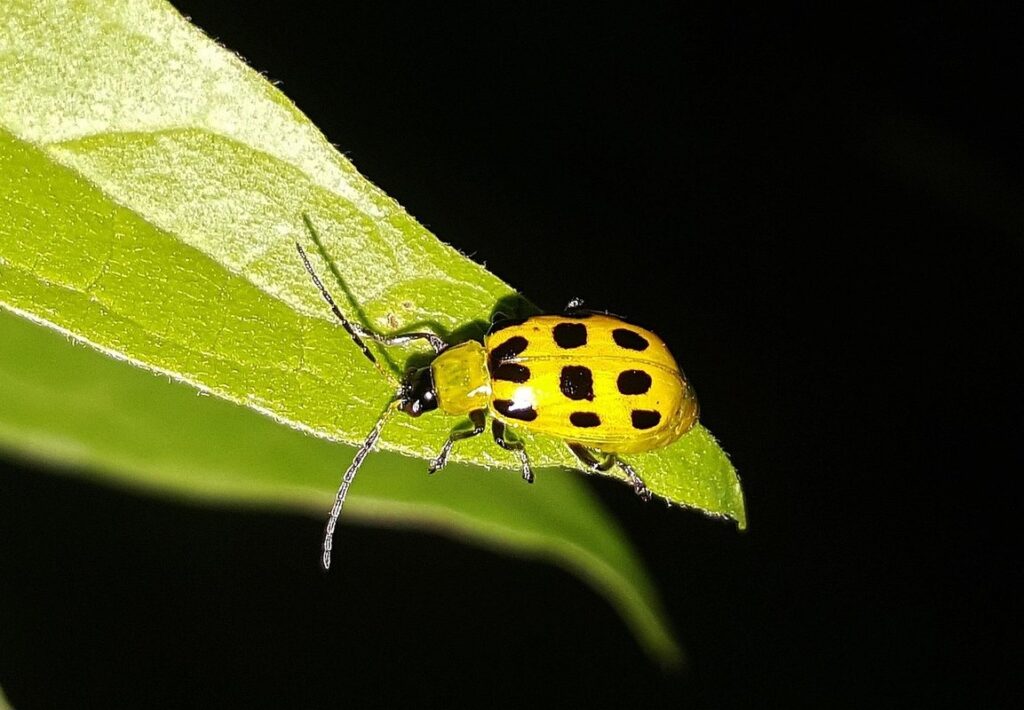
Understanding Common Cucumber Pests
When it comes to growing cucumbers, dealing with pests is a common challenge many gardeners face. In this section, we’ll explore some of the most common cucumber pests that can damage your crop.
Aphids and Whiteflies on Cucumbers
Aphid and whitefly infestations are common issues that can significantly impact cucumber crops. These soft-bodied insects feed on plant sap, causing curled or distorted leaves, stunted growth, and reduced fruit production. Aphids, particularly the green peach aphid (Myzus persicae), are notorious for their ability to transmit diseases such as bacterial spot and powdery mildew.
Whiteflies, on the other hand, can spread viruses like cucurbit yellow vine decline (CYVD) and zucchini yellow mosaic virus (ZYMV). Infested plants often exhibit a sticky substance called honeydew, which attracts ants and promotes the growth of sooty mold. Look for signs of aphid or whitefly infestations on cucumber leaves, including curled or distorted leaves, pale or yellowish discoloration, and an excessive number of ants or mealybugs.
To prevent these pests from taking hold, ensure your cucumbers receive adequate air circulation and maintain a clean growing environment. Regularly inspect your plants for early signs of infestation, and treat promptly with insecticidal soap or neem oil if necessary.
Spider Mites and Thrips on Cucumbers
Spider mites and thrips are two of the most common pests that can infest cucumber plants. These tiny insects feed on plant sap, causing damage to leaves, stems, and fruit.
Identifying spider mite and thrip infestations can be challenging, but there are some key signs to look out for. Spider mite infestations often start with yellowing or bronzing of leaves, followed by fine webbing between leaf veins. In contrast, thrips tend to cause stunted growth, distorted leaves, and a silvery or speckled appearance on leaves.
To determine if you have spider mites or thrips, inspect your plants closely. Look for the insects themselves, which are often tiny, pale-colored dots moving slowly across the plant. You can also use sticky traps or yellow traps to capture these pests. Once you’ve identified the problem, take action promptly to prevent further damage.
To control these pests, use a combination of cultural controls and chemical treatments. Prune infested areas, improve air circulation around plants, and maintain optimal watering and fertilization practices. For severe infestations, consider using neem oil or insecticidal soap to kill the pests. Regularly inspect your plants for signs of these pests and take action early to prevent damage to your cucumber crop.
Understanding Common Cucumber Diseases
Let’s take a closer look at some of the most common diseases that can affect your cucumber plants, from powdery mildew to downy mildew.
Powdery Mildew on Cucumbers
Powdery mildew is one of the most common and devastating diseases affecting cucumber crops worldwide. Caused by fungi such as Podosphaera xanthii and Mycosphaerella citri, powdery mildew thrives in warm and humid conditions, often taking advantage of ideal growing conditions.
As the disease progresses, you’ll notice a fine white powder coating on the leaves, stems, and sometimes even the fruit. This can lead to a reduction in photosynthesis, stunted growth, and decreased yields. The affected areas may also become distorted or develop small brown spots, further compromising plant health.
The consequences of powdery mildew on cucumber crops can be severe. Yields can plummet by up to 50%, leading to significant economic losses for farmers. Moreover, the disease can weaken plants, making them more susceptible to other pathogens and environmental stresses.
To manage powdery mildew effectively, adopt a combination of good agricultural practices and targeted control strategies. Use resistant varieties whenever possible, maintain optimal growing conditions, and implement crop rotation programs to break the disease cycle. Regularly inspect your crops for early signs of infection and apply fungicides as needed to prevent the spread of the disease. By being proactive and taking a holistic approach, you can minimize the impact of powdery mildew on your cucumber crops and ensure a healthy harvest.
Downy Mildew and Fusarium Wilt on Cucumbers
Downy mildew and fusarium wilt are two of the most significant diseases affecting cucumbers worldwide. Identifying these diseases early on is crucial to prevent their spread and minimize damage.
Downy mildew, caused by the fungus Plasmopara delicatula, typically manifests as yellowing or wilting leaves with white, cotton-like growths on the underside. This fungal disease thrives in warm and humid environments, making it prevalent in regions with high rainfall or irrigation. To control downy mildew, farmers can implement crop rotation, ensure good air circulation around plants, and use fungicides specifically designed to target this pathogen.
Fusarium wilt, caused by Fusarium oxysporum, is a more insidious disease that infiltrates the plant’s vascular system through infected soil or contaminated water. Its symptoms include yellowing leaves, stunted growth, and premature fruit drop. Since fusarium wilt is difficult to eradicate once it has taken hold, preventative measures like using resistant cultivars, practicing strict sanitation protocols, and rotating crops are essential.
To manage these diseases effectively, gardeners should monitor their cucumber plants regularly for signs of infection. Early detection allows for timely intervention, reducing the likelihood of widespread infestation.
Factors Contributing to Pests and Diseases in Cucumber Crops
Several factors can contribute to pests and diseases in cucumber crops, including poor soil quality, inadequate irrigation, and insufficient crop rotation. Understanding these contributing factors is crucial for effective management strategies.
Climate Change and Weather Conditions
Climate change has significantly impacted cucumber cultivation worldwide, leading to an increase in pests and diseases. Rising temperatures and altered precipitation patterns create an ideal environment for certain pests and pathogens to thrive. Warmer temperatures can accelerate the life cycle of pests like aphids, whiteflies, and spider mites, allowing them to reproduce more rapidly and cause greater damage.
For instance, a study conducted in the UK found that warmer winters allowed cucumber beetles to survive longer, resulting in increased infestations. Similarly, droughts can stress cucumbers, making them more susceptible to diseases like powdery mildew and downy mildew. On the other hand, excessive rainfall can lead to fungal growth and root rot.
To mitigate these effects, farmers should monitor weather patterns closely and adjust their cultivation schedules accordingly. For example, planting cucumbers in late spring or early summer allows for optimal growth during the warmer months. Additionally, using resistant varieties and implementing integrated pest management strategies can help minimize the impact of climate change on cucumber crops.
Soil Quality and Nutrient Deficiencies
Poor soil quality and nutrient deficiencies can significantly increase a cucumber crop’s vulnerability to pests and diseases. When soils lack essential nutrients, plants become stressed, making them more susceptible to attacks from insects and pathogens. For instance, nitrogen deficiency can lead to weakened plant growth, reduced yields, and increased susceptibility to fungal diseases like powdery mildew.
Cucumber crops grown in soils with low pH levels or high salt content are also more prone to pests and diseases. Soil compaction, which restricts root growth, can further exacerbate the problem by limiting a plant’s ability to absorb nutrients. To mitigate these issues, farmers should prioritize soil testing and nutrient analysis to identify potential problems early on.
Incorporating organic amendments, like compost or manure, into the soil can help improve its fertility and structure. By ensuring adequate nutrient levels, farmers can promote healthy plant growth and reduce stress-related susceptibility to pests and diseases. Regular crop rotation, cover cropping, and proper irrigation practices can also contribute to a more balanced and resilient ecosystem that’s better equipped to resist disease outbreaks.
Preventative Measures Against Cucumber Pests and Diseases
To successfully grow healthy cucumbers, it’s crucial that you take proactive steps to prevent pests and diseases from taking hold in your garden. Let’s explore some effective preventative measures to get you started.
Crop Rotation and Sanitation Practices
Crop rotation is a vital practice that can help prevent pests and diseases from developing resistance to chemical controls. By changing the type of crop grown on a particular plot, you disrupt the life cycle of pests and reduce the risk of disease transmission. For example, if you’ve grown cucumbers in a specific area for several years, consider rotating to a different crop like tomatoes or squash. This simple strategy can significantly reduce the likelihood of pests like aphids and whiteflies developing resistance.
Proper sanitation practices are equally important in maintaining a healthy cucumber crop. Remove any debris, weeds, or infested plants from your garden to prevent pests from spreading. Keep your tools and equipment clean, and disinfect them regularly to avoid transferring diseases between plants. Regularly inspect your cucumbers for signs of pests or disease, and take prompt action if you notice any issues.
By incorporating crop rotation and sanitation practices into your gardening routine, you can significantly reduce the risk of pests and diseases affecting your cucumber crop.
Biological Control Methods for Cucumber Pests
Biological control methods offer a natural and effective way to manage cucumber pest populations without harming the environment. These methods rely on beneficial insects or microorganisms that prey on pests, thereby reducing their numbers. For instance, ladybugs and lacewings are known to feed on aphids and whiteflies, which are common cucurbit pests.
You can introduce these beneficial insects into your garden by purchasing them from a nursery or online supplier. Release them at dusk when they’re most active, and ensure there’s an adequate food source for the beneficial insects. Another biological control method is the use of parasitic wasps, such as Trichogramma, which lay their eggs inside pest eggs to prevent hatching.
Additionally, microorganisms like Bacillus thuringiensis (Bt) can be used to control pests. Bt produces a toxin that kills certain insects when ingested. Apply Bt as a spray or powder according to the product label instructions. Biological control methods can be an integral part of your Integrated Pest Management (IPM) strategy, reducing chemical use and promoting a balanced ecosystem in your garden.
Identifying and Managing Pest and Disease Outbreaks
Now that we’ve identified some common cucumber pests and diseases, it’s time to talk about what you can do when an outbreak occurs. Let’s dive into identifying and managing pest and disease outbreaks on your cucumber crop.
Monitoring for Signs of Pest or Disease Infestation
Regularly inspecting your cucumber crops is crucial to catching signs of pest or disease infestation early. This can help prevent small problems from becoming larger, more difficult to manage issues. To monitor for signs of infestation, set aside time each week to walk through the fields or greenhouses where your cucumbers are growing. Look closely at individual plants, examining the leaves, stems, and fruit for any unusual signs.
Some things to watch out for include holes in the leaves or fruit, yellowing or droopy leaves, and a white powdery coating on the leaves (a sign of powdery mildew). Keep an eye out for actual pests like aphids, whiteflies, and spider mites as well. These can be easily identified by looking closely at individual plants.
If you’re unsure what you’re seeing or if it’s something that needs attention, consult with a local gardening expert or do some research to confirm the issue.
Treatment Options for Cucumber Pests and Diseases
When it comes to managing pest and disease outbreaks on your cucumber crop, choosing the right treatment option is crucial. Chemical controls can be effective, but they should be used judiciously due to potential environmental and health risks. Integrated Pest Management (IPM) strategies, on the other hand, offer a holistic approach that balances control methods with long-term sustainability.
Chemical controls typically involve applying insecticides or fungicides specifically targeted at the pest or disease in question. For example, neem oil can be used to control aphid infestations, while copper-based fungicides are effective against powdery mildew. However, these chemicals should only be used as a last resort, after exhausting all other options.
IPM strategies, by contrast, consider the entire ecosystem and aim to minimize harm to beneficial insects and the environment. This might involve introducing natural predators or parasites of the pest species, practicing good crop rotation and sanitation, or using physical barriers to prevent infestation. By adopting an IPM approach, you can maintain a healthy cucumber crop while minimizing chemical usage and promoting environmental stewardship.
Some key considerations when implementing an IPM strategy include:
* Monitoring your crops regularly for signs of pests or disease
* Developing a comprehensive management plan that incorporates multiple control methods
* Selecting effective biological controls, such as beneficial insects or microorganisms
* Avoiding over-application of chemicals, which can harm the environment and compromise future crop yields
Sustainable Practices for Cucumber Cultivation
To grow healthy and resilient cucumbers, implementing sustainable practices is essential, from using organic fertilizers to conserving water and reducing waste. We’ll explore these eco-friendly methods in more detail below.
Integrated Pest Management (IPM) Strategies
Effective Integrated Pest Management (IPM) strategies are crucial for sustainable cucumber cultivation. IPM is an holistic approach that combines cultural, biological, and chemical controls to manage pests and diseases. For cucumber farmers, this means adopting a multi-faceted strategy that addresses the root causes of pest infestations.
Cultural controls involve modifying the growing environment to prevent pest issues. This includes crop rotation, sanitation, and pruning practices. For example, rotating cucumbers with other non-host crops can reduce the risk of pests carrying over from one season to another. Biological controls use natural predators or parasites to control pest populations. Introducing beneficial insects like ladybugs or lacewings can help regulate aphid and whitefly populations.
Chemical controls are used as a last resort, but must be applied judiciously to avoid harming the environment and human health. Organic pesticides like neem oil or pyrethrin can be effective alternatives to synthetic chemicals. It’s essential for farmers to monitor their crops regularly and adopt IPM strategies that work in harmony with nature. By integrating these controls into your cucumber cultivation practices, you’ll reduce chemical usage, promote biodiversity, and minimize the environmental impact of pest management.
Organic Farming Methods for Cucumber Pests and Diseases
Organic farming practices offer an effective way to prevent pest and disease infestations in cucumber crops. One of the primary methods is crop rotation, which involves rotating cucumbers with other non-related crops like legumes or grains. This strategy helps break the life cycle of pests and diseases, reducing the risk of infestation.
Companion planting is another organic farming method that can help control pest populations. For instance, basil has natural oils that repel aphids and other pests, while marigolds can deter nematodes. By incorporating these companion plants alongside cucumbers, farmers can minimize the need for pesticides and maintain a balanced ecosystem.
In addition to crop rotation and companion planting, using physical barriers like fine mesh or fine-netted row covers can prevent pests from reaching the cucumber plants. This method is particularly effective against whiteflies and aphids, which are notorious for spreading diseases.
Frequently Asked Questions
What are some general tips for maintaining a healthy cucumber crop to prevent pests and diseases?
Maintaining good air circulation, ensuring adequate water supply, and providing sufficient nutrients through compost or fertilizers can all contribute to a healthier plant that’s less susceptible to infestations. Regularly inspecting your plants for signs of stress, disease, or pest activity is also crucial in preventing the spread of problems.
How often should I monitor my cucumber crop for signs of pests or diseases?
Regular monitoring is key to catching issues early on. Check your plants at least once a week during peak growth periods and after rainfall events when conditions are most conducive to fungal growth. Keep an eye out for any unusual symptoms, such as yellowing leaves, black spots, or white powdery coatings.
Can I use neem oil as a treatment option for cucumber pests?
Yes, neem oil is often used as a broad-spectrum pesticide that can help control aphids, whiteflies, and other soft-bodied insects. However, its effectiveness may vary depending on the severity of the infestation and the type of pest present.
What are some organic methods I can use to control cucumber pests?
In addition to neem oil, consider using row covers or fine mesh netting to prevent insects from reaching your plants. You can also try introducing beneficial insects like ladybugs or lacewings that prey on common cucumber pests.
How do I integrate these preventative measures into my existing gardening routine without adding too much extra work?
Start by incorporating one or two new practices at a time and gradually build up to more as you become more comfortable with them. For example, begin by adding crop rotation to your schedule and then introduce beneficial insects later on. This will help you develop a more sustainable and efficient approach to managing cucumber pests and diseases.