
Monitoring cucumber pests is an essential part of ensuring healthy crops and maximizing yields. As a cucumber farmer, you’re likely no stranger to the challenges posed by common pests like aphids, whiteflies, and spider mites. These unwanted visitors can quickly get out of hand if not managed properly, leading to significant losses in terms of both time and money. To stay ahead of the game, it’s crucial to adopt effective pest monitoring strategies that balance chemical use with integrated approaches.
In this article, we’ll delve into the world of cucumber pest monitoring, exploring visual inspections, trapping methods, and more. We’ll also discuss expert-approved techniques for minimizing pesticide use while still keeping your crops safe from harm. By the end of this guide, you’ll be equipped with the knowledge to tackle common pests and enjoy a more sustainable, efficient farming practice.
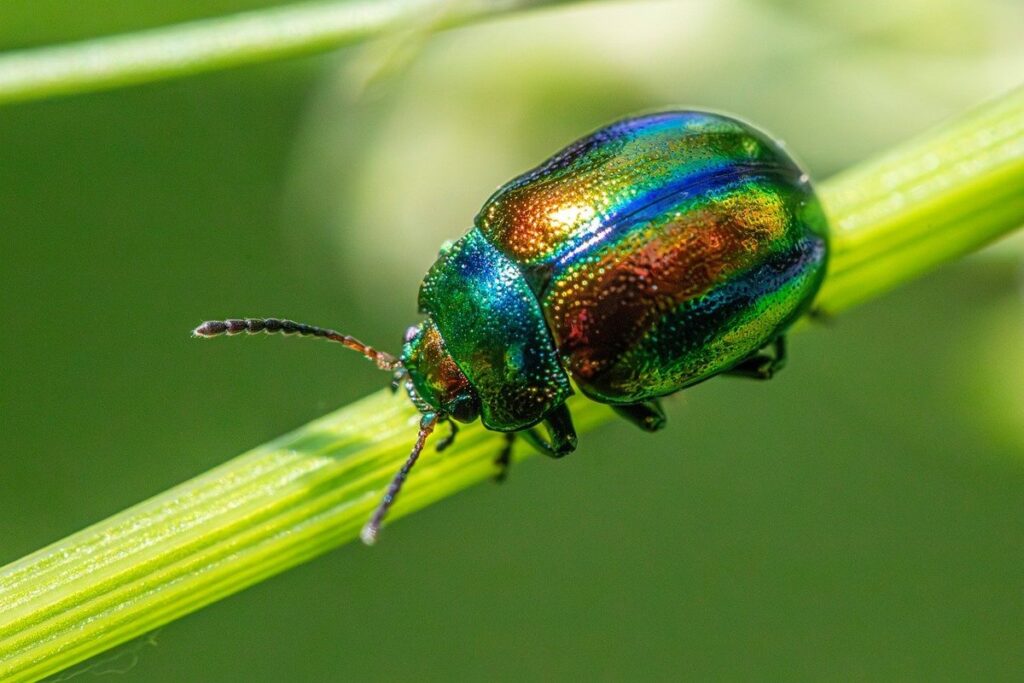
Understanding Cucumber Pests
When it comes to cucumber pest monitoring, understanding the common pests that affect your crop is crucial for effective management. Let’s take a closer look at the most prevalent cucumber pests.
Types of Cucumber Pests
Cucumbers are susceptible to various pests that can cause significant damage if left unchecked. Among the most common types of cucumber pests are aphids and whiteflies. These tiny insects feed on plant sap, weakening the plant’s defenses and making it more vulnerable to disease.
Aphids, in particular, can reproduce rapidly, producing live young that can further infest your crop. Whiteflies, on the other hand, secrete a sticky substance called honeydew as they feed, which can lead to the growth of sooty mold. Regular monitoring is essential for early detection and management.
Spider mites are another type of cucumber pest that thrives in dry conditions. These tiny arachnids spin fine webs on leaves, sucking plant sap and causing bronzing or yellowing of foliage. Effective control measures include using neem oil or insecticidal soap to manage these pests.
Powdery mildew, while not technically a pest, is a fungal disease that can be spread by pests such as aphids and whiteflies. This disease appears as a white, powdery coating on leaves and stems, further stressing the plant. By understanding the signs of these cucumber pests, you can take proactive steps to mitigate their impact on your crop.
Signs and Symptoms of Infestation
When inspecting your cucumber plants for pest infestations, it’s essential to be aware of the visual signs and symptoms of each type of pest. Here are some common pests that can affect cucumbers and their characteristic indicators:
* Aphids: These small, soft-bodied insects are often found on the undersides of leaves and stems. Look for curled or distorted leaves, sticky honeydew droplets, or actual aphid colonies.
* Whiteflies: Similar to aphids, whiteflies are tiny flying insects that feed on plant sap. Inspect plants for a cottony, fuzzy appearance on leaves and stems, often accompanied by yellowing or stunted growth.
* Spider mites: These microscopic arachnids cause damage by sucking plant sap, leaving behind fine webbing on leaves and stems. Infested areas may appear dusty or speckled with tiny white dots.
* Squash bugs: Adult squash bugs are typically brownish-black with a flat, oval body. They tend to congregate on the undersides of leaves and stems, leaving behind dark, tar-like spots on the skin.
Keep an eye out for these signs during regular plant inspections to detect pest infestations early on.
Monitoring Techniques
To effectively manage cucumber pests, it’s essential to employ a range of monitoring techniques that help you detect and track pest activity. Let’s explore some key methods for keeping a close eye on your crops.
Visual Inspection
Regular visual inspections are an essential component of cucumber pest monitoring. By conducting regular checks on your plants, you can detect signs of pest infestations early on, preventing the problem from getting out of hand.
When inspecting your cucumbers, look for telltale signs such as tiny eggs, white powdery residue, or actual pests like aphids, whiteflies, or spider mites. Check both sides of leaves and stems, as well as any affected fruit. Consider using a magnifying glass to get up close and personal with your plants.
Pay attention to changes in plant growth patterns, such as curled or distorted leaves, which can indicate the presence of pests like spider mites or aphids. Also, keep an eye out for ants crawling on nearby plants; these tiny insects often serve as “scouts” for larger pest populations.
Remember, early detection is key. Set aside time each week to inspect your cucumbers and take action if you spot any signs of pest activity. This could be as simple as introducing beneficial insects or using targeted pesticides – the sooner you catch the problem, the better equipped you’ll be to tackle it effectively.
Traps and Devices
When it comes to monitoring for cucumber pests, using traps and devices can be an effective way to detect infestations early on. Yellow sticky traps are a popular choice for monitoring aphids, whiteflies, and other small insects that are common cucurbit pests. These adhesive-coated cards can be hung in the crop or placed near plants to capture flying insects.
Another type of trap used for cucumber pest monitoring is the pitfall trap. This simple device consists of a container filled with water or a sticky substance, which captures crawling insects as they move through the soil or onto the surface. Pitfall traps are especially useful for detecting pests like slugs and snails that can cause significant damage to cucumbers.
To get the most out of these devices, it’s essential to place them strategically around your crop. For yellow sticky traps, hang them near infested areas or where you’ve seen pest activity in the past. For pitfall traps, position them at the base of plants or in areas with high pest pressure.
Soil Moisture Meters
Soil moisture meters are an essential tool for monitoring cucumber plants’ water stress levels, which can be a breeding ground for various pests. When soil is too dry or too wet, it creates an ideal environment for pest infestations. Soil moisture meters measure the amount of moisture in the soil, allowing you to determine if your cucumbers are getting enough water.
To use a soil moisture meter effectively, first, understand that most meters have a scale from 0-100% or 1-10 on a dial. A reading between 50-80% is ideal for cucumber plants, indicating sufficient moisture. When the reading falls below 40%, it may be time to irrigate.
Keep in mind that overwatering can lead to root rot and other issues, which attract pests like aphids and spider mites. Conversely, underwatered cucumbers are susceptible to pests like whiteflies and thrips. Regularly monitoring soil moisture with a meter helps you maintain the perfect balance, reducing the risk of pest-related problems.
Be sure to choose a meter that suits your specific needs, such as a probe or pin-type meter for ease of use in tight spaces.
Identifying Pest Hotspots
To effectively manage cucumber pest populations, it’s crucial to identify areas on your farm where pests tend to congregate and cause damage. In this next step, we’ll explore how to pinpoint these hotspots.
Environmental Factors Contributing to Infestation
When it comes to cucumber pest monitoring, understanding the environmental factors that contribute to infestations is crucial. Temperature and humidity play a significant role in creating favorable conditions for pests. For example, temperatures above 75°F (24°C) can trigger aphid reproduction, while temperatures below 50°F (10°C) can slow down their development.
Humidity levels also impact pest activity. Pests such as spider mites thrive in dry environments, whereas fungal diseases like powdery mildew prefer high humidity levels. Monitoring temperature and humidity fluctuations is essential to anticipate potential infestations.
Weather patterns are another critical factor to consider. Heavy rainfall can lead to waterlogged soil, creating an ideal environment for pests like root maggots and cucumber beetles. Conversely, drought conditions can stress the plant, making it more susceptible to pest attacks.
To mitigate these risks, maintain a weather station near your cucumber patch to monitor temperature, humidity, and precipitation levels. Adjust irrigation schedules accordingly to prevent waterlogged soil. Regularly inspect your plants for signs of stress or damage caused by extreme weather conditions. By being aware of these environmental factors, you can take proactive measures to prevent pest infestations and ensure a healthy crop.
Crop Stages Most Vulnerable to Pests
When it comes to cucumber pest monitoring, understanding which stages of growth are most vulnerable to damage is crucial for effective management. As cucumbers progress from germination to harvest, they undergo several critical developmental stages that attract pests.
During the germination stage, emerging seedlings are particularly susceptible to pests like aphids and spider mites, which can cause damage before the plant even produces its first leaves. To minimize losses during this period, ensure your seeds have been treated with a fungicide or insecticide to protect against initial infestations.
As cucumbers enter the seedling stage, their delicate leaves and stems become attractive targets for pests like whiteflies and caterpillars. Regular monitoring of seedlings is essential to catch these issues early on, when they are more easily controlled through targeted treatments.
Once plants reach the fruiting stage, they attract pests that feed directly on cucumbers, such as cucumber beetles and squash bugs. These insects can not only damage leaves but also transmit diseases like bacterial wilt and powdery mildew to the fruit itself. To mitigate these risks, consider implementing physical barriers or introducing beneficial insects to manage pest populations naturally.
Effective Monitoring Strategies
To effectively monitor for cucumber pests, it’s essential to have a well-planned strategy in place that includes regular checks and timely interventions. This section will outline key strategies for monitoring your crops successfully.
Frequency and Timing of Inspections
Conducting regular inspections is crucial to detecting pest issues early on and preventing them from spreading throughout the crop. The frequency and timing of these inspections depend on various factors such as weather conditions, growth stage, and past experience with pests.
In general, it’s recommended to inspect cucumber fields at least 2-3 times a week during peak growing seasons. This allows for timely detection of any potential issues before they cause significant damage. For example, aphid infestations can go undetected until the population has built up and caused substantial damage.
During critical growth stages such as flowering or fruiting, it’s essential to inspect fields daily to ensure pest pressure remains under control. Additionally, after heavy rainfall or irrigation events, inspect fields within 24-48 hours to check for any signs of pests that may have been washed in with the water.
Remember, a combination of regular inspections and effective monitoring strategies is key to maintaining healthy cucumber crops and minimizing the risk of pest-related losses.
Record Keeping and Data Analysis
Accurate record-keeping is essential for effective cucumber pest monitoring. It allows you to track changes over time, identify trends, and make informed decisions about management strategies. When monitoring efforts are not documented properly, it can be difficult to assess the effectiveness of current practices and make necessary adjustments.
Data analysis from monitoring efforts helps in identifying areas where management strategies may need improvement. This can include analyzing the type and severity of pest infestations, the timing of monitoring visits, or the impact of different treatments on pest populations. For example, a grower might use data to determine whether their integrated pest management (IPM) strategy is having the desired effect.
To maintain accurate records, it’s recommended to set up a system for tracking and storing data. This can be as simple as using a spreadsheet or a dedicated monitoring app. Regularly review and update your records to ensure they remain accurate and useful for decision-making.
Integrated Pest Management (IPM) Approaches
When it comes to effective cucumber pest monitoring, integrated pest management approaches can help you strike a balance between minimizing damage and maintaining crop health. Let’s explore these strategies in more detail.
Understanding IPM Principles
Integrated pest management (IPM) is an essential approach for sustainable cucumber pest monitoring. At its core, IPM involves a holistic understanding of the complex relationships between crops, pests, and their environments. This principle recognizes that pests are not isolated problems, but rather symptoms of underlying issues.
By adopting an IPM mindset, farmers can break free from the cycle of chemical dependence and focus on long-term solutions. With IPM, you’ll learn to identify the root causes of pest infestations and address them proactively through a combination of techniques such as crop rotation, biological control, cultural controls, and physical barriers.
For example, if aphids are plaguing your cucumber crop, an IPM approach might involve introducing natural predators like ladybugs or lacewings, adjusting irrigation schedules to reduce moisture-related stress, and implementing integrated nutrient management practices. By considering the broader ecosystem, you’ll be able to develop targeted solutions that minimize harm to beneficial organisms while protecting your crops.
By embracing IPM principles, you’ll not only improve crop yields but also contribute to a more sustainable agricultural landscape.
Strategies for Controlling Cucumber Pests
When it comes to controlling cucumber pests without resorting to chemical pesticides, several effective non-chemical methods can be employed. One of the most critical strategies is crop rotation, which involves growing a different crop in the same field to break the pest’s life cycle and reduce soil-borne pathogens.
Biological controls are another powerful tool for managing cucumber pests. These involve introducing beneficial insects, such as ladybugs or lacewings, that prey on the pests, thereby maintaining a natural balance in the ecosystem. For instance, introducing parasitic wasps can significantly reduce aphid populations.
Cultural controls also play a vital role in pest management. This includes practices like pruning and training vines to improve air circulation, reducing humidity, and promoting healthy plant growth. By ensuring good agricultural practices, farmers can create an environment that is less conducive to pest infestations. Regular monitoring of the crop and making timely adjustments to these cultural controls can significantly minimize pest damage.
Regularly rotating your crops and introducing beneficial insects can have a significant impact on pest populations, ultimately reducing the need for chemical pesticides. By adopting these non-chemical methods, farmers can create a balanced ecosystem that promotes healthy plant growth and minimizes pest-related issues.
Case Studies and Best Practices
We’ll now dive into real-world examples of effective cucumber pest monitoring strategies, complete with lessons learned from experienced growers. These case studies will provide actionable insights to help you fine-tune your own approach.
Successful Monitoring Programs
Successful cucumber pest monitoring programs have been implemented by growers and farmers worldwide. Let’s take a look at a few notable case studies to understand what makes them effective.
In the United States, a large-scale commercial farm in California successfully reduced aphid infestations on their cucumber crop by implementing a targeted monitoring program. The farm used sticky traps and yellow traps to monitor aphid populations, which allowed for timely intervention when necessary. This proactive approach resulted in a 30% reduction in pesticide use.
Similarly, in the Netherlands, researchers conducted an experiment where they tested various monitoring methods for cucumber pests. Results showed that combining pheromone traps with visual inspections provided the most accurate and reliable pest detection. By using this multi-faceted approach, growers can make informed decisions about when to apply control measures.
These case studies demonstrate the importance of tailoring a monitoring program to specific farm conditions and pest populations. By investing time and resources into effective monitoring, growers can reduce pesticide use, minimize crop losses, and optimize their production processes.
Lessons Learned and Recommendations
As we wrap up our comprehensive guide to cucumber pest monitoring, let’s take a moment to reflect on the key lessons learned and distill them into actionable recommendations for growers. One of the most significant takeaways from our case studies is the importance of integrating multiple monitoring methods to get a holistic view of pest populations.
This might involve combining visual inspections with data-driven approaches like pheromone traps or sticky cards. By doing so, growers can identify potential issues early on and make informed decisions about when to apply control measures. Additionally, it’s essential to stay up-to-date with the latest research and adopt a proactive approach to pest management.
Some of the most effective strategies involve implementing cultural controls like crop rotation, sanitation, and adjusting planting dates to avoid peak pest periods. Don’t forget to also monitor for beneficial insects that can help naturally regulate pest populations! By following these best practices and adapting them to your specific growing conditions, you’ll be well on your way to maintaining healthy, high-yielding cucumber crops.
Frequently Asked Questions
How often should I conduct visual inspections for cucumber pests?
Regular inspections are crucial to detect pest infestations early on. Schedule weekly or bi-weekly visual inspections, focusing on areas with high pest activity, such as the underside of leaves and around flower clusters.
What are some common mistakes beginners make when implementing IPM approaches for cucumber pests?
A common mistake is over-reliance on chemical controls, neglecting the importance of integrated strategies. Start by understanding your specific pest pressures, then implement a combination of cultural, physical, biological, and chemical controls tailored to your operation.
How can I identify the most vulnerable crop stages to pest infestations in my cucumber farm?
Monitor plant growth stages, such as germination, flowering, and fruiting. Keep records of past infestation patterns and note any correlation between specific growth stages and pest activity. This will help you schedule targeted inspections during critical periods.
Are there any simple, low-cost traps I can use for cucumber pest monitoring?
Yes, sticky cards or yellow traps can be effective for capturing flying pests like whiteflies and aphids. Place these near infested areas to monitor population levels. However, remember that trapping methods alone may not provide a comprehensive picture of pest activity.
Can I use integrated pest management (IPM) approaches if my farm is already certified organic?
Yes. IPM principles are compatible with organic farming practices. By combining cultural controls, biological controls, and monitoring techniques, you can maintain your certification while minimizing pesticide use and promoting sustainable agriculture.