
Cucumber plants are one of the most popular garden staples, but they can be susceptible to various pests that can cause damage and reduce yields. As a gardener, you might have encountered issues with aphids, whiteflies, or nematodes, which can be frustrating and costly. Understanding how to identify and control these pests is crucial for maintaining healthy crops.
In this comprehensive guide, we’ll walk you through the most common cucumber pests, their signs of infestation, and effective prevention methods. We’ll also cover treatment options for aphids, whiteflies, nematodes, slugs, snails, and rodents, so you can take control of your garden’s pest problems. Whether you’re a seasoned gardener or just starting out, this guide will equip you with the knowledge to protect your cucumber plants from these common pests.
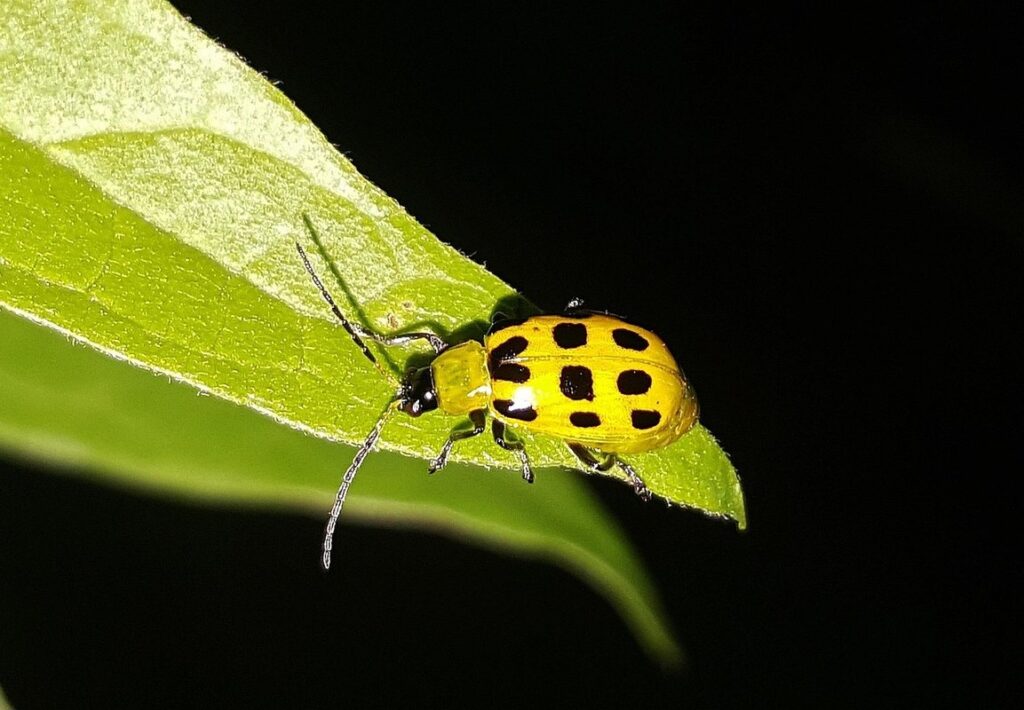
Common Cucumber Pests
As you tend to your cucumber plants, it’s not uncommon for pests to sneak in and cause damage. In this next part, we’ll explore some of the most common culprits: aphids, spider mites, and more.
Aphids on Cucumbers
Aphids on cucumber plants can be a significant problem for gardeners. These small, soft-bodied insects feed on plant sap, causing curled or distorted leaves and stunted growth. Aphid infestations can also lead to the spread of plant viruses such as cucumber mosaic virus (CMV) and zucchini yellow mosaic virus (ZYMV), which can be devastating to a crop.
To identify aphids on cucumbers, look for small, pear-shaped insects with long legs on the underside of leaves or along stems. Aphid eggs are usually laid on the stem in the fall, but they can also hatch in spring and summer. Adult aphids give birth to live young, which can reproduce without mating.
Controlling aphid infestations is crucial to prevent the spread of plant viruses. Use neem oil or insecticidal soap to control aphid populations. Spray infested plants thoroughly, making sure to cover all areas where aphids are present. It’s also essential to maintain good garden hygiene by removing weeds and disposing of infested plants to prevent the spread of disease. Regularly inspect your cucumbers for signs of aphids and take action promptly if you notice any issues.
Whiteflies on Cucumbers
Whiteflies are a common pest that can cause significant damage to cucumber crops. These tiny insects are usually found on the undersides of leaves and stems, where they feed on plant sap using their piercing-sucking mouthparts. Whitefly infestations can be identified by the presence of yellowing or stunted plants, as well as a sticky substance called honeydew that attracts ants and promotes the growth of sooty mold.
Whiteflies reproduce rapidly, with some species able to produce multiple generations in a single growing season. This means that even a small initial infestation can quickly escalate into a full-blown problem. To control whitefly populations on cucumber crops, gardeners should focus on physical removal methods such as spraying plants with water or using sticky traps to capture adults. Horticultural oil or insecticidal soap can also be used to kill whiteflies and their eggs.
It’s essential to monitor for whiteflies regularly, especially during periods of high temperatures and humidity when they are most active. By taking prompt action to control infestations, gardeners can prevent significant damage to cucumber crops and promote healthy plant growth.
Nematodes and Other Microscopic Pests
Nematodes are a type of microscopic pest that can wreak havoc on your cucumber crop, causing significant damage to roots and other plant tissues. Let’s take a closer look at these tiny troublemakers.
Root-Knot Nematodes
Root-knot nematodes are microscopic worms that attack cucumbers from the inside out. These tiny pests inject saliva into plant roots, causing them to swell up and form knots. As a result, the affected cucumber plants become stunted, and their growth is severely impaired. You may notice symptoms such as curled or distorted leaves, reduced fruit production, and yellowing of the veins.
One way to detect root-knot nematodes is to inspect the roots carefully. Check for small, rounded galls on the taproots, which are usually about 1-2 mm in diameter. To prevent infestations, ensure your soil has good drainage, as nematodes thrive in waterlogged conditions. Crop rotation can also help break the nematode life cycle.
To manage root-knot nematodes effectively, use resistant varieties of cucumbers or apply nematicides when necessary. In severe cases, consider solarizing the soil by covering it with clear plastic to kill off nematodes and other pests.
Other Types of Cucumber-Infesting Nematodes
While root-knot nematodes are perhaps the most notorious culprits when it comes to infesting cucumber crops, they’re not the only type of nematode that can wreak havoc on your garden. Other types of nematodes, such as reniform and lance nematodes, can also cause significant damage.
Reniform nematodes, for example, are microscopic worms that feed on plant roots, causing stunted growth, reduced yields, and lower quality fruit. They’re particularly problematic in areas with high soil temperatures and moisture levels. Lance nematodes, on the other hand, attack cucumber roots by piercing them with their sharp stylets, causing characteristic lance-shaped lesions.
Both of these types of nematodes can be difficult to detect, as they’re tiny and often inhabit deep within plant tissue. However, symptoms such as yellowing leaves, reduced root development, and decreased plant vigor can indicate an infestation. To manage reniform and lance nematode populations, gardeners should focus on crop rotation, soil solarization, and the use of resistant cucumber varieties. Regularly inspecting your plants for signs of nematode damage is also crucial to preventing these pests from taking hold in the first place.
Slugs and Snails as Cucumber Pests
Slugs and snails can be a gardener’s worst nightmare, sneaking up on your prized cucumbers under the cover of night to leave behind slimy trails and holes. Let’s take a closer look at how to spot these pests.
Damage Caused by Slugs and Snails
Slugs and snails are notorious for their voracious appetites and ability to cause significant damage to cucumber crops. These slimy pests feed on the leaves, stems, and fruit of cucumbers, leaving behind a trail of silvery scars and holes. Their feeding habits can be quite destructive, especially during periods of high moisture when they’re most active.
One of the most noticeable effects of slug and snail infestations is the “shot-hole” damage on cucumber leaves. These pests tend to feed on the edges and corners of leaves, creating multiple small holes that can give the appearance of a shotgun blast. They also leave behind a sticky, yellowish liquid called mucus, which can attract other pests and create an ideal environment for fungal diseases.
To illustrate their effects, imagine walking into a cucumber field at dawn or dusk when these pests are most active. You’ll likely spot them on the undersides of leaves, on stems, and even on the fruit itself. Slugs and snails tend to hide in moist areas like under crop debris, leaf litter, or near water sources, so it’s essential to inspect these areas carefully.
To control slug and snail populations, gardeners can use a combination of physical barriers, traps, and organic baits. For example, copper tape around plant stems can deter slugs and snails due to their sensitivity to copper ions. Beer traps and crushed eggshells can also be effective in capturing these pests without harming the environment.
Control Methods for Slugs and Snails
When it comes to managing slugs and snails as cucumber pests, both non-chemical and chemical control methods can be effective. One of the simplest non-chemical controls is using barriers to prevent these pests from reaching your plants. Copper tape around plant pots or individual collars made of copper can deter slugs and snails due to their sensitivity to copper.
Traps are another form of non-chemical control, and they come in various forms such as beer traps, where the pests are attracted to the fermented smell of beer, and pitfall traps. For example, a large container filled with water can be placed near your cucumber plants, allowing slugs and snails to fall in and drown.
If you prefer chemical controls or find non-chemical methods ineffective, several options exist. However, it’s crucial to follow safety precautions when handling pesticides. Always read the label carefully and wear protective gear such as gloves and a mask before application. Look for products containing metaldehyde, ferrous phosphate, or iron phosphate, which are commonly used to control slugs and snails.
For optimal results with chemical controls, apply them at night when pests are most active, and avoid using these substances during periods of heavy rainfall.
Rodents as Cucumber Pests
Rodents are one of the most common and destructive cucumber pests, causing significant damage to your crop through biting and gnawing. Let’s take a closer look at these unwanted critters.
Types of Rodents Found in Gardens
Rodents are notorious garden pests that can wreak havoc on cucumber crops. Among the many types of rodents that might be attracted to cucumbers, mice and rats are some of the most common culprits.
Mice, for instance, are known to burrow into soil and undergrowth, where they can cause significant damage to roots and tubers. They’re particularly fond of cucumber seeds and will often gnaw through them to get at the developing fruit. A single mouse can consume up to 20 grams of food per day, which is roughly equivalent to a small cucumber.
Rats, on the other hand, are larger and more destructive. They’ll often chew through irrigation pipes, causing water waste and damage to nearby plants. Rats will also eat cucumbers, but they’re not as particular about seeds as mice are. In fact, rats have been known to devour entire cucumber vines in a single night.
To prevent rodents from getting into your garden, make sure to keep it clean and free of debris. Remove any food sources, including fallen fruit and berries, and seal off entry points with hardware cloth or other barriers. Regularly inspect your plants for signs of rodent activity, such as gnaw marks or droppings, and take action promptly if you notice anything suspicious.
Strategies for Preventing Rodent Damage
Securing your garden against rodent invaders is crucial to preventing damage to your cucumber crop. Rodents like mice and rats are notorious for their ability to gnaw through even the toughest materials, so taking proactive steps to deter them is essential.
Start by creating a rodent-unfriendly environment in your garden. Planting certain species of herbs and flowers can help repel rodents naturally. For example, peppermint, lavender, and chamomile have been shown to be effective deterrents. Plant these species around the perimeter of your garden to create a barrier against unwanted visitors.
Another key step is sealing entry points into your garden. Rodents often use holes and gaps in fences, walls, and other structures as entry points. Inspect your garden’s boundaries carefully and seal any openings with hardware cloth or expanding foam.
Finally, consider using humane traps to catch and remove rodents from your garden. Bait traps with tasty treats like peanut butter or cheese, and place them in areas where rodent activity has been spotted. Remember to follow local regulations for disposing of caught rodents.
Organic Pest Control Methods
When it comes to controlling cucumber pests, organic methods offer a safe and effective alternative to chemical pesticides. We’ll explore these natural solutions together, starting right here.
Biological Controls
Biological controls are an essential component of organic pest control methods for cucumber pests. These natural predators or parasites prey on cucumber pests, helping to balance their populations naturally. By introducing beneficial organisms into the garden or field, you can create a harmonious ecosystem where pest populations remain under control.
Some examples of biological controls that target common cucumber pests include lady beetles and lacewings, which feed on aphids and other soft-bodied insects. Parasitic wasps, such as Trichogramma, lay their eggs inside the eggs of whiteflies and other pests, killing them before they hatch. Encourage these beneficial insects by planting a diverse range of flowers that provide nectar and shelter for them.
To introduce biological controls into your garden or field, choose pest-specific species and release them during peak pest activity. Ensure you source them from reputable suppliers to guarantee their effectiveness. By integrating biological controls with other organic methods, such as crop rotation and physical barriers, you can maintain a balanced ecosystem that minimizes the need for chemical pesticides.
Companion Planting for Cucumber Pest Control
When it comes to controlling cucumber pests organically, companion planting is an effective strategy that utilizes beneficial plants to repel or attract beneficial insects. By understanding which plants these are and strategically placing them around your cucumbers, you can minimize pest issues without using pesticides.
Some popular companion plants for cucumber pest control include basil, which repels aphids and whiteflies; mint, known to deter spider mites and aphids; and nasturtiums, which attract beneficial insects that prey on aphids and other pests. Marigolds also repel nematodes and can help prevent root rot.
To implement a companion planting strategy for cucumber pest control:
* Plant basil or mint near the base of your cucumber plants to keep aphid and whitefly populations under control.
* Interplant nasturtiums with your cucumbers to attract beneficial insects that prey on pests.
* Incorporate marigolds around the perimeter of your garden bed to prevent nematodes from reaching your cucumbers.
By incorporating these companion planting strategies, you can significantly reduce pest issues and create a healthier ecosystem for your cucumber plants.
Chemical Controls for Severe Infestations
For severe infestations, chemical controls can be a last resort, but when used correctly, they can help eliminate pests and protect your cucumber crop from further damage. Let’s explore the options carefully.
Preparing for Chemical Application
When dealing with severe infestations on cucumber plants, it’s crucial to prepare for chemical application correctly. The first step is choosing the right pesticide for the specific pest you’re targeting. Different pests require different types of pesticides, so it’s essential to identify the pest accurately before selecting a product.
For instance, if you’re dealing with aphids or whiteflies, an insecticidal soap or neem oil might be suitable. However, for more severe infestations like cucumber beetles or spider mites, a pyrethrin-based spray or an organophosphate may be more effective.
Before applying any pesticide, ensure your equipment is ready for use. This includes cleaning the sprayer thoroughly to prevent cross-contamination and ensuring the nozzle is functioning correctly. Additionally, wear protective gear such as gloves, long-sleeved shirts, pants, and a mask to minimize exposure to chemicals.
When handling pesticides, always follow safety precautions: read the label carefully, avoid mixing different products unless explicitly instructed to do so, and apply the chemical in a well-ventilated area away from children and pets.
Integrated Pest Management (IPM) Approach
When managing severe cucumber infestations, it’s essential to adopt an Integrated Pest Management (IPM) approach. This holistic strategy considers multiple factors and tools to control pest populations, prioritizing environmental sustainability alongside crop protection needs.
At its core, IPM is a three-pronged attack: monitoring, cultural controls, and chemical interventions. Monitoring involves regularly inspecting your cucumber plants for signs of pests, such as aphids, whiteflies, or spider mites. Cultural controls include adjusting irrigation schedules, pruning infested areas, or introducing beneficial insects like ladybugs that prey on common cucumber pests.
Chemical controls are best used in combination with these other methods, rather than as a standalone solution. They should be applied judiciously, targeting specific pest populations and using the lowest-toxicity treatment necessary to minimize environmental impact. For example, neem oil can effectively manage aphid infestations without posing significant harm to beneficial insects.
By embracing an IPM approach, you’ll create a balanced ecosystem that minimizes chemical use while protecting your cucumber crop from severe infestations.
Frequently Asked Questions
Can I use the same control methods for all types of cucumber pests?
No, each type of pest requires a unique approach to control. For example, organic controls like neem oil are effective against aphids and whiteflies but may not be as effective against nematodes or slugs. Understanding the specific needs of your garden will help you choose the right combination of control methods.
How can I prevent cucumber pests from spreading to other plants in my garden?
Preventing pest spread requires a comprehensive approach, including good garden hygiene, monitoring for early signs of infestation, and using physical barriers like fine-mesh screens or row covers. Additionally, removing weeds and debris can help reduce the likelihood of attracting pests.
What are some natural predators that can help control cucumber pests?
Encouraging beneficial insects like lady beetles, lacewings, and parasitic wasps in your garden can be an effective biological control method. These predators feed on aphids, whiteflies, and other pests, reducing the need for chemical controls. Incorporating host plants that attract these beneficial insects can also help.
Can I use companion planting to repel multiple types of cucumber pests at once?
Yes, some companion plants have been shown to repel a range of cucumber pests. For example, basil is known to repel aphids and whiteflies, while marigolds may deter nematodes and other microscopic pests. However, the effectiveness of companion planting can vary depending on factors like soil quality and pest pressure.
What are some key things to consider when preparing for chemical application in my garden?
Before applying chemicals, make sure to read and follow the label instructions carefully. Also, ensure you have taken steps to minimize exposure to humans and pets by wearing protective gear and using targeted applications. It’s also essential to identify the pest accurately to apply the correct treatment.