
As a gardener, you know that using natural pest control methods is key to maintaining a healthy and thriving garden. One effective tool in your arsenal is cucumber neem oil spray, but timing is everything when it comes to reaping its benefits. Using neem oil at the right moment can control pests, prevent disease, and even boost your yields – but getting it wrong can be disastrous.
In this article, we’ll dive into the optimal timing for using cucumber neem oil spray, exploring how different stages of plant growth require varying applications. We’ll cover when to use neem oil for pest control, how often to apply it, and what benefits you can expect from timing your sprays correctly. By mastering the art of neem oil timing, you’ll be able to maximize your garden’s potential and enjoy a bountiful harvest season after season.
Understanding the Importance of Timing
When it comes to using cucumber neem oil spray, timing is crucial for achieving optimal results in your garden. Let’s dive into what makes timing so important.
Benefits of Using Cucumber Neem Oil Spray
Using cucumber neem oil spray as part of your garden’s pest control and disease prevention strategy has numerous benefits. This natural and organic approach eliminates the need for harsh chemicals that can harm your plants, pets, and even the environment.
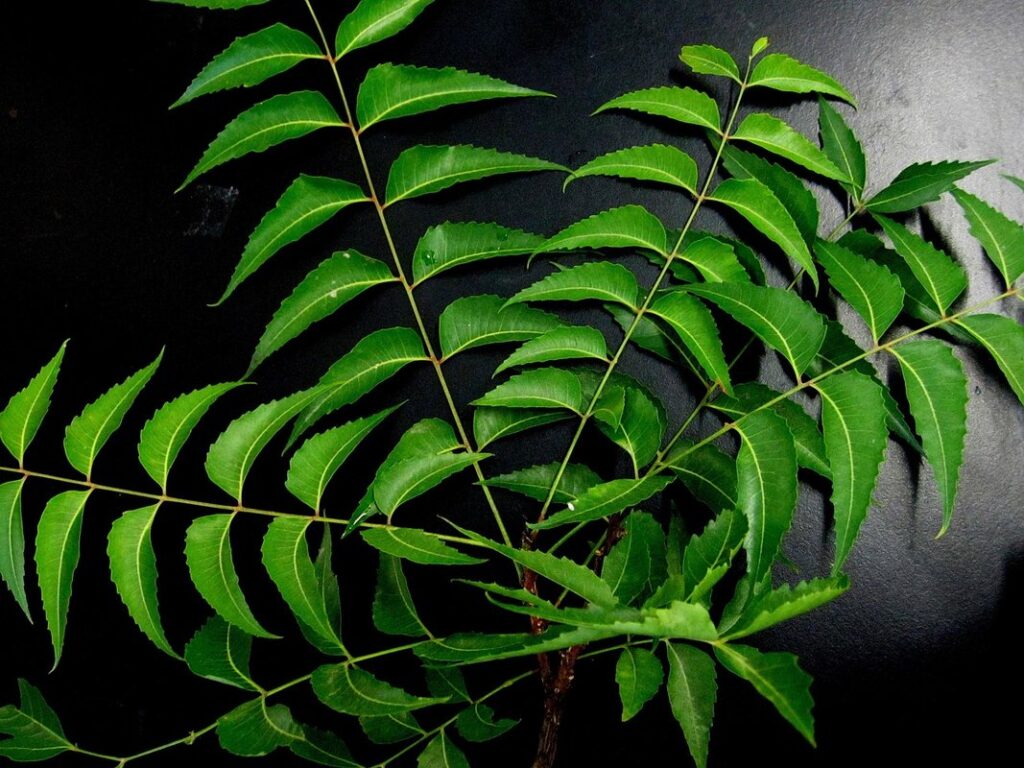
One of the primary advantages is that it provides a chemical-free way to manage pests and diseases. Neem oil, derived from the seeds of the neem tree, contains azadirachtin, which disrupts insect growth and development, preventing them from reproducing or feeding on your plants. This means you can enjoy a pest-free garden without exposing yourself or the environment to toxic chemicals.
Cucumber neem oil spray also helps prevent diseases caused by fungi, bacteria, and viruses. By applying it regularly, you create a protective barrier that shields your plants from infection. Regular use of this spray has been shown to reduce the risk of common plant problems like powdery mildew, leaf spot, and scab.
To get the most out of cucumber neem oil spray, ensure you follow the manufacturer’s instructions for application rates and timing. Typically, a 2-3% solution is recommended, applied during early morning or late evening hours when plants are less stressed from direct sunlight.
Key Factors Affecting Timing
When applying cucumber neem oil spray, timing is crucial as it’s affected by several key factors. Temperature and humidity play significant roles in determining when to use the spray. For instance, using the spray during periods of high humidity can lead to increased risk of fungal diseases in plants, which may counteract the benefits of the neem oil.
Conversely, low temperatures can slow down plant growth, rendering the neem oil ineffective. It’s essential to monitor temperature fluctuations and adjust your spraying schedule accordingly. In regions with mild winters or long growing seasons, you might need to apply the spray more frequently than in areas with harsher climates.
Another critical factor is the plant’s growth stage. Neem oil can be applied during various stages of plant development, but it’s most effective when used on younger plants as a preventative measure against pests and diseases. For established cucumber plants, focus on using the neem oil spray to control outbreaks or severe infestations. Timing these applications correctly will help maximize the effectiveness of your cucumber neem oil spray.
Pre-Harvest vs. Post-Harvest Timing
When it comes to timing your cucumber neem oil spray, you have two main options: pre-harvest and post-harvest applications. Let’s break down the benefits of each approach.
Using Cucumber Neem Oil Spray Before Harvest
Applying cucumber neem oil spray before harvest offers several benefits that can enhance your garden’s overall health and productivity. One of the primary advantages is reduced pest populations. By spraying neem oil on your plants a few weeks prior to harvest, you can disrupt the life cycle of various pests, such as aphids, whiteflies, and spider mites, which are more likely to be present at this stage.
Minimizing disease pressure is another significant benefit of pre-harvest application. Neem oil’s fungicidal properties help prevent fungal diseases like powdery mildew and downy mildew from taking hold, ensuring a healthier crop for harvest. It also reduces the risk of bacterial diseases, such as bacterial leaf spot.
To maximize these benefits, consider applying the neem oil spray about 2-3 weeks before harvest. This allows sufficient time for the oil to penetrate the plant’s tissues and exert its effects without causing damage or interfering with the ripening process. Remember to follow label instructions for application rates and timing to avoid overuse, which can be detrimental to your plants.
Benefits of Applying After Harvest
When the harvest season comes to an end, it’s easy to let our guard down and assume that the pests and diseases have gone away for good. However, this couldn’t be further from the truth. Many pests and diseases will overwinter on your plants, waiting for the perfect moment to strike again in future seasons.
This is where applying cucumber neem oil spray after harvest comes into play. By doing so, you can create a barrier that prevents these pests and diseases from surviving the winter months. Neem oil works by disrupting the life cycle of insects, preventing them from reproducing and ultimately killing them off. This means that even if some pests manage to overwinter, they won’t be able to reproduce when they emerge again in the spring.
By applying neem oil after harvest, you can prevent a whole host of problems in future seasons. You’ll save yourself time and effort by avoiding infestations and infections, and your plants will be healthier and more resilient as a result.
Choosing the Right Application Timing
When it comes to getting the most out of your cucumber neem oil spray, timing is everything. Let’s dive into choosing the right application timing for optimal garden results.
Early Season Applications (4-6 Weeks Before Harvest)
When to Apply Cucumber Neem Oil Spray 4-6 Weeks Before Harvest for Early-Season Pest Prevention
Applying cucumber neem oil spray early in the season can provide a strong defense against pest pressure, setting your crop up for success. By applying the spray 4-6 weeks before harvest, you can prevent aphid and whitefly infestations from getting out of control.
This early application also helps to break the reproductive cycle of pests, reducing the risk of secondary infestations that can cause significant damage to your cucumbers. It’s essential to use neem oil as part of an Integrated Pest Management (IPM) strategy, combining it with good garden hygiene and crop monitoring.
Consider applying a combination product containing neem oil and pyrethrin for added protection against early-season pests like spider mites and thrips. This is particularly effective if you’ve had issues with these pests in previous seasons.
Mid-Season Adjustments (2-3 Months Before Harvest)
As we approach mid-season, it’s essential to reassess your neem oil spray application timing. By now, your cucumber plants have reached a growth stage where they’re more susceptible to pests and diseases. However, environmental conditions may also be changing, which can impact the effectiveness of the spray.
Check the weather forecast for the next 2-3 months before harvest to determine if there will be any significant temperature or precipitation fluctuations. For example, if a heatwave is predicted, it’s likely that your cucumber plants will become more stressed, making them more vulnerable to pests and diseases. In this case, you may need to adjust the application timing of neem oil spray to every 7-10 days instead of every 14 days.
Monitor your plant’s growth stages closely, taking note of any changes in leaf size, color, or other indicators. If you notice an increase in pest activity or disease symptoms, don’t hesitate to make adjustments to the spray schedule. This proactive approach will help ensure that your cucumber plants receive the necessary protection throughout their growing season.
Considerations for Different Cucumber Varieties
When choosing a cucumber variety, consider factors such as growth rate, maturity days, and susceptibility to pests and diseases. This affects when you’ll apply neem oil spray effectively.
Determinate vs. Indeterminate Cucumbers
When it comes to timing neem oil spray on cucumbers, not all varieties respond equally well. Determinate and indeterminate cucumber types have different growth habits and requirements that affect their performance with this pest control method.
Determinate cucumbers are compact, bush-type plants that produce a single crop of fruit at the end of their stems. These varieties tend to be more sensitive to neem oil spray, so it’s essential to use them sparingly. Over-application can lead to reduced yields and affect the quality of the fruit. For determinate cucumbers, use neem oil spray when the plants are around 6-8 inches tall, just as they begin to produce their first set of leaves.
Indeterminate cucumber varieties, on the other hand, are vining plants that continue to grow throughout the season and produce a continuous crop of fruit. They can handle more frequent applications of neem oil spray without suffering from reduced yields or poor quality fruit. For indeterminate cucumbers, use neem oil spray every 7-10 days during periods of high pest pressure.
When spraying neem oil on your cucumber plants, always read the label and follow the recommended application rates for optimal results.
Specialty Cucumber Varieties (Lebanese, Persian, etc.)
When working with specialty cucumber varieties like Lebanese, Persian, and English, it’s essential to consider their unique characteristics when timing your neem oil spray application. Lebanese cucumbers, for example, are known for their compact growth habit and high yield potential. To maximize their production, apply neem oil spray at the 2-3 leaf stage to prevent pests like aphids and whiteflies from damaging the plant.
Persian cucumbers, on the other hand, have a more delicate flavor profile and require a slightly different approach. Since they’re often grown for their attractive appearance and sweet taste, it’s crucial to avoid applying neem oil spray too close to harvest time to prevent any potential impact on the fruit’s quality. Instead, target pests like spider mites and thrips in the early growth stages when the plants are around 6-8 inches tall.
English cucumbers have a vining habit and are more susceptible to powdery mildew. To address this issue, use neem oil spray in combination with other fungicides as soon as you notice any signs of disease development. By taking these considerations into account, you can optimize your neem oil spray application for optimal results on specialty cucumber varieties.
Monitoring and Adjusting Application Timing
To ensure optimal results, you’ll need to learn how to monitor your cucumber plants’ response to neem oil spray and make adjustments as needed. This is where fine-tuning comes in!
Identifying Signs of Pest or Disease Pressure
Monitoring your cucumber plants regularly is crucial to determining if they’re under pest or disease pressure. Check for signs such as curled or distorted leaves, yellowing or discoloration of leaves, or the presence of pests like aphids, whiteflies, or spider mites.
Inspect your plants from top to bottom, looking for any unusual growth patterns or damage. Pay attention to the undersides of leaves and stems, where pests often hide. If you notice any issues, take note of their location and severity. This will help you decide if a neem oil spray is needed.
Check the plant’s overall health by gently touching the leaves and looking for any signs of wilting or stress. Keep an eye on the number of new growths and ensure they’re not being affected by pests or diseases.
If you notice any issues, adjust your application timing accordingly. For example, if you’ve sprayed neem oil in the morning and it’s now raining, delay the next application until the weather clears up.
Factors Affecting Efficacy (Rain, Temperature, etc.)
When it comes to timing cucumber neem oil spray applications, it’s essential to consider external factors that can impact its efficacy. Rain, for instance, can reduce the effectiveness of neem oil by washing it off the leaves before it has a chance to act. If you’re planning to apply neem oil and rain is forecasted for the next 24 hours, consider postponing your application until the soil has dried out.
Temperature also plays a crucial role in neem oil efficacy. Neem oil works best when temperatures are between 60°F to 80°F (15°C to 27°C). If it’s extremely hot or cold outside, the neem oil might not be as effective. In such cases, adjust your application timing accordingly.
Wind can also impact neem oil efficacy by dispersing it too quickly, reducing its concentration on the plant. Consider applying neem oil when winds are light or calm. Finally, consider the growth stage of your cucumbers when deciding on application timing. Neem oil is most effective during the young seedling and fruiting stages, so adjust your schedule accordingly.
Frequently Asked Questions
What if I notice a pest or disease issue after the recommended timing for neem oil application?
Yes, don’t worry – it’s not too late to act! Neem oil can still be effective even if applied after the initial timing. Monitor your plants closely and reapply as needed to ensure you’re controlling any new outbreaks.
How do I adjust my neem oil application schedule based on weather conditions like rain or extreme temperatures?
Adjust your application schedule according to the weather forecast. Rainy periods may slow down pesticide efficacy, so delay applications during such times. Extremely high temperatures can also impact neem oil effectiveness, so consider applying in cooler parts of the day.
Can I use cucumber neem oil spray on both determinate and indeterminate cucumber varieties?
Yes, neem oil is effective for various cucumber types, including both determinate (bush) and indeterminate (vining) varieties. However, be sure to follow specific application guidelines for your chosen variety to ensure optimal results.
How often can I reapply cucumber neem oil spray if necessary due to ongoing pest or disease pressure?
You can safely reapply neem oil up to 3-4 times within a growing season, spaced about 7-10 days apart. This allows for continued control while minimizing potential resistance development in pests and diseases.
What should I do if I miss the optimal timing window for neem oil application due to unforeseen circumstances?
Don’t stress! While timing is crucial, missing it once won’t completely ruin your harvest. Reapply as soon as possible, taking into account factors like weather, plant growth stage, and pest/disease pressure when determining a new schedule.