
Are you tired of using ordinary mulch in your garden? Did you know that there’s a surprisingly effective alternative that’s not only good for your soil but also helps with pest control and conserves water? Cucumber mulch is an often-overlooked option, but it has numerous benefits that make it worth considering. By repurposing cucumber peels or scraps, you can create a nutrient-rich mulch that improves soil health, suppresses weeds, and even attracts beneficial insects to your garden. In this article, we’ll explore the advantages of using cucumber mulch in your garden, provide tips on how to make it at home, and show you how to get started today. Whether you’re a seasoned gardener or just starting out, learning about cucumber mulch benefits can take your gardening game to the next level!
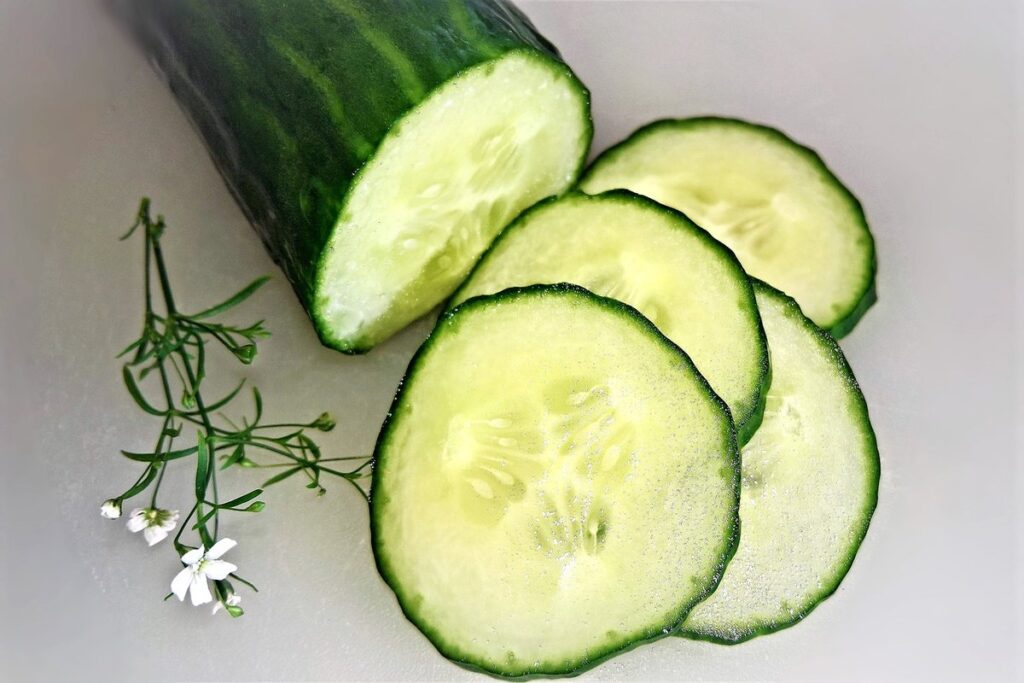
What is Cucumber Mulch?
Let’s start with the basics: what exactly is cucumber mulch, and how does it differ from other types of garden mulches that you might be familiar with?
Definition and History
Cucumber mulch is an eco-friendly alternative to traditional mulching materials that has been gaining popularity among gardeners and environmentally conscious individuals. At its core, cucumber mulch is a byproduct of the cucumber processing industry, consisting of leftover peels and pulp.
The origins of cucumber mulch date back to the early 2000s in Japan, where it was first used as a sustainable gardening solution. Initially, farmers repurposed the excess vegetable waste into nutrient-rich compost, which they applied directly to their soil. Over time, this practice evolved into creating a mulching material that retained moisture, suppressed weeds, and added organic matter to the soil.
As its benefits became apparent, cucumber mulch spread globally, with many gardeners and farmers embracing it as a natural alternative to synthetic fertilizers and chemicals. The versatility of cucumber mulch makes it an attractive option for both urban and rural gardens.
Types of Cucumber Mulch
When it comes to cucumber mulch, you have a variety of options to choose from. Organic and inorganic materials can be used as mulch, each with its own set of benefits.
Organic mulches are made from natural materials like leaves, grass clippings, or vegetable scraps. They’re great for the environment because they reduce waste and create nutrient-rich soil as they break down. For example, using a layer of wood chips or bark can help retain moisture in the soil and suppress weeds.
Inorganic mulch, on the other hand, is made from synthetic materials like plastic or rubber. While they may be easier to install than organic options, they don’t offer the same environmental benefits. Some gardeners prefer using landscape fabric as an inorganic mulch because it allows for easy installation and prevents weeds from growing.
Some popular types of cucumber mulch include coconut husk, straw, and pine needles. These materials are not only environmentally friendly but also help regulate soil temperature and conserve moisture. When choosing a type of mulch, consider your specific needs and preferences to ensure you’re getting the most out of this natural resource.
Benefits for Soil Health
Let’s dive into the benefits of cucumber mulch for soil health, including its ability to retain moisture and suppress weeds naturally.
Improved Soil Structure
When you add cucumber mulch to your soil, it not only suppresses weeds and regulates soil temperature but also improves its structure. This is because the organic matter breaks down over time, increasing aeration and water retention.
As a result, the roots of your plants can grow deeper and stronger, allowing them to access more nutrients and water. For example, if you’re growing cucumbers in containers, using cucumber mulch can help improve drainage and prevent waterlogged soil.
To maximize these benefits, make sure to use a sufficient amount of cucumber mulch (about 2-3 inches deep) and mix it into the top layer of your soil. This will help the microorganisms break down the organic matter quickly, increasing its effectiveness. It’s also essential to maintain a consistent moisture level in the soil, as this will help the microorganisms thrive.
By incorporating cucumber mulch into your garden or farm, you’ll not only be improving the structure of your soil but also creating an ideal environment for healthy plant growth.
Nutrient-Rich Compost
When you add cucumber mulch to your garden, you’re not just covering the soil with a protective layer – you’re also enriching it with essential nutrients. Cucumber mulch is an excellent natural fertilizer that can provide your plants with everything they need to thrive.
Cucumber mulch is high in nitrogen, phosphorus, and potassium (NPK), making it an ideal additive for improving soil fertility. The NPK ratio in cucumber mulch is typically around 1:2:3, which is perfect for promoting healthy plant growth. As the mulch breaks down, these nutrients are released into the soil, allowing your plants to absorb them as needed.
One of the best things about using cucumber mulch as a natural fertilizer is that it’s free from synthetic chemicals and additives. This makes it an attractive option for gardeners who prefer organic gardening methods. To get the most out of your cucumber mulch, simply shred or chop it into small pieces before adding it to your soil. As you can see, incorporating cucumber mulch into your gardening routine is a simple yet effective way to boost your plants’ nutrient intake and promote overall health.
Increased Soil Microbial Activity
When you use cucumber mulch to cover your garden beds, you’re not just retaining moisture and suppressing weeds – you’re also stimulating beneficial microbial activity in the soil. This is a crucial aspect of soil health, as microbes play a vital role in breaking down organic matter, fixing nitrogen, and fighting plant diseases.
Research has shown that certain types of mulch can alter the composition of soil microorganisms, leading to improved soil fertility and structure. Cucumber mulch, in particular, contains high levels of organic carbon, which serves as a food source for beneficial microbes. By incorporating cucumber mulch into your garden, you’re providing these microorganisms with the nutrients they need to thrive.
To maximize the microbial benefits of cucumber mulch, try the following: apply a 2-3 inch layer of fresh or dried cucumber scraps to your soil, and let it decompose over time. As the mulch breaks down, the resulting humus will act as a natural fertilizer, promoting a balanced ecosystem in your garden. With regular replenishment, you’ll be amazed at how quickly your soil’s microbial activity increases – leading to healthier plants and reduced reliance on synthetic fertilizers!
Pest and Disease Control
While mulch can help deter pests, there are times when you’ll need to take more targeted action to control infestations and diseases affecting your cucumbers. Let’s explore some effective methods for keeping these threats at bay.
Natural Repellent Properties
When you use cucumber mulch as part of your gardening strategy, you’re not just covering the soil; you’re also harnessing its natural repellent properties to keep pests and diseases at bay. Cucumber mulch contains a variety of chemical compounds that have been shown to repel certain types of insects and fungi.
Some of these compounds include cucurbitacins, which are particularly effective against aphids and whiteflies. These chemicals can be released as the mulch breaks down, creating an environment inhospitable to pests. For example, studies have demonstrated that applying cucumber peel mulch to soil contaminated with tomato spotted wilt virus (TSWV) reduced the incidence of the disease by up to 90%.
You can utilize these repellent properties in your garden by incorporating fresh or dried cucumber scraps into your mulching routine. Simply bury them about an inch deep, leaving a layer for other organic materials like leaves and grass clippings. The result is not only improved soil health but also reduced reliance on chemical pesticides – a win-win situation for you and the environment.
Reduced Weed Growth
One of the most significant benefits of cucumber mulch is its ability to suppress weed growth, reducing competition for resources and creating a healthier environment for your plants. By applying a 2-3 inch layer of cucumber mulch around your plants, you can effectively choke out weeds that would otherwise steal water, nutrients, and light from your cucumbers.
As the mulch breaks down, it creates an acidic environment that is less favorable to weed growth, while also releasing organic compounds that repel weed seeds. This natural process not only saves time and effort in weeding but also reduces the need for herbicides or other chemical weed control methods.
To maximize the weed-suppressing benefits of cucumber mulch, make sure to apply it consistently around your plants, keeping the layer at least 2 inches thick throughout the growing season. You can also mix in some compost or well-rotted manure with the mulch to enhance its effectiveness and create a nutrient-rich soil environment for your cucumbers to thrive.
Improved Plant Immunity
When you use cucumber mulch around your plants, it’s not just retaining moisture and suppressing weeds – it’s also doing its part to keep those pesky pathogens at bay. One of the most significant benefits of cucumber mulch is its role in enhancing plant immunity.
Here’s how it works: when microorganisms from the decomposing cucumbers come into contact with your plants, they stimulate a natural defense response that boosts their immune system. This can be attributed to the presence of beneficial microbes like Trichoderma and Pseudomonas fluorescens, which help to inhibit the growth of pathogens.
In essence, cucumber mulch acts as a sort of “vaccine” for your plants, training them to recognize and defend against potential threats. By harnessing the power of nature, you’re giving your cucumbers an extra layer of protection against diseases like powdery mildew, downy mildew, and bacterial wilt.
To maximize these benefits, be sure to apply a 2-3 inch layer of cucumber mulch around your plants, keeping it at least 6 inches away from the stem. This will allow for optimal microbial activity while preventing any potential rot or fungal growth.
Water Conservation
When working with cucumber mulch, it’s also essential to prioritize water conservation techniques that complement its natural benefits and minimize waste. Effective watering practices can maximize the advantages of using this eco-friendly mulch.
Retains Moisture
One of the most significant advantages of using cucumber mulch is its ability to retain soil moisture. Unlike other types of mulch that can dry out quickly, cucumber mulch has a unique property that helps it lock in moisture. This is due to its high water content and the way it breaks down over time, releasing nutrients back into the soil.
As we all know, excessive evaporation is a major cause of water loss in gardens. Cucumber mulch can significantly reduce this issue by creating a barrier between the soil and the air. By retaining moisture, you’ll need to water your plants less frequently, which not only saves water but also reduces the risk of overwatering. In addition, cucumber mulch’s high organic matter content improves the structure of the soil, allowing it to absorb and retain water more effectively.
To get the most out of cucumber mulch, aim to maintain a 2-3 inch layer around your plants. This will not only help with moisture retention but also suppress weeds and regulate soil temperature.
Reduces Soil Erosion
When you lay down cucumber mulch on your garden beds, you’re not just beautifying your space – you’re also doing some serious good for the soil beneath. One of the most significant benefits of cucumber mulch is its ability to protect against soil erosion and runoff.
This might seem like a minor issue, but trust us, it’s a major problem when left unchecked. Soil erosion can lead to a loss of fertile topsoil, increased sediment in waterways, and decreased crop yields. Cucumber mulch acts as a natural barrier, holding the soil in place and preventing it from being washed away by heavy rainfall or irrigation. By reducing the risk of soil erosion, you’re also reducing the amount of nutrients that are carried off with the soil.
To make the most of cucumber mulch’s protective effects, simply spread 2-3 inches of it around your plants, keeping it a few inches away from stems to prevent moisture buildup. As the mulch breaks down, it will add organic matter to the soil, further improving its structure and fertility. By using cucumber mulch as a natural erosion control measure, you’ll be giving your garden the gift of stability and resilience – no matter what Mother Nature throws at it!
Supports Drought-Tolerant Plants
When paired with drought-tolerant plants, cucumber mulch can be a game-changer for water-conscious gardeners. These plants have adapted to survive with minimal water, but they still need some moisture to thrive. Cucumber mulch comes into play here by providing a natural barrier that retains moisture in the soil while preventing it from evaporating.
This partnership between drought-tolerant plants and cucumber mulch is especially beneficial during hot summer months when water scarcity becomes a significant issue. For instance, succulents like aloe vera and agave are perfect candidates for this combo. By surrounding these plants with cucumber mulch, you can ensure that the soil stays moist while also reducing the need for frequent watering.
To get the most out of this combination, make sure to apply a 2-3 inch layer of cucumber mulch around your drought-tolerant plants. As it breaks down, it will enrich the soil with nutrients and continue to retain moisture. With this synergy in place, you can enjoy lush, healthy growth even during periods of low rainfall. By leveraging the power of nature, you’ll not only conserve water but also create a thriving ecosystem that requires minimal maintenance.
DIY Cucumber Mulch Recipes
Now that you know the benefits of cucumber mulch, let’s dive into some easy and cost-effective recipes to make your own at home. We’ll share simple ways to mix and match ingredients!
Basic Composting Recipe
Creating your own compost is an exciting step towards reducing waste and harnessing the power of nature. To make it easy, we’ll start with a basic recipe that incorporates cucumber scraps and other organic materials. This simple process will help you create nutrient-rich compost for your garden.
To begin, collect your organic materials in three piles: “green” (high in nitrogen), “brown” (high in carbon), and “microbe-friendly” ingredients. Cucumber peels and tops fall into the green category. Add them to a bin along with other nitrogen-rich items like eggshells, coffee grounds, or grass clippings. Next, add brown materials such as dried leaves, shredded newspaper, or cardboard to provide carbon.
Aim for a mix of 2/3 “brown” and 1/3 “green” ingredients. You’ll also need microbe-friendly elements like compost tea bags or worm castings to introduce beneficial microbes into the compost pile. Layer these materials in your bin, starting with a 4-6 inch layer of brown material, followed by a layer of green material, and ending with another layer of brown. Repeat this process until your bin is full.
As you add each new layer, lightly sprinkle water over the ingredients to maintain a damp but not soggy consistency. This balance will allow microbes to thrive and break down the materials efficiently.
Infused Oil Recipe
To unlock the full potential of your cucumber mulch, you can infuse oils with its beneficial herbs and botanicals. This process allows you to harness the powers of nature and create unique products for your home and garden. Start by selecting an oil base such as jojoba or sweet almond oil. Choose a few dried herbs from your cucumber mulch like chamomile, calendula, or peppermint. Add 1-2 tablespoons of dried herbs per 8 oz of oil.
Place the mixture in a clean glass jar and let it sit in a cool, dark place for 2-4 weeks, shaking the jar every few days. This will allow the beneficial properties to infuse into the oil. After the infusion period, strain the oil through a cheesecloth or coffee filter into another container. Discard the solids and transfer the infused oil to a clean glass bottle with a dropper lid.
To use your infused oil, apply it topically to soothe skin irritations, promote relaxation, or as an insect repellent. You can also add it to your skincare routine, massage oil blends, or potpourri mixes. Remember to store your finished product in a cool, dark place to preserve its potency and shelf life.
Tips and Precautions
When working with DIY cucumber mulch recipes, it’s essential to keep some best practices and safety precautions in mind. First, ensure you’re using clean equipment and a well-ventilated workspace to avoid inhaling any potential irritants from the cucumber scraps.
To prevent mold and bacterial growth, make sure to dry your cucumber mulch thoroughly before storing or applying it to your plants. This will also help minimize pests that might be attracted to damp environments.
Some potential challenges you may encounter when making DIY cucumber mulch include finding a suitable ratio of ‘dry’ materials (like straw or coconut coir) to the actual cucumber scraps, which can affect how well it breaks down over time. Experimenting with different recipes and observing their performance will help you fine-tune your methods.
When applying the mulch directly to plants, start with small amounts and monitor for any signs of over-mulching, such as mold growth or reduced air circulation. By taking these precautions into account, you can enjoy the benefits of cucumber mulch while also maintaining a healthy environment for your plants.
Conclusion
Now that we’ve explored the many benefits of cucumber mulch, let’s summarize the key takeaways from our discussion so far. Let’s review what you can expect to see a healthier garden as a result.
Recap of Benefits
As we conclude our exploration of cucumber mulch benefits, let’s take a moment to recap the advantages of incorporating this natural resource into your gardening practices. By now, you’re likely aware that cucumber mulch offers a multitude of benefits for your soil and plants.
One of the most significant advantages is its ability to retain moisture in the soil. This helps reduce the need for frequent watering, saving you time and resources. Cucumber mulch also suppresses weeds, reducing competition for water and nutrients from unwanted plants. Additionally, it improves soil structure, increasing drainage and aeration while supporting healthy microbial activity.
Moreover, cucumber mulch is an excellent natural fertilizer. It’s rich in nitrogen, phosphorus, and potassium – essential nutrients for plant growth. By using this mulch, you’ll be reducing your reliance on synthetic fertilizers, which can harm the environment. As you start to reap the rewards of using cucumber mulch, remember to maintain a 2-3 inch layer around your plants to ensure maximum benefits. With its natural, non-toxic properties and ease of use, cucumber mulch is an excellent choice for gardeners looking to adopt sustainable practices.
Final Thoughts
As you’ve now explored the numerous benefits of cucumber mulch, it’s clear that incorporating this natural solution into your gardening routine can have a significant impact on the health and productivity of your plants. But beyond just its practical applications, using cucumber mulch also represents an opportunity to adopt a more sustainable approach to gardening.
By embracing the use of cucumber mulch, you’re taking a crucial step towards reducing waste and minimizing your environmental footprint. Think about it – instead of discarding cucumber peels, which would otherwise end up in landfills or compost piles, you can repurpose them as a nutrient-rich mulch for your plants. This simple shift can add up to make a big difference over time.
As we look towards the future of gardening, it’s essential that we prioritize methods like this one, which not only benefit our gardens but also contribute to a more environmentally conscious world. By embracing cucumber mulch and other sustainable practices, you’ll be joining a growing community of gardeners who are dedicated to cultivating both beautiful gardens and a healthier planet.
Frequently Asked Questions
How can I ensure the cucumber mulch is free from pesticides or chemicals?
Yes, it’s essential to choose organic cucumbers for making mulch to avoid any potential chemical contaminants. Look for locally grown, pesticide-free options or grow your own cucumbers using natural farming practices.
Can I use cucumber mulch in containers or only in garden beds?
Both! Cucumber mulch is suitable for container gardening as well as traditional garden beds. However, be mindful of the moisture levels and adjust accordingly to prevent waterlogged soil in containers.
How often should I replenish or add new cucumber mulch to my garden?
The frequency depends on various factors like climate, soil type, and plant growth. As a general rule, add 2-3 inches of fresh cucumber mulch around your plants every 6-8 weeks during the growing season. Monitor your garden’s condition and adjust accordingly.
Can I mix cucumber mulch with other organic materials for enhanced benefits?
Yes! Combining cucumber mulch with other natural composting ingredients like coffee grounds, eggshells, or vegetable scraps can create a rich and diverse nutrient profile for your soil. Experiment with different ratios to find the perfect blend for your garden.
Will using cucumber mulch affect my soil’s pH levels significantly?
No, cucumber mulch has a neutral effect on soil pH levels. It won’t raise or lower your soil’s acidity, making it an excellent option for gardens with various pH ranges. However, be aware that excessive amounts might slightly alter the soil’s texture and structure over time.