
Cucumber leaf holes can be a frustrating problem for gardeners and growers, causing damage to leaves and potentially impacting yields. But did you know that these pesky holes can be caused by more than just pests? Nutritional deficiencies, environmental factors, and even disease can all contribute to the development of unsightly holes in your cucumber plant’s leaves. As a gardener, it’s essential to identify the underlying cause of leaf holes to provide effective management and prevent further damage. In this comprehensive guide, we’ll walk you through the common causes of cucumber leaf holes, how to diagnose them, and most importantly, what steps you can take to mitigate their impact on your plants’ health and productivity.
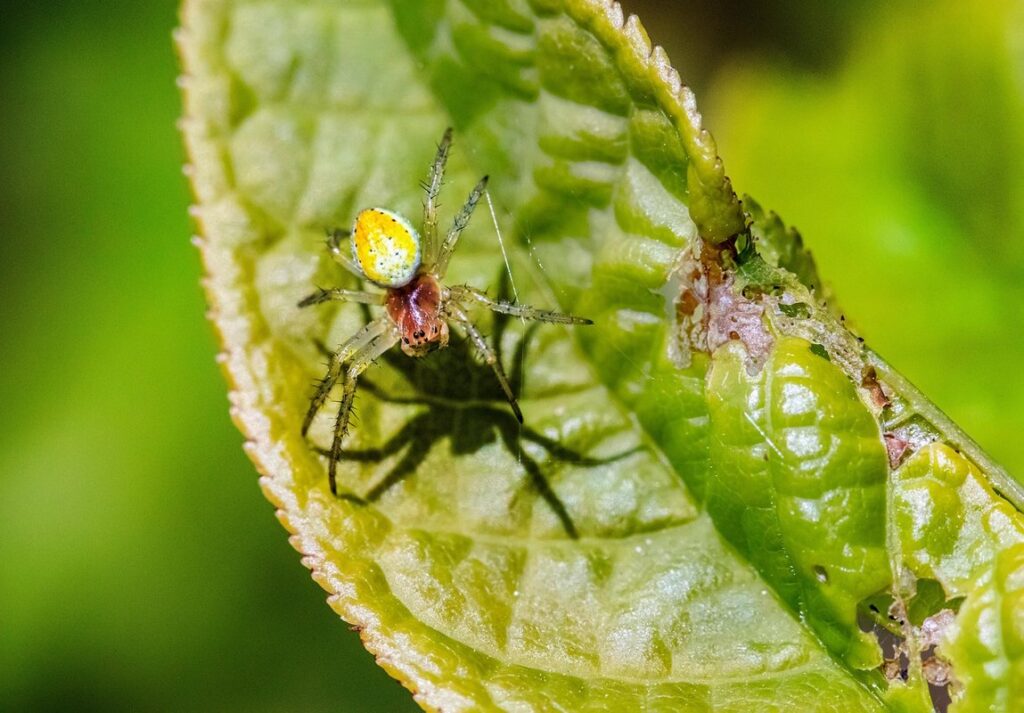
Understanding Cucumber Leaf Holes
When examining cucumber leaf holes, it’s essential to identify the underlying causes and symptoms, which can range from pests to nutrient deficiencies. Let’s break down each of these factors in more detail.
Common Pests Causing Leaf Holes in Cucumbers
When it comes to leaf holes in cucumbers, pests are often the primary culprit. Among the most common culprits are aphids, whiteflies, and spider mites. These tiny insects can be challenging to spot, but recognizing their presence is crucial for effective management.
Aphids, typically pear-shaped and 1/8 inch long, feed on plant sap, causing curled or distorted leaves. They reproduce quickly, with some species able to produce live young within two weeks of hatching from eggs. Inspect the undersides of leaves carefully, as aphids often congregate in these areas.
Whiteflies are small, winged insects that resemble tiny moths. They feed on plant sap, causing stunted growth and yellowing leaves. Whiteflies also lay eggs on the underside of leaves, which hatch into nymphs within a week. Look for tiny white specks or cottony patches on the leaves’ undersides.
Spider mites are incredibly small, nearly invisible to the naked eye. They feed on plant sap, causing fine webbing and yellowing leaves. These pests often thrive in dry environments, so ensure your cucumber plants receive adequate moisture.
Nutritional Deficiencies Leading to Leaf Holes
Nutritional deficiencies are one of the primary causes of leaf holes in cucumbers. A lack of essential nutrients can lead to stunted growth, yellowing leaves, and eventually, leaf holes. Nitrogen deficiency is a common issue in cucumber cultivation, particularly if the soil lacks sufficient nitrogen-rich fertilizers or organic matter. Symptoms include pale green or yellowish leaves with yellow veins, often accompanied by reduced fruit production.
Magnesium deficiency can also cause leaf holes, as cucumbers require adequate magnesium to maintain cell wall structure and photosynthesis. Signs of magnesium deficiency include interveinal chlorosis (yellowing between the veins), stunted growth, and a general decline in plant vigor. Potassium deficiency is another possible cause, often resulting from excessive water uptake or over-fertilization with nitrogen-rich fertilizers.
To diagnose these issues, inspect your cucumber plants for visual symptoms and consider laboratory testing if you suspect a nutrient imbalance. Soil samples can be sent to a lab for analysis, providing valuable information on pH levels, nutrient content, and potential micronutrient deficiencies. By addressing these underlying causes through targeted fertilizer applications or adjustments in irrigation practices, you can promote healthy growth and prevent leaf holes from forming.
Symptoms and Diagnosis of Cucumber Leaf Holes
If you’re noticing unsightly holes on your cucumber leaves, it’s essential to identify the signs of infestation or disease early on. Let’s dive into the common symptoms and diagnosis process for these unwanted holes.
Visual Inspection for Leaf Holes
When inspecting your cucumber plant for leaf holes, it’s essential to be aware of their appearance. Leaf holes caused by pests like aphids, whiteflies, and spider mites can vary in size and shape. They might start as small pinpricks or elongated slits, gradually expanding to larger holes as the pest infestation worsens. Holes caused by diseases like powdery mildew or downy mildew tend to be more uniform in size and often appear in clusters.
To conduct a thorough visual inspection, start by examining the undersides of leaves for eggs, eggshells, or actual pests. Look for yellowing or curled leaves, which can indicate pest feeding activity. Check the soil around the base of the plant for signs of pests like caterpillars or slugs. Inspect the stems and petioles for any visible damage or discoloration.
As you inspect your cucumber plant, take note of the distribution of leaf holes. Are they scattered randomly, or do they appear to be following a specific pattern? This can help you identify potential causes and target treatments more effectively. Keep in mind that early detection is key to preventing further damage and promoting healthy plant growth.
Diagnostic Techniques for Cucumber Leaf Holes
To determine the cause of leaf holes on cucumbers, growers can employ various diagnostic techniques. Laboratory testing involves sending a sample of the affected plant to a lab for analysis. This can help identify the presence of pests, diseases, or nutrient deficiencies that may be contributing to the problem.
Sampling is another crucial technique. By collecting and examining multiple samples from different areas of the farm, growers can gain a better understanding of the overall health of their crop. Monitoring is also essential – observing the affected leaves closely can provide valuable insights into the behavior of pests or diseases.
For example, if you notice that leaf holes are only occurring on certain days of the week or during specific weather conditions, it may indicate that a pest like aphids or whiteflies is involved. By combining these diagnostic techniques, growers can make informed decisions about their management strategies and take targeted action to address the root cause of the problem.
By acting quickly and decisively, growers can prevent further damage and ensure a healthy crop.
Causes of Cucumber Leaf Holes: Biological, Physical, and Environmental Factors
Cucumber leaf holes can be caused by a range of factors, from biological agents to environmental conditions. Let’s take a closer look at each of these potential causes.
Biotic Factors Contributing to Leaf Holes
When it comes to biotic factors contributing to leaf holes on cucumber plants, pests, diseases, and weeds are major culprits. Pests like aphids, whiteflies, and spider mites can cause significant damage by sucking sap from the leaves, creating holes as they feed. Diseases such as powdery mildew, downy mildew, and scab can also create leaf holes through their spores or fungal growth.
Weeds, including those in the cucurbit family like melons and squash, can compete with cucumber plants for water, nutrients, and light, weakening them and making them more susceptible to pests and diseases. When it comes to interacting with environmental conditions, biotic factors can be exacerbated by factors such as temperature fluctuations, excessive moisture, or nutrient deficiencies.
To manage biotic factors, practice good garden hygiene, removing weeds and debris that can harbor pests and diseases. Regularly inspect your plants for signs of infestation or infection, and use organic or integrated pest management (IPM) techniques to control pests. Keep an eye on weather conditions and adjust watering and fertilization schedules accordingly to minimize stress on your plants.
Abiotic Factors Affecting Cucumber Leaf Health
Abiotic factors such as climate, soil type, and water quality play a significant role in determining cucumber leaf health. Extreme temperatures, either too high or too low, can cause stress to the plant, making it more susceptible to diseases that lead to leaf holes. For instance, sudden changes in temperature can trigger fungal infections like powdery mildew.
Soil type also affects leaf health significantly. Sandy soils may not retain enough moisture, while heavy clay soils can be waterlogged, both conditions contributing to leaf hole formation. Cucumber plants prefer well-draining loamy soil with a pH between 6.0 and 7.0 for optimal growth.
Water quality is another critical abiotic factor affecting cucumber leaves. Saline or contaminated water can damage the plant’s tissues, causing leaf holes and other problems. Growers should ensure that irrigation systems are clean and free from contaminants to avoid transferring pathogens to the plants.
To mitigate these effects, growers can implement strategies like mulching to regulate soil temperature, using drip irrigation for precise watering, and monitoring soil pH levels regularly.
Prevention and Management Strategies for Cucumber Leaf Holes
To prevent cucumber leaf holes from wreaking havoc on your harvest, let’s dive into some effective prevention and management strategies that really work. We’ll cover it all in this section.
Integrated Pest Management (IPM) Techniques
Integrated Pest Management (IPM) is a holistic approach to managing pests that cause leaf holes in cucumbers. By adopting IPM techniques, you can reduce the reliance on chemical pesticides and minimize harm to beneficial insects, ultimately leading to healthier crops.
Cultural controls are an essential aspect of IPM. These involve modifying your growing conditions to prevent pest infestations. For example, ensuring proper spacing between plants can help prevent aphid populations from building up. Regularly removing weeds and debris around the plants also reduces the risk of pests seeking shelter nearby.
Physical barriers can be used to protect plants from pests. Row covers or fine-mesh screens can keep whiteflies and aphids away from your cucumbers. Biological controls, such as introducing natural predators or parasites of the pest species, can also be effective in managing leaf hole damage.
Some beneficial insects, like ladybugs and lacewings, feed on pests that cause cucumber leaf holes. By attracting these beneficials to your garden through plant choices or by introducing them directly, you can reduce the need for chemical controls.
Organic and Chemical Controls for Cucumber Leaf Holes
When it comes to managing leaf holes on cucumber plants, growers often face a dilemma: whether to opt for organic or chemical controls. Both approaches have their pros and cons, which we’ll explore below.
Organic Controls:
Growers who prefer an organic approach can use neem oil, insecticidal soap, or horticultural oil to control pests like aphids, whiteflies, and spider mites that cause leaf holes. These products are derived from natural sources and tend to be gentler on the environment. For example, neem oil disrupts insect growth and development, preventing them from reproducing. Additionally, introducing beneficial insects like ladybugs or lacewings can also help control pest populations.
Chemical Controls:
On the other hand, chemical controls offer faster results but come with potential risks to human health, beneficial insects, and soil quality. Insecticides like pyrethroids or neonicotinoids can be effective against pests that cause leaf holes, but they should be used sparingly due to their toxic nature. It’s essential for growers to follow label instructions carefully and take necessary precautions when applying these chemicals.
Ultimately, the choice between organic and chemical controls depends on your specific needs and circumstances. Consider factors like pest severity, crop value, and environmental concerns before making a decision.
Monitoring and Record Keeping for Effective Management
To effectively manage cucumber leaf holes, monitoring and record keeping are essential steps that help you track progress and make informed decisions about treatment. Accurate records also enable early identification of recurring issues.
Importance of Regular Monitoring
Regular monitoring is crucial when it comes to detecting leaf holes on cucumber plants. It’s essential to stay vigilant and keep a close eye on your crops throughout the growing season. By doing so, you can identify issues early on and take prompt action to prevent further damage.
To establish a monitoring schedule, start by setting aside dedicated time each week to inspect your cucumber plants. Look for signs of leaf holes, such as yellowing or discolored leaves, and check for any pests that may be causing the issue. Consider using a calendar or spreadsheet to keep track of your inspections and note any observations.
When recording your findings, make sure to include details about the date, time, weather conditions, and any notable observations. This will help you identify patterns and trends over time. For example, if you notice that leaf holes are more prevalent during periods of high humidity, you can adjust your management strategies accordingly.
Data Analysis and Decision-Making
Effective management of cucumber leaf holes requires more than just treating symptoms – it demands data-driven decision-making. By analyzing records and identifying trends, you can optimize your management strategies to prevent future infestations.
Start by tracking the date, type, and severity of each leaf hole occurrence. This information will help you identify patterns and areas where your current methods are falling short. For instance, if you notice that leaf holes are consistently appearing on the lower leaves during a specific time of year, it may indicate an issue with soil moisture or temperature.
Regularly reviewing your records can also reveal correlations between different factors. Perhaps you’ve noticed that aphid infestations often precede leaf hole outbreaks. Armed with this knowledge, you can adjust your management plan to address both issues simultaneously.
To take your data analysis to the next level, consider implementing a pest monitoring system. This could involve setting up traps or using sticky cards to track pest populations. By combining these insights with your record-keeping, you’ll be able to make informed decisions about which treatments will have the greatest impact on preventing leaf holes in the future.
Conclusion: Optimizing Cucumber Leaf Health through Prevention and Management
Now that we’ve explored the causes of cucumber leaf holes, let’s discuss how to optimize leaf health through prevention and effective management techniques. By following these strategies, you can keep your cucumbers healthy and thriving.
Summary of Key Takeaways
When it comes to cucumber leaf holes, we’ve covered a lot of ground in this article. From identifying the causes of these pesky problems to understanding their symptoms and implementing effective solutions, we hope you now feel empowered to tackle this common issue in your garden. Let’s recap some of the key takeaways:
Cucumber leaf holes are often caused by pests like aphids, whiteflies, and spider mites, as well as diseases such as powdery mildew and downy mildew. To prevent these issues from arising, it’s essential to maintain a healthy crop rotation schedule, use neem oil or insecticidal soap to control pests, and ensure proper air circulation around your plants.
Symptoms of cucumber leaf holes can be subtle at first, but as the problem progresses, you may notice leaves becoming discolored, distorted, or even falling off. If left unchecked, these issues can lead to significant yield loss. To manage existing problems, consider introducing beneficial insects like ladybugs or lacewings, and adjust your watering schedule to prevent overwatering.
By implementing these prevention and management strategies, you’ll be well on your way to growing healthy, thriving cucumber plants that produce a bountiful harvest.
Future Directions for Research and Development
As we conclude our exploration of cucumber leaf holes, it’s essential to look ahead and consider the future directions for research and development. Growers can expect significant advancements in managing this issue as scientists continue to investigate new solutions.
Advances in genomics and biotechnology may lead to the development of disease-resistant cucumber varieties, reducing the incidence of leaf holes caused by fungal pathogens like powdery mildew. Furthermore, precision agriculture techniques, such as drones equipped with high-resolution cameras, will enable growers to monitor their crops more effectively, detecting early signs of stress or disease before they spread.
Additionally, researchers are exploring novel approaches to biocontrol, including the use of beneficial microorganisms and insect predators to manage pest populations that contribute to leaf holes. Staying informed about these developments will be crucial for growers looking to optimize their management strategies and stay ahead of this persistent issue.
To stay up-to-date with the latest findings, I recommend attending industry conferences, following reputable research institutions on social media, or participating in online forums where experts share knowledge and best practices.
Frequently Asked Questions
Can I diagnose the underlying cause of cucumber leaf holes without using specialized equipment?
No, while some causes can be visually identified, others may require more advanced diagnostic techniques or laboratory analysis to determine the root cause of the problem.
How do I prevent aphids and other pests from coming back after applying organic controls?
To maintain long-term control over pest populations, it’s essential to implement integrated pest management (IPM) strategies that include crop rotation, biological control methods, and physical barriers. Regular monitoring and record-keeping will also help you identify potential issues early on.
What if I’ve already treated the problem with chemical controls, but the leaf holes persist?
If the issue persists after using chemical controls, re-examine your growing conditions to ensure that environmental factors such as temperature, humidity, and light exposure are not exacerbating the problem. Consider consulting a local expert or adjusting your care routine accordingly.
How do I know if my cucumber plant is suffering from a nutrient deficiency rather than a pest infestation?
Look for visual signs of deficiencies, such as yellowing leaves, stunted growth, or unusual leaf coloration. Conduct soil tests to identify any potential nutrient imbalances and adjust your fertilization schedule as needed.
Can I use a single management strategy to address all causes of cucumber leaf holes, or do I need to tailor my approach to each specific issue?
While some strategies may be effective against multiple problems (e.g., using neem oil for pest control), it’s generally best to tailor your approach based on the underlying cause of the leaf holes. This will ensure that you’re addressing the root problem effectively and minimizing potential side effects or interactions between different management techniques.