
Are you ready to grow your own delicious cucumbers? With their refreshing flavor and numerous health benefits, it’s no wonder why cucumbers have become a popular choice for gardeners. But growing cucumbers can be a bit tricky, especially if you’re new to gardening. That’s why we’ve put together this ultimate guide to help you master the art of cucumber cultivation.
In this comprehensive guide, we’ll cover everything from selecting the right variety and conditions for optimal growth to expert tips on seed starting, care, pest management, and harvesting. We’ll also share our top secrets for storing cucumbers to keep them fresh and flavorful for weeks to come. Whether you’re a seasoned gardener or just starting out, this guide will provide you with the knowledge and confidence to grow juicy, crunchy cucumbers right in your own backyard.
Choosing the Right Variety and Conditions
When selecting a cucumber variety, consider factors such as climate, space constraints, and intended use for your harvest. This will ensure you choose the perfect fit for your garden.
Understanding Cucumber Types
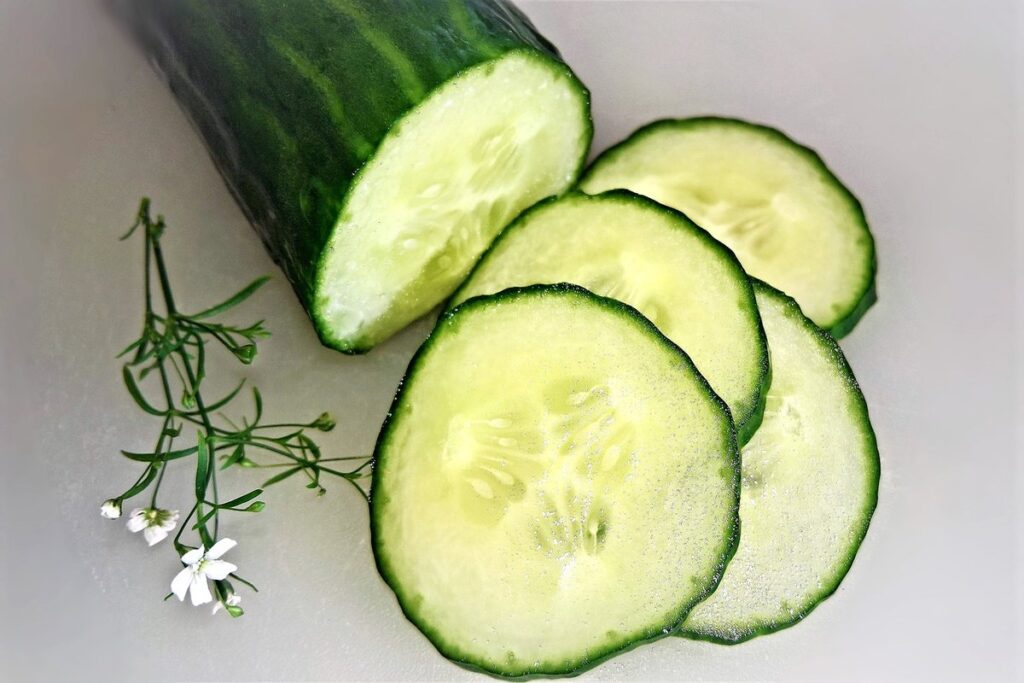
When it comes to growing cucumbers, choosing the right variety is crucial for a bountiful harvest. There are three main types of cucumbers: slicing, pickling, and English varieties. Slicing cucumbers, such as ‘Marketmore’ or ‘Straight Eight’, are perfect for snacking, salads, and sandwiches. They tend to be larger in size and have a more rounded shape.
Pickling cucumbers, on the other hand, are smaller, more cylindrical, and ideal for making dill or sweet pickles. Varieties like ‘Kirby’ or ‘Sour Pickling’ are great choices for this purpose. English cucumbers, often sold in supermarkets as ‘hothouse’ cucumbers, have a thin, edible skin and a seedless interior. They’re perfect for slicing and serving fresh.
When selecting a cucumber variety, consider factors like disease resistance and growth habits. Some varieties, such as ‘Tasty Green’, are resistant to powdery mildew, while others, like ‘Dill Pickling’, are more prone to this disease. Be sure to choose a variety that suits your climate and growing conditions for optimal results.
Preparing Your Garden for Cucumbers
Before you start planting your cucumber seeds, it’s essential to prepare your garden for these versatile vegetables. Cucumbers thrive in warm weather, but they’re sensitive to extreme temperatures. The ideal temperature range for growing cucumbers is between 65°F and 95°F (18°C and 35°C). They can tolerate a slight drop in temperature, but prolonged exposure to temperatures below 55°F (13°C) can cause damage.
When it comes to soil, cucumbers prefer well-draining, rich soil with a pH level between 6.0 and 7.0. A mix of compost or manure can help improve soil fertility and structure. Make sure your garden has full sun, as cucumbers need at least six hours of direct sunlight per day.
Companion planting is also crucial for healthy cucumber growth. Planting basil, mint, or dill near cucumbers can repel pests like aphids and spider mites. However, avoid planting cucumbers alongside members of the Brassica family, such as broccoli or cauliflower, as they can be susceptible to similar diseases.
By considering these factors, you’ll set your cucumber plants up for success from the start.
Starting Seeds Indoors and Outdoors
Now that you’ve got your cucumber seeds, it’s time to start them indoors and outdoors – let’s dive into the best methods for getting a head start on the growing season.
Indoor Seed Starting Basics
When it comes to starting cucumber seeds indoors, having a solid foundation is crucial for success. Begin by preparing your seed trays, which can be filled with a good quality seed starting mix. Moisten the mix lightly, but make sure not to overwater as this can lead to poor germination.
Next, sow one or two cucumber seeds about ¼ inch deep in each cell of the seed tray. Cover them gently with a thin layer of the mix. Keep the soil consistently moist during the germination period, which typically takes around 7-10 days for cucumber seeds.
Once the seeds have germinated, provide adequate light and warmth to promote healthy growth. Most cucumber varieties require a minimum of 12 hours of direct sunlight per day or equivalent artificial lighting. A temperature range between 70°F to 80°F (21°C to 27°C) is ideal for seedlings during this stage.
If you’re starting your seeds indoors, it’s essential to transplant them outdoors when they have at least two sets of leaves. Harden off the seedlings by gradually exposing them to outdoor conditions over the course of 7-10 days before transferring them into their permanent positions in the garden.
Transplanting Seedlings into Larger Containers or Directly into the Garden
When you’ve raised multiple seedlings indoors and they’re ready for their next stage of growth, it’s time to transplant them into larger containers or directly into the garden. But first, these tender young plants need to be hardened off – a crucial step that will prepare them for the harsh outdoor conditions.
To harden off your cucumber seedlings, start by moving them outside to a shaded area for 1-2 hours a day. Gradually increase their exposure over the next week or so, bringing them out into full sun during this period. This will allow them to acclimate to the wind, temperature fluctuations, and other external factors they’ll encounter in the garden.
If you’re planting in containers, choose a pot that’s at least 5-7 gallons in size to provide your cucumber plants with enough room to spread their roots. Make sure the container has good drainage holes to prevent waterlogged soil. Alternatively, if you have raised beds, you can directly sow your cucumber seedlings into the bed, following the same spacing guidelines as before.
Outdoor Care: Watering, Fertilizing, and Pruning
To keep your cucumber plants healthy and thriving, you’ll need to master the basics of outdoor care, including watering, fertilizing, and pruning. These essential tips will save your harvest from disaster.
Irrigation Strategies for Optimal Growth
Maintaining consistent moisture levels is crucial for optimal cucumber growth. Cucumbers need about 1-2 inches of water per week, either from rainfall or irrigation. However, overwatering can lead to fungal diseases and root rot, so it’s essential to strike a balance.
Drip irrigation and soaker hoses are efficient watering methods that deliver water directly to the roots, reducing evaporation and runoff. These systems also allow for precise control over water application rates. For example, you can set up a drip irrigation system with multiple emitters spaced evenly apart to ensure uniform watering.
Another effective method is to use mulch to retain soil moisture and suppress weeds. Organic mulches like straw or bark chips work well around cucumber plants. Apply a 2-3 inch layer of mulch around the base, keeping it a few inches away from the plant stem.
Keep in mind that cucumbers are sensitive to temperature fluctuations, so avoid watering during extreme heat. Instead, water your cucumber plants in the early morning or evening when temperatures are cooler. This will help prevent scorching and promote healthy growth throughout the season.
Providing Essential Nutrients and pH Balance
When it comes to providing essential nutrients and pH balance for your cucumber plants, fertilizers play a crucial role. However, not all fertilizers are created equal. To promote healthy growth, you’ll want to focus on balanced formulas that provide nitrogen, phosphorus, and potassium (NPK) in the right proportions.
Natural alternatives like compost tea can also be an excellent option. By steeping compost in water, you create a nutrient-rich liquid solution that’s easy to apply directly to your plants’ roots. This approach not only reduces the need for synthetic fertilizers but also helps maintain soil health.
Maintaining optimal pH levels is equally important. Cucumbers prefer a slightly acidic to neutral soil pH between 6.0 and 7.0. To check your soil’s pH, use a testing kit or send a sample to a lab. Once you know your starting point, you can adjust the pH as needed by adding lime to raise it or sulfur to lower it.
For example, if your soil test reveals a high pH, you might add 1 cup of elemental sulfur per 10 square feet of growing area to bring it back into balance. By taking these steps, you’ll be well on your way to providing the essential nutrients and pH balance needed for healthy cucumber growth.
Pest and Disease Management: Identifying Common Issues
As you tend to your cucumber plants, it’s essential to be on the lookout for common issues that can impact their health, such as pests and diseases. Let’s take a closer look at how to identify these problems early on.
Recognizing Early Warning Signs and Symptoms
Cucumbers are prone to various pests and diseases that can significantly impact their growth and yield. Recognizing early warning signs and symptoms is crucial to prevent these issues from escalating into more severe problems.
Aphids, for instance, are small, soft-bodied insects that feed on plant sap, causing curled or distorted leaves. Whiteflies, another common pest, lay eggs on the underside of leaves, which hatch into nymphs that suck plant juices. If you notice a sticky substance on your cucumber plants or tiny flying insects hovering around them, it could be an infestation.
Diseases like powdery mildew and fusarium wilt can also have devastating effects. Powdery mildew appears as a white, powdery coating on leaves, while fusarium wilt causes yellowing or wilting of leaves due to fungal infection. To identify these issues early, inspect your plants regularly for any unusual growth patterns, discoloration, or pests.
Some common symptoms of disease include:
• Yellowing or browning of leaves
• Wilting or droopy stems
• Powdery coatings on leaves
• Holes or tears in leaves
When you notice any of these signs, take action promptly. Remove affected areas to prevent the spread of disease. Regularly inspect your plants for pests and diseases, paying attention to their growth patterns and any unusual changes.
By recognizing early warning signs and symptoms, you can address pest and disease issues before they become severe problems. Keeping your cucumber patch clean by removing weeds and debris will also help reduce the risk of infestation.
Harvesting and Storing Cucumbers: Maximizing Freshness
Now that your cucumbers are ripe, let’s dive into the crucial steps of harvesting and storing them to keep them fresh for as long as possible. Proper handling is key to maintaining their crunchy texture and flavor.
Timing the Perfect Harvest
When it comes to harvesting cucumbers, timing is everything. You want to pick them at the peak of freshness and flavor, when they’re still tender and crunchy. One way to determine if your cucumbers are ready is by observing their color change. Typically, cucumbers will start to turn from a bright green to a pale yellow or creamy white color as they ripen.
However, don’t wait for the full color change – this can take too long and may result in over-ripened cucumbers. Instead, check your plants regularly for the optimal size threshold. Most cucumber varieties are ready to harvest when they reach 6-8 inches in length. Keep in mind that some varieties, like pickling cucumbers, may be harvested at a smaller size.
Regular harvesting is crucial, as it encourages the plant to produce new growth and prevents over-production of fruit. To make the most of your cucumber crop, aim to harvest them every other day or when you notice 2-3 fruits are ready simultaneously. This will not only ensure optimal flavor but also help prevent pest and disease issues that can arise from overcrowding on the vine.
Storage and Handling Tips for Extended Shelf Life
When it’s time to harvest your cucumbers, proper storage and handling techniques are crucial to maintaining their freshness. Cucumbers can be sensitive to heat, moisture, and physical damage, which can cause them to spoil quickly. To extend the shelf life of your cucumbers, store them in a cool, dry place away from direct sunlight.
One key tip is to refrain from washing cucumbers before storage. Excess moisture can lead to mold and rot, so it’s best to wash them just before using. If you need to store cucumbers for an extended period, keep them in a breathable container or bag to maintain air circulation.
During transportation and sale, handle cucumbers gently to avoid bruising or cracking the skin. Store them upright in a ventilated area, such as a crate or basket, to prevent moisture from accumulating at the stem end. By following these simple storage and handling tips, you can enjoy your homegrown cucumbers for longer and keep them fresh throughout the growing season.
It’s also essential to check on stored cucumbers regularly, removing any that are showing signs of spoilage. This will help prevent the spread of mold and bacteria to other cucumbers in the storage area.
Frequently Asked Questions
What’s the optimal soil pH for growing cucumbers?
Cucumbers prefer a slightly acidic to neutral soil pH, ranging from 6.0 to 7.0. To ensure your garden meets this requirement, you can get a soil test kit or consult with a local nursery expert. Adjusting your soil’s pH through organic amendments like compost or lime will promote healthy growth and prevent nutrient deficiencies.
Can I grow cucumbers in containers if my yard has poor drainage?
Yes, growing cucumbers in containers is an excellent option for areas with poor drainage. Choose large containers (at least 5-gallon capacity) with good drainage holes to prevent waterlogged soil. Use a well-draining potting mix and ensure the container receives at least 6 hours of direct sunlight per day.
How often should I water my cucumber plants during hot summer days?
Cucumbers need consistent moisture, especially during hot weather. Water your plants deeply once or twice a week, depending on soil type and climate conditions. Aim to provide about 1-2 inches of water per week through rainfall or irrigation. Monitor soil moisture by inserting your finger into the soil up to the knuckle.
Can I grow multiple types of cucumbers in the same garden bed?
Yes, you can grow different cucumber varieties together in the same bed, but ensure they have sufficient space (about 3-5 feet apart) and a balanced growing condition. Some popular combinations include pairing slicing and pickling varieties or English and hothouse types. This will promote diversity and reduce pest and disease issues.
How do I handle common pests like aphids and powdery mildew on my cucumber plants?
For aphid infestations, use neem oil or insecticidal soap to control populations. For powdery mildew, remove affected leaves and treat the remaining plants with a fungicide specifically labeled for powdery mildew. Implement good garden hygiene practices like crop rotation and removing weeds to prevent re-infestation.
Can I harvest cucumbers in partial shade if I don’t have direct sunlight?
While cucumbers prefer full sun (at least 6 hours of direct sunlight), they can still thrive in partial shade. However, yields might be reduced and fruit quality may suffer. Provide supplemental lighting through sheer curtains or shade cloths to ensure your plants receive sufficient light for optimal growth.
How long does it take to see noticeable signs of cucumber plant growth after transplanting?
After transplanting seedlings into larger containers or directly into the garden, you can expect to see noticeable growth within 7-10 days. Cucumber vines will start spreading and producing new leaves, followed by flower clusters and eventually fruit development.
What’s the best way to store cucumbers to maintain their freshness for an extended period?
To keep cucumbers fresh for weeks, store them in a cool, dry place (around 50-60°F) with good air circulation. Keep the vegetables away from direct sunlight and moisture sources. You can also store sliced or cut cucumbers in a sealed container with a damp paper towel to maintain humidity.
Can I grow cucumbers using hydroponics or other alternative growing methods?
Yes, you can grow cucumbers using various alternative methods like hydroponics, aeroponics, or vertical gardening. These systems provide precise control over nutrient delivery and water usage, allowing for optimal growth conditions. Research specific requirements and guidelines for each method to ensure success.
How do I prevent cucumber plants from becoming leggy or weak?
To promote bushy growth and prevent legginess, prune your cucumber vines regularly by removing long stems and encouraging lateral branching. Use trellises or other supports to keep plants upright and provide a stable environment for optimal growth. Regular fertilization and balanced irrigation will also support healthy plant development.
Can I grow cucumbers in areas with frost? Are there any special precautions I should take?
No, you cannot grow cucumbers directly in the garden during frost periods. If your area experiences light frosts (around 32°F), consider using row covers or other protective methods to extend the growing season. In colder climates, start seeds indoors and transplant seedlings outdoors when temperatures rise above 60°F.
How do I preserve cucumber harvests for winter consumption?
To enjoy fresh cucumbers throughout the year, learn preservation techniques like pickling, freezing, dehydrating, or fermenting. These methods will allow you to save your harvest for later use in various recipes and dishes.