
Are you struggling to grow the perfect cucumbers in your garden? Do you find yourself wondering how to create an efficient and thriving cucumber patch? Choosing the right location for your cucumber plants can make all the difference in their success. This is where a well-planned cucumber garden layout comes into play.
A good layout not only maximizes space but also ensures that each plant receives the right amount of sunlight, water, and air circulation. In this comprehensive guide, we’ll walk you through the essential steps to create a thriving cucumber garden, including location selection, efficient layouts, watering strategies, and more. By following our expert advice, you’ll be on your way to growing juicy, crunchy cucumbers in no time.
Choosing the Right Location and Climate
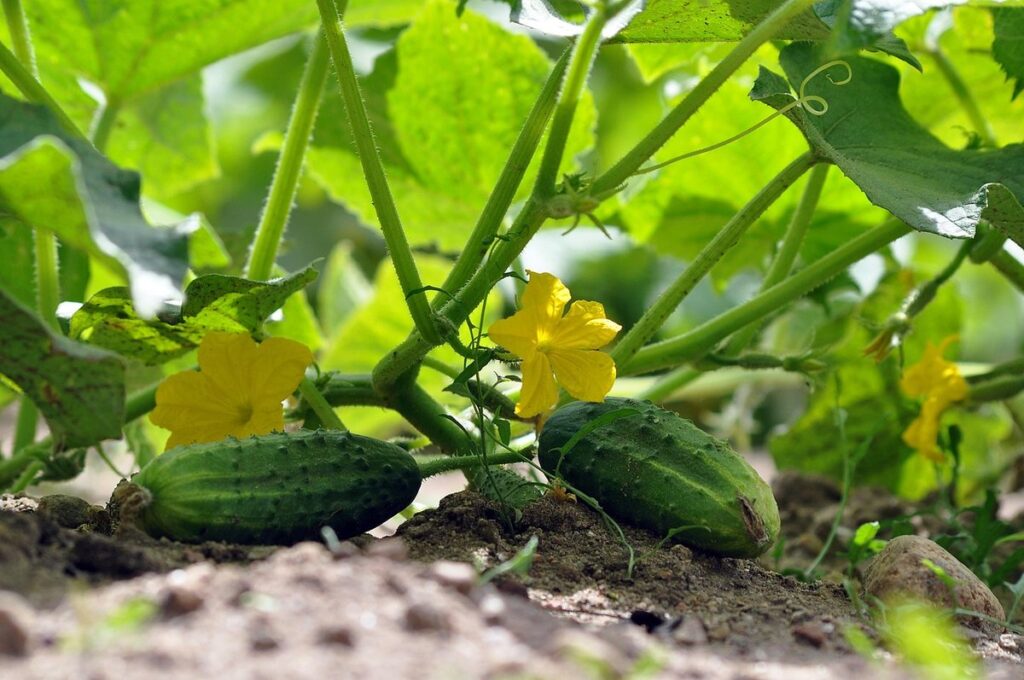
When creating a cucumber garden, it’s crucial to choose a location that receives plenty of sunlight and has well-draining soil to ensure your plants thrive. This is especially important for cucumbers!
Understanding Cucumber Requirements
When it comes to creating a thriving cucumber garden, understanding the requirements of these versatile vegetables is crucial. Cucumbers need full sun (at least 6 hours of direct sunlight) and warm temperatures to thrive. To identify suitable locations for your cucumber garden, let’s consider three essential factors: climate, sunlight, and wind.
Start by assessing your local climate. If you live in a region with hot summers and mild winters, you’re likely in good shape for growing cucumbers. However, if you experience harsh winters or cool springs, you may need to provide supplemental warmth using row covers or cold frames.
When evaluating sunlight, ensure that the area receives direct sunlight for at least 6 hours a day. East- or west-facing locations are ideal, as they receive gentle morning or afternoon sun without the intense midday heat. Avoid areas with heavy shade, especially from trees or buildings, which can lead to weak and spindly plants.
Lastly, consider wind direction and speed. Cucumbers prefer still air, so choose a location that provides some protection from harsh winds. This might be a spot near a fence line, wall, or other structure that blocks the wind. By taking these factors into account, you can create an optimal environment for your cucumber garden to flourish.
Assessing Soil Conditions
When it comes to growing cucumbers, one of the most crucial factors to consider is soil condition. Cucumbers thrive in well-draining soil that’s rich in nutrients, but also has a balanced pH level. Aim for a pH range between 6.0 and 7.0, as this will provide optimal conditions for your cucumber plants.
To test your soil pH levels, you can purchase a DIY testing kit or send a sample to a lab for analysis. This will give you an accurate reading of your soil’s pH level. If the results show that your soil is too alkaline or acidic, don’t worry – it’s easy to amend!
To adjust your soil pH, you can add elemental sulfur to lower the levels (for acidic soil) or lime to raise them (for alkaline soil). For example, if your soil test shows a pH of 8.0, adding 1-2 pounds of lime per 100 square feet can help bring it back into balance.
Keep in mind that cucumbers are heavy feeders and will require regular fertilization throughout their growing season. A balanced fertilizer with a mix of nitrogen, phosphorus, and potassium (NPK) will provide the necessary nutrients for healthy growth.
Designing an Efficient Garden Layout
Now that we’ve discussed the basics of cucumber gardening, let’s dive into designing a layout that maximizes space and yields. We’ll explore tips for efficient spacing, pathways, and support systems.
The Role of Crop Rotation
Crop rotation is a crucial aspect of designing an efficient cucumber garden layout. By rotating your crops, you can significantly improve soil health, reduce pests and diseases, and increase yields. This technique involves growing different crops on the same land over time to restore its fertility and avoid depleting it of nutrients.
When it comes to cucumber gardens, rotating them with other plants like corn or beans can be particularly beneficial. These companion plants have a symbiotic relationship that enhances each other’s growth. For instance, corn provides shade for cucumbers, which prevents scorching from intense sunlight. Beans, on the other hand, fix nitrogen in the soil, making it more suitable for cucumbers.
To implement crop rotation effectively, start by identifying the specific needs of your cucumber plants. Then, choose companion crops that complement their requirements. A simple and practical approach is to rotate your crops every 2-3 years, using a sequence like legumes (beans), followed by corn, and then cucumbers. This routine will maintain soil fertility while minimizing pests and diseases.
Selecting the Right Variety for Your Space
When selecting the right variety of cucumbers for your garden, it’s essential to consider two key factors: space requirements and desired harvest. Different types of cucumber varieties have distinct needs when it comes to spacing, so choosing the right one will ensure a thriving and productive garden.
For example, slicing cucumbers require more space due to their sprawling vines, which can spread up to 3-5 feet in diameter. These varieties are perfect for larger gardens or those who want to harvest a large quantity of cucumbers for slicing or snacking. On the other hand, pickling cucumbers have smaller vines and compact growth habits, making them ideal for smaller spaces or container gardens.
English cucumbers, also known as hothouse cucumbers, are another popular variety that falls somewhere in between. They require a moderate amount of space and produce long, slender fruits perfect for slicing and snacking. Consider the size of your garden and the desired harvest when choosing between these three varieties. By selecting the right cucumber type for your space, you’ll be well on your way to creating a beautiful and productive cucumber garden layout.
Planting Cucumbers: Techniques and Tips
When planting cucumbers, it’s essential to get the layout right to maximize space and promote healthy growth. Let’s dive into the techniques and tips you need to create a thriving cucumber garden.
Direct Sowing vs. Transplanting
When it comes to planting cucumbers, you have two primary options: direct sowing and transplanting. Both methods have their advantages and disadvantages, which we’ll explore below.
Direct sowing involves planting cucumber seeds directly into the soil where they will mature. This method is often preferred by gardeners because it eliminates the need for seedlings to be handled and transplanted, reducing stress on the plants. Additionally, direct-sown cucumbers tend to have stronger roots and a more extensive root system, which can lead to higher yields.
However, direct sowing also has its drawbacks. For one, it can be challenging to get the seeds to germinate evenly, especially in cooler temperatures. Furthermore, direct-sown cucumbers may require more space between plants to allow for proper air circulation and sunlight penetration.
Transplanting cucumber seedlings into a larger container or directly into the garden can also produce excellent results. This method allows you to start your cucumbers indoors 2-3 weeks before the last frost date, giving them a head start on the growing season. Transplanted cucumbers tend to have a neater appearance and are often less prone to pests and diseases.
To prepare soil for optimal growth, make sure it’s well-draining and rich in organic matter. Add a 2-inch layer of compost or well-rotted manure to improve fertility and structure. Space cucumber plants 6-8 inches apart, taking care not to overcrowd the bed. For direct sowing, sow seeds about 1 inch deep and 3-4 inches apart, then thin them out as they grow.
In terms of spacing, keep in mind that cucumbers are a vining crop and will require support as they grow. Provide a trellis or fence for the plants to climb on, ensuring they receive adequate sunlight and air circulation. With proper care and attention, both direct sowing and transplanting can produce an abundance of delicious cucumbers in your garden.
Supporting Cucumber Plants
Providing support for cucumber plants is essential to keep them off the ground and encourage vertical growth. This not only makes the most of space but also promotes healthy development. Trellises, cages, and rows are popular options to consider.
When choosing a trellis, select one that’s sturdy enough to hold the weight of your cucumbers as they grow. You can use individual plant supports or create a more extensive trellis system for multiple plants. Cages made from wire or bamboo provide excellent support while also helping to keep pests away.
For vining varieties, training them to climb is crucial. Start by gently twining the stems around the support structure, securing with clips if necessary. As they grow, continue to train new growth by guiding it up and along the trellis. Keep in mind that cucumbers prefer a gentle breeze and full sun exposure to thrive.
Remember, proper training will lead to healthier, more productive plants. Be patient and enjoy watching your cucumber garden flourish with careful attention to support and guidance.
Watering and Irrigation Strategies
Proper watering and irrigation are crucial to your cucumber garden’s success, and we’ll walk you through essential strategies for achieving optimal moisture levels. From drip irrigation systems to frequency of watering, we’ve got you covered!
Understanding Cucumber Water Needs
Cucumbers are a thirsty crop, and they require consistent moisture to produce well. As the fruiting stage begins, cucumbers need about 1-2 inches of water per week, either from rainfall or irrigation. It’s essential to provide them with a steady supply of water to prevent stress and promote healthy growth.
However, overwatering is a common mistake that can lead to a range of problems, including root rot, leaf drop, and decreased yields. To avoid this, ensure your cucumber plants are in well-draining soil, and consider installing a drip irrigation system or soaker hose to deliver water directly to the roots.
Water your cucumbers deeply but infrequently to encourage deep root growth, rather than shallow watering which encourages weak, surface roots. Monitor the soil moisture by inserting your finger into the soil up to the knuckle – if it feels dry, it’s time for a drink! Check the weather forecast and adjust your watering schedule accordingly to avoid overwatering during periods of high rainfall.
Implementing Efficient Watering Systems
Implementing an efficient watering system is crucial to maintaining a healthy and thriving cucumber garden. Cucumbers require consistent moisture, especially during their early growth stages. However, overwatering can lead to root rot, fungal diseases, and other problems that may decimate your crop.
Drip irrigation systems are ideal for cucumbers as they deliver water directly to the roots, reducing evaporation and runoff. This technique also helps prevent water-borne diseases by keeping the leaves dry. To set up a drip irrigation system, you’ll need to purchase a drip tube or emitter, which can be placed alongside the plants.
Another efficient option is soaker hoses, which slowly release water along their length as they’re rolled out among the plants. This method also helps reduce evaporation and prevents water from accumulating on the leaves, where it can encourage fungal growth.
When choosing an irrigation system, consider factors like climate, soil type, and plant density to ensure you’re using the most suitable technique for your garden.
Pest Management and Disease Prevention
To keep your cucumber garden thriving, it’s essential to prevent pests and diseases from ruining all your hard work. We’ll walk you through effective strategies for managing these common problems.
Common Cucumber Pests
Cucumbers are susceptible to several pests that can cause significant damage if left unchecked. Among the most common culprits are aphids, whiteflies, and squash bugs. These tiny insects feed on plant sap, weakening the plant’s defense mechanisms and making it vulnerable to disease.
Aphids, for instance, secrete a sticky substance called honeydew, which attracts other pests and promotes fungal growth. Whiteflies, on the other hand, transmit viruses like the cucurbit yellow stunting disorder virus (CYSDV). Squash bugs suck the sap from cucumber vines, causing wilting and stunted growth.
Effective management of these pests requires an integrated approach, combining cultural, physical, biological, and chemical controls. Organic methods include introducing natural predators or parasites, such as ladybugs or lacewings, to control aphid populations. Neem oil and insecticidal soap can also be used to repel whiteflies and squash bugs.
Chemical controls should only be considered when infestations are severe. Always follow label instructions and take necessary precautions to avoid harming beneficial insects and the environment. Regular monitoring of your cucumber plants will help you identify pest issues early, enabling prompt intervention and minimizing damage.
Managing Diseases in Cucumbers
Managing diseases in cucumbers is crucial to maintaining a healthy and thriving garden. Two common fungal diseases that affect cucumbers are powdery mildew and downy mildew. Powdery mildew appears as a white, powdery coating on the leaves, while downy mildew causes yellowing or browning of the lower leaves.
To prevent these diseases, ensure good air circulation around your cucumber plants by providing enough space between them. Remove any infected leaves to prevent the disease from spreading. You can also use fungicides as a last resort, but always follow the instructions carefully to avoid harming the environment.
Bacterial wilt is another common bacterial disease that affects cucumbers. It causes yellowing or wilting of the leaves and may even kill the plant. To prevent this disease, ensure good hygiene practices in your garden, such as disinfecting your tools regularly. Avoid overwatering, which can create an ideal environment for bacteria to thrive.
Some practical tips to maintain good garden hygiene include:
* Disinfecting your gardening tools with a mixture of 1 part bleach to 9 parts water
* Using crop rotation to avoid depleting the soil of nutrients and creating an environment conducive to disease development
* Avoiding overhead watering, which can splash bacteria onto the plants
By following these tips, you can reduce the risk of disease in your cucumber garden and ensure a bountiful harvest.
Harvesting and Storing Cucumbers
Once you’ve successfully grown a bountiful cucumber crop, it’s time to think about harvesting and storing them properly to keep your cucumbers fresh for as long as possible.
Timing the Perfect Harvest
Timing the Perfect Harvest
When it comes to harvesting cucumbers, timing is everything. You’ll know they’re ready when they’ve reached a mature size, typically between 6 and 8 inches long. Check for a deep green color, as this indicates optimal ripeness. Gently grasp the cucumber and twist it away from the plant; if it comes off easily, it’s likely ripe.
To prolong freshness, handle cucumbers with care to avoid bruising or scratching the skin. Harvest them in the morning when the dew is still present on the leaves, as this will help keep the cucumbers hydrated throughout the day.
For storage, keep cucumbers cool and dry, away from direct sunlight. Store them in a sealed container or plastic bag with ventilation holes to maintain humidity levels. You can also wrap individual cucumbers in paper towels to absorb excess moisture and extend their shelf life up to 5-7 days.
Remember, regular harvesting encourages the plant to produce more cucumbers, so check on your crop every few days for optimal results.
Preserving Cucumber Bounty
When you’ve worked hard to grow a bountiful cucumber harvest, it’s essential to have strategies in place for preserving them so you can enjoy the fruits of your labor throughout the year. With the right preservation methods, you can extend the shelf life of your cucumbers and keep them fresh for months to come.
One popular method is pickling. To make dill or sweet pickles, slice or spear the cucumbers thinly and soak them in a brine solution consisting of water, vinegar, salt, and spices. This process not only adds flavor but also acts as a natural preservative, allowing you to store pickled cucumbers for up to six months.
Freezing is another great option for preserving cucumbers. Slice or chop the cucumbers and blanch them in boiling water for 2-3 minutes to inactivate enzymes that cause spoilage. Then, package them airtight in freezer-safe containers or bags and store in the freezer for up to eight months.
Dehydrating is also an effective method for preserving cucumbers. Slice the cucumbers thinly and dry them using a food dehydrator or your oven on its lowest temperature setting. Store dried cucumber slices in airtight containers to use as snacks or add to salads, soups, and stews.
Troubleshooting Common Issues in Cucumber Gardens
Don’t worry, we’ve all been there: a wilting cucumber plant or a pesky pest can quickly ruin your garden’s momentum. This section will help you troubleshoot common issues and get back on track.
Addressing Common Problems
As you start to nurture your cucumber garden, it’s not uncommon to encounter some common problems that can be frustrating and detrimental to your harvest. Poor germination rates, fungal diseases, and pests are just a few of the issues that can plague even the most seasoned gardeners.
One of the main culprits behind poor germination is overwatering or underwatering. Cucumbers need consistent moisture, especially when they’re sprouting. To combat this issue, ensure your soil has good drainage and water them deeply but infrequently to encourage deep root growth. Another common mistake is sowing seeds too close together, which can lead to overcrowding and reduced air circulation.
Fungal diseases like powdery mildew and downy mildew are also prevalent in cucumber gardens. These infections often arise from excess moisture, so it’s essential to maintain good airflow and provide adequate space between plants for sunlight penetration. Remove any affected leaves or stems promptly to prevent the spread of disease.
Pests like aphids, whiteflies, and spider mites can quickly decimate your cucumber crop if left unchecked. Inspect your plants regularly, and use organic pest control methods whenever possible, such as introducing beneficial insects, using neem oil, or hand-picking pests when necessary.
To prevent these issues in the first place, implement a few preventative measures: practice crop rotation to avoid depleting soil nutrients, maintain a balanced fertilizer regime, and ensure that your garden is well-ventilated. By being proactive and identifying potential problems early on, you can enjoy a thriving cucumber garden that’s teeming with fresh produce.
By understanding these common challenges and taking steps to mitigate them, you’ll be well-equipped to tackle any issues that arise in your own cucumber garden layout. Remember to stay vigilant, adapt to changing conditions, and make adjustments as needed to ensure the best possible outcome for your harvest.
Frequently Asked Questions
How can I ensure proper air circulation among my cucumber plants?
Proper air circulation is crucial for preventing fungal diseases that thrive in humid environments. To achieve this, space your cucumber plants at least 12 inches apart to allow for adequate airflow. You can also consider using trellises or other supports to keep the plants upright and promote good air circulation.
Can I grow cucumbers in containers if I have limited garden space?
Yes, you can successfully grow cucumbers in containers provided they are large enough (at least 5-gallon capacity) and have good drainage. Choose a container with a trellis or cage to support the plants as they grow. Make sure the container is placed in full sun and has consistent moisture levels.
How do I manage pests that target cucumbers, such as aphids and whiteflies?
Regular monitoring of your cucumber plants for signs of pests is essential. Use neem oil or insecticidal soap to control infestations when detected early. Consider introducing beneficial insects like ladybugs or lacewings into your garden to prey on these pests.
How can I extend the harvest season for my cucumbers?
To prolong the harvest, choose varieties that mature quickly (around 50-60 days) and consider using row covers to protect against frost damage in cooler climates. You can also try succession planting by sowing new seeds every two weeks to ensure a continuous supply of fresh cucumbers.
Can I grow cucumbers alongside other vegetables without affecting their growth?
Yes, cucumbers can be successfully grown alongside many vegetables like tomatoes and squash as long as there is adequate space for air circulation. However, avoid planting them near members of the Brassica family (broccoli, cauliflower, etc.) or pole beans due to potential competition for nutrients and water.
How do I store harvested cucumbers to maintain their freshness?
To preserve cucumber freshness, store them in a cool, dry place away from direct sunlight. Remove any spoiled or damaged cucumbers before storing the rest in sealed containers or plastic bags. Keep the stored cucumbers refrigerated at temperatures between 32°F and 40°F for optimal preservation.
What are some signs of common diseases affecting cucumber plants?
Common diseases like powdery mildew, downy mildew, and fusarium wilt can be identified by observing white patches on leaves (powdery mildew), yellowing or dying leaves (fusarium wilt), or a white cotton-like growth on the underside of leaves (downy mildew). Regularly inspect your plants for these symptoms to take prompt action with fungicides or other treatments if necessary.
Can I use companion planting techniques to boost cucumber yields?
Yes, certain vegetables like dill, radishes, and nasturtiums can be used as companion plants to enhance growth and reduce pest attacks on cucumbers. These beneficial companions can help repel pests or attract pollinators, resulting in healthier and more productive cucumber plants.
How do I support my climbing cucumber varieties effectively?
To maximize yields from climbing cucumber varieties, install a sturdy trellis (at least 6 feet tall) near your plantings to provide a climbing structure. As the vines grow, gently twine them around the trellis using soft ties or clips to secure them in place.
Can I use drip irrigation systems for efficient watering of my cucumbers?
Yes, drip irrigation systems are an excellent option for efficiently delivering water directly to the roots of your cucumber plants while minimizing evaporation and runoff. This method promotes healthy root growth, reduces water waste, and helps prevent fungal diseases caused by overwatering.
What should I do if I notice a significant decline in my cucumber plant’s vigor?
If you observe reduced growth or yellowing leaves in your cucumbers, inspect the roots for signs of nutrient deficiencies or pests. Adjust watering strategies based on soil moisture levels, and consider adding organic amendments to replenish essential nutrients.