
Growing cucumbers can be a bit of a challenge, especially when it comes to pests and diseases. But did you know that pairing your cucumbers with complementary plants can make all the difference? Not only do these companion plants help repel pesky insects and fungal diseases, but they also boost flavor and yields – giving you healthier, more bountiful harvests.
In this article, we’ll explore some of the best cucumber companion plants to try in your garden. From herbs like basil and mint that repel aphids and other pests, to flowers like nasturtiums that attract beneficial insects, we’ll cover it all. Whether you’re a seasoned gardener or just starting out, learning how to pair cucumbers with complementary plants can take your gardening game to the next level – and ensure you enjoy a healthy, thriving cucumber crop every time!
Benefits of Using Companion Plants with Cucumbers
When it comes to growing cucumbers, using companion plants can make a big difference in their flavor and yields. This section explores how certain plants can benefit your cucumber crops.
Improving Soil Health
When you think of companion plants, you often focus on their benefits for flavor and pests. However, these plants can also have a profound impact on soil health. Beneficial microorganisms are essential for healthy plant growth, but they’re often lacking in garden soils due to over-tillage, chemical use, or monoculture practices. Companion plants like marigolds, nasturtiums, and dill can help increase the population of beneficial microbes through various mechanisms.
Marigolds, for example, contain compounds that stimulate microbial activity, which leads to increased soil fertility. Nasturtiums release chemicals that deter pests but also attract beneficial nematodes that attack fungal pathogens in the soil. Dill, on the other hand, attracts beneficial insects like ladybugs and lacewings that feed on aphids and whiteflies. By incorporating these plants into your cucumber bed, you can create a diverse ecosystem where microorganisms thrive.
To maximize their impact on soil health, rotate your companion plants annually to avoid depleting their nutrient reserves. This will encourage them to continue producing beneficial chemicals and attracting vital beneficial organisms.
Deterrent Properties Against Pests
When you plant companion plants alongside cucumbers, they not only enhance flavor and aroma but also serve as natural pest repellents. Certain herbs like basil, mint, and lemongrass have been found to deter common cucumber pests such as aphids, whiteflies, and spider mites.
For instance, basil has a strong scent that repels aphids and other pests, making it an excellent choice for companion planting with cucumbers. A study conducted in 2018 at the University of California, Davis, demonstrated that basil extracts significantly reduced aphid populations on cucumber plants.
Similarly, mint’s pungent aroma is known to ward off whiteflies and spider mites. Planting mint near your cucumber patch can help prevent these pests from taking over your crop. To make the most of this companion planting strategy, be sure to plant the herb in a location that receives plenty of sunlight and has good air circulation.
By incorporating basil and mint into your cucumber garden, you’ll not only keep pests at bay but also add fresh flavor to your harvest.
Companion Plant Pairings for Cucumbers
Now that you’ve got a solid understanding of how companion plants work, let’s dive into some specific pairings to boost your cucumber crop. We’ll explore which friends make the best neighbors for cucumbers.
1. Marigold and Nasturtium Combinations
Pairing marigolds with nasturtiums is a winning combination for cucumber growers. Both plants have natural pest-repelling properties that work together to create an environment inhospitable to nematodes and other pests. Marigolds, in particular, contain pyrethrum, a chemical that repels nematodes, whiteflies, and aphids. When planted alongside nasturtiums, these effects are amplified.
Nasturtiums, with their bright flowers and sprawling leaves, also attract beneficial insects like lacewings and hoverflies, which prey on pests that might target cucumbers. This multi-layered defense system helps protect cucumber plants from nematode infestations, reducing the risk of root damage and promoting healthier growth.
To reap the benefits of this pairing, plant marigolds and nasturtiums around the perimeter of your cucumber bed or intersperse them among the rows. Aim for a mix of about 1/3 marigolds to 2/3 nasturtiums, allowing both plants to spread out without overcrowding each other. As these companion plants mature, enjoy their colorful blooms while knowing you’re also boosting pest control in your cucumber garden.
2. Basil and Mint Combinations
When it comes to repelling pests that target cucumbers, basil and mint are two of the most effective companion plants you can pair with them. These fragrant herbs not only add a burst of flavor to your salads and sandwiches but also help keep aphids and spider mites at bay.
Aphids, those pesky little insects that love to feast on cucumber sap, are particularly fond of basil’s sweetness. However, basil emits oils that repel aphids, keeping them from settling on your cucumbers. By planting basil near your cucumber patch, you can enjoy a pest-free harvest and enjoy the added benefit of fresh basil leaves for cooking.
Mint, on the other hand, is a natural spider mite repellent. These tiny pests thrive in dry conditions but mint’s intense fragrance helps to keep them away. Simply plant mint nearby and watch as your cucumber plants stay healthy and free from infestations.
To make the most of this pairing, be sure to grow both basil and mint in well-draining soil with plenty of sunlight. This will allow their fragrances to reach maximum potency and keep those pesky pests at bay.
Companion Plants for Specific Cucumber Varieties
When growing specific cucumber varieties, it’s essential to pair them with the right companion plants to enhance their unique characteristics and maximize your harvest. Let’s explore some ideal pairing options for each type.
1. English and Slicing Cucumbers
When it comes to English and slicing cucumbers, you’ll want to focus on companion plants that promote healthy growth, reduce pests and diseases, and enhance flavor. One of the best pairings for these varieties is with basil and mint.
These herbs not only add a fresh twist to your salads and sandwiches but also repel aphids and whiteflies that can damage cucumber leaves. Radishes are another excellent choice, as they help to break up compacted soil and prevent diseases like powdery mildew from taking hold. By planting radishes alongside English and slicing cucumbers, you’ll be creating a healthier growing environment for your plants.
If you’re looking for something a bit more unique, consider pairing your cucumbers with nasturtiums or calendula. These flowers attract beneficial insects that prey on common cucumber pests like aphids and spider mites. Simply interplant them among your cucumber rows to create a vibrant and pest-resistant garden bed.
2. Pickling Cucumbers
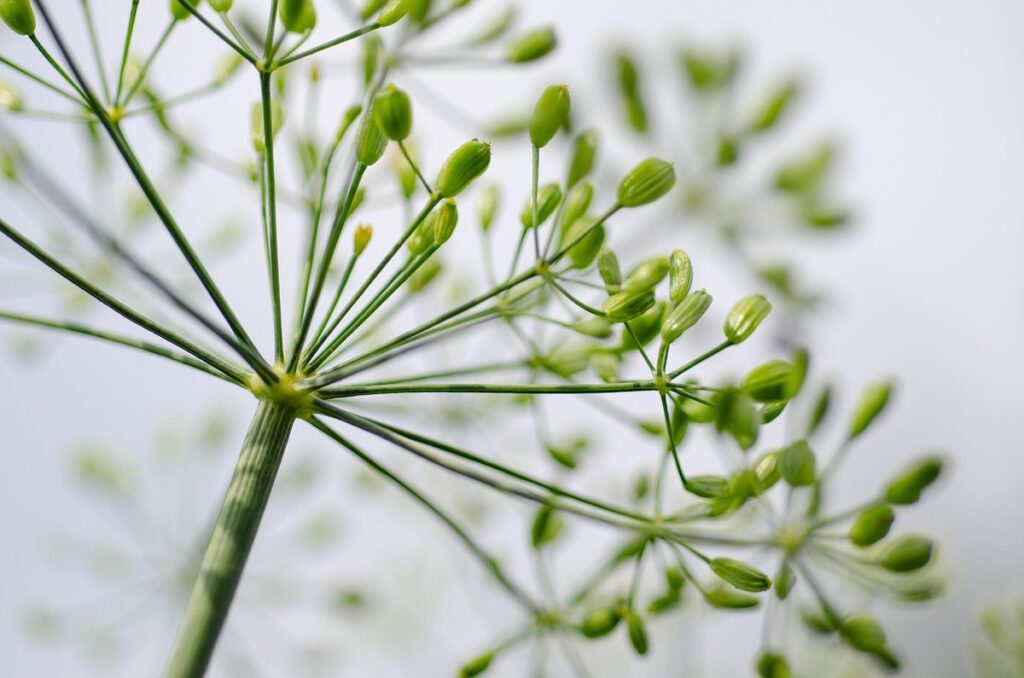
When it comes to pickling cucumbers, certain companion plants can take their flavor and yield to the next level. One of the most popular pairings is with dill, which not only complements the tangy taste of pickles but also repels aphids and other pests that might damage your cucumber crop.
Dill’s ability to enhance the flavor of pickling cucumbers makes it a natural companion plant. Simply plant dill seeds around the perimeter of your cucumber bed or intersperse them among the plants, allowing about 6-8 inches of space between each dill seed. Dill’s tall stalks will provide shade for your cucumbers and create a visually appealing combination in your garden.
Another option is to pair pickling cucumbers with mint. While mint can be invasive, its repelling properties make it an excellent companion plant for cucumbers. Plant mint around the base of your cucumber plants or use it as a border to deter aphids and other pests. However, keep in mind that mint can spread quickly, so consider containing it within a planter or pot.
How to Choose the Right Companion Plants
When it comes to selecting the perfect companion plants for your cucumbers, choosing wisely is crucial to maximizing flavor and yields. Let’s dive into the key factors to consider when making this decision.
Factors to Consider
When selecting companion plants for cucumbers, it’s essential to consider several key factors to ensure they thrive together. First and foremost, climate plays a significant role in determining the compatibility of companion plants with cucumbers. For instance, if you live in an area with hot and dry summers, choose drought-tolerant companion plants like basil or mint that won’t compete for water with your cucumber vines.
Another crucial factor is soil type. If your soil is heavy clay or sandy, some companion plants may not perform well due to poor drainage or nutrient deficiencies. For example, if you have a heavy clay soil, avoid planting marigolds, as they prefer well-draining soils. On the other hand, if you have sandy soil, consider planting creeping thyme, which can tolerate dry conditions and poor soil quality.
Lastly, growth habits are also an essential consideration when selecting companion plants for cucumbers. For example, if you choose a vigorous-growing plant like corn or beans, ensure it won’t shade out your cucumber vines or compete for resources. By carefully considering these factors, you’ll be able to create a harmonious and thriving companion planting arrangement that benefits both your cucumbers and other plants.
Planting and Maintenance Tips
When it comes to planting and maintaining companion plants for cucumbers, there are several key factors to consider. First, make sure you’re choosing a location that receives at least six hours of direct sunlight per day. Companion plants like radish, nasturtium, and dill thrive in full sun conditions.
To plant companion plants successfully, dig shallow trenches alongside your cucumber rows. Plant the companions about 2-3 inches apart from each other to allow for proper growth. Keep in mind that some companion plants, like marigold, can be quite aggressive spreaders, so plan accordingly.
In terms of maintenance, remember that most companion plants require minimal care once established. Water them moderately, and avoid over-fertilizing, which can lead to an overabundance of weeds. Mulch around the plants to retain moisture and suppress weeds. By following these simple tips, you’ll be well on your way to creating a thriving cucumber garden with healthy and beneficial companion plants.
Common Challenges and Solutions
When growing cucumbers, you may encounter issues that hinder their growth, but don’t worry, we’ve got you covered. This section shares common challenges and their solutions to ensure a thriving cucumber garden.
Overcrowding and Competition for Resources
When growing cucumber companion plants together, it’s common to encounter overcrowding and competition for resources. This can lead to reduced yields, flavor, and overall plant health. To avoid these issues, it’s essential to understand how to strategically pair companion plants with cucumbers.
Overcrowding occurs when too many plants are grown in a small space, leading to shading, moisture competition, and increased susceptibility to disease. For instance, if you’re growing cucumbers alongside tall sunflowers, the latter may shade the former, reducing cucumber growth and productivity. To mitigate this, consider planting companion plants at a distance of 1-2 feet from each other, depending on their mature size.
Competition for resources is another challenge that can arise when growing multiple plants together. Companion plants may compete with cucumbers for water, nutrients, or light, potentially harming plant growth and yields. To optimize resource allocation, focus on companion plants that complement cucumbers’ needs rather than competing with them. For example, planting marigolds nearby will attract beneficial insects that repel nematodes, reducing the need for pesticides and conserving resources.
Pest and Disease Management
Companion plants can play a significant role in pest and disease management for cucumbers. Nasturtiums, for example, repel aphids, whiteflies, and squash bugs that target cucumber plants. By incorporating nasturtiums into your garden, you’ll be creating a barrier against these pests.
Borage is another beneficial companion plant that attracts beneficial insects like bees and predatory wasps. These pollinators will help improve cucumber yields by facilitating effective pollination. Additionally, borage’s fragrance can deter tomato hornworms from reaching nearby plants.
Some fungal diseases like powdery mildew and downy mildew are common threats to cucumbers. Basil and dill have been shown to repel these pathogens, reducing the risk of infection when planted alongside cucumbers. To maximize their effects, ensure that basil and dill are at least 12 inches away from the cucumber plants.
To effectively utilize companion plants for pest and disease management:
* Plant a diverse mix of beneficial species in your garden.
* Position them strategically to create barriers or attract pollinators.
* Monitor your crops regularly to detect any issues early on, when they’re easier to address.
Frequently Asked Questions
How do I ensure the companion plants I choose are suitable for my cucumber variety?
Ensure you research the specific needs of your cucumber variety, including its growth habits, space requirements, and any potential diseases or pests it may be susceptible to. This will help you select companion plants that complement these needs and provide optimal benefits.
Can I use the same companion plant with multiple types of cucumbers, such as English, slicing, and pickling?
While many companion plants are versatile and can benefit various cucumber varieties, some may have specific requirements or interactions that affect their effectiveness. For example, marigolds are beneficial for repelling nematodes in English and slicing cucumbers but might not be as effective against pests affecting pickling cucumbers.
How do I plant and maintain companion plants to maximize benefits for my cucumber crop?
Plant companion plants at the same time as your cucumbers or slightly before. Space them about 12-18 inches apart, depending on their growth habits. Regularly water and fertilize both the companion plants and cucumbers. Mulch around the base of both plants to retain moisture, suppress weeds, and regulate soil temperature.
Can I use companion plants as a sole solution for pest control or disease management in my cucumber crop?
While companion plants can provide significant benefits, they are not a replacement for integrated pest management (IPM) strategies. Combine companion planting with other techniques like crop rotation, physical barriers, and organic pesticides to achieve the most effective results.
How do I balance the space requirements of companion plants with those of my cucumber crop?
Consider planting taller companion plants, such as marigolds or sunflowers, on the north side of your cucumber bed or using vertical gardening methods to optimize space. Also, some companion plants like basil and mint can be used in containers near the cucumbers, reducing competition for resources.
What are some common mistakes to avoid when incorporating companion planting into my garden?
Avoid overcrowding by leaving sufficient space between both companion plants and cucumbers. Don’t rely solely on a single companion plant species, as this may lead to over-reliance on that particular benefit. Also, be cautious of potential allelopathic effects or nutrient competition between companion plants and cucumbers.