
If you’re growing cucumbers in your garden, you know how finicky they can be. Between pests, diseases, and nutrient deficiencies, it’s not uncommon to see your cucumber plants struggling to thrive. But did you know that companion flowers can make all the difference? By planting calendula, marigold, and borage alongside your cucumbers, you can create a balanced ecosystem that promotes healthy growth, boosts yields, and even repels pests and diseases naturally. In this article, we’ll explore the world of cucumber companion flowers and show you how to harness their power in your garden. You’ll learn which specific flowers to use, how to plant them effectively, and the benefits they bring to your cucumber plants. Whether you’re a seasoned gardener or just starting out, this is one tip that’s sure to revolutionize your cucumber-growing experience!
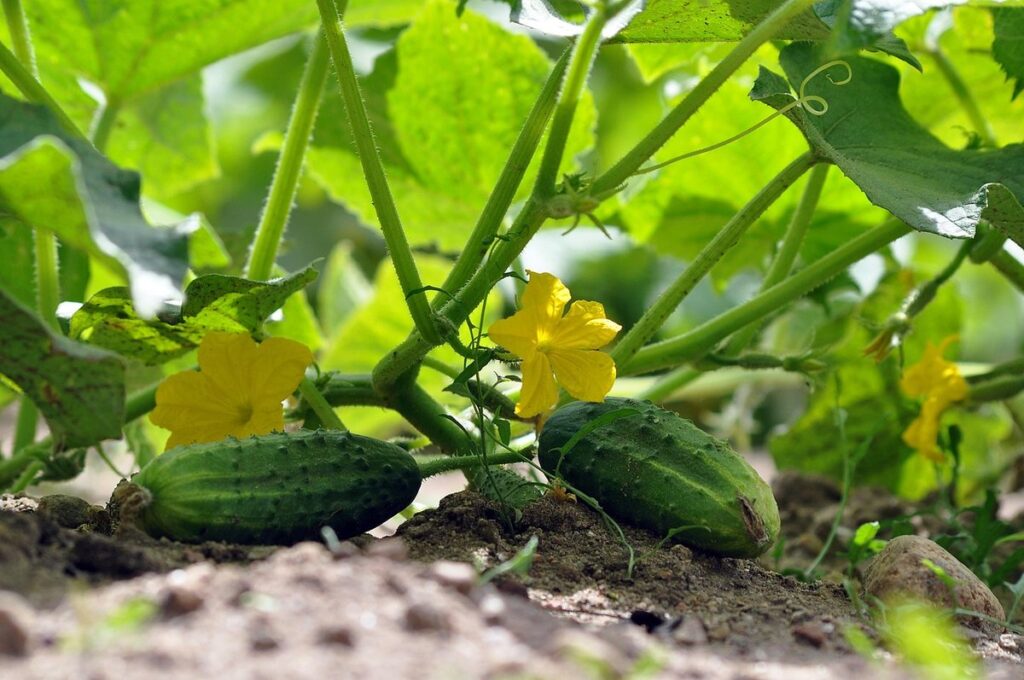
Understanding Companion Planting
Companion planting is a simple yet powerful technique that can make a huge difference in your cucumber’s health and productivity. Let’s dive into how it works and why it’s essential for your garden.
What are Companion Plants?
Companion plants are a group of plants that grow alongside each other to enhance their growth, health, and productivity. They work by providing beneficial effects such as repelling pests, attracting pollinators, improving soil quality, and even boosting flavors and aromas.
These benefits are achieved through various mechanisms, including competition for resources like water and nutrients, release of chemicals into the air or soil, and physical support for each other’s growth. By incorporating companion plants into your garden, you can create a more diverse and resilient ecosystem that’s less susceptible to pests and diseases.
For instance, basil repels aphids and whiteflies while attracting beneficial insects like bees and butterflies, which in turn pollinate cucumber flowers. Marigold and calendula release chemicals that repel nematodes, microscopic worms that harm cucumbers’ roots. By planting these companion flowers alongside your cucs, you can create a balanced and thriving garden ecosystem.
Incorporating companion plants is easy – simply choose the right varieties for your specific needs, plant them together, and enjoy the benefits!
Benefits of Companion Planting for Cucumbers
Companion planting is a game-changer for cucumber growers. Not only does it add visual interest and beauty to your garden, but it also provides numerous benefits that can significantly improve the health and productivity of your cucumbers.
One of the primary advantages of companion planting with cucumbers is its ability to repel pests and diseases. For instance, basil and mint are natural repellents for aphids, whiteflies, and spider mites, which can be devastating to cucumber crops. Planting these flowers alongside your cucumbers can help keep these pests at bay, reducing the need for chemical pesticides.
Companion planting also promotes healthy growth and development in cucumbers. Marigold and nasturtiums, with their bright orange and yellow blooms, attract beneficial insects like lacewings and hoverflies that prey on cucumber beetles. This not only prevents damage to your plants but also helps maintain a balanced ecosystem.
In addition to pest control, companion planting can increase yields by providing essential nutrients and supporting the overall health of your cucumber crop. For example, comfrey acts as a fertilizer plant, adding rich nutrients to the soil that benefit cucumbers, while beans and peas provide shade for young cucumber plants, reducing water loss and promoting faster growth.
By incorporating these beneficial flowers into your garden, you can create a thriving ecosystem that supports the well-being of your cucumber plants.
Choosing the Right Companion Flowers for Cucumbers
When selecting companion flowers for cucumbers, it’s essential to consider three critical factors: soil quality, climate, and pest management. A good starting point is to observe the natural environment around you. For example, if you notice that certain flowers thrive in your local climate, they might just work well with cucumbers too.
Consider planting marigolds alongside cucumbers for enhanced soil health. Their bright orange petals repel nematodes and attract beneficial insects like bees and butterflies. If your soil is poor in organic matter or has high pH levels, nasturtiums can help balance it out while keeping cucumber beetles at bay.
In hot climates, sunflowers provide a cooling effect by shading the cucumbers from intense sunlight. For cooler regions, consider planting calendula, which attracts beneficial wasps that feed on aphids and other pests threatening cucumber crops.
By carefully choosing companion flowers based on these factors, you can create a harmonious garden ecosystem where all plants work together to promote healthy growth and productivity.
Top Companion Flowers for Cucumber Gardens
When it comes to growing cucumbers, choosing the right companion flowers can make all the difference in their health and productivity. Let’s explore some top picks that’ll help your cucumber garden thrive.
Calendula: A Natural Pest Repellent
Calendula is one of the most beneficial companion flowers you can plant alongside your cucumbers. This vibrant bloom not only adds a pop of color to your garden but also provides a natural defense against common pests. Its strong fragrance repels aphids and whiteflies, two notorious enemies of cucumber plants.
These pesky insects can cause significant damage by sucking sap from the leaves and stems, weakening the plant and reducing its yield. Calendula’s ability to deter them is a game-changer for any gardener struggling with infestations. By planting calendula near your cucumbers, you’ll create a barrier that keeps these unwanted visitors away.
In fact, studies have shown that companion planting can increase crop yields by up to 25% and reduce the need for pesticides by as much as 50%. Calendula is an easy-to-grow addition to any garden, requiring minimal care and maintenance. Simply plant it alongside your cucumbers and watch how its natural pest-repelling properties work their magic.
To get the most out of calendula’s benefits, be sure to plant multiple blooms throughout your cucumber bed. This will create a robust defense system that keeps pests at bay all season long.
Marigold: A Flower That Repels Nematodes
When it comes to maintaining a healthy cucumber garden, one of the most insidious threats is the nematode. These microscopic worms can cause significant damage to cucumber plants, leading to reduced yields and weakened immunity. That’s where marigold comes in – a bright and cheerful flower that not only adds color to your garden but also helps repel nematodes.
Research has shown that marigold contains compounds such as pyrethrum and thymol, which are toxic to nematodes. By planting marigolds alongside cucumbers, you can create a barrier against these pests, reducing the risk of infestation. In fact, studies have demonstrated that marigolds can reduce nematode populations by up to 90%! To make the most of this beneficial relationship, plant marigolds around the perimeter of your cucumber bed or intersperse them throughout the crop. This will help keep nematodes at bay and give your cucumbers a much-needed boost in terms of health and productivity.
Borage: A Pollinator Magnet for Cucumbers
When it comes to companion flowers for cucumbers, few plants excel as borage. Not only is it a stunning addition to your garden’s visual appeal, but its benefits extend far beyond aesthetics. Borage serves as a magnet for pollinators, drawing bees, butterflies, and other beneficial insects that are crucial for cucumber health.
Studies have shown that when borage is planted alongside cucumbers, yields increase by up to 20%. This can be attributed in part to the enhanced pollination rates facilitated by the presence of these attractive flowers. To maximize the benefits of borage in your cucumber garden, plant a few blooms around the perimeter or interspersed among the cucumber plants. This will create a welcoming environment for beneficial insects and encourage healthy cross-pollination.
To get the most out of this pairing, make sure to plant borage in full sun, where it can reach its full potential as a pollinator attractant. With its bright blue flowers and easy-to-grow nature, borge is an ideal companion flower for any cucumber enthusiast looking to boost yields and enhance overall garden health.
Companion Flowers for Specific Cucumber Growing Challenges
For those struggling with common cucumber growing issues, this section offers expert advice on using companion flowers to solve problems and improve harvests. From pests to diseases, find natural solutions here.
Companion Plants for Preventing Powdery Mildew
When dealing with powdery mildew on cucumbers, companion flowers can be a game-changer. This fungal disease thrives in warm and humid conditions, making it a common issue for cucumber growers. However, certain plants have been shown to exhibit natural resistance or repelence against the pathogen.
Take garlic and onion, for instance. These members of the Allium family have been used for centuries as natural fungicides and insect repellents. Planting them alongside your cucumbers can help prevent powdery mildew in several ways. For one, their strong scent deters aphids and other pests that spread the disease. Additionally, garlic’s antifungal properties can directly inhibit the growth of powdery mildew.
To get the most out of these companion flowers, plant them around the perimeter of your cucumber bed or intersperse them among the plants. Garlic and onion don’t require as much space as cucumbers do, so this won’t reduce your overall yield. By incorporating these natural fungicides into your garden, you’ll be taking a proactive approach to maintaining healthy cucumber crops and reducing reliance on chemical pesticides.
Companion Plants for Repelling Aphids and Whiteflies
When aphids and whiteflies infest your cucumber plants, it can be frustrating to watch them suck sap from leaves and stems. However, there’s a natural way to keep these pests at bay: companion flowers that repel them. Nasturtiums are one such champion, releasing chemicals like sinigrin and trigonelline that deter aphids and whiteflies. By planting nasturtiums near your cucumbers, you can create a protective barrier around your crop.
Another excellent choice is calendula, also known as pot marigold. Its bright orange and yellow flowers repel these pests with their strong scent, which is especially potent when in bloom. Planting calendula alongside your cucumber plants not only keeps aphids and whiteflies away but also attracts beneficial pollinators and other insects that prey on the pests.
To make the most of these companion flowers, plant them around the base of your cucumber plants or intersperse them among the rows. This will create a diverse ecosystem that promotes balance in your garden. By combining nasturtiums and calendula with other beneficial companions like marigolds and basil, you can build an aphid- and whitefly-repellent team that keeps your cucumbers healthy and thriving all season long.
Companion Plants for Improving Soil Quality
When it comes to growing cucumbers, a healthy soil ecosystem is crucial for optimal health and productivity. Companion flowers can play a significant role in improving soil quality, reducing the need for fertilizers and other chemicals. One of the most beneficial companion flowers for this purpose is Marigold. Its bright yellow and orange blooms repel nematodes, microscopic worms that feed on plant roots and can cause stunted growth.
Other notable options include Nasturtiums, which release chemical compounds that inhibit fungal diseases, and Radish, a fast-growing crop that breaks up compacted soil and improves drainage. Plant these flowers alongside your cucumbers to create a diverse ecosystem that fosters beneficial microbial activity. This not only reduces the need for synthetic fertilizers but also promotes soil structure and fertility.
To maximize their benefits, plant companion flowers at least 3-4 feet away from cucumber plants, allowing for adequate space for growth. Remember to choose varieties that complement your climate and growing conditions. By incorporating these companion flowers into your garden, you’ll be taking a crucial step towards sustainable and thriving cucumbers.
Creating a Companion Flower Garden
To create a thriving companion flower garden, simply select and group flowers that benefit from each other’s needs and characteristics, just like you would for your cucumber plants.
Designing a Companion Flower Bed
When designing a companion flower bed to complement cucumber plants, it’s essential to consider spacing and layout carefully. Cucumbers prefer well-draining soil and full sun, so choose flowers that share similar requirements.
Some excellent companions for cucumbers include marigolds, nasturtiums, and calendula. These flowers repel nematodes, whiteflies, and other pests that can damage cucumber plants. Plant them around the perimeter of your bed to create a barrier between the cucumbers and potential threats.
For optimal growth, leave about 18-24 inches between each plant group, allowing for proper air circulation and sunlight penetration. Consider creating a layered effect by planting taller flowers like sunflowers or cosmos towards the north side of the bed, and shorter companions like creeping thyme in front. This design not only promotes healthy growth but also adds visual appeal to your garden.
When selecting companion flowers, consider their mature sizes and growing habits to ensure they won’t compete with your cucumber plants for resources. With a little planning, you can create a thriving companion flower bed that supports the health and productivity of your cucumbers.
Planting Companion Flowers in Existing Cucumber Beds
If you’ve already got an existing cucumber bed thriving, don’t worry about starting from scratch. You can still incorporate companion flowers to give them a boost without disrupting the growing season. Here’s how:
Start by identifying which areas of your cucumber bed receive full sun or partial shade. Companion flowers like nasturtiums and marigolds love full sun and will thrive in these spots. Plant them on the north side of the bed, away from the cucumbers to avoid overcrowding. For partially shaded areas, try planting vining flowers like morning glories or sweet peas that can climb up nearby trellises.
Make sure to plant companion flowers after your cucumber seedlings have at least 2-3 sets of leaves. This will prevent them from competing with each other for water and nutrients during the critical first few weeks of growth. Planting in between rows is another option – this way, you can make the most of existing space while minimizing competition.
Keep an eye on your companion flowers’ growth and adjust as needed. Prune or harvest any plants that start to overshadow the cucumbers, ensuring both benefit from each other’s company without competing for resources. By incorporating these companion flowers into your existing cucumber bed, you’ll not only enhance their flavor but also improve pest resistance and overall health.
Tips for Maintaining a Healthy Companion Flower Garden
Maintaining a companion flower garden is crucial to its success. Regular care will ensure that these beneficial flowers continue to support and enhance the health of your cucumbers. Water your companion flowers when the top inch of soil feels dry, but avoid overwatering as this can lead to root rot.
Weed management is another essential task. Regularly remove weeds by hand or with a hoe, making sure not to damage nearby plants. This will prevent competition for nutrients and water, allowing your companion flowers to thrive. You should also inspect your garden regularly for signs of pests or diseases, treating them promptly to prevent the issue from spreading.
To keep your companion flowers blooming all season, fertilize them lightly but regularly. A balanced fertilizer (10-10-10) applied once a month will provide essential nutrients without promoting excessive growth that may overshadow your cucumber plants. Prune any dead or dying blooms to encourage new growth and maintain air circulation within the garden. By dedicating time each week for these routine tasks, you’ll be rewarded with a lush and thriving companion flower garden that continues to support the health and productivity of your cucumbers.
Troubleshooting Common Challenges with Companion Flowers
Even with their many benefits, companion flowers can sometimes cause issues – but don’t worry, we’ve got some expert solutions to common problems. Let’s tackle these challenges together and get your cucumber plants thriving!
Overcrowding and Competition Between Plants
When companion flowers are chosen with care, they can bring numerous benefits to cucumbers. However, it’s not uncommon for these beneficial relationships to turn sour due to overcrowding and competition between plants.
Overcrowding occurs when too many companion flowers are planted alongside the cucumber vines, leading to a struggle for resources such as light, water, and nutrients. This can result in stunted growth, reduced yields, or even disease susceptibility in both plants. Consider a space of at least 6-8 inches between each companion flower plant, taking into account their mature size.
Additionally, some companion flowers, like marigolds and nasturtiums, have large leaves that can cast shade on cucumber vines, preventing them from receiving sufficient sunlight for photosynthesis. Ensure the taller plants are placed towards the north or west to minimize shading effects.
Incompatible Companion Plants
While companion flowers can have numerous benefits for cucumbers, there are some combinations that you should avoid. These incompatibilities may lead to reduced growth, decreased yields, and even disease susceptibility.
For instance, planting mint and cucumbers together is not a good idea. Mint’s strong fragrance can repel beneficial insects that pollinate cucumber flowers, reducing fruit set and overall productivity. Similarly, onions and garlic are known to inhibit the growth of many plants, including cucumbers, by releasing chemicals into the soil.
Another example is pairing cucumbers with members of the Brassica family, such as broccoli or cauliflower. These plants release allelochemicals that can suppress the growth of cucumber seedlings and reduce their yields. Avoid planting fennel and dill near cucumbers as well, as they can compete for nutrients and water.
To avoid these issues, plan your garden carefully, selecting companion flowers that are known to benefit cucumbers rather than harm them. By doing so, you’ll be able to maximize the potential of your cucumber crop and enjoy a bountiful harvest.
How to Identify and Address Companion Plant Issues
As you work with companion flowers to boost cucumber health and productivity, it’s not uncommon for issues to arise. Identifying and addressing these problems promptly is crucial to maintaining the health of both plants. Let’s start by looking at common issues that might occur.
Companion plant spacing can sometimes be too tight, leading to overcrowding and reduced air circulation. This can foster fungal diseases and attract pests that target cucumber plants. To adjust spacing, take note of how quickly each companion flower is growing and prune them back if necessary to give cucumbers more room.
Pruning also comes into play when addressing overgrowth in some companion flowers. For instance, nasturtiums and marigolds can grow quite large and compete with cucumbers for resources. Regular pruning helps maintain their size while keeping the focus on the cucumber crop.
Some companion plants may have deeper roots than others, potentially competing with cucumbers for water and nutrients. Be aware of these differences when planning your companion flower layout.
Frequently Asked Questions
Can I use companion flowers with other types of cucumbers, such as pickling or English varieties?
Yes, the benefits of companion flowers can be applied to various cucumber types. While some companion plants may have specific preferences for certain cucumber varieties, calendula, marigold, and borage are versatile choices that can complement a range of cucumbers.
How do I know which companion flowers will work best in my specific climate and region?
Consider the specific growing conditions and challenges faced by your cucumbers. For example, if you live in an area with high humidity, you may want to focus on companion plants that help prevent powdery mildew or nematode infestations.
Can I plant multiple types of companion flowers together without overcrowding my cucumber bed?
While it’s essential to maintain a balanced ecosystem, mixing different companion flowers can be beneficial. Choose varieties with varying growth habits and space requirements to ensure they don’t compete for resources. Borage, with its tall spikes, can provide structural support while calendula and marigold offer a lower-growing option.
How often should I water my cucumber plants alongside their companion flowers?
As a general rule, companion flowers require similar watering conditions as your cucumbers. Ensure that the soil is consistently moist but not waterlogged, allowing both plants to thrive in a balanced ecosystem.
Are there any specific timing considerations when planting companion flowers with my cucumbers?
Timing can play a crucial role in companion planting. Typically, you want to plant companion flowers around the same time as your cucumber seeds or seedlings emerge. This allows them to establish themselves simultaneously and provide optimal benefits throughout the growing season.