
When it comes to getting your garden growing, you might be aware that some plants just won’t produce fruit or flowers on their own. That’s where cross pollination comes in – a crucial process for encouraging plant reproduction and ensuring a healthy harvest. Not only is cross pollination essential for many plant species, but it also relies on the help of bees, butterflies, and other beneficial pollinators. To promote successful cross pollination in your garden, you’ll want to create a pollinator-friendly environment that attracts these helpful visitors. In this article, we’ll delve into the importance of cross pollination, explore innovative techniques for encouraging plant reproduction, and provide tips on how to set up your own pollinator-friendly garden. Whether you’re a seasoned gardener or just starting out, we’ll cover everything you need to know to boost your plant’s chances of thriving.
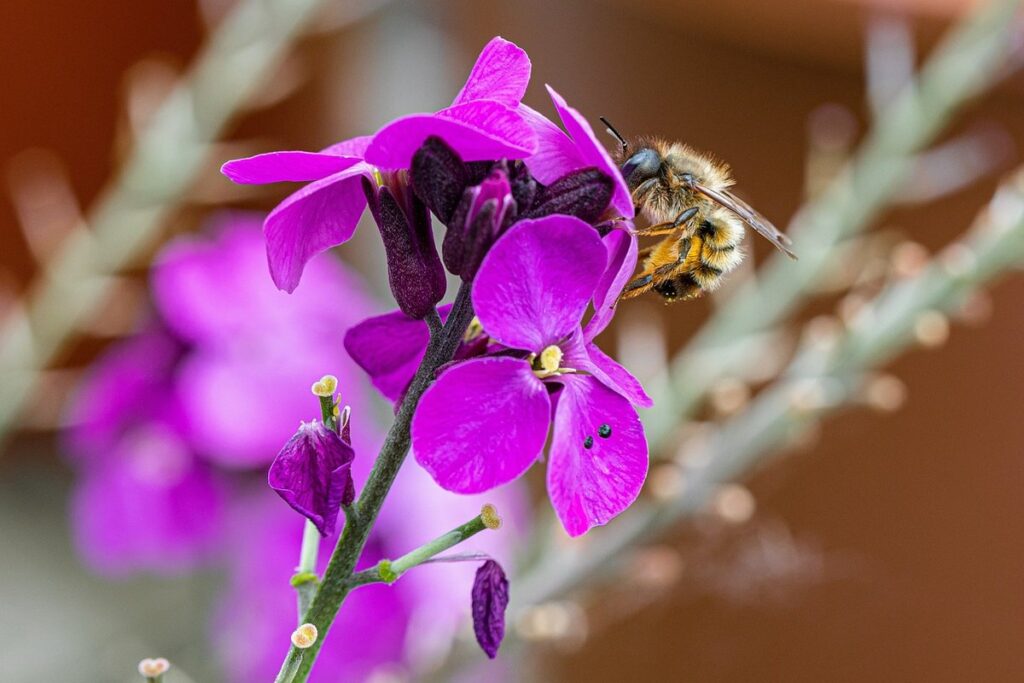
Understanding Cross Pollination
To truly grasp how cross pollination works, let’s dive into the fundamental principles behind this crucial process that plants rely on for reproduction.
What is Cross Pollination?
Cross pollination is a natural process that occurs when pollen from one plant’s male reproductive organs fertilizes another plant’s female reproductive organs. This process is crucial for the reproduction of many plants, as it allows them to produce viable seeds and propagate their species. Unlike self-pollination, where a single plant fertilizes its own flowers, cross pollination involves the transfer of pollen between two or more plants.
This distinction is significant because self-pollinated plants often suffer from reduced genetic diversity and increased susceptibility to disease. Cross pollination, on the other hand, promotes genetic variation by combining different parental genotypes, resulting in healthier and more resilient offspring. For example, apple trees rely heavily on cross pollination to produce fruit, as they require pollen from a separate tree of a compatible variety to achieve successful fertilization.
By understanding cross pollination, gardeners can take steps to encourage this process in their own plant populations, including planting multiple varieties of the same species and creating pollinator-friendly habitats. By doing so, they can reap the benefits of improved crop yields and increased genetic diversity, ultimately enhancing the overall health and productivity of their gardens.
Types of Cross Pollination
When it comes to cross pollination, plants have developed various strategies to ensure their reproduction. There are three primary types of cross pollination: wind pollination, insect pollination, and animal-assisted pollination.
Wind pollination is a common method used by grasses, conifers, and many other plant species. In this process, pollen grains are released into the air, where they can be carried by winds to nearby plants. An example of wind-pollinated plants is wheat, which relies heavily on wind currents for fertilization.
Insect pollination, on the other hand, involves the transfer of pollen between plants through the help of insects like bees, butterflies, and moths. This type of pollination is prevalent among flowering plants, including roses, sunflowers, and tomatoes. To encourage insect pollination in your garden, plant a variety of flowers that attract different types of pollinators.
Animal-assisted pollination involves animals other than humans assisting with the transfer of pollen between plants. Examples include hummingbirds feeding on nectar from tubular flowers like honeysuckle or fuchsia, and bats helping to pollinate cacti and agave plants.
Benefits of Cross Pollination
Cross pollination offers numerous benefits for plants, and these advantages are crucial for their survival and success. By introducing genetic diversity through cross pollination, plants can produce offspring with a wider range of traits, allowing them to adapt more easily to changing environments.
One significant advantage of cross pollination is the improvement in crop yields. When plants are bred using traditional methods, they often become vulnerable to diseases and pests due to their limited gene pool. Cross pollination helps mitigate this issue by introducing new genes that can enhance resistance to these threats, leading to increased yields and better overall plant health.
The offspring of cross-pollinated plants are also more resilient due to their diverse genetic makeup. This resilience enables them to withstand various environmental stresses such as droughts, extreme temperatures, and soil conditions. By incorporating cross pollination into your gardening or farming practices, you can cultivate healthier, more robust plants that require less maintenance and care.
Incorporating cross-pollinated plants into your garden or farm is not only beneficial for the plants but also has a positive impact on the ecosystem as a whole.
Choosing Plants for Cross Pollination
When selecting plants for cross pollination, it’s essential to choose varieties that complement each other in terms of bloom times and flower characteristics. This ensures a successful pollination process.
Selecting Compatible Plant Species
When selecting plant species for cross pollination, it’s essential to consider the compatibility of their flowers. This involves looking at factors such as flower type, size, and color.
Flower type is a crucial consideration when choosing compatible plants. For example, if you have a rose bush, its large, showy blooms will require a companion plant with similarly sized flowers to facilitate cross pollination. Consider pairing it with a sunflower or zinnia, which both produce large, open-faced blooms that can easily be pollinated by the rose’s long-tubed anthers.
On the other hand, plants like lavender and mint have small, tubular flowers that are difficult for many insects to access. To effectively cross-pollinate these plants, choose a companion with similarly sized flowers or one that has a longer tube to reach deeper into the plant’s reproductive structures.
In general, it’s best to pair plants with different bloom times and sizes to ensure a diverse range of pollinators can visit your garden throughout the growing season. This will not only encourage cross-pollination but also create a more vibrant and dynamic flower display.
Creating a Cross-Pollination Garden
When designing a cross-pollination garden, it’s essential to create an environment that encourages beneficial interactions between plants. Companion planting and crop rotation are two key strategies for promoting cross pollination.
To start, choose plants that have similar growing conditions, such as sunlight requirements and watering needs. For example, pair tomatoes with basil or marigolds, which repel pests that target tomatoes. Planting these companions together will create a mutually beneficial relationship. Consider grouping plants into “pollinator guilds,” where plants are selected based on their ability to attract pollinators.
Crop rotation is another essential technique for cross-pollination gardens. This involves rotating crops seasonally to avoid depleting soil nutrients and disrupting the ecosystem. For instance, plant tomatoes in one bed, followed by legumes like beans or peas, which can act as a nitrogen-fixing complement to tomatoes.
By incorporating these strategies into your garden design, you’ll create an environment that fosters cross-pollination between plants.
Tips for Successful Cross Pollination
When it comes to cross pollination, even with the right plants, success is not guaranteed. To ensure successful cross pollination, you need to take a more active role. One of the most effective techniques for hand-pollination is using a small, clean brush or cotton swab to gently transfer pollen from one flower to another.
To do this effectively, it’s essential to understand the reproductive parts of your plants. Identify the male and female reproductive organs in each plant, as well as their corresponding anthers and stigmas. Use your brush or swab to collect pollen from the anther of a donor plant, then gently touch the stigma of another plant.
Another critical factor is managing pollinators. Many species rely on bees, butterflies, and other insects for cross pollination. To encourage these visitors, choose plants with different flowering times, heights, and colors to attract a variety of pollinators.
Attracting Pollinators to Your Garden
To create a haven for pollinators, you’ll want to attract these crucial visitors with plants that offer nectar-rich blooms and sheltered habitats. Let’s explore how to entice bees, butterflies, and other pollinators to your garden.
Importance of Pollinators in Cross Pollination
Pollinators are the unsung heroes of plant reproduction. Without them, many plants would be unable to set seed, and our gardens would be vastly less diverse and vibrant. Bees, butterflies, and other insects are the primary facilitators of cross pollination, transferring pollen from one flower to another with ease.
It’s estimated that bees alone contribute to around 1/3 of global food production through their role in pollinating crops like almonds, apples, and blueberries. In fact, a single honey bee colony can pollinate up to 300 billion flowers per year! This highlights the immense importance of these tiny creatures in facilitating plant reproduction.
When selecting cross-pollination plants for your garden, consider choosing varieties that are attractive to local pollinators. Plant multiple species together, as this will encourage visits from a variety of insects and increase the chances of successful pollination. By creating a welcoming environment for pollinators, you’ll be well on your way to boosting plant reproduction in your garden.
Creating a Pollinator-Friendly Environment
Creating a pollinator-friendly environment is essential for attracting and supporting these vital creatures. When it comes to cross-pollination plants, providing a welcoming habitat for pollinators can significantly increase their effectiveness. Let’s start with the basics.
Plant selection plays a crucial role in creating a pollinator-friendly garden. Incorporate a mix of native flowers that bloom at different times to ensure a constant nectar source throughout the growing season. Consider plants like lavender, coneflower, and black-eyed Susan, which are rich in nectar and pollen. When choosing plants, also consider their growth habits – some species require full sun, while others prefer partial shade.
In addition to plant selection, incorporate water features into your garden. A shallow dish or birdbath filled with fresh water provides a much-needed hydration source for pollinators like bees and butterflies. Make sure the water is clean and changed regularly to prevent mosquito breeding. Consider adding a rock or log near the water feature – this will provide a landing spot for pollinators to access the water without having to fly.
Nesting sites are equally important, especially for solitary bees that nest in the ground. Create a bee hotel by attaching hollow reeds or bamboo tubes to a wooden board. This provides a cozy habitat for solitary bees to lay their eggs and store food for their young. You can also incorporate leaf litter or mulch in your garden – these materials provide insulation and protection for nesting sites.
Managing Pesticides and Other Chemicals
Pollinators like bees and butterflies are incredibly vulnerable to pesticides and other chemicals found in gardens. These substances can have devastating effects on their populations, making it even more challenging for plants to cross-pollinate. When considering how to create a pollinator-friendly garden, minimizing the use of these chemicals is essential.
Start by choosing organic gardening methods instead of chemical-based ones. This might mean using natural pest control methods like introducing beneficial insects or growing companion plants that repel pests. You can also opt for Integrated Pest Management (IPM) strategies, which involve monitoring your garden regularly to detect any issues before they become severe.
In addition to these approaches, be mindful of the types of chemicals you use in your garden. Some common pesticides, like neonicotinoids, have been shown to harm pollinators significantly. When selecting fertilizers or pest control products, choose those that are labeled as “bee-friendly” or “pollinator-safe.”
Techniques for Encouraging Cross Pollination
To ensure a successful cross pollination, it’s essential to know some tried-and-true techniques that will boost your plant’s chances of reproduction. Let’s explore these clever methods together.
Hand-Pollination Methods
When it comes to hand-pollination methods, timing is everything. To ensure successful pollination, you’ll want to collect pollen from one plant during the morning when the anthers are fully open and release their pollen. Use a small, clean brush or a specialized pollen collector to gently sweep up the pollen grains. Avoid touching any part of the plant with your bare hands, as oils from your skin can interfere with pollination.
Next, carefully remove a mature flower from the source plant, taking care not to damage the anthers or stigma. Examine the flower under a hand lens or magnifying glass to ensure that the pollen is fresh and abundant. Now, gently brush the collected pollen onto the stigma of the target plant’s flower. Repeat this process for each pollination event, usually within 24 hours.
Timing is crucial; try to pollinate during the morning when the flowers are fully open. This allows the pollen to be more easily transferred to the stigma and increases the chances of successful fertilization.
Using Tools and Equipment
When it comes to encouraging cross pollination, having the right tools and equipment can make all the difference. One of the most popular specialized tools is the pollen brush, which allows you to collect and transfer pollen from one plant to another with precision. These small brushes are typically made of soft bristles and come in different sizes, making them perfect for delicate flowers or larger blooms.
Another valuable tool is the bee hotel, which provides a habitat for solitary bees and other beneficial pollinators. By installing a bee hotel near your cross pollination plants, you’ll be attracting these essential helpers to aid in the pollination process. Consider building or purchasing a bee hotel with features like hollow tubes and compartments to accommodate different species.
Pollinator-friendly structures, such as windbreaks and trellises, can also enhance cross pollination by providing shade, reducing wind stress, and creating an optimal environment for pollinators to thrive. By incorporating these tools into your garden or greenhouse, you’ll be creating a welcoming space that encourages the reproduction of your cross pollination plants.
Integrating Technology with Cross Pollination
Integrating technology with cross pollination can be a game-changer for plant reproduction. Precision agriculture, drones, and sensor systems are just a few examples of innovative technologies that can support or enhance this process.
For instance, precision agriculture involves using data analytics to optimize crop growth and reduce waste. By collecting data on soil conditions, temperature, and moisture levels, farmers can create personalized plans for each plot of land. This approach can be especially beneficial for cross pollination, as it allows growers to identify areas where pollinators may be struggling.
Drones equipped with camera and sensor technology can also play a role in cross pollination. By flying over fields and orchards, drones can detect signs of stress or disease, alerting farmers to take action before the issue spreads. Additionally, drones can be used to apply targeted fertilizers or pesticides, reducing waste and environmental impact.
Sensor systems, such as weather stations and soil sensors, provide real-time data on environmental conditions. This information can be used to predict pollinator activity and optimize cross pollination efforts. By leveraging these technologies, farmers and growers can take a more informed and proactive approach to plant reproduction, ultimately increasing yields and improving crop quality.
Frequently Asked Questions
Can I still grow plants that require cross pollination in containers or small spaces?
Yes, you can still encourage cross pollination in smaller spaces by selecting compact plant species, using trellises or supports for climbing plants, and strategically placing companion plants to facilitate pollen transfer.
How do I know if my garden is already attracting beneficial pollinators?
Observe your garden during peak pollinator hours (usually morning and afternoon) and look for signs of pollinator activity, such as bees collecting nectar, butterflies sipping from flowers, or ladybugs patrolling for aphids. You can also set up a pollinator-friendly water source, like a shallow dish with fresh water and rocks.
What should I do if my plants are not producing viable seeds despite good cross pollination?
Check the plant’s specific growing requirements, ensure proper soil conditions, and verify that your chosen plant species is indeed reliant on cross pollination for reproduction. Consult with a local nursery or gardening expert to rule out any potential issues related to the specific plant variety.
Can I use tools like a small brush or cotton swab to help facilitate cross pollination in plants that are hard to reach?
Yes, in some cases, using a soft-bristled brush or a clean cotton swab can be an effective way to transfer pollen between flowers. However, handle these tools with care to avoid damaging the delicate plant reproductive structures.
How often should I monitor and maintain my cross-pollination garden to ensure its success?
Regularly inspect your garden for signs of pests, diseases, or nutrient deficiencies, and adjust your maintenance routine accordingly. Also, make sure to provide a consistent source of water and nutrients during the growing season, as this will support healthy plant growth and promote successful cross pollination.