
If you’re the proud owner of a Crispy Wave fern, you know how delicate these plants can be. But with proper care, they can thrive in your home and bring life to any space. However, many people struggle to keep their Crispy Wave ferns healthy and lush, which is where our comprehensive guide comes in.
In this article, we’ll cover everything from planting to watering, lighting, and more to help you give your plant the best chance at success. We’ll share expert tips on how to provide the perfect environment for your Crispy Wave fern, so it can grow strong and beautiful. Whether you’re a seasoned gardener or just starting out, our guide will walk you through the essential steps to ensure your Crispy Wave fern thrives.
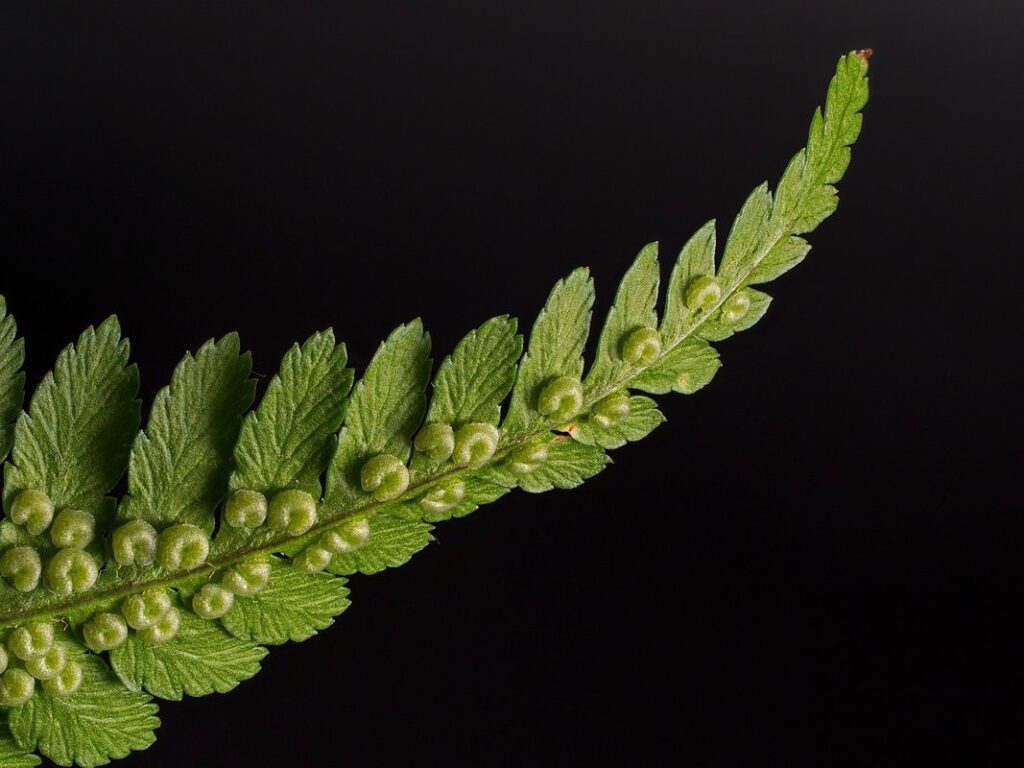
Choosing the Perfect Crispy Wave Fern
When selecting a crispy wave fern, consider the plant’s mature size and growth habits to ensure it fits comfortably within its designated space. This will help prevent overcrowding and promote healthy growth.
Understanding the Plant’s Background and History
The Crispy Wave fern has gained immense popularity as a houseplant due to its unique and attractive appearance. Native to South America, specifically Brazil and Peru, this plant was first discovered by botanists in the 19th century.
As a result of its discovery, the Crispy Wave fern quickly became a sought-after addition to many indoor spaces, prized for its delicate, curly fronds and adaptability to low-light conditions. Its popularity is also attributed to its ease of care, making it an ideal choice for busy plant enthusiasts or those new to houseplant parenthood.
One reason why the Crispy Wave fern has become a favorite among plant lovers is its versatility in terms of lighting conditions. It can thrive in both bright and low-light environments, although it will require more direct sunlight if grown in shade to achieve optimal color and growth.
In your journey to find the perfect Crispy Wave fern for your home or office, understanding the plant’s origins and natural habitat can provide valuable insights into its specific needs. This knowledge can help you make informed decisions about its placement, watering schedule, and fertilization plan, ultimately leading to a thriving and healthy plant that brings joy and serenity to your space.
When selecting a Crispy Wave fern for your indoor garden, it’s essential to choose a specimen from a reputable nursery or supplier. This ensures that the plant has been well-cared for during its journey and will adapt quickly to its new environment.
Types of Crispy Wave Ferns: What You Need to Know
When it comes to Crispy Wave ferns, there’s more than meets the eye. You might be surprised to learn that there are several variations of this popular houseplant, each with its unique characteristics. For instance, some varieties can grow quite compactly, while others can spread out quite a bit. Some even have striking differences in their leaf color and texture.
One of the most notable variations is the ‘Green’ Crispy Wave fern, which features dark green leaves with wavy edges. On the other hand, the ‘Silver’ variety boasts silvery-green leaves that add an extra touch of elegance to any room. Then there’s the ‘Bicolor’, which sports a mix of green and white leaves, giving it a unique, multi-colored appearance.
As you can imagine, these variations affect their care requirements in subtle but important ways. For example, while compact varieties require less space and light, spreading types need more elbow room to thrive. Similarly, plants with lighter leaf colors might require a bit more direct sunlight than those with darker leaves. By understanding the specific needs of your Crispy Wave fern, you’ll be well on your way to creating an ideal environment for it to flourish in.
Planting and Repotting Your Crispy Wave Fern
When it comes to getting your crispy wave fern established, proper planting and repotting are crucial steps that require a bit of finesse. Follow these guidelines for a smooth transition.
Preparing the Potting Mix and Container
When it comes to preparing the potting mix and container for your Crispy Wave fern, there are specific requirements to ensure its optimal health. This sensitive plant thrives in a well-draining environment, yet retains moisture to keep its fronds plump and perky.
For the potting mix, look for one that is specifically designed for ferns or tropical plants. These mixes typically contain a high percentage of organic matter such as peat moss or coconut coir, which help retain moisture while allowing excess water to drain quickly. A mix with a slightly acidic pH (around 5.5-6.5) will also support your Crispy Wave’s preference for slightly acidic conditions.
When selecting a container, consider one that has good air circulation and is at least 4-6 inches deep to accommodate the fern’s extensive root system. Avoid using containers with small drainage holes or those made from materials that can leach chemicals into the soil, such as metal or unglazed ceramic. A terracotta pot or a container with built-in water reservoirs will provide your Crispy Wave with the perfect balance of moisture and air circulation.
To prepare your container for planting, make sure to rinse it thoroughly with clean water before filling it with the chosen potting mix. This step helps remove any impurities that may have accumulated in the pot during storage or transportation.
The Art of Planting: Tips and Tricks for Success
When planting your Crispy Wave fern, it’s essential to get it right from the start. To begin, gently remove the plant from its pot and inspect the rhizome (the thick underground stem that produces new growth). Position the rhizome at a 45-degree angle, with the roots spreading outwards and downwards. This will help prevent water from collecting in the crown of the plant, which can lead to rot.
Next, choose a well-draining potting mix specifically designed for ferns. Crispy Wave ferns prefer a slightly acidic soil pH between 5.5 and 6.5. If your potting mix is too dense or has high alkalinity levels, it may hinder the plant’s growth. To adjust the soil, add a small amount of peat moss or perlite to lower the pH and improve drainage.
As you place the rhizome into the new pot, gently firm the soil around the roots to secure them in place. Make sure not to compact the soil too much, as this can cause waterlogging and root rot. Finally, water your plant thoroughly after planting to settle the soil and give it a good start.
Watering and Humidity: The Key to Crispy Wave Fern Health
When it comes to keeping your Crispy Wave Fern happy, watering and humidity are crucial elements that can make all the difference in its health. Proper water management is essential for avoiding root rot and other issues.
Understanding Your Fern’s Water Needs
Proper watering is crucial for the health and well-being of your Crispy Wave fern. These plants are sensitive to overwatering, which can lead to root rot and other issues. To ensure you’re providing the right amount of moisture, start by checking the soil daily. Stick your finger into the soil up to the first knuckle, and if it feels dry, it’s time to water.
The frequency of watering will depend on various factors such as temperature, humidity, and light exposure. As a general rule, water your Crispy Wave fern when the top inch of soil feels dry. This is usually every 2-3 days during the spring and summer months when the plant is actively growing. During the fall and winter months, you can reduce watering to once a week.
Watch out for signs of overwatering, which include yellowing leaves, soft stems, and a foul odor emanating from the soil. Conversely, underwatering will cause your fern’s leaves to turn brown and crispy at the edges. To avoid these issues, make sure to water your plant thoroughly but allow excess water to drain from the pot.
Maintaining Optimal Humidity Levels
Maintaining optimal humidity levels is crucial for Crispy Wave ferns to thrive. These plants prefer a humid environment, with ideal humidity levels ranging between 40-60%. However, they can adapt to average home humidity levels, which typically hover around 30-50%.
To replicate the humid conditions found in tropical forests, you can use a humidifier or mist your plant regularly. A good rule of thumb is to mist your Crispy Wave fern once or twice a week, depending on the environment and season. For example, during dry winter months, you may need to mist more frequently to maintain humidity levels.
You can also create microclimates around your plants by placing them on trays filled with water and pebbles. As the water evaporates, it will increase the surrounding humidity. Alternatively, grouping plants together can help create a humid environment through transpiration. By replicating these natural processes, you’ll be able to provide your Crispy Wave fern with the optimal humidity levels it needs to stay healthy and happy.
Lighting and Temperature Requirements for Your Crispy Wave Fern
To keep your Crispy Wave Fern happy and thriving, you’ll want to provide it with the right lighting and temperature conditions, which can be a bit tricky to get just right. Let’s break down what you need to know about these critical factors.
Lighting Conditions: Bright, Dappled, or Low-Light?
When it comes to lighting conditions, Crispy Wave ferns are surprisingly adaptable, but they still have specific needs to thrive. While they can tolerate a range of light levels, the optimal condition for them is bright, indirect light.
Bright light can bring out the beautiful wavy fronds of your Crispy Wave fern, making it look vibrant and healthy. However, be cautious not to place it directly in front of a sunny window, as this can cause scorching or burning. East- or west-facing windows are ideal for providing bright, indirect light.
On the other hand, low-light conditions can lead to weak and spindly growth. Crispy Wave ferns prefer at least 4-6 hours of direct sunlight per day, but they can tolerate less if necessary. If you’re placing your plant in a room with limited natural light, consider using grow lights to supplement the existing light.
Dappled shade is another option for Crispy Wave ferns. This type of lighting creates an attractive, dynamic pattern on the leaves and helps maintain humidity levels. However, be aware that dappled shade can lead to overgrowth if not monitored regularly. Regular pruning will help keep your plant in check. By understanding your plant’s lighting needs, you’ll be able to provide it with the best environment for growth and health.
Temperature Considerations: Day and Nighttime Temperatures
When it comes to creating an ideal environment for your Crispy Wave fern, temperature plays a crucial role. These plants thrive in temperatures between 65-75°F (18-24°C) during the day and around 55-65°F (13-18°C) at night. It’s essential to maintain this temperature gradient to promote healthy growth.
If you live in an area with extreme seasonal changes, be prepared to adjust your plant’s environment accordingly. For instance, if you’re moving from a warmer climate to a cooler one, give your fern some time to acclimate by gradually reducing the temperature over 7-10 days. On the other hand, if you’re experiencing a heatwave, ensure your fern is receiving sufficient air circulation and misting to prevent scorching.
Monitor your plant’s response to temperature fluctuations, and adjust as necessary. A Crispy Wave fern that’s consistently exposed to high temperatures may develop brown edges or become stunted. Keep an eye out for these warning signs and make adjustments to create a more suitable environment for your plant. By doing so, you’ll be well on your way to growing a thriving Crispy Wave fern.
Fertilization and Pruning: Keeping Your Crispy Wave Fern Thriving
Proper fertilization and pruning are crucial for maintaining your Crispy Wave Fern’s vibrant color and luscious texture, and understanding how to do it right is key to their success. Let’s dive into these essential care practices together!
Choosing the Right Fertilizer
Fertilizing your Crispy Wave fern is essential for maintaining its vibrant green color and promoting healthy growth. A well-fertilized plant will produce more fronds, have a fuller appearance, and be less prone to pests and diseases. However, it’s not just about fertilizing; choosing the right type of fertilizer is crucial.
Opt for a balanced, water-soluble fertilizer with an N-P-K ratio of 20-20-20. This will provide your fern with equal amounts of nitrogen (N), phosphorus (P), and potassium (K). You can also consider using a fertilizer specifically formulated for ferns or houseplants, which often contain additional micronutrients.
When to fertilize? It’s best to fertilize your Crispy Wave fern during the growing season, typically spring and summer months when it’s actively producing new growth. Dilute the fertilizer to half the recommended strength to avoid burning the roots. Fertilize every 1-2 weeks for optimal results, but be sure not to over-fertilize, as this can cause more harm than good.
Some popular options include Miracle-Gro and Schultz All Purpose Plant Food. These products are readily available at most nurseries and home improvement stores. Always follow the instructions on the label carefully, and take note of any potential interactions with other fertilizers or plant care products you may be using.
The Art of Pruning: Encouraging Healthy Growth and Preventing Damage
Pruning is an essential part of crispy wave fern care that encourages healthy growth and prevents damage. When done correctly, pruning helps maintain the plant’s shape, promotes new growth, and even increases its vibrancy. For a Crispy Wave fern, it’s recommended to prune at least once a month during the growing season (spring and summer). Remove any dead or damaged fronds as soon as you spot them, using clean scissors or pruning shears to prevent spreading diseases.
When pruning live growth, aim for about 1-2 inches from the crown of the plant. Make smooth cuts just above a node (where a leaf meets the stem), and avoid tearing the frond. This will help the plant heal quickly and promote new growth from the node. Be cautious not to over-prune, as this can stress the plant and lead to further damage.
To maintain your Crispy Wave fern’s shape, you can also gently bend the longest fronds towards the outside of the pot. Secure them with a stake if necessary, but be sure to remove it when repotting or pruning to avoid causing more harm. By incorporating regular pruning into your care routine, you’ll be rewarded with a lush, full plant that thrives under your attention.
Pest Control and Common Problems Affecting Your Crispy Wave Fern
As you care for your Crispy Wave Fern, it’s not uncommon to encounter pests or issues that can harm its delicate leaves. Let’s address these common problems together and find solutions to keep your fern thriving.
Identifying Common Pests and Diseases
As a Crispy Wave fern owner, it’s essential to be aware of the common pests and diseases that can affect your plant. These issues can quickly spread and cause significant damage if left untreated. One of the most notorious pests affecting Crispy Wave ferns is the spider mite. These tiny, spider-like creatures feed on the sap of the plant, causing yellowing leaves and a fine webbing on the soil surface.
Another common pest is the mealybug, which appears as small, white cottony patches on the stems or leaves of your Crispy Wave fern. Mealybugs can also secrete a sticky substance called honeydew, which attracts other pests and promotes the growth of fungus. Regularly inspecting your plant for these signs can help you catch infestations early.
Root rot is another significant issue that affects Crispy Wave ferns. This condition occurs when the roots are consistently waterlogged or sit in standing water. As a result, the roots begin to decay, causing the leaves to turn yellow and drop off. To prevent root rot, ensure your plant has good drainage holes in its pot and avoid overwatering.
Some common diseases affecting Crispy Wave ferns include leaf spot and root rot. Leaf spot appears as small, circular spots on the leaves that can cause them to turn brown and drop off. Root rot is often caused by excessive watering or poor air circulation around the plant. Regularly inspect your Crispy Wave fern for signs of pests or diseases, and take action promptly if you notice any issues.
Some common symptoms of pest or disease infestations include:
* Yellowing leaves
* White cottony patches on stems or leaves (mealybugs)
* Fine webbing on the soil surface (spider mites)
* Sticky substance called honeydew
* Leaf drop
* Brown spots on leaves
If you suspect your Crispy Wave fern has a pest or disease infestation, act quickly to prevent further damage. Start by inspecting your plant thoroughly and identifying the problem. Then, take action according to the specific issue:
* For spider mites: Isolate your plant, treat with neem oil, and increase humidity
* For mealybugs: Treat with insecticidal soap or horticultural oil
* For root rot: Repot your fern in fresh potting mix, improve drainage, and reduce watering
Effective Solutions for Common Issues
One of the most common issues affecting Crispy Wave Ferns is root rot, caused by overwatering. To prevent this, make sure to allow the soil to dry slightly between waterings and avoid getting water on the leaves or crown. A good rule of thumb is to check the soil moisture by sticking your finger into the soil up to the first knuckle. If it feels dry, it’s time for a drink.
Another issue you may encounter is pests like spider mites, mealybugs, or scale. To treat these infestations, use neem oil mixed with water according to the product instructions and spray it on the affected areas. For organic pest control, introduce beneficial insects like ladybugs or lacewings that feed on pests.
To address issues related to humidity, you can increase the moisture levels around your fern by placing the pot on a tray filled with water and pebbles. Be cautious not to overdo it – excessive humidity can lead to fungal diseases. Regularly inspect your plant for signs of stress or disease, and take action promptly to prevent these issues from spreading.
When repotting your Crispy Wave Fern, make sure the new pot has drainage holes to prevent waterlogged soil. This simple step can help prevent root rot and ensure a healthy root system.
Conclusion: Tips for a Thriving Crispy Wave Fern
In conclusion, taking good care of your crispy wave fern requires attention to its specific needs. To keep it thriving, remember to water it consistently, but not overwater, as this can lead to root rot and kill the plant. Place the fern in a spot with bright, indirect light, avoiding direct sunlight that can scorch the leaves. Fertilize sparingly during the growing season, using a balanced fertilizer. Be mindful of humidity levels, as crispy wave ferns prefer high humidity but don’t tolerate excessive moisture well. By following these tips and being attentive to your plant’s needs, you’ll be well on your way to enjoying a healthy and vibrant crispy wave fern that will bring beauty and life to any space.
Frequently Asked Questions
Can I propagate my Crispy Wave fern using leaf cuttings, or is this method not recommended?
While it’s technically possible to propagate a Crispy Wave fern from leaf cuttings, this method can be quite challenging and may not yield the best results. For best success, it’s recommended to propagate your fern through division of established roots or by using rhizome cuttings. This will ensure you’re working with a strong, healthy specimen that has a higher chance of thriving.
How often should I repot my Crispy Wave fern, and what signs indicate it needs a larger container?
As a general rule of thumb, repot your Crispy Wave fern every 1-2 years to give its roots plenty of room to grow. Signs that indicate your plant is due for a larger pot include visible root growth through the drainage holes, waterlogged soil, or if the plant’s top growth has slowed significantly.
What are some common pests I should watch out for when caring for my Crispy Wave fern?
Some common pests you may encounter when caring for your Crispy Wave fern include spider mites, mealybugs, and scale. Regularly inspecting your plant for signs of infestation will help catch these issues early on, allowing you to take action before they become more severe.
Can I grow my Crispy Wave fern outdoors in a shaded area, or is it strictly an indoor plant?
While the Crispy Wave fern can tolerate some indirect sunlight and cooler temperatures, it’s generally not recommended for outdoor growth. This plant thrives best when kept indoors with consistent temperatures between 65-75°F (18-24°C), making it more suited to a controlled environment.
How do I achieve optimal humidity levels for my Crispy Wave fern without using a humidifier?
One effective way to maintain the right humidity level is by placing your plant on a tray filled with water and pebbles. This setup allows excess moisture to evaporate upwards, while keeping the soil surrounding the roots relatively dry. You can also group plants together to create a microclimate that supports each other’s needs.