
If you’re one of the many plant enthusiasts out there looking to add some greenery to your indoor space, then you’ve probably come across the stunning Crispy Wave Fern. This beautiful and low-maintenance plant has been gaining popularity lately due to its delicate fronds and ability to thrive in a variety of lighting conditions. But despite its ease of care, many people struggle to keep their Crispy Wave Ferns happy and healthy.
In this article, we’ll be covering everything you need to know about caring for your Crispy Wave Fern, from the optimal lighting and watering techniques to tips on propagation and pest control. By the end of this post, you’ll have all the knowledge you need to grow a lush and thriving Crispy Wave Fern that brings beauty and life to any room in your home.
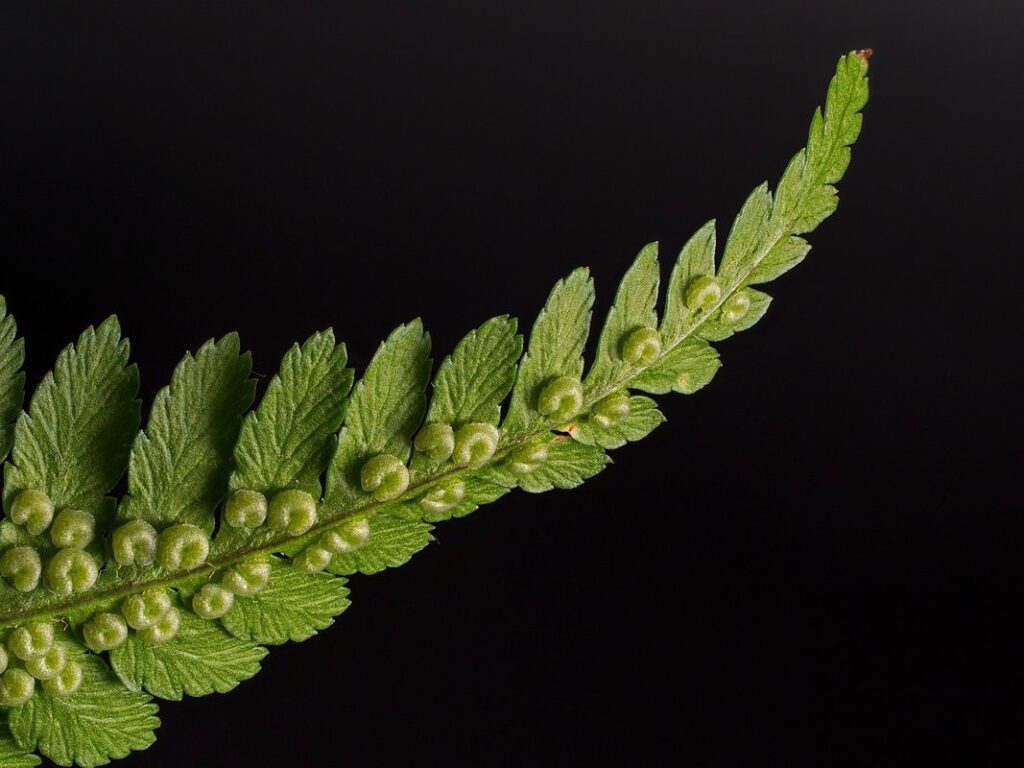
What is a Crispy Wave Fern?
This fascinating plant gets its name from its unique, wavy fronds that resemble crispy waves. Let’s dive into what makes the Crispy Wave Fern so special and how it differs from other fern species.
Overview of the Crispy Wave Fern Species
The crispy wave fern is a popular houseplant known for its delicate, lacy fronds and vibrant green color. As a member of the Blechnum genus, it belongs to the family Blechnaceae. Native to the tropical regions of New Zealand and Southeast Asia, this plant thrives in humid environments with plenty of indirect light.
In its natural habitat, the crispy wave fern grows on tree trunks, rocks, and even decaying wood, where it can tolerate partial shade and moderate temperatures between 50-70°F (10-21°C). This adaptability makes it an ideal choice for indoor cultivation. However, when grown indoors, it’s essential to replicate its native conditions by providing bright, indirect light and maintaining a consistent temperature range.
When choosing a crispy wave fern, look for plants with fresh, green fronds that are slightly curved or wavy in texture. Avoid those with yellowing or brown leaves, which may indicate over-watering or under-care. By understanding the plant’s natural habitat and preferences, you’ll be better equipped to provide it with the ideal conditions for growth and thrive.
Key Characteristics of the Crispy Wave Fern
The Crispy Wave Fern is instantly recognizable by its unique leaf shape and texture. Its fronds are narrow and lance-shaped, often with a wavy or ruffled edge, giving them a delicate, almost lacy appearance. The leaves themselves can grow up to 3-4 inches in length, but the actual size of each frond may vary depending on growing conditions.
One of the standout features of this plant is its crispy texture – hence its name! When you gently touch a Crispy Wave Fern leaf, it will yield to pressure before springing back into shape. This unique characteristic is due in part to the plant’s cell structure and composition, which allows for a delicate balance between flexibility and resilience.
When choosing a Crispy Wave Fern, look for plants with healthy, bright green leaves that are free from pests or disease. Avoid those with brittle or limp fronds, as these may be signs of stress or nutrient deficiencies. With proper care and maintenance, your Crispy Wave Fern should thrive in its new environment, bringing a touch of elegance and sophistication to any indoor space.
Benefits of Owning a Crispy Wave Fern
When you bring home a crispy wave fern, you’re not just getting a beautiful plant – you’re also gaining a host of benefits that will make your life richer and more enjoyable. Let’s explore what owning one can do for you!
Air Purification Properties
One of the lesser-known benefits of owning a Crispy Wave Fern is its air purification properties. These plants are naturally equipped with tiny hair-like structures called trichomes that help to capture airborne pollutants, including volatile organic compounds (VOCs), particulate matter, and other toxins.
As you place your Crispy Wave Fern in the right spot, it will start working tirelessly behind the scenes to improve indoor air quality. Studies have shown that plants can remove up to 87% of VOCs from the air within a few days, which is especially beneficial for households with pets or those who suffer from allergies.
In addition to removing pollutants, Crispy Wave Ferns also release oxygen and moisture into the air through a process called transpiration. This helps to create a more balanced atmosphere, reducing dryness and discomfort caused by central heating systems or air conditioning units. By incorporating one of these plants into your home or office, you can enjoy cleaner air, improved health, and a reduced risk of respiratory problems.
Stress-Relieving Effects
Caring for a crispy wave fern can have a profound impact on your mental health and well-being. The calming effects of nurturing this delicate plant can be just what you need to unwind after a long day. Research has shown that engaging with plants, also known as horticultural therapy, can reduce stress levels, anxiety, and depression.
When you care for a crispy wave fern, you’re not only keeping it healthy, but you’re also taking care of yourself. The gentle task of watering, pruning, and repotting can be meditative, allowing your mind to focus on the present moment. As you watch your plant grow and thrive, you’ll feel a sense of pride and accomplishment, boosting your self-esteem and confidence.
To experience the stress-relieving effects of caring for a crispy wave fern, make sure to schedule regular care sessions into your day. Even just 10-15 minutes spent tending to your plant can be beneficial. As you develop a routine, you’ll find that the calming effects of caring for your crispy wave fern become more pronounced, helping you navigate life’s challenges with greater ease and resilience.
Aesthetic Value
The crispy wave fern’s unique appearance is one of its most striking features. With its wavy fronds and delicate texture, it adds a touch of whimsy to any room. Its slender stems and arching leaves create a sense of movement, drawing the eye towards this beautiful specimen.
One of the primary benefits of owning a crispy wave fern is its ability to enhance indoor decor. Its unusual shape and vibrant green color make it an excellent choice for adding visual interest to a space. By placing it on a side table or shelf, you can create a stunning focal point that draws attention away from more mundane objects.
When choosing a location for your crispy wave fern, consider the room’s overall aesthetic. This plant thrives in bright, indirect light, making it perfect for living rooms and bedrooms. Its compact size also makes it ideal for smaller spaces or apartments with limited room for large plants.
Care Instructions for Crispy Wave Ferns
To ensure your Crispy Wave Fern remains healthy and thrives, carefully follow these essential care instructions to avoid common mistakes that can harm your plant. Proper care will make all the difference in its growth and appearance.
Lighting Requirements
When it comes to providing optimal care for your Crispy Wave Fern, lighting is an essential aspect that cannot be overlooked. These ferns thrive in bright, indirectly lit spaces, making them perfect for rooms with large windows or skylights.
Direct sunlight can be too intense for these delicate plants and may cause their beautiful fronds to become scorched and discolored. To avoid this, place your Crispy Wave Fern near an east- or west-facing window, where it will receive gentle, indirect light throughout the day.
In ideal conditions, the plant should receive at least 2-3 hours of direct sunlight per day, but more often than not, a spot with filtered or dappled light is even better. A south-facing window can work too, as long as you provide some protection for your fern using sheer curtains or blinds to block harsh rays.
If you’re planning to keep your Crispy Wave Fern indoors, consider placing it near an unobstructed east- or west-facing window where it will receive plenty of natural light. With a little care and attention, this lovely plant will reward you with its vibrant green fronds and delicate white veins for years to come.
Watering Schedule
When it comes to watering your Crispy Wave Fern, frequency is key. This delicate plant prefers moist soil but can be prone to overwatering if not monitored carefully. A good rule of thumb is to water your fern when the top 1-2 inches of soil feel dry to the touch.
Watering should be done thoroughly, making sure excess moisture drains from the pot. However, avoid getting water on the leaves themselves as this can lead to spotting and other issues. Instead, pour slowly over the soil, allowing it to absorb fully before discarding any remaining liquid.
Signs of overwatering include yellowing or browning fronds, droopy stems, and a soft, mushy texture in the leaves. Conversely, signs of underwatering may manifest as crisp brown edges on the tips of your fern’s fronds.
Check your plant daily during hot summer months when moisture evaporates quickly. Be cautious not to water too frequently, especially if using potting mixes that retain more moisture than regular garden soil. By sticking to a consistent schedule and keeping an eye out for warning signs, you’ll be able to give your Crispy Wave Fern the right amount of hydration it needs to thrive.
In general, aim to water every 4-7 days during spring and summer months when growth is most active. During fall and winter periods when growth slows down, this can be reduced to once a week or even less often for some species.
Humidity Levels
Maintaining high humidity levels around your Crispy Wave Fern is crucial to prevent drying out and promote healthy growth. These ferns thrive in humid environments, typically between 50-70% relative humidity, which is equivalent to the level found near a waterfall or in a tropical rainforest.
In their natural habitat, Crispy Wave Ferns grow on tree trunks and branches, where they’re constantly surrounded by moisture-laden air. To replicate this environment indoors, you can place your fern on a tray filled with water and pebbles or use a humidifier nearby. This will help maintain a consistent level of humidity around the plant.
If you live in a dry climate, consider grouping plants together to create a microclimate that retains moisture. You can also mist your Crispy Wave Fern regularly, ideally 2-3 times a week, to supplement its natural humidity levels. Aim for gentle, fine sprays rather than harsh bursts of water to avoid shocking the plant.
Keep in mind that under-misting or neglecting to provide adequate humidity can cause the leaves to turn yellow and drop off. By maintaining high humidity levels, you’ll be able to enjoy your Crispy Wave Fern’s delicate, wavy fronds for years to come.
Common Issues with Crispy Wave Ferns
One common concern for crispy wave fern enthusiasts is dealing with dryness, which can lead to crispy edges and weakened fronds. Learn how to identify and address this issue.
Pests and Diseases
As you care for your Crispy Wave Fern, it’s essential to be aware of common pests and diseases that can affect its health. One of the most common problems is spider mites, which are tiny, spider-like insects that feed on the plant’s sap. To check for spider mites, look for fine webbing or a sticky substance on the leaves. If you notice any signs, treat your fern with neem oil or insecticidal soap.
Another issue to watch out for is mealybugs, which are small, white, cottony insects that can multiply quickly. They feed on plant sap, causing yellowing leaves and stunted growth. To control mealybugs, gently spray the infested areas with a soft stream of water, followed by an insecticidal soap solution.
Root rot is another common problem that can arise from overwatering or poor drainage. Signs include softened or discolored roots, along with yellowing or droopy leaves. To prevent root rot, make sure your fern has good air circulation and repot it in well-draining soil if necessary.
Regularly inspecting your Crispy Wave Fern for pests and diseases will help you catch any problems early on.
Nutrient Deficiencies
Crispy wave ferns are prone to nutrient deficiencies due to their rapid growth rate and sensitivity to environmental conditions. To diagnose a nutrient deficiency, look for visual signs such as yellowing leaves, stunted growth, or pale coloration.
Common nutrient deficiencies in crispy wave ferns include:
* Nitrogen (N) deficiency: leaves turn yellow or light green, become brittle
* Iron (Fe) deficiency: interveinal chlorosis (yellowing between veins), may cause curling or twisting of leaves
* Magnesium (Mg) deficiency: interveinal chlorosis, often accompanied by a scorched appearance around leaf edges
To address nutrient deficiencies, you can adjust your fertilization schedule and provide additional nutrients. Use a balanced, water-soluble fertilizer at the recommended strength for your plant’s age and growth stage. For iron or magnesium deficiencies, consider using a micronutrient supplement specifically formulated to address these issues.
Monitor your plant’s response to new fertilizers and adjust as needed. Keep in mind that over-fertilization can be just as detrimental as under-fertilization, so start with small adjustments and gradually increase the amount if necessary.
Leaf Curl or Yellowing
Leaf curl or yellowing can be a distressing issue for Crispy Wave Fern enthusiasts. It’s essential to identify the root cause, as this will determine the best course of action to rectify the problem. Overfertilization is one possible reason behind leaf curl or yellowing. Although it may seem counterintuitive, too much fertilizer can cause more harm than good.
When you overfertilize your Crispy Wave Fern, it’s like giving it a massive energy boost without letting it digest. The excessive nutrients can lead to weakened roots and an inability to absorb water efficiently, causing the leaves to turn yellow or develop unsightly curls. If you suspect that overfertilization is the culprit, repot your fern in fresh soil and reduce fertilizer application for at least six months.
Other potential causes of leaf curl or yellowing include underwatering and root bound conditions. Make sure to check the moisture levels regularly and provide a sufficient amount of water, taking care not to overwater. If you’ve recently repotted your fern, ensure that it has enough space to grow its roots without becoming constricted.
Propagation Methods for Crispy Wave Ferns
To successfully propagate your Crispy Wave Fern, you’ll want to focus on division and leaf cuttings as the most effective methods for replicating these gorgeous plants. Let’s dive into each technique in more detail.
Division and Repotting
When it’s time to give your Crispy Wave Fern some extra space to thrive, dividing and repotting is a crucial step in encouraging healthy growth. As this plant matures, its roots will begin to outgrow their container, causing the fern to become pot-bound and sluggish.
To divide your Crispy Wave Fern, start by gently removing it from its pot and brushing away any loose soil. Inspect the roots, looking for natural divisions or splits where you can separate the plant into multiple sections. Use a clean knife or pruning tool to carefully cut through the rhizome, making sure each section has at least one growing point (or crown) to ensure new growth.
Once divided, repot each section into a fresh container filled with well-draining potting mix. Water thoroughly and provide bright, indirect light while the plant adjusts to its new environment. It’s essential to handle the roots carefully during this process to minimize stress and promote healthy regrowth. By dividing and repotting your Crispy Wave Fern regularly, you’ll encourage a robust root system and vibrant foliage.
Leaf Cuttings
Taking leaf cuttings from your Crispy Wave Fern is an excellent way to propagate new plants. This method works best during the spring and summer months when the fern is actively growing. To take a cutting, choose a healthy frond with at least two sets of leaves. Using sharp scissors or pruning shears, carefully cut the stem about 1-2 inches from the base of the leaf.
For rooting in water, place the cutting in a glass or jar filled with lukewarm water. You can add a few drops of root stimulator to enhance the chances of successful rooting. Change the water every few days to prevent bacterial growth. Roots should develop within 1-3 weeks. Once roots appear, transfer the cutting into a pot filled with moistened soil.
When transplanting, gently firm the soil around the roots and keep it consistently moist during the first few weeks. Leaf cuttings can also be rooted directly in potting mix by inserting the base of the stem into the soil. Water thoroughly after planting and maintain high humidity until new growth appears.
Advanced Care Techniques for Crispy Wave Ferns
If you’re looking to take your crispy wave fern care to the next level, mastering advanced techniques will help you achieve even healthier and more vibrant plants. We’ll walk through some expert-approved methods here.
Pruning and Training
To achieve the desired shape and size of your Crispy Wave Fern, pruning and training are crucial techniques to master. Pruning involves removing old or damaged fronds to maintain the plant’s overall health and appearance. For Crispy Wave Ferns, it’s essential to prune about 1/3 of the oldest leaves during each maintenance session, as this will encourage new growth and prevent the plant from becoming leggy.
When pruning, make sure to cut just above a node (where a leaf meets the stem) using clean, sharp scissors or pruning shears. This will help the plant focus its energy on producing new growth rather than expending it on maintaining old fronds. To maintain a compact shape, you can also gently pinch or trim off any stray or overgrown stems.
Training involves guiding the plant’s growth in a desired direction. You can achieve this by providing support for the plant using stakes or trellises, which will help keep it upright and encourage it to grow in the desired pattern. By pruning and training your Crispy Wave Fern regularly, you’ll be able to maintain its shape, promote healthy growth, and enjoy its beautiful fronds for years to come.
Fertilization Schedule
When it comes to maintaining the health and vibrancy of your Crispy Wave Fern, fertilization plays a crucial role. This delicate plant requires regular nourishment to produce its signature crispy, wavy fronds. But how often should you fertilize, and which type of fertilizer is best?
To start, you’ll want to choose a balanced, water-soluble fertilizer that contains essential macronutrients like nitrogen (N), phosphorus (P), and potassium (K). A 20-20-20 NPK ratio is an excellent choice for Crispy Wave Ferns. Look for fertilizers specifically formulated for ferns or tropical plants, as these will typically contain micronutrients that promote healthy growth.
For optimal results, fertilize your Crispy Wave Fern every two to three weeks during the growing season (spring and summer). During the dormant period (fall and winter), reduce fertilization to once a month. To apply, mix 1-2 teaspoons of fertilizer with one gallon of water, and gently pour the solution around the base of the plant, avoiding the leaves.
Regular fertilization will keep your Crispy Wave Fern thriving, but be cautious not to over-fertilize, as this can cause damage to the roots. Monitor your plant’s response to fertilization, adjusting the frequency or type of fertilizer as needed to ensure optimal health and growth.
Pest Control Methods
When it comes to managing pests on your Crispy Wave Fern, chemical pesticides are not always the best solution. Not only can they harm the plant and the environment, but they can also create a cycle of dependency that makes your fern more vulnerable to future infestations.
One effective alternative is neem oil, which is derived from the seeds of the neem tree. Neem oil has been used for centuries in organic gardening to control pests without harming beneficial insects or the plant itself. To use neem oil on your Crispy Wave Fern, simply mix a few drops with water and spray it on the affected areas. Repeat as needed until the pest problem is under control.
Another natural option is insecticidal soap, which works by breaking down the exoskeletons of insects, causing them to dehydrate and die. It’s gentle enough for use on delicate ferns like the Crispy Wave, and can be applied at any time during the growing season.
When using either neem oil or insecticidal soap, make sure to follow the instructions carefully and start with a small test area to ensure that your fern doesn’t have any adverse reactions.
Frequently Asked Questions
Can I grow a Crispy Wave Fern indoors if my home has low humidity levels?
You can still grow a Crispy Wave Fern indoors with low humidity, but you’ll need to take extra steps to maintain the right environment. Use a humidifier or group plants together to create a microclimate that simulates high humidity. This will help your fern thrive in dry conditions.
How often should I repot my Crispy Wave Fern?
Repotting frequency depends on your plant’s growth rate and pot size. As a general rule, repot your Crispy Wave Fern every 1-2 years to refresh the soil and provide a larger pot if necessary. This will give your fern room to grow and prevent nutrient deficiencies.
What are some common pests that target Crispy Wave Ferns?
Common pests like spider mites, mealybugs, and scale can infest your Crispy Wave Fern. Inspect your plant regularly for signs of infestation, such as white cottony patches or sticky substance on the leaves. Use neem oil or insecticidal soap to control pest populations.
Can I propagate my Crispy Wave Fern using leaf cuttings?
Yes, you can propagate your Crispy Wave Fern using leaf cuttings. Remove a healthy frond from the mother plant and trim it into 2-3 inch sections. Plant these cuttings in well-draining soil and keep them moist until roots develop.
How do I prevent nutrient deficiencies in my Crispy Wave Fern?
Prevent nutrient deficiencies by using a balanced, water-soluble fertilizer during the growing season (spring-fall). Dilute the fertilizer to half the recommended strength to avoid burning your fern’s roots. Also, ensure good air circulation and rotate your plant regularly to promote even growth.