
Crimson clover is a game-changer for farmers looking to boost their soil health and reduce weed pressure. This versatile cover crop has been gaining popularity in recent years, and for good reason – it’s incredibly effective at improving soil fertility and structure, while also suppressing weeds that can compete with your crops for water and nutrients. By incorporating crimson clover into your farming practices, you can enhance the overall sustainability of your agriculture operation and contribute to a more environmentally-friendly food system. In this article, we’ll delve deeper into the benefits of crimson clover cover crop, exploring its role in improving soil health, reducing weed pressure, and promoting a more sustainable approach to agriculture. Whether you’re a seasoned farmer or just starting out, you won’t want to miss these insights on how crimson clover can revolutionize your farming practices.
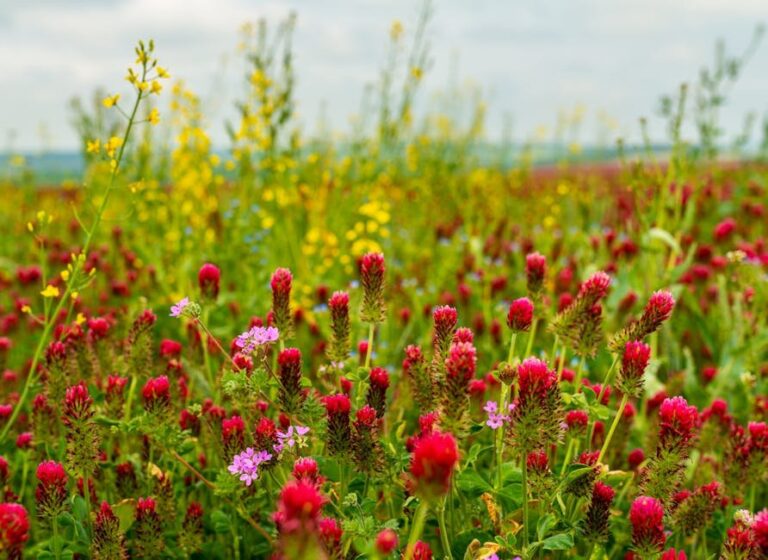
Introduction to Crimson Clover
Crimson clover is a popular cover crop choice for many farmers and gardeners, offering numerous benefits for soil health and ecosystems. Let’s take a closer look at its unique characteristics.
Brief History and Origin
Crimson clover has its roots in ancient Europe, Asia, and Africa, where it was widely cultivated as a forage crop. Its versatility and numerous benefits have made it a staple in many farming communities worldwide. As an annual legume, crimson clover’s lifecycle spans just one growing season, making it an attractive option for farmers looking to replenish soil nutrients.
Native to regions with temperate climates, crimson clover has been used as a cover crop in various forms and combinations over the centuries. Its popularity stems from its ability to fix nitrogen in the soil, suppress weeds, and attract pollinators. With proper management, crimson clover can thrive in a wide range of environments, making it an excellent choice for farmers seeking a low-maintenance cover crop solution.
Crimson clover’s history is intertwined with traditional farming practices, where it was often intercropped with other crops to enhance soil fertility and reduce erosion. Today, its use as a cover crop has gained traction due to its numerous benefits, including improved soil health, increased biodiversity, and reduced reliance on synthetic fertilizers.
Importance of Legumes in Agriculture
Legumes like crimson clover are unsung heroes of sustainable agriculture. They play a crucial role in maintaining soil health through nitrogen fixation, which is especially important for crops that require a lot of nitrogen to grow. By converting atmospheric nitrogen into a form that’s usable by plants, legumes help reduce the need for synthetic fertilizers and minimize the environmental impact associated with their use.
In addition to nitrogen fixation, legumes like crimson clover also provide erosion control through their extensive root systems, which hold soil in place and prevent nutrient loss. This is particularly beneficial on sloping or poorly draining soils where soil erosion can be a significant problem.
By suppressing weeds through competition for resources like light, water, and nutrients, legumes also reduce the need for herbicides and other weed control methods that can harm the environment. To incorporate legumes into your cover crop rotation, consider planting them in areas with poor soil health or those prone to erosion. They’re an excellent choice for polyculture systems where multiple crops are grown together to promote biodiversity and ecosystem services.
Soil Health and Nitrogen Fixation
Crimson clover’s remarkable ability to enrich soil health is largely due to its impressive nitrogen fixation capabilities, which we’ll explore in more detail below. By understanding how this process works, you can unlock the full potential of your crimson clover cover crop.
How Crimson Clover Fixes Nitrogen
Crimson clover’s remarkable ability to “fix” nitrogen is one of its most valuable assets as a cover crop. This process occurs through symbiotic relationships between the plant and Rhizobia bacteria, which live within nodules on the roots of the clover. These nodules act like tiny factories, converting atmospheric nitrogen (N2) into a form that’s easily accessible to plants – a process known as nitrogen fixation.
This natural process is especially beneficial for soil health, reducing the need for synthetic fertilizers and their negative environmental impacts. In fact, studies have shown that crimson clover can increase soil nitrogen levels by up to 20% in just one growing season. To get the most out of this benefit, be sure to plant your crimson clover cover crop before the summer months, allowing it to establish a strong root system and maximize its nitrogen-fixing potential. Regularly monitoring soil tests will also help you determine if additional fertilizers are truly necessary, giving your soil a chance to thrive with minimal external input.
Long-Term Soil Health Benefits
Regular use of crimson clover as a cover crop can have long-term benefits for soil health. One of the most significant advantages is improved soil structure. As crimson clover grows and dies back, its roots break up compacted soil and increase the amount of organic matter. This process leads to better drainage, aeration, and water retention – all essential components of healthy soil.
In addition to enhanced soil structure, regular planting of crimson clover can also lead to increased water retention. Its extensive root system allows it to tap into deep underground water sources, making this resource available for other plants in the area. This is especially beneficial during periods of drought or water scarcity.
By incorporating crimson clover into your rotation, you’ll also be promoting enhanced biodiversity. Its flowers attract pollinators like bees and butterflies, supporting local ecosystems and contributing to a balanced environment. In fact, studies have shown that cover crops can increase soil carbon levels by up to 25%, further demonstrating the long-term benefits of regular planting.
Weed Suppression and Erosion Control
Crimson clover is incredibly effective at suppressing weeds and preventing soil erosion, making it a crucial component of a well-planned cover crop rotation. Let’s dive into how it achieves this.
Crimson Clover’s Competitive Nature
One of the most impressive aspects of crimson clover is its ability to outcompete weeds through rapid growth and dense canopy formation. This competitive nature is a key benefit for farmers looking to reduce weed pressure and minimize their reliance on herbicides. By establishing a robust stand of crimson clover, you can create an environment that’s less conducive to weed germination and growth.
As the plants grow rapidly, they form a dense canopy that shades out weeds, reducing their ability to photosynthesize and compete for resources. This can lead to a significant decrease in weed pressure, making it easier to manage your fields without relying on chemical herbicides. For example, studies have shown that crimson clover cover crops can reduce weed biomass by up to 90% when compared to bare soil.
To maximize the competitive benefits of crimson clover, be sure to plant it at a density of around 20-25 pounds per acre and maintain good soil health through regular tillage or no-till practices. By combining these strategies with proper seed selection and timely planting, you can create an environment that’s favorable for your desired crops while suppressing weeds naturally.
Reducing Soil Erosion with Cover Crops
Crimson clover’s extensive root system is one of its most valuable assets when it comes to reducing soil erosion. By holding soil in place, crimson clover prevents both erosion and runoff, making it an excellent choice for sloping or degraded lands. In fact, studies have shown that cover crops like crimson clover can reduce soil erosion by up to 70% compared to conventional tillage methods.
But how exactly does crimson clover’s root system work its magic? Essentially, the plant’s deep taproots break through compacted soil layers, allowing water to penetrate and reducing surface runoff. This not only prevents soil erosion but also helps maintain soil health by increasing water infiltration and reducing soil salinity. By incorporating crimson clover into your rotation, you can significantly reduce the risk of soil erosion on your land – a crucial step in maintaining soil fertility and preventing nutrient loss. To get started, choose a suitable location for planting crimson clover, ideally where water tends to accumulate or flow freely.
Integration into Cropping Systems
When it comes to incorporating crimson clover into your farm’s ecosystem, integrating it into existing cropping systems can be a game-changer for long-term soil health and crop productivity.
Companion Planting with Crimson Clover
Crimson clover is an excellent choice for companion planting, and its benefits extend far beyond its use as a cover crop. When intercropped with crops like corn, soybeans, and wheat, crimson clover can significantly improve their growth and productivity.
One of the primary advantages of combining crimson clover with these crops is that it provides a natural source of nitrogen fixation. This means that the clover’s ability to convert atmospheric nitrogen into a form usable by plants can reduce the need for synthetic fertilizers, saving you money and reducing your environmental footprint. In fact, studies have shown that intercropping with crimson clover can increase corn yields by up to 25% and soybean yields by up to 30%.
To get started with companion planting using crimson clover, simply sow it in the same bed as your chosen crop, following the typical seeding rates for each. For example, you might plant a mix of 20 pounds per acre of crimson clover alongside 10 gallons of corn seed. Keep in mind that crimson clover prefers well-drained soil and full sun to partial shade, so ensure your planting conditions meet its needs.
By incorporating crimson clover into your cropping system, you can create a more diverse and resilient ecosystem that benefits from the advantages of companion planting.
Using Crimson Clover in Rotations
Incorporating crimson clover into your crop rotations can have a significant impact on soil fertility, structure, and overall ecosystem health. By adding this dynamic legume to your rotation, you can reap the benefits of improved soil nutrient cycling, increased organic matter content, and enhanced biodiversity.
When planning your crop rotation with crimson clover, consider including it as a winter cover crop. This allows it to take advantage of the cooler temperatures and ample moisture during the off-season, making it an ideal choice for areas with mild winters or limited growing seasons. By incorporating crimson clover into your rotation every 3-5 years, you can see noticeable improvements in soil health.
For example, research has shown that including crimson clover in rotations can increase soil organic carbon by up to 10% and reduce nitrate leaching by as much as 25%. These benefits translate directly to improved crop yields, reduced fertilizer needs, and enhanced ecosystem services.
Challenges and Considerations
While crimson clover is a fantastic cover crop, there are some challenges you’ll want to be aware of before planting it on your land. Let’s take a closer look at what these considerations are.
Climate and Soil Limitations
Crimson clover is an excellent choice for many regions, but it’s not without its limitations. As a cover crop, it thrives best in temperate climates with moderate temperatures and adequate moisture. However, if you live in areas with extreme heat or drought, crimson clover may not be the most suitable option.
In regions with high temperatures above 90°F (32°C), crimson clover can bolt or go to seed prematurely, reducing its effectiveness as a cover crop. For instance, in the southern United States, where summers are hot and dry, crimson clover may not survive the summer months without irrigation. Similarly, areas prone to drought can also limit the growth of crimson clover.
In addition to climate limitations, poor soils can also impact the success of crimson clover as a cover crop. It prefers well-draining soils with a pH between 6.0 and 7.0. If your soil is heavy clay or sandy, it may not provide the right conditions for crimson clover to thrive.
Insect and Disease Management
Regular monitoring is essential to prevent pest and disease issues from taking over your crimson clover stand. For example, aphids can be a significant problem for clovers, especially if they’re not kept under control. These tiny insects feed on the plant’s sap, weakening its growth and potentially causing the leaves to curl up.
To catch these pests early, keep an eye out for small, soft-bodied insects clustered on the stems or leaves of your crimson clover. You can also use sticky traps or yellow traps to capture them before they become a problem. If you do notice aphids, introduce natural predators like lady beetles or lacewings to help control their numbers.
Another issue that might arise is powdery mildew, a fungal disease that causes white powder to form on the leaves. This can be more challenging to manage, but regular watering and air circulation can go a long way in preventing its spread. Make sure your crimson clover stand has enough space to breathe and maintain good drainage to keep it healthy and resilient.
Conclusion and Future Directions
Now that we’ve explored the benefits of crimson clover as a cover crop, let’s take a look at where its use can be taken in the future. We’ll discuss how to integrate it into your own farming practices.
Summarizing the Benefits of Crimson Clover
As we conclude our exploration of crimson clover’s benefits and uses as a cover crop, it’s clear that its advantages extend far beyond just being a valuable addition to the farm. One of the most significant perks of using crimson clover is its remarkable ability to improve soil health.
By incorporating this legume into your rotation, you can expect a boost in soil fertility due to its high nitrogen-fixing capabilities. This means reduced fertilizer needs for subsequent crops and a decrease in greenhouse gas emissions associated with synthetic fertilizers. In fact, studies have shown that crimson clover can fix up to 150 pounds of nitrogen per acre annually.
Another major benefit is the reduction in weed pressure it provides. Crimson clover’s rapid growth and dense canopy shade out weeds, making for a more manageable weed control strategy. This not only saves time and resources but also helps prevent the spread of invasive species. With its many advantages, it’s no wonder that crimson clover has become an attractive choice for farmers seeking sustainable practices that prioritize soil health and biodiversity.
Potential for Increased Adoption
As we conclude our exploration of the benefits and uses of crimson clover as a cover crop, it’s clear that there is still much to be discovered about this versatile and valuable crop. Further research on integrating crimson clover into diverse cropping systems could lead to increased adoption rates and broader benefits for agriculture and the environment.
One potential area for further study is the use of crimson clover in rotation with other crops, such as corn or soybeans. By understanding how crimson clover interacts with these crops at different stages of growth, farmers can optimize their use of this cover crop to achieve maximum benefits while minimizing any potential drawbacks.
For example, a recent study found that planting crimson clover after wheat harvest led to significant improvements in soil health and fertility, as well as increased yields for the following corn crop. By incorporating similar research into their own operations, farmers may find that they can reap similar rewards from using crimson clover as a cover crop.
Frequently Asked Questions
Can I grow crimson clover as a cover crop in areas with poor soil fertility?
Yes, crimson clover is an excellent choice for improving soil fertility, even in areas with poor initial conditions. As it fixes nitrogen and adds organic matter, it can help to break the cycle of low fertility and improve overall soil health.
How long does crimson clover typically take to establish itself as a cover crop?
Crimson clover usually takes around 60-90 days to mature, after which it can be incorporated into the soil or terminated with a herbicide. This allows for two harvests per year in many regions, making it an attractive option for farmers seeking to maximize their yields.
Is crimson clover effective at suppressing weeds in areas with high weed pressure?
Yes, crimson clover is known to suppress weeds through its dense growth habit and ability to shade the soil surface. By incorporating this cover crop into your rotation, you can reduce the need for herbicides and create a more sustainable approach to weed management.
Can I grow crimson clover alongside other crops, or should it be used as a pure stand?
Crimson clover can be effectively integrated with other crops through companion planting strategies. By carefully selecting suitable crop combinations, farmers can maximize benefits while minimizing potential drawbacks, such as competition for resources.
How do I choose the right variety of crimson clover for my specific climate and soil type?
When selecting a variety of crimson clover, consider factors like maturity date, disease resistance, and tolerance to specific environmental conditions. Consulting with local experts or nurseries can also provide valuable insights tailored to your region’s unique characteristics.