
Are you tired of mowing your lawn every week? Do you want to reduce your water bill and enjoy a beautiful, lush outdoor space with minimal maintenance? Look no further than creeping thyme lawns! This low-maintenance alternative to traditional grass is perfect for busy homeowners who still want a stunning landscape. Creeping thyme lawns offer numerous benefits, including reduced mowing needs and improved water conservation. By learning how to plant and care for your own creeping thyme lawn, you can enjoy the beauty of a lush outdoor space without breaking a sweat. In this article, we’ll explore the advantages of creeping thyme lawns and provide step-by-step guidance on how to create and maintain one in your own backyard.
Understanding Creeping Thyme
Creeping thyme is a low-maintenance, spreading groundcover that’s perfect for lawns, and understanding its unique characteristics will help you make the most of its benefits. Let’s dive into what makes it special.
What is Creeping Thyme?
Creeping thyme is a charming low-growing groundcover that’s perfect for outdoor spaces. Its botanical name is Thymus serpyllum, and it’s native to the Mediterranean region, where it thrives in dry, well-drained soil and full sun. This adaptable plant has made its way into gardens around the world, prized for its ability to blanket areas with tiny, fragrant leaves.
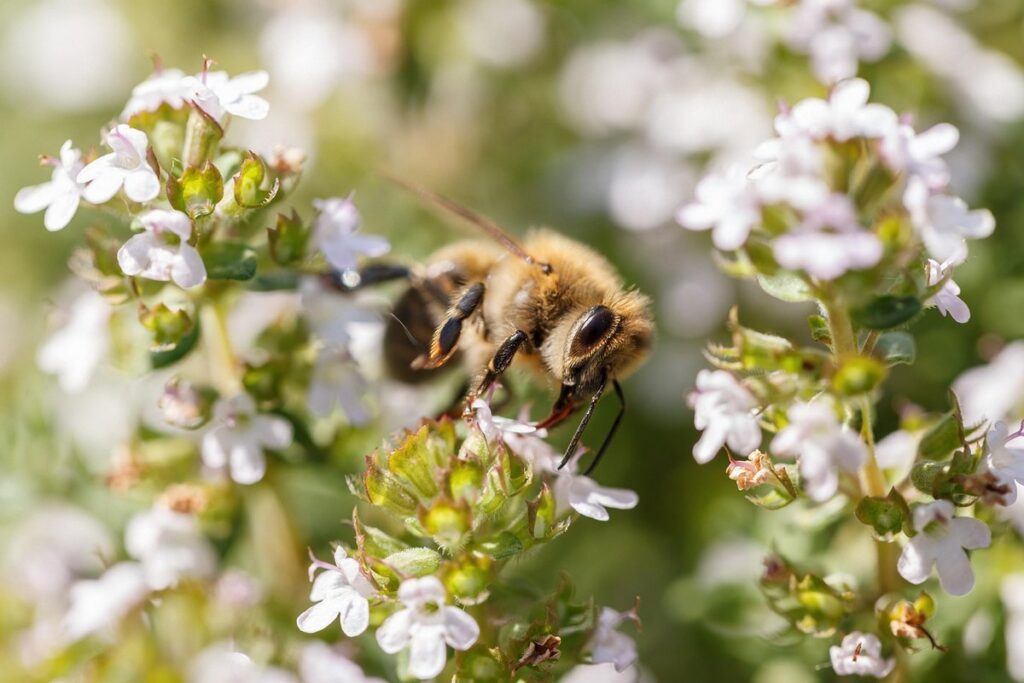
As a spreading groundcover, creeping thyme forms a dense mat of stems that can grow up to 6 inches tall, but it’s at its best when allowed to spread out and cover large areas. Its delicate white or pink flowers appear in the summer months, adding a pop of color to lawns and gardens. When used as a lawn alternative, creeping thyme is an attractive option for those seeking low-maintenance groundcovers that require minimal upkeep. Its ability to withstand foot traffic and tolerate drought makes it an ideal choice for high-traffic areas or spots where watering can be limited.
Advantages Over Traditional Lawns
One of the most significant advantages of using creeping thyme as a lawn alternative is its incredible water conservation properties. Unlike traditional grass lawns that require regular watering, creeping thyme can thrive with minimal to no irrigation needs. This is especially beneficial for areas prone to drought or where water restrictions are in place. With creeping thyme, you’ll save money on your water bills and reduce your environmental footprint.
Another significant advantage of creeping thyme lawns is the reduced need for mowing. Creeping thyme grows at a much slower rate than traditional grass, requiring only occasional trimming to maintain its appearance. This means less time spent on lawn maintenance, more free time for you! Additionally, creeping thyme’s spreading habit helps to improve soil health by covering and stabilizing the soil surface, reducing erosion and preventing weeds from taking hold. By transitioning to a creeping thyme lawn, you’ll be doing your part for the environment while also enjoying a low-maintenance outdoor space.
Planting and Establishing a Creeping Thyme Lawn
To get your creeping thyme lawn off to a great start, you’ll want to learn how to properly plant and establish it for maximum growth and beauty. This section will walk you through the process step by step.
Preparing the Soil
Before planting creeping thyme, it’s essential to prepare the soil properly. This will ensure that your lawn establishes itself quickly and healthily. One crucial aspect of soil preparation is pH levels. Creeping thyme prefers well-draining soil with a slightly acidic to neutral pH (6.0-7.0). If your soil is too alkaline, it can lead to nutrient deficiencies and reduced growth.
To check the pH level of your soil, you can purchase a DIY testing kit or send a sample to a laboratory for analysis. Based on the results, you may need to add lime to raise the pH or sulfur to lower it. Next, consider the soil structure. Creeping thyme thrives in well-draining, sandy loam soils with good aeration. Avoid areas with heavy clay or dense sand as they can hinder root growth.
Removing existing vegetation is also vital before planting creeping thyme. This will prevent competition for water and nutrients between your new lawn and any weeds or existing plants. Clear the area using a combination of manual weeding, mulching, or herbicides (as a last resort). Once you’ve prepared the soil, it’s ready to receive your creeping thyme seeds or seedlings.
Sowing Seeds or Plugs
When it comes to establishing a creeping thyme lawn, you have two main options: sowing seeds directly into the ground versus using plugs to propagate. Both methods have their pros and cons, which we’ll explore below.
Sowing seeds can be a cost-effective way to establish a large area of creeping thyme, but it requires more effort and patience. You’ll need to prepare the soil, sow the seeds densely, and keep the area consistently moist until germination occurs. This method also takes longer to see results, often requiring 4-6 weeks for seeds to sprout. On the other hand, using plugs can speed up the process, with plants growing in as little as 2-3 weeks.
When choosing between these methods, consider your climate and soil conditions. If you live in an area with poor soil quality or cold winters, sowing seeds might not be the best option. In contrast, plugs are better suited for areas with well-draining soil and mild winters.
Maintenance and Care of Creeping Thyme Lawns
To keep your creeping thyme lawn thriving, it’s essential to learn proper maintenance techniques, such as mowing and watering habits. We’ll cover these details in the following section.
Watering Requirements
When it comes to watering your creeping thyme lawn, it’s essential to get it right. The frequency of watering depends on several factors, including the climate you live in, the type of soil your lawn has, and the time of year.
In general, creeping thyme lawns require less water than traditional grass lawns. They can thrive in areas with low rainfall, but they still need adequate moisture to grow well. During hot summer months, you may need to water your creeping thyme lawn every 7-10 days, depending on the weather conditions. In cooler seasons, you can reduce watering to once a month.
However, it’s crucial to avoid overwatering, which is one of the most common mistakes people make when caring for their lawns. Overwatering can lead to root rot, kill your creeping thyme plants, and even create an ideal environment for pests and diseases to thrive. To prevent this, make sure to check the soil moisture by inserting a finger into the soil up to the knuckle before watering.
As a general rule of thumb, water your creeping thyme lawn in the morning or early evening when the temperature is cooler to minimize evaporation and reduce the risk of overwatering.
Mowing and Pruning
When it comes to maintaining your creeping thyme lawn, mowing and pruning are essential tasks that will help keep it looking its best. Creeping thyme is a low-growing ground cover that requires minimal maintenance, but regular mowing and pruning will promote healthy growth and prevent it from becoming leggy.
To maintain the shape of your creeping thyme lawn, you can mow it once or twice a year, depending on how quickly it grows. Use a lawn mower with a high-cut setting to avoid damaging the delicate stems and leaves. For example, if you live in an area with mild winters, you may need to mow your creeping thyme in early spring before new growth begins. In areas with harsher winters, you can wait until summer or fall when the plant is more established.
Pruning is also important for promoting healthy growth and preventing overcrowding. Remove any dead or damaged leaves or stems, and trim back long branches to encourage bushy growth. Prune your creeping thyme in early spring or after new growth begins in late spring or early summer.
Pest and Disease Management for Creeping Thyme Lawns
Effective pest and disease management is crucial to maintain the health and beauty of your creeping thyme lawn, which can be susceptible to pests like whiteflies and diseases like root rot.
Common Pests and Diseases
Creeping thyme lawns are generally resistant to pests and diseases due to their hardy nature. However, they can still be susceptible to certain issues if not properly cared for. Some common pests that can affect creeping thyme lawns include slugs, snails, and various types of insects like spider mites, mealybugs, and aphids.
Diseases such as root rot, leaf spot, and powdery mildew can also occur due to overwatering or poor drainage. If you notice any white cottony patches on the leaves, it may be a sign of mealybug infestation. Yellowing leaves can indicate spider mite or aphid problems.
To manage pests effectively, keep your lawn free from debris and weeds that can attract unwanted insects. Regularly inspect your creeping thyme lawn for signs of damage or infection. Use neem oil or insecticidal soap to control mealybugs and aphids. For root rot and leaf spot diseases, adjust watering schedules to ensure proper drainage and treat with fungicides as needed.
Frequent mowing at the right height can also help prevent pests from thriving in your creeping thyme lawn. Regularly monitor soil pH levels and maintain a balanced nutrient profile to keep your lawn healthy and resilient to potential issues.
Prevention and Control Methods
To maintain a healthy creeping thyme lawn, it’s essential to employ effective prevention and control methods. Integrated Pest Management (IPM) is a holistic approach that combines physical, cultural, biological, and chemical controls to manage pests and diseases. This method is particularly useful for creeping thyme lawns as it reduces the risk of developing pesticide-resistant pests.
Organic treatments are another excellent option for controlling pests and diseases on your creeping thyme lawn. Neem oil, pyrethrin sprays, and insecticidal soap can help control aphids, whiteflies, and spider mites. Copper-based fungicides can also be used to prevent fungal diseases like powdery mildew.
Cultural controls play a crucial role in preventing pest and disease issues. Regularly inspect your lawn for signs of pests or diseases, and maintain good hygiene by removing weeds, debris, and dead plant material. Watering wisely is also essential – overwatering can lead to root rot and other problems. By implementing these prevention and control methods, you’ll be able to keep your creeping thyme lawn healthy and thriving all season long.
Some key things to remember when using organic treatments include:
* Always read the label carefully before application
* Follow the recommended dosage and timing for best results
* Avoid applying chemical controls during peak sun hours or on windy days
* Maintain a clean and well-maintained lawn to reduce the risk of pests and diseases
Designing and Integrating Creeping Thyme into Your Landscape
When incorporating creeping thyme into your landscape, designing an effective layout is crucial to ensure its full potential as a beautiful and low-maintenance groundcover. Let’s dive into some practical design tips.
Combining with Other Plants
When it comes to designing a beautiful landscape with creeping thyme as the focal point, combining it with other plants can elevate its visual appeal and create a unique character. Companion planting is an excellent way to add texture, color, and interest to your lawn.
Consider pairing creeping thyme with low-growing succulents like sedum or echeveria for a striking contrast in foliage shape and texture. The tiny leaves of the thyme will complement the thick, fleshy leaves of the succulents perfectly. For example, plant creeping thyme as a border around a bed of succulent plants to create a visually appealing separation between spaces.
Another idea is to combine creeping thyme with flowering perennials like lavender or rosemary, which share similar Mediterranean origins and require similar growing conditions. This will not only add color but also create a sense of cohesion in your landscape design. For instance, plant creeping thyme as a groundcover under a lavender shrub to soften its appearance while adding fragrance and texture.
Remember to choose companion plants that have similar sun, soil, and moisture requirements to ensure they thrive together.
Edging and Containment
When integrating creeping thyme into your landscape, proper edging and containment are crucial to prevent it from spreading into unwanted areas. This is especially true when combining it with other plant species or garden features. Without boundaries, creeping thyme can easily overtake nearby plants, potentially choking them out.
To contain its growth, consider installing a physical barrier such as a raised bed or a decorative edging material like stone or brick. These will create a clear distinction between the creeping thyme and surrounding areas. You can also use a combination of both – a border to define the space and a physical barrier to prevent root invasion.
A simpler approach is to let the creeping thyme form a natural edge by allowing it to spread up against existing features like walls, patios, or walkways. This way, you’re making the most of its ability to thrive in crevices and tight spaces.
Regardless of your chosen method, make sure to maintain some space between creeping thyme and adjacent plants. This will allow for air circulation and prevent moisture buildup that can lead to disease issues.
Seasonal Care and Winter Preparation
As winter approaches, it’s essential to prepare your creeping thyme lawn for the cold months ahead, ensuring it stays healthy and thriving when spring returns. Let’s discuss some crucial care tips.
Summer Care
Summer is here, and your creeping thyme lawn needs special care to thrive. When it comes to watering, remember that creeping thyme lawns are drought-tolerant but still require some moisture, especially during the hot summer months. Water them deeply once or twice a week, depending on weather conditions, to encourage deep root growth.
Mowing is also crucial during summer, as overgrown creeping thyme can become leggy and lose its charm. Maintain your lawn at a height of about 1-2 inches, cutting it back slightly after each mow to prevent the plant from flowering and going to seed. Prune any dead or damaged stems to promote healthy growth.
In addition, keep an eye out for weeds that might take advantage of the warm weather. Use a gentle weeding tool or hand-pull them carefully to avoid damaging your creeping thyme roots. By following these simple care tips, you’ll be able to enjoy your lush and vibrant creeping thyme lawn all summer long.
Winter Protection
As winter approaches, it’s essential to take steps to protect your creeping thyme lawn from damage. One effective way to shield your lawn is by applying a layer of mulch around 2-3 inches thick. This will help retain moisture and prevent soil temperature fluctuations that can harm the delicate roots. You can also use row covers or frost blankets to further insulate the area.
However, it’s crucial not to overprotect your creeping thyme lawn. Allowing it to enter a dormant state is vital for its long-term health. If you apply too much mulch or use excessive row covers, you may inadvertently prevent the lawn from entering dormancy. This can lead to root rot and other issues when the weather warms up.
Instead, allow your creeping thyme lawn to naturally enter a dormant state by gradually reducing watering as temperatures drop. You can also trim back any remaining foliage to about an inch above the soil surface. By taking these simple precautions, you’ll ensure your lawn is protected from winter damage and ready for a thriving new season when spring arrives.
Conclusion: The Long-Term Value of Creeping Thyme Lawns
In conclusion, creeping thyme lawns offer a unique combination of benefits that make them an attractive alternative to traditional grass. Not only do they require minimal maintenance, but they also provide a soft and fragrant surface perfect for outdoor gatherings. With proper establishment, a creeping thyme lawn can last for many years with just occasional watering and pruning. The cost savings over time are significant, as you’ll avoid the need for expensive fertilizers, pesticides, and mowing equipment. Plus, the low-growing nature of the plants means they won’t shade out other plants in your garden, making them a great choice for small spaces or areas with poor soil quality.
As you consider transitioning to a creeping thyme lawn, remember that patience is key. It may take several months for the plants to fully establish and cover the area, but the end result will be well worth the wait.
Frequently Asked Questions
Can I mix creeping thyme with other plants to create a diverse lawn ecosystem?
Yes, creeping thyme is an excellent choice for a polyculture lawn, as it’s compatible with many other low-maintenance groundcovers and grasses. Consider combining it with sedum, creeping juniper, or wild garlic for a unique and resilient landscape design. This approach not only reduces mowing needs but also promotes biodiversity and attracts beneficial insects.
How long does it take for creeping thyme to establish itself as a mature lawn?
Creeping thyme typically takes 2-3 years to fully establish itself after planting. During this time, it may require occasional watering and maintenance to ensure it spreads evenly. Be patient, as the plant’s dense growth habit will eventually choke out weeds and create a lush, low-maintenance surface.
Can I use creeping thyme in shaded areas or does it require full sun?
While creeping thyme prefers well-drained soil and full sun, it can tolerate partial shade. However, its spreading habit may be less vigorous in shaded conditions, potentially leading to thin patches. If you want to use creeping thyme in a shaded area, choose a variety that’s more tolerant of shade or consider supplementing with additional plants.
How do I prevent weeds from growing through my established creeping thyme lawn?
To minimize weed growth, maintain a dense stand of creeping thyme by mowing it at the recommended height (around 2-3 inches) and watering it regularly during dry spells. You can also use mulch or decorative rocks to suppress weed seeds from germinating.
Can I grow creeping thyme in containers instead of directly in the ground?
Yes, creeping thyme can thrive in containers as long as they have good drainage holes and are at least 6-8 inches deep. Use a well-draining potting mix and provide sufficient sunlight (at least 4 hours of direct sun) to promote healthy growth. Watering may be more frequent in containers, so monitor soil moisture carefully.