
When it comes to gardening in containers, using the right potting mix can make all the difference between a thriving plant and one that struggles to survive. Store-bought mixes can be expensive and may not meet your specific needs. That’s why creating a customized potting mix recipe is becoming increasingly popular among gardeners. By selecting the perfect blend of ingredients and mixing them in just the right ratios, you can improve plant growth, health, and overall success. In this article, we’ll guide you through the process of crafting a tailored potting mix for your containers. We’ll cover key ingredient selection, ideal mixing ratios, and offer expert tips on troubleshooting common issues that may arise when creating your own blend.
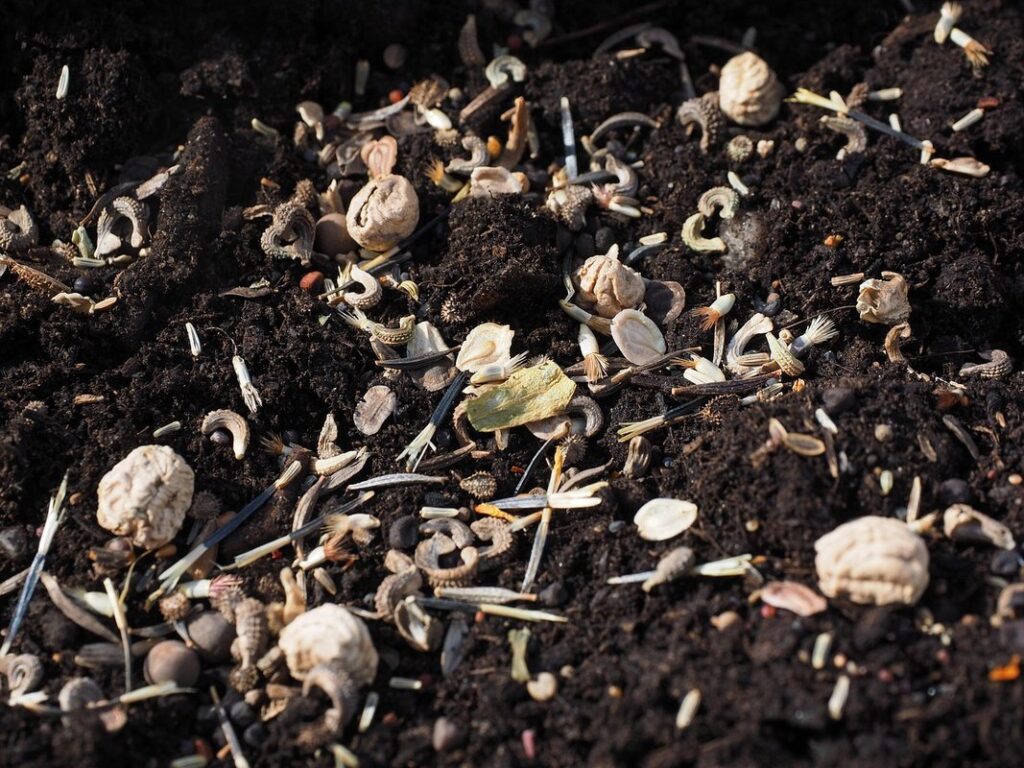
Understanding the Importance of a Good Potting Mix
Understanding why a good potting mix matters is crucial, as it directly affects your plants’ health and growth. In this important discussion, we’ll break down its significance.
Benefits of a Customized Potting Mix
Using a customized potting mix can make all the difference in the health and growth of your container plants. Store-bought mixes are often one-size-fits-all solutions that may not cater to the specific needs of your plants, whereas a homemade recipe allows you to tailor the ingredients to suit their requirements.
For instance, if you’re growing vegetables like tomatoes or peppers, a mix with added calcium can help prevent blossom end rot, a common issue in container gardens. On the other hand, if you’re cultivating delicate herbs like basil or mint, a potting mix with more organic matter and less fertilizer will promote healthy root growth without overpowering their flavor.
When creating your own potting mix recipe, consider factors such as the type of plants you’re growing, the climate in your area, and the drainage needs of your containers. You can also experiment with different combinations of ingredients to find what works best for your specific conditions.
By taking the time to craft a customized potting mix, you’ll be rewarded with healthier, more resilient plants that thrive in their container homes.
Common Problems with Store-Bought Potting Mixes
Store-bought potting mixes often come with a one-size-fits-all approach that may not cater to the specific needs of your container garden. One common issue is over-fertilization, which can lead to weak and leggy growth. Many commercial potting mixes are loaded with high levels of nitrogen, phosphorus, and potassium (NPK) fertilizers, causing more harm than good.
Inadequate drainage is another significant problem with store-bought potting mixes. They often retain too much water, leading to root rot and other issues. This can be attributed to the high peat moss content in many commercial mixes, which while helpful for retaining moisture, can also prevent excess water from draining out.
To avoid these problems, it’s essential to have a customizable solution that allows you to tailor the potting mix to your specific needs. By making your own potting mix using this recipe, you’ll be able to control the nutrient levels and drainage properties, giving your plants the best possible start in life.
Choosing the Right Ingredients for Your Potting Mix
When selecting ingredients for your potting mix, it’s essential to choose a combination that balances drainage, nutrient retention, and moisture levels to ensure optimal plant growth. This section covers the key factors to consider when making this crucial decision.
Selecting the Perfect Soil Component
When selecting an ideal soil component, it’s essential to consider the specific needs of your container garden. Start by determining the size of your container – small pots require less material than larger ones. Next, think about the type of plant you’re growing: tropical plants need more moisture retention, while succulents prefer well-draining mixes.
Consider the climate where your container will reside. In areas with high temperatures and humidity, choose a soil component that can help regulate water levels. Peat moss is an excellent option for this purpose, as it retains moisture but also allows excess water to escape.
When selecting a soil component, pay attention to its pH level, nutrient content, and water-holding capacity. For example, if your plant prefers acidic conditions (like blueberries or azaleas), choose a peat moss that has an acidic pH level. On the other hand, if you’re growing vegetables with high nutrient requirements, opt for a mix rich in organic matter.
Some popular soil components to consider include:
* Peat moss: retains moisture, acidic pH
* Vermiculite: improves drainage, increases water-holding capacity
* Perlite: adds structure, reduces water retention
Keep in mind that it’s not necessary to use a single component exclusively; blending different materials can create the perfect potting mix for your container garden.
Adding Organic Matter for Nutrient-Richness
Adding organic matter to your potting mix is one of the most important steps in creating a nutrient-rich blend for your container garden. This crucial ingredient provides beneficial microbes and essential nutrients that promote healthy plant growth. You can use compost, worm castings, or well-rotted manure as your organic matter source.
Compost is an excellent choice because it’s rich in humus, which improves soil structure and fertility. When adding compost to your potting mix, make sure it’s fully broken down and has a crumbly texture. Aim for 20-30% compost content in your final blend. Worm castings, also known as vermicompost, are another option that’s rich in nitrogen, phosphorus, and potassium.
When incorporating worm castings into your potting mix, start with a small amount (about 5-10%) and adjust to achieve the desired level of fertility. Well-rotted manure is another viable option, but it may require more time to break down and can be high in salt content, so use it sparingly (about 10-15%).
Aim for a balanced mix of organic matter by combining these sources according to your plant’s specific needs.
Creating a Balanced Potting Mix Recipe
When creating a balanced potting mix recipe, it’s essential to consider the specific needs of your plants and containers. This guide will walk you through how to create a tailored blend that suits your gardening goals.
Determining the Right Ratio of Ingredients
When creating a potting mix recipe for containers, determining the right ratio of ingredients is crucial. The optimal ratio will depend on the specific plant requirements, which can vary depending on factors like water retention, aeration, and root growth promotion.
To calculate the ideal ratio, start by considering the needs of your plants. For example, if you’re growing vegetables or fruits that prefer moist soil, you’ll want to include more organic matter like peat moss or coconut coir to retain moisture. On the other hand, if you’re growing cacti or succulents that require good drainage, you’ll want to increase the proportion of perlite or vermiculite.
A general rule of thumb is to use a mix of 40-50% inorganic ingredients (like perlite, vermiculite, and sand) for good drainage and aeration. The remaining 50-60% should be organic matter (like peat moss, coconut coir, and compost) for water retention and nutrient supply.
A simple way to determine the ratio is to use the “soil triangle” method. Divide your potting mix ingredients into three sections:
* Inorganic ingredients (40-50%)
* Organic matter (30-40%)
* Additives (10-20%)
Adjust these proportions based on your specific plant requirements and container conditions, and remember to re-evaluate your recipe as you gain more experience with different plants and environments.
Incorporating Fertilizers and Supplements Wisely
When incorporating fertilizers and supplements into your potting mix recipe, it’s essential to do so wisely. Start by considering the type of plants you’re growing and their specific nutrient needs. For example, flowering plants require more phosphorus than vegetables or herbs.
For slow-release fertilizers, a good rule of thumb is to add about 1-2% by volume to your mix. This allows for a steady release of nutrients over an extended period, reducing the need for frequent watering and fertilizing. Liquid fertilizers, on the other hand, can be added directly to the soil or through the irrigation system at a rate of about 10-20 ppm (parts per million).
Beneficial bacteria supplements can also be incorporated into your mix, promoting healthy microbial activity in the soil. These microbes help break down organic matter and make nutrients more available to plants. Look for products containing mycorrhizal fungi or Trichoderma harzianum to support beneficial microbial growth.
By carefully selecting and incorporating fertilizers and supplements into your potting mix recipe, you can create a nutrient-rich environment that supports healthy plant growth while minimizing waste.
Tips for Mixing and Preparing Your Potting Mix
To get your potting mix just right, it’s crucial to mix and prepare it correctly, as incorrect ratios can affect plant growth and overall health. Here’s how to do it like a pro.
Proper Mixing Techniques for Uniformity
When it comes to creating a uniform potting mix for containers, proper mixing techniques are crucial. To achieve this, you’ll need to blend, sieve, and moisten the ingredients in the right order.
Start by blending the dry ingredients such as peat moss, vermiculite, or perlite together using a shovel or a garden fork until they’re evenly mixed. This will help prevent lumps from forming later on. Next, add any organic matter like compost or worm castings and blend them in thoroughly. If you’re using a mix of different textures, make sure to sift the ingredients before adding moisture.
A common mistake to avoid during this process is over-mixing, which can lead to compacted soil that drains poorly. Similarly, under-mixing can result in uneven distribution of nutrients and water. To avoid these mistakes, blend your dry ingredients in small batches until they’re well combined, then gradually add the moisture while continuing to mix.
To ensure uniformity, it’s essential to maintain a consistent moisture level throughout the mixing process. If you’re using a mix with high peat content, for example, be cautious not to over-moisten, as this can lead to waterlogged soil.
Curing and Drying Your Homemade Mix
Curing and drying your homemade potting mix is an essential step that often gets overlooked. However, this process plays a crucial role in stabilizing the pH levels of your mix, reducing excess water retention, and promoting microbial growth.
When you first mix your ingredients, the components can be quite active and unstable. This can lead to inconsistent moisture levels, which may cause roots to rot or prevent proper drainage. To cure your potting mix, spread it out in a thin layer on a wire rack or tray, allowing air to circulate freely around each component.
Leave the mix to dry for 24-48 hours before using it. During this time, microorganisms will start breaking down organic matter, releasing nutrients and improving overall soil structure. This curing process helps regulate pH levels, making your potting mix more stable and less prone to waterlogging.
To enhance microbial activity, you can also add a small amount of beneficial microbes or compost tea to the mix during the curing period. Once cured, your homemade potting mix is ready for use in containers, providing an optimal environment for plant growth and development.
Maintaining and Replenishing Your Potting Mix
Now that you’ve created your perfect potting mix, it’s essential to maintain its quality and replenish it as needed to keep your plants thriving. Let’s explore how to do just that!
Monitoring Soil Conditions Over Time
Monitoring soil conditions over time is crucial to ensure optimal plant growth and prevent potential problems. To do this effectively, it’s essential to regularly inspect your potting mix for signs of wear and tear. Check the moisture levels by inserting a finger or a stick into the soil up to 2-3 inches deep – if the mix feels dry, it’s time to water.
Monitor temperature fluctuations as well. Most plants prefer daytime temperatures between 65-75°F (18-24°C) and nighttime temperatures around 55-65°F (13-18°C). Be aware of sudden changes in temperature, which can shock your plant. Keep an eye out for signs of overwatering or underwatering, such as yellowing leaves or droopy stems.
If you notice the potting mix is breaking down, compacted, or showing significant nutrient depletion, it’s likely time to replenish or replace it entirely. Signs of a worn-out potting mix include slow plant growth, reduced fertility, and increased pest susceptibility. Regularly checking your soil conditions will help you catch these issues early on, allowing for timely adjustments to your maintenance routine.
Rejuvenating and Refreshing Your Container Garden
As your container garden grows and flourishes, it’s not uncommon for the top 1-2 inches of soil to become depleted of nutrients. This is especially true if you’re using a high-fertility potting mix or fertilizing regularly. To rejuvenate and refresh your overworked container garden, try this simple trick: add fresh potting mix on top.
Start by removing any dead or dying plants from the area you want to revitalize. Then, gently dig in about 1-2 inches of new potting mix, making sure not to compact the soil further. This will introduce a boost of oxygen and nutrients to the root zone. You can also adjust your fertilization schedule as needed – if you’ve been using a high-nitrogen fertilizer, switch to a balanced or low-nitrogen option to promote healthy growth without over-stimulating your plants.
Keep in mind that some potting mixes are designed for long-term use and may not require frequent replenishment. Be sure to follow the manufacturer’s instructions and adjust accordingly.
Troubleshooting Common Issues in Potting Mixes
If you’re running into problems with your potting mix, don’t worry – we’ve got some troubleshooting tips to help you identify and resolve common issues that can affect plant growth.
Addressing Drainage Problems in Containers
Drainage problems are one of the most common issues faced by container gardeners. Waterlogged soil can be detrimental to plant growth, leading to root rot and other diseases. So, what causes these drainage woes? Inadequate bottom spacing is often a culprit. If the potting mix isn’t able to drain freely through the bottom, water accumulates at the surface.
Another common reason for poor drainage is using dense materials in your potting mix recipe. Materials like coconut coir or peat moss can retain too much water, leading to waterlogged conditions. To address this issue, you can try adding a drainage material like perlite, vermiculite, or sand to improve soil structure and facilitate water movement.
In addition to these solutions, make sure to provide adequate space between the potting mix and the bottom of the container. A minimum gap of 1-2 inches is recommended to allow for proper drainage.
Mitigating Root Rot and Disease in Container Gardens
Root rot and disease can be devastating to container gardens. To address this issue, it’s essential to understand the most prevalent root diseases affecting container plants. One of the primary causes is overwatering, which creates an ideal environment for fungal growth.
Common Root Diseases:
* Root Rot: Symptoms include soft, mushy stems and roots that turn brown or black. Prevention involves using well-draining potting mixes and avoiding overwatering.
* Fusarium Wilt: This disease causes yellowing leaves, stunted growth, and a reduced water-consumption rate in plants. Prevention methods include rotating crops to break the Fusarium cycle and improving air circulation.
To prevent disease outbreaks through good gardening practices:
- Monitor soil moisture regularly by inserting your finger into the potting mix up to the first knuckle.
- Use a well-draining potting mix that allows excess water to escape, reducing the likelihood of root rot and other diseases.
- Avoid overfertilizing, which can stress plants and make them more susceptible to disease.
- Rotate crops to break the disease cycle and reduce the risk of infection.
Regular monitoring and maintenance are key to preventing these issues in container gardens.
Conclusion and Final Tips
Now that you’ve successfully created your custom potting mix recipe, let’s review key takeaways and provide some final tips to ensure optimal results.
Recap of Key Takeaways from This Guide
As we conclude our comprehensive guide to creating the perfect potting mix for containers, let’s recap the key takeaways that will help you grow healthy and thriving plants.
A well-balanced potting mix is crucial for container gardening. We discussed how to combine organic matter like peat moss, coconut coir, or compost with inorganic materials such as perlite, vermiculite, or sand to create a customized blend tailored to your specific needs.
Remember that the right ratio of ingredients depends on the type of plants you’re growing and the container’s drainage capabilities. For example, if you’re using a small pot with poor drainage, increasing the proportion of inorganic materials will help prevent waterlogged soil.
To recap, some key takeaways from this guide include:
• Choosing organic matter as the base component for better water retention and nutrient supply
• Selecting inorganic materials to improve drainage and aeration
• Adjusting the ratio of ingredients based on plant type, container size, and drainage capabilities
• Avoiding over-reliance on single ingredients that may not provide optimal results
By applying these principles, you’ll be well-equipped to create a customized potting mix recipe for your containers and enjoy healthier, more robust plants.
Final Recommendations for a Healthy Container Garden
As you’ve successfully created and nurtured your container garden using our potting mix recipe, it’s essential to maintain its health and vibrancy. Regular monitoring of soil conditions is crucial to ensure your plants receive the right amount of nutrients.
Check the moisture level by sticking your finger into the soil up to the knuckle. If it feels dry, it’s time to water. Be cautious not to overwater, as this can lead to root rot. You should also monitor pH levels and adjust fertilization accordingly. Most container plants prefer a slightly acidic to neutral pH between 6.0 and 7.0.
As your plants grow, prune them regularly to maintain their shape and promote healthy growth. This will also encourage new blooms and prevent overgrown branches from taking too much moisture. Prune in the morning when the plant is at its highest water content for optimal results.
Lastly, inspect your containers periodically for signs of nutrient deficiencies or pests. If you notice any issues, repot your plants into fresh soil or seek advice from a local nursery expert.
Frequently Asked Questions
Can I reuse leftover potting mix from previous projects or containers?
Yes, you can reuse leftover potting mix for smaller plants or seedlings, but it’s essential to check its condition first. If the mix has been exposed to extreme temperatures, waterlogged, or contaminated with diseases, it’s best to create a fresh batch.
How do I prevent root rot in my container garden using this customized mix?
Root rot is often caused by overwatering or poor drainage. To mitigate this issue, ensure your containers have adequate drainage holes and use a well-draining potting mix recipe. Regularly inspect the soil moisture levels to avoid waterlogged conditions.
What’s the ideal storage method for my freshly prepared homemade potting mix?
Store your homemade potting mix in an airtight container or bag, protecting it from direct sunlight, heat, and moisture. Keep it in a cool, dry place until you’re ready to use it. This will help preserve the ingredients’ potency and prevent spoilage.
Can I make this customized recipe for large-scale gardening projects, such as community gardens or greenhouses?
While the process remains similar, consider larger batch sizes and more advanced mixing equipment. Also, factor in any regulatory requirements specific to your location regarding potting mix composition and labeling.
How do I maintain and replenish my customized potting mix over time?
Regularly inspect your soil’s pH levels, nutrient content, and moisture levels. Replenish the mix as needed by adding organic matter or fertilizers. This will help maintain the optimal growing conditions for your plants and prevent nutrient deficiencies.