
Are you an animal lover looking for ways to create a haven in your garden? Or perhaps you’re interested in supporting local conservation efforts by attracting native wildlife. Either way, creating a toad-friendly habitat is easier than you think! Did you know that many species of toads are struggling due to habitat loss and fragmentation? By incorporating native plants, water features, and sheltering areas into your garden design, you can help provide a safe haven for these amazing creatures.
In this article, we’ll explore the simple steps you can take to create a welcoming environment for toads in your garden. From selecting the right plant species to designing a pond that will attract these fascinating amphibians, we’ve got you covered. By following our practical tips and design ideas, you’ll not only be helping to support local conservation efforts but also creating a unique and engaging outdoor space that’s perfect for relaxation and wildlife watching.
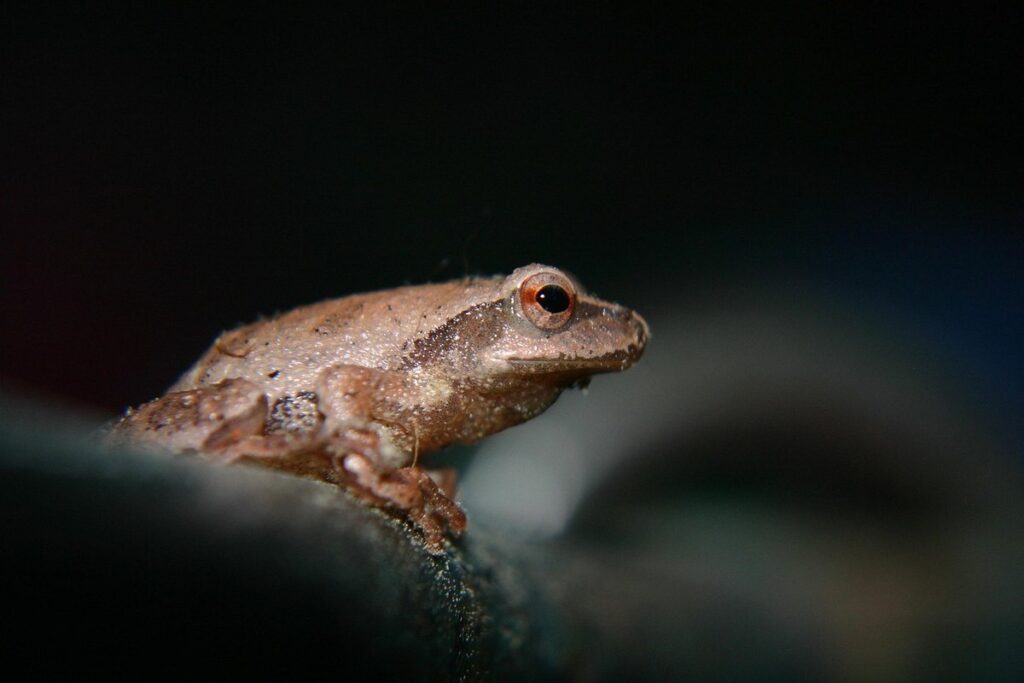
The Importance of Toad Habitats
When creating a toad-friendly garden, it’s essential to consider the importance of providing a suitable habitat for these fascinating creatures. We’ll delve into the key factors that contribute to a thriving toad environment in your yard.
The Decline of Toad Populations
The alarming decline of toad populations worldwide is a pressing concern that requires immediate attention. Unfortunately, human activities are largely responsible for this devastating trend. Habitat loss is one of the primary culprits, with natural habitats being cleared to make way for urbanization and agriculture. This not only reduces the available space for toads but also disrupts their complex life cycles.
Pollution is another significant contributor to the decline of toad populations. Pesticides, herbicides, and industrial waste can contaminate water sources, posing a direct threat to the survival of these sensitive creatures. Climate change further exacerbates the situation by altering temperature patterns, which can affect breeding and larval development.
To make your yard a haven for toads, it’s essential to create an environment that is free from pollutants and human disturbance. You can start by planting native vegetation, reducing lawn areas, and creating ponds or water features with natural filtration systems. By taking these steps, you’ll not only be providing a safe habitat for toads but also contributing to the conservation of these vital species.
The Role of Gardens in Toad Conservation
When it comes to designing and maintaining gardens that support toad conservation, there are several key elements to incorporate. Native plants play a crucial role in providing food, shelter, and breeding grounds for toads. Choose plants that are native to your region, as they will be more attractive to local wildlife. Incorporate a mix of herbaceous perennials, shrubs, and trees, which will provide a variety of habitats for different stages of toad development.
Water features are also essential for toads, providing a source of drinking water and breeding sites. Consider installing a shallow dish or pond with rocks or logs for basking spots. Make sure the water is fresh and free from chemicals by changing it regularly and adding plants that help purify the water.
In addition to food, shelter, and water, toads need areas to hide and escape from predators. Incorporate sheltering areas such as rock piles, log stacks, or native shrubs with dense foliage.
Designing a Toad-Friendly Garden
When designing a toad-friendly garden, it’s essential to consider the specific needs of these fascinating creatures and create a habitat that supports their survival and success in your yard.
Plant Selection: Choosing Native Plants
When designing a toad-friendly garden, selecting native plant species is crucial for creating a haven for these amphibians. Native plants have evolved alongside local wildlife, including toads, and provide the necessary resources they need to thrive.
By choosing native plants, you’ll attract pollinators like bees and butterflies that help with seed dispersal, ensuring the survival of your chosen species. Many native plants also serve as a food source for toads, such as wildflowers that produce nectar-rich flowers or shrubs with berry-producing fruits.
In regions with mild winters, plants like coneflower (Echinacea spp.), black-eyed Susan (Rudbeckia hirta), and butterfly milkweed (Asclepias tuberosa) are excellent choices. For areas with cold winters, consider native plants like wintergreen (Gaultheria procumbens) or sweet cicely (Myrrhis odorata). These plants offer shelter from harsh weather conditions and provide the necessary hiding spots for toads to escape predators.
When selecting native plants, ensure they’re well-suited to your region’s climate and soil type. This will not only benefit local wildlife but also reduce maintenance needs for your garden.
Water Features: Essential for Toad Survival
When designing a toad-friendly garden, incorporating water features is essential for the survival of these fascinating amphibians. Toads rely on water sources for drinking, breeding, and laying eggs, making it crucial to provide them with a consistent supply of water.
Ponds, lakes, or even small containers with moving water can serve as ideal water features in your garden. A shallow dish or birdbath with fresh water and a few rocks or twigs can be enough to attract toads. However, larger ponds with a depth of at least 1-2 feet are more beneficial for breeding and larval development.
When integrating water features into your garden design, consider the following tips: position them near sheltered areas, such as under trees or in dense vegetation, to provide protection from predators; ensure that the water level remains consistent, but not stagnant; and incorporate plants with wide leaves or shallow water margins to allow toads to easily access the water.
By incorporating these water features, you can create a thriving haven for toads in your garden.
Creating a Toad-Friendly Environment
Now that you’ve attracted some toads to your yard, it’s essential to create a welcoming environment for them by incorporating plants and features they love. We’ll show you how to make this happen in this next step.
Sheltering Areas: Providing Protection from Predators
When creating a toad-friendly garden, it’s essential to consider providing sheltering areas that protect these amphibians from predators and extreme weather conditions. Toads are vulnerable to predators like birds, snakes, and other small animals, which is why offering them a safe haven within your garden is crucial.
Incorporating rocks, logs, or native plants with dense foliage can create perfect hiding spots for toads. For instance, placing large rocks or boulders in strategic locations can provide toads with shelter from the sun, rain, and potential predators. Native plants like ferns, hostas, or shrubs with dense leaves can also offer a safe haven for toads to hide during the day.
When selecting materials, opt for natural and weather-resistant options that won’t decompose quickly. Avoid using treated wood or other chemicals that may harm toads. By incorporating sheltering areas into your garden design, you’ll be providing a haven for these fascinating creatures, increasing their chances of survival and allowing them to thrive in their new environment.
Minimizing Chemical Use: A Safer Environment for Toads
When it comes to creating a toad-friendly environment, minimizing chemical use is crucial. Chemical pesticides and herbicides can be devastating for amphibians, including toads. These toxic substances can contaminate water sources, soil, and even the toads themselves, leading to a range of health problems and even death.
One of the primary concerns with using chemicals in your garden is their impact on aquatic ecosystems. Toads spend most of their lives near water, making them highly susceptible to chemical runoff. Even small amounts of pesticides can be deadly to these tiny creatures. Instead, consider using natural methods for pest control, such as introducing beneficial insects that prey on pests, or using physical barriers to prevent damage.
Companion planting is another effective way to maintain a chemical-free garden. Certain plants, like marigolds and basil, release chemicals that repel nematodes and other pests, reducing the need for pesticides. By incorporating these plants into your garden design, you can create a safer environment for toads without sacrificing aesthetics or productivity. Experiment with different combinations to find what works best for your specific climate and garden conditions.
Attracting Toads to Your Garden
Attracting toads to your garden is all about creating a welcoming environment, and that starts with providing the right habitat and features for these fascinating amphibians. Let’s explore some effective ways to entice them in!
Lighting and Temperature Control
When it comes to attracting toads to your garden, creating an environment that meets their specific lighting and temperature needs is crucial. Toads are cold-blooded creatures, meaning they regulate their body temperature based on their surroundings. Providing them with a suitable thermal range can encourage them to stay in your garden.
To achieve this, you can consider using UV-emitting lamps or heat sources specifically designed for reptile and amphibian care. These devices mimic natural sunlight and warmth, creating an environment that’s conducive to toad activity. However, be cautious not to overheat the area, as this can be detrimental to their health.
Alternatively, simply providing undisturbed areas with natural sunlight can also work well. Toads often seek out shaded spots during the hottest part of the day, so consider incorporating some leafy plants or a gazebo to create a cooler microclimate within your garden. By doing so, you’ll be creating a welcoming space for these fascinating creatures to thrive in.
Noise Reduction: A Soothing Environment for Toads
Creating a peaceful environment is essential to attract and support toad populations in your garden. Toads are sensitive creatures that thrive in areas with minimal disturbances. High levels of noise can stress them out, making it challenging for them to breed and survive.
To reduce noise levels in your garden, start by minimizing human activity during peak toad hours (usually dusk and dawn). Avoid loud conversations, music, or machinery use during these times. You can also plant native vegetation that provides natural screens to block sounds from neighboring areas. Consider incorporating features like ponds or waterfalls with aeration systems, which not only create soothing background noise but also provide a source of moisture for toads.
Other garden features that might be disturbing toads include lawnmowers, strimmers, and other gardening equipment. Schedule your maintenance tasks during times when toads are less active, such as mid-morning or late afternoon. By implementing these simple measures, you can create a tranquil environment that encourages toads to make your garden their home.
Maintenance and Monitoring
To keep your toad-friendly garden thriving, regular maintenance is key. This includes monitoring water sources, removing debris, and ensuring a healthy habitat for our tiny amphibian friends.
Regular Garden Maintenance
Regular garden maintenance is essential to creating and maintaining a thriving habitat for toads. A neglected garden can become overgrown with weeds, reducing the available space for toads to hop around and increasing the risk of predators and diseases. Regular pruning helps maintain a balanced ecosystem by removing dead or diseased plants that might attract pests and diseases.
Weeds, such as thistle and nettle, can be particularly invasive in gardens and should be removed regularly to prevent them from taking over. Water quality is also crucial for toads, so monitoring the water feature in your garden is vital. Regularly check the pH level of the water and ensure it’s within the optimal range for toads (between 6.5 and 7.5). Also, keep an eye out for algae growth, which can deplete oxygen levels.
To make regular maintenance easier, try to schedule a weekly or bi-weekly visit to your garden. Set aside some time each week to prune any overgrown plants, weed the area, and check on water quality. By doing so, you’ll create a healthy environment that will attract and support local toad populations.
Monitoring Toad Activity
Monitoring toad activity is an essential aspect of creating a haven for these fascinating creatures in your yard. By observing their behavior and adapting your garden design accordingly, you can provide the best possible environment for your toad friends.
Start by simply observing the toads’ daily habits, such as where they congregate, when they’re most active, and what food sources they prefer. You might be surprised at how much information you can gather just by spending a few hours in your garden. Consider setting up cameras or trail cameras to capture their nocturnal activities, which is often when they’re most active.
As you observe the toads’ behavior, take note of any patterns or preferences that emerge. For example, do they seem to favor certain areas of the garden? Do they appear to be attracted to specific plants or food sources? By adapting your garden design based on these observations, you can create a more welcoming and sustainable environment for the toads.
Some practical tips include:
• Creating a “toad hotel” with rocks, logs, or other features that provide shelter and hiding places
• Planting native vegetation that provides food and habitat for toads
• Avoiding pesticides and herbicides, which can harm these sensitive creatures
• Providing shallow water sources, such as birdbaths or ponds, for toad hydration
Additional Tips and Considerations
As you continue to create a welcoming space for your toad friends, keep these extra considerations in mind to ensure their garden haven is safe and thriving.
Collaborating with Local Conservation Groups
Collaborating with local conservation groups can be a game-changer for toad-friendly gardening. These organizations often have extensive knowledge of regional ecosystems and the specific challenges facing amphibians in your area. By working together, you’ll gain valuable insights into regional considerations that might not be covered in general gardening resources.
For instance, local conservation groups may inform you about the types of plants native to your region that are most beneficial for toads, or alert you to potential hazards such as invasive species that can harm amphibians. They might also share knowledge on how to create specific microhabitats within your garden that cater to the unique needs of regional toad populations.
To tap into this expertise, start by researching local conservation groups in your area and reaching out to them via email or phone. Many organizations welcome volunteer opportunities and offer workshops or lectures on topics like habitat creation and species identification. By collaborating with these experts, you’ll not only create a more effective toad-friendly garden but also contribute to the preservation of regional biodiversity.
Creating a Toad-Friendly Community
Creating a network of toad-friendly gardens can have a profound impact on larger ecosystem health. By providing a safe haven for toads and other amphibians, you’re not only enhancing biodiversity in your own yard, but also contributing to the well-being of your entire community’s wildlife population. Toads play a crucial role in controlling insect populations, which can help mitigate the spread of pests and diseases.
To encourage community engagement in conservation efforts, consider forming a local gardening club or participating in neighborhood initiatives that promote toad-friendly habitats. You can also share knowledge and resources with neighbors who may be interested in creating their own toad-friendly gardens. By working together, you can create a ripple effect of positive change throughout your community.
For example, the Toad Rally in Seattle is an annual event where local residents come together to build and maintain toad habitats in a network of parks and green spaces. This collaborative effort not only benefits the environment but also fosters a sense of community and social connection among participants.
Frequently Asked Questions
What if I have a small garden, can I still create a toad-friendly habitat?
While larger gardens may be more suitable for toads, even small spaces can provide valuable resources like native plants, water features, and sheltering areas. Consider using vertical gardening techniques or selecting compact plant species to maximize space.
How often should I check my garden’s water feature for toad activity?
Regular monitoring is essential for creating a thriving toad environment. Check your pond or water feature at least once a week during peak breeding seasons (spring and early summer) to ensure it remains safe and attractive for toads.
Can I use chemical-based fertilizers in my toad-friendly garden?
No, using chemical-based fertilizers can harm or even kill toads. Instead, opt for organic, environmentally friendly alternatives that promote healthy plant growth without compromising the safety of your toad habitat.
What if predators, like birds or snakes, are present in my garden and threatening toads?
Providing a sheltering area with dense vegetation, rocks, or other hiding spots can help protect toads from predators. You can also try using birdhouses or other deterrents to minimize predation risks without harming native wildlife.
Are there specific plants that I should avoid planting in my toad-friendly garden?
Yes, some plant species can be toxic or unappealing to toads. Avoid plants with high levels of toxic compounds, such as foxgloves or daffodils, and opt for native plants that provide food, shelter, and breeding sites for toads instead.