
Are you ready to create your own stunning succulent terrarium? With the right combination of soil, sand, and carefully selected plants, you can bring a touch of desert charm into your home. Terrariums are perfect for busy people or those new to gardening because they’re low-maintenance and can thrive in small spaces. But with so many options out there, it’s easy to get overwhelmed when choosing the right materials.
In this article, we’ll guide you through the process of creating a breathtaking succulent terrarium using soil and sand. We’ll cover everything from selecting the perfect plants to troubleshooting common issues that might arise. By the end of this post, you’ll be equipped with the knowledge and confidence to create your own beautiful mini-garden, perfect for any room in your home.
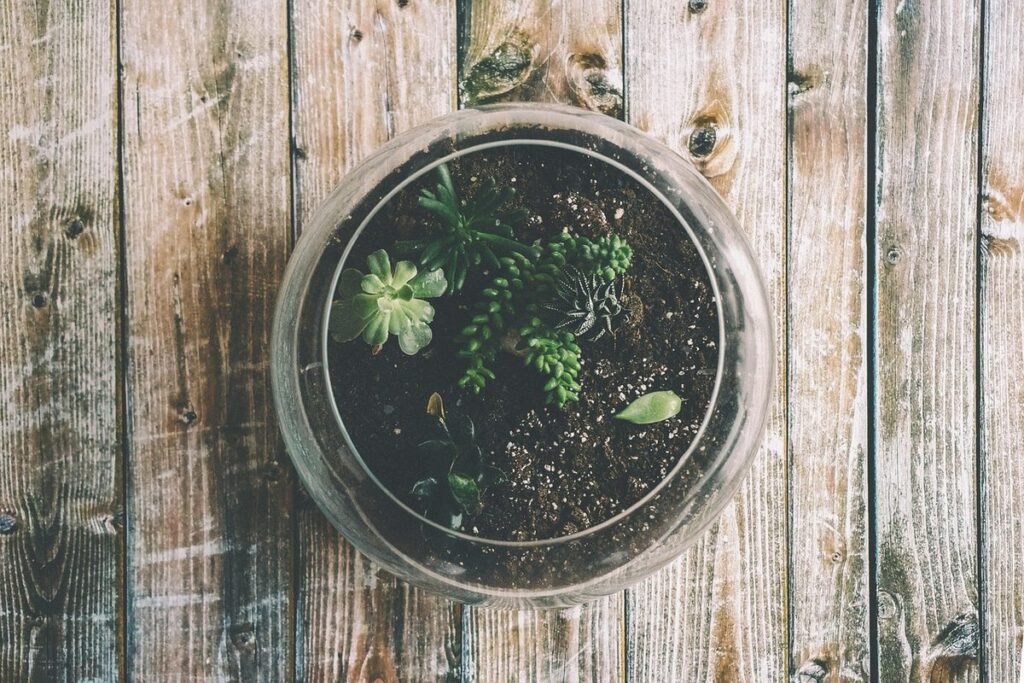
Choosing the Right Succulents for Your Terrarium
When selecting succulents for your terrarium, consider factors such as size, color palette, and light requirements to create a harmonious miniature ecosystem. This section will help you make an informed choice.
Selecting Low-Maintenance Succulent Species
When it comes to creating stunning succulent terrariums, selecting low-maintenance species is key. Among the many varieties available, some popular options for terrariums include Aloe Vera, Echeveria, and Crassula. These plants are perfect for busy individuals or those new to succulent care.
Aloe Vera is a great choice for its ability to thrive in low-light conditions and infrequent watering. Its gel-filled leaves can be used to soothe burns and skin irritations, making it a lovely addition to any home. Echeveria, on the other hand, comes in a variety of shapes and sizes, with delicate silver or blue-green leaves that add visual interest to your terrarium.
Crassula is another low-maintenance option, tolerating neglect and requiring minimal watering. Its small size makes it ideal for smaller terrariums, and its star-shaped flowers bloom in shades of pink and white. To ensure the success of your low-maintenance succulents, remember to water sparingly, provide indirect sunlight, and fertilize occasionally with a balanced, water-soluble fertilizer.
When selecting species, consider factors such as lighting conditions, temperature tolerance, and watering needs. This will help you choose plants that thrive in your terrarium’s specific environment. By choosing the right low-maintenance succulents and following proper care guidelines, you can create stunning and long-lasting displays of natural beauty.
Understanding Succulent Sizes and Shapes
When selecting succulents for your terrarium, it’s essential to consider their size, shape, and texture to create a harmonious and visually appealing display. A general rule of thumb is to choose succulents that have similar growth habits and mature sizes to ensure they don’t overcrowd the terrarium.
For example, if you’re using small succulents like Echeveria or Crassula, make sure to leave enough space between them for proper air circulation and growth. On the other hand, larger succulents like Aloe or Agave can be placed towards the back of the terrarium to create a layered effect.
Consider the shape of your succulents as well – rounded or spherical shapes work well in small spaces, while taller succulents like Senecio or Kalanchoe can add drama and visual interest. Think about the texture too – combining smooth-leaved succulents with fuzzy or thick-furred ones creates a visually engaging contrast.
Remember to leave some breathing room between plants to prevent moisture buildup and ensure healthy growth. A mix of succulent sizes, shapes, and textures will not only look stunning but also promote a balanced ecosystem within your terrarium.
Combinations of Succulents for Visual Interest
When combining different succulent species to create visually appealing arrangements, remember that the key is balance and harmony. Start by selecting a mix of plants with varying textures, shapes, and sizes. For instance, pair a small, rounded Aloe with a larger, trailing Echeveria or a chunky Crassula with a delicate Sedum.
Consider the color palette as well – choose succulents that complement each other in terms of hues and tones. For example, combine vibrant, bright-petaled Kalanchoes with soft, pastel-colored Gasterias. Don’t be afraid to experiment and mix high-contrast combinations for added visual interest.
Think about creating layers or heights within your arrangement by using plants with varying growth habits. Place trailing succulents like String of Pearls at the top, while anchoring larger specimens like Aloe or Euphorbia at the base. This will not only create a visually appealing arrangement but also add depth to your terrarium design.
Some popular combinations include pairing blue-tinged succulents with yellow or orange varieties for a pop of color, or matching soft pastels with deep greens.
Preparing the Terrarium Container
Before we start filling our terrarium with plants, let’s prepare a suitable container by cleaning and drying it thoroughly to create a healthy environment. This step is crucial for long-lasting success!
Selecting the Right Glass Container
When selecting a glass container for your succulent terrarium, there are several factors to consider. First and foremost, size matters. Choose a container that is large enough to hold the soil and plants comfortably, but not so big that it becomes unwieldy or difficult to maintain. A general rule of thumb is to select a container with a diameter that is 1-2 inches larger than the width of your largest plant.
In terms of shape, consider a container with straight sides or a slightly tapered top to prevent water from collecting and creating an environment for algae to thrive. Avoid containers with sharp angles or pointed edges, as they can make it difficult to access the plants for watering and maintenance.
Material is also an important consideration. Glass is an ideal choice because it allows you to monitor the moisture levels within the terrarium without breaking the seal. Additionally, glass is non-porous, which prevents the growth of bacteria and mold. When selecting a glass container, look for one that has a smooth finish and a secure lid to prevent accidental spills or messes.
Cleaning and Sterilizing the Container
Cleaning and sterilizing the terrarium container is an essential step before adding soil, sand, and succulents. This process not only removes dirt, grime, and bacteria but also prevents the spread of diseases that can harm your plants.
Before you start cleaning, make sure to wash your hands thoroughly with soap and water to prevent transferring any unwanted microorganisms to the container. Then, remove any labels or packaging materials from the container and discard them properly.
To clean the container, mix a solution of equal parts water and white vinegar in it. Dip a soft-bristled brush into the solution and gently scrub away any stubborn stains or residue. Rinse the container thoroughly with clean water, making sure to remove any remaining vinegar smell. For tougher stains or built-up grime, you can use a gentle glass cleaner, but be sure to wipe it down with a damp cloth afterward.
To sterilize the container, fill it with boiling water and let it sit for 10-15 minutes. This will help kill any bacteria, fungi, or other microorganisms that may be present. Once the water has cooled, use a clean towel to dry the container thoroughly. Now your terrarium container is ready for the next step – adding soil and sand!
Layering Soil and Sand in Your Terrarium
When layering soil and sand, it’s essential to follow a specific order to ensure proper drainage and prevent waterlogged terrariums. Let’s dive into the details of creating a harmonious blend.
Understanding the Role of Soil in Terrariums
When creating stunning succulent terrariums, it’s easy to overlook the importance of soil. However, understanding its role and selecting a suitable type is crucial for the health and longevity of your miniature garden. Soil provides essential nutrients and support for plant growth, helping to prevent over-watering by storing excess moisture.
To choose the right soil for your terrarium, look for a product specifically designed for tropical plants or indoor gardens. Avoid using regular potting soil as it can compact and cause waterlogging issues in the closed environment of a terrarium. Instead, opt for a well-draining mix that contains perlite or vermiculite to prevent root rot.
Some popular alternatives include coconut coir, peat moss, or sphagnum moss. These options are lightweight, retain moisture, and provide excellent aeration for roots. Consider blending different types of soil to create a custom mix that suits your succulent’s needs.
Preparing the Soil-Sand Mixture
When preparing the soil-sand mixture for your succulent terrarium, it’s essential to get the proportions right. A general rule of thumb is to mix 1 part of sand with 2-3 parts of soil. This ratio allows for optimal drainage and water retention, which are crucial for succulents’ survival.
To achieve this balance, you can start by scooping out a generous amount of soil into your mixing container. Next, add the right proportion of sand, making sure to mix it well with the soil. You can use a spoon or a small trowel to incorporate the sand evenly. Be careful not to over-mix, as this can compact the mixture and hinder drainage.
If you’re unsure about the ratio, you can test the mixture by squeezing a small amount between your fingers. If it crumbles easily, it’s likely too sandy. On the other hand, if it holds its shape but still feels slightly moist, it’s perfect for succulents.
Remember, the key is to achieve a balance that allows excess water to drain while retaining enough moisture for your plants to thrive.
Planting Succulents in Your Terrarium
When it comes to planting succulents, a terrarium is the perfect miniature garden. Let’s dive into the step-by-step process of creating a lush environment for your succulent plants to thrive in their new home.
Arranging Succulents for Aesthetics and Balance
When it comes to arranging succulents in your terrarium, aesthetics and balance are crucial for creating a visually stunning display. Start by selecting a variety of succulent shapes and sizes to add depth and texture to the arrangement. Group plants with similar growth habits together, such as rosettes or columnar plants, to create a cohesive look.
Balance is key when arranging succulents, so don’t overcrowd the terrarium. Leave about an inch between each plant to allow for air circulation and prevent overwatering. Experiment with different heights by placing taller plants towards the back and shorter ones in front. For example, you could place a tall Aloe Vera behind a row of smaller Echeveria rosettes.
Consider the visual weight of each succulent when arranging them. Place heavy-textured plants like thick-leaved agaves or cacti on the sides or back to create stability. Then, add lighter-textured plants like delicate air plants or creeping sedums in front to balance out the arrangement. Remember, there’s no right or wrong – it’s all about creating a visually appealing composition that resonates with you!
Watering and Caring for Your Terrarium
When it comes to watering and caring for your succulent terrarium, it’s essential to strike the right balance. Succulents are adapted to store water in their leaves, stems, or roots, so they can survive with minimal watering. However, overwatering is a common mistake that can lead to root rot and other issues.
To prevent overwatering, check your terrarium regularly for moisture levels. You should only need to water every 7-10 days during the spring and summer months when plants are actively growing. During the fall and winter, reduce watering to once a month or as needed.
When you do water, make sure to mist the leaves rather than pouring water directly on them. This will help prevent moisture from collecting in the terrarium and causing condensation issues. Additionally, use distilled water to avoid mineral buildup that can harm your plants.
Monitor your plants for signs of underwatering or overwatering, such as wrinkled or soft leaves, which may indicate a need to adjust your watering schedule. With proper care, your succulent terrarium will thrive and provide stunning beauty in any room.
Tips for Maintaining Your Succulent Terrarium
Now that you’ve created your stunning succulent terrarium, keep it thriving with these essential tips and tricks to ensure its continued health and beauty over time.
Monitoring Temperature and Humidity Levels
Monitoring temperature and humidity levels is crucial for maintaining a thriving terrarium. Succulents are sensitive to extreme temperatures, and most species prefer daytime temperatures between 65°F to 75°F (18°C to 24°C) and nighttime temperatures around 55°F to 65°F (13°C to 18°C). To ensure optimal temperature control, place your terrarium near an east- or west-facing window, which receives gentle morning and afternoon sunlight. Avoid direct sunlight, as it can cause overheating.
Maintaining the right humidity level is also vital for succulent health. A typical indoor environment tends to be dry, so you’ll need to increase moisture levels within the terrarium. You can achieve this by misting the plants with a water spray bottle 2-3 times a week or placing the terrarium on a tray filled with water and pebbles (making sure not to let the pot sit in water). This setup allows for evaporation, releasing moisture into the air. Keep an eye on your succulents; if you notice them dropping their leaves, it might be a sign that the humidity level is too low.
To monitor temperature and humidity levels effectively, use a digital thermometer or hygrometer specifically designed for indoor use. These tools are usually inexpensive and can provide accurate readings within minutes.
Pruning and Repotting Succulents
Pruning is an essential task for succulents in terrariums, as it promotes healthy growth and prevents them from becoming leggy. This should be done regularly, ideally every 4-6 weeks during the growing season. Cut back overgrown stems to encourage branching and a more balanced shape.
When pruning your succulents, remove any dead or damaged leaves, but avoid taking too much tissue at once. Start by cutting off the oldest leaves, working from the base of the plant upwards. This will also help prevent pests and diseases from spreading.
Repotting is necessary every 1-2 years to refresh the soil and provide a larger pot if needed. Choose a container with good drainage holes, as succulents are prone to root rot in waterlogged conditions. Select a well-draining potting mix specifically designed for cacti and succulents, and gently remove the plant from its old pot.
Transplant your succulent into the new pot, and then top-dress with fresh soil around the roots. Water sparingly until the plant has adjusted to its new environment.
Troubleshooting Common Issues with Succulent Terrariums
Don’t worry if things don’t go as planned right away, we’ve got you covered with solutions to common problems that can arise in your succulent terrarium. Let’s troubleshoot together!
Identifying Signs of Overwatering or Underwatering
When it comes to succulent terrariums, maintaining the perfect balance of moisture is crucial. However, it’s not uncommon for terrarium enthusiasts to experience either overwatering or underwatering issues. These conditions can be detrimental to your plants’ health and appearance.
Recognizing Overwatering
One common sign of overwatering in succulent terrariums is the presence of mold or mildew on the soil surface, walls, or even on the leaves themselves. Water droplets visible on the glass walls or condensation forming within the terrarium are also red flags.
If you suspect your terrarium is experiencing overwatering issues, carefully remove it from its location and inspect the soil. Check for waterlogged areas and soggy leaves – these can quickly lead to root rot and other problems. Prune any severely affected roots and repot your succulents in fresh, well-draining soil.
Recognizing Underwatering
Conversely, underwatering may manifest as crispy or yellow-edged leaves, a discolored stem, or an overall shriveled appearance. Check the moisture level of the soil by gently sticking a finger into it – if it’s dry to the touch, your plants are likely thirsty.
Increase watering frequency and be mindful not to overcompensate with too much water at once. Use a balanced fertilizer to give your succulents an extra boost during periods of rapid growth or when recovering from underwatering stress.
Dealing with Pests and Diseases
When it comes to creating stunning succulent terrariums with soil and sand, it’s essential to be aware of common pests and diseases that can affect these plants. Mealybugs, spider mites, and scale are some of the most common pests found in terrariums. To prevent infestations, ensure good air circulation within your terrarium by opening it regularly for a few hours. This will also help prevent fungal growth.
To treat pest infestations, use neem oil or insecticidal soap to gently spray the affected plants. You can also introduce beneficial insects like ladybugs or lacewings that prey on these pests. As for diseases, overwatering is often the culprit. Fungal infections such as root rot and leaf spot are common issues in terrariums.
To prevent fungal growth, make sure your terrarium has adequate drainage holes and maintain a balance between water and humidity levels. Regularly inspect your plants, and immediately remove any infected or infested leaves to prevent the spread of disease.
Conclusion: Enjoy Your Beautiful Succulent Terrarium
Now that you’ve created your stunning succulent terrarium, it’s time to enjoy the fruits of your labor and learn how to maintain its beauty for years to come. Let’s dive into what makes a perfect care routine.
Recap of Key Takeaways
As we conclude this journey of creating stunning succulent terrariums with soil and sand, let’s recap the key takeaways to ensure you’re equipped with the knowledge to create a thriving miniature world for your plants.
You now understand the importance of choosing the right materials, including high-quality soil and well-draining sand, to prevent root rot and waterlogged soil. We’ve discussed how to properly assemble the terrarium, from adding a layer of small rocks or pebbles at the bottom to creating a visually appealing arrangement of succulents.
Don’t forget that overwatering is a common mistake when working with terrariums. To avoid this, be mindful of your plants’ watering needs and ensure adequate air circulation within the container. Remember, it’s always better to err on the side of caution and underwater than to risk drowning your precious plants.
By applying these key takeaways, you’ll be well on your way to creating stunning succulent terrariums that bring joy and beauty to any space. With practice and patience, you can master the art of terrarium-making and enjoy the rewarding process of nurturing your miniature gardens.
Encouragement to Experiment and Have Fun
As you’ve reached the end of this comprehensive guide on creating stunning succulent terrariums with soil and sand, we hope you’re feeling confident and inspired to experiment with different combinations. Remember, the beauty of terrariums lies in their uniqueness, so don’t be afraid to try new things!
Feel free to mix and match various types of soil, like potting soil or a blend specifically designed for cacti and succulents, with different textures of sand, such as play sand or pool filter sand. You can also experiment with different succulent species, some of which thrive in high humidity while others love dry conditions.
For example, you could create a mini-forest using small trees like aloe or agave, surrounded by moss and lichen for added depth. Alternatively, go bold with brightly colored succulents like echeveria or crassula, paired with contrasting sand colors for visual interest.
The possibilities are endless, so have fun and get creative! Don’t worry if some combinations don’t work out as planned – it’s all part of the learning process. Take note of what works well together and what doesn’t, and use those insights to guide your next project. Happy experimenting!
Frequently Asked Questions
Can I use a different type of container for my succulent terrarium?
You can experiment with various shapes, sizes, and materials for your terrarium, but ensure it’s well-ventilated to prevent condensation buildup. Glass containers are recommended for their transparency and ease of maintenance.
How often should I water my succulent terrarium?
Watering frequency depends on the environment and plants used. As a general rule, water sparingly (about once a week) in low-light conditions and more frequently (every 3-4 days) in bright environments. Monitor your plants’ responses to adjust watering schedules accordingly.
What if I notice condensation or fog inside my terrarium?
This is normal during the initial setup phase. To prevent mold growth, ensure good air circulation by opening the lid slightly or using a well-ventilated container. If you suspect excessive moisture, check for overwatering and make adjustments to your watering schedule.
How do I handle pests or diseases in my succulent terrarium?
Regularly inspect your plants for signs of infestation or infection. Isolate affected areas to prevent spread, and treat with insecticidal soap or fungicides as necessary. Maintain good hygiene by cleaning tools and handling plants gently.
Can I use regular potting soil instead of a custom soil-sand mixture?
While it’s tempting to simplify the process, using regular potting soil may lead to overwatering and root rot in succulents. A custom mix with sand helps to improve drainage, ensuring your plants receive the right balance of moisture and air circulation.