
Creating an insects-reptile friendly garden is not just a niche hobby, but a vital step towards preserving biodiversity in our increasingly urbanized world. These tiny creatures may seem insignificant, but they play a crucial role in maintaining ecosystem balance and pollination. However, their habitats are rapidly disappearing due to human activities. By transforming your backyard into an insects-reptile haven, you’re not only contributing to conservation efforts but also creating a thriving garden ecosystem that’s teeming with life.
In this article, we’ll delve into the world of insects-reptile gardening and provide expert tips on how to create such a space. From selecting the right plants to creating habitats for these creatures, we’ll cover it all. We’ll also discuss essential safety considerations and how to ensure your garden is beneficial to both humans and wildlife alike. By the end of this guide, you’ll be equipped with the knowledge to turn your yard into an oasis that attracts a variety of insects and reptiles, promoting ecological harmony in your community.
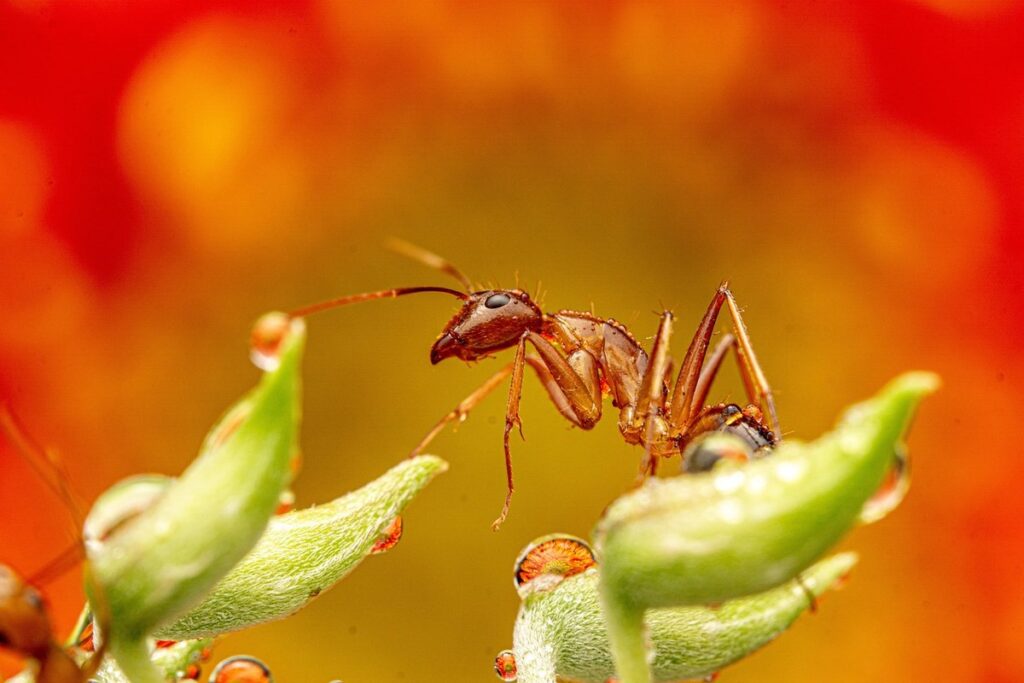
Understanding Your Options: Choosing Between Insects and Reptiles
As you plan your thriving insects and reptiles garden, you’ll need to decide which creatures to include – insects like butterflies and bees, or reptiles like snakes and lizards. This decision will significantly impact your garden’s design and functionality.
Benefits of an Insect-Focused Garden
When it comes to creating a thriving insects and reptiles garden, having an insect-focused section can bring numerous benefits. One of the most significant advantages is pollination. Insects like bees, butterflies, and hummingbirds are crucial for transferring pollen between plants, allowing them to reproduce. By incorporating a variety of flowering plants that attract these pollinators, you’ll be contributing to their well-being while also enhancing your garden’s fertility.
In addition to pollination, an insect-focused garden can also provide pest control. Many insects, such as ladybugs and lacewings, feed on pests that might otherwise damage your plants. By attracting these beneficial insects, you’ll reduce the need for pesticides and maintain a healthier ecosystem. Furthermore, an insect-focused garden offers educational opportunities. Children can learn about the life cycles of different insects, their habitats, and their importance in the food chain.
To create an attractive pollinator-friendly section, choose plants that bloom at different times to provide a constant source of nectar, such as coneflowers, black-eyed susans, and lavender.
Incorporating Reptiles into Your Garden Design
When incorporating reptiles into your garden design, it’s essential to consider their specific needs. A reptile-friendly garden should provide a suitable habitat for these creatures to thrive. This involves creating a microclimate with the right temperature range and humidity levels.
Temperature regulation is crucial for reptiles. Some species require basking areas that can reach temperatures of up to 100°F (38°C), while others need cooler spots to retreat to. To achieve this, you can use heat-emitting rocks or specialized lighting. For example, a bearded dragon requires a temperature gradient of 75-95°F (24-35°C) with a UVB light source.
Safety features are also vital in a reptile garden. Ensure that the enclosure is escape-proof and predator-free. A secure lid and robust construction can help prevent escapes, while using plants with non-toxic leaves and avoiding any hazards like sharp objects or toxic substances will keep your reptiles safe.
When designing your reptile-friendly zone, don’t forget to incorporate hiding places and visual barriers to provide them with a sense of security. This could be as simple as adding rocks, logs, or even a mini-greenhouse. By considering these factors, you can create a thriving environment that supports the health and well-being of both insects and reptiles in your garden.
Attracting Insects: Plants, Water Sources, and More
When it comes to creating a thriving insects and reptiles garden, attracting these fascinating creatures is crucial. Let’s explore how to incorporate plants, water sources, and other features that will draw them in naturally.
Choosing Insect-Friendly Plants
When choosing insect-friendly plants for your garden, it’s essential to select species that cater to the specific needs of various insects. Different types of insects have unique preferences when it comes to nectar-rich flowers, host plants, and sheltered areas.
For bees, consider plants with high nectar production like sunflowers, lavender, and coneflowers. These flowers will provide a constant source of energy for your busy bee friends. On the other hand, butterflies are drawn to milkweed, butterfly bush, and lantana, which serve as host plants for their caterpillars.
Ladybugs, also known as lady beetles, thrive on aphid-infested plants like roses and marigolds. These insects will not only pollinate your flowers but also help control pest populations. To create a diverse insect-friendly garden, aim to include at least 10 different plant species that cater to various insects’ needs.
When selecting plants, ensure they are native to your region and can thrive in your local climate. This will not only reduce maintenance costs but also attract more native insects. Remember to choose plants with varying bloom times to provide a constant nectar source throughout the growing season. By incorporating these tips into your garden design, you’ll create a thriving ecosystem that attracts an array of beneficial insects.
Creating a Pond or Wetland for Beneficial Insects
When it comes to creating a thriving insects and reptiles garden, incorporating a water feature is an excellent way to attract beneficial insects like dragonflies and damselflies. These magnificent creatures play a vital role in controlling mosquito populations and serve as a natural food source for other animals.
A pond or wetland specifically designed to attract these beneficial insects can be a beautiful addition to your garden. By providing a shallow area with slow-moving water, you’ll create an ideal habitat for dragonflies and damselflies to lay their eggs and raise their young. Make sure the water is at least 1-2 feet deep in some areas to accommodate the full life cycle of these insects.
To further enhance this attraction, consider incorporating native aquatic plants like cattails or water lilies into your design. These plants not only provide shelter and food for beneficial insects but also help maintain a balanced ecosystem.
Incorporating Reptiles into Your Garden Ecosystem
Let’s dive deeper into how to create a harmonious coexistence between reptiles and your garden, starting with incorporating them safely. This involves choosing the right species for your climate and space.
Selecting Appropriate Reptile Species
When selecting reptile species to incorporate into your garden ecosystem, it’s essential to choose ones that are well-suited for a thriving environment. Turtles, lizards, and snakes can all be excellent additions, but some species are more suitable than others.
For example, turtles like the Red-eared Slider or Box Turtle are ideal for gardens with ponds or water features. They help control algae growth and provide a food source for other animals. Lizards, such as anoles or skinks, prefer areas with abundant vegetation and basking sites. These species prey on insects, helping to maintain a balance in your ecosystem.
When selecting snakes, consider species like the Garter Snake or King Snake, which feed on pests that can harm plants, like slugs and rodents. When choosing reptile species, remember to research their specific needs and ensure they won’t compete with native wildlife for resources. Be sure to provide adequate shelter, food, and water sources for your chosen reptiles to thrive in harmony with the insects and other inhabitants of your garden ecosystem.
Creating Suitable Habitats for Reptiles
When incorporating reptiles into your garden ecosystem, it’s essential to provide them with suitable habitats that cater to their specific needs. Different species of reptiles have varying requirements for basking areas and hiding places, which are crucial for their survival.
Consider the temperature range that suits your reptile residents. For example, some lizards like bearded dragons and geckos require a temperature gradient between 75-90°F (24-32°C) with a basking spot reaching up to 95-100°F (35-38°C). You can achieve this by placing rocks or logs in a sunny spot, allowing your reptiles to regulate their body heat.
Hiding places are also vital for your reptile friends. Provide them with natural shelters like rock piles, woodpiles, or overhangs. These areas will allow them to retreat from the sun and predators, reducing stress and promoting a sense of security. You can also add artificial hiding spots like plastic houses or logs.
When creating these habitats, remember that reptiles have specific space requirements. Ensure you provide enough space for your reptile residents to move around comfortably, preventing overcrowding and stress.
Safety Considerations: Protecting Both Insects and Reptiles
When working with both insects and reptiles, safety should be your top priority to avoid any harm or stress to these fascinating creatures. Let’s explore essential guidelines for creating a safe environment.
Safe Interactions with Reptiles in Your Garden
When sharing your garden with reptiles, it’s essential to establish safe interactions to prevent both human and animal injuries. Before handling a reptile, observe its behavior from a distance to gauge its temperament. If the reptile appears calm or docile, move slowly towards it while speaking softly. Never sudden approach a reptile as this can cause stress and lead to biting.
When handling a reptile, support its body carefully and avoid holding it too tightly. Handle only those species that are known to be tame, such as bearded dragons or geckos. Avoid touching the eyes, ears, or mouth of a reptile, as these areas are sensitive.
If you’re unsure about how to handle a specific reptile, consult with an expert or research guidelines for safe interaction. Always wash your hands before and after handling a reptile, regardless of whether it appears clean. This is especially crucial if you plan on touching plants or flowers afterwards.
Preventing Damage to the Ecosystem
When creating an insects and reptiles garden, it’s essential to consider the delicate balance between these two fascinating groups. One of the primary concerns is preventing damage to the ecosystem from potential conflicts between them.
To mitigate this risk, you can separate habitats for each group by using physical barriers such as fencing or netting. For example, a screen enclosure around your reptile pond will keep them contained while allowing insects like dragonflies and damselflies to fly freely without posing a threat. This setup not only maintains the integrity of both ecosystems but also provides an enjoyable experience for you.
Another crucial aspect is safeguarding against external threats like predators or invasive species that could disrupt your carefully crafted ecosystem. Consider using natural deterrents, such as certain plants or essential oils, around the perimeter of your garden to ward off potential threats without harming beneficial insects and reptiles. This thoughtful approach will enable both groups to thrive in harmony with their surroundings.
Maintenance Tips for a Thriving Insects and Reptiles Garden
To keep your insects and reptiles garden thriving, you’ll need to master some essential maintenance tips, from cleaning habitats to monitoring temperature and humidity levels. Let’s dive into these crucial care practices.
Regular Tasks for Keeping Your Garden Healthy
A thriving insects and reptiles garden requires regular attention to maintain its health and balance. Pruning is one of the most essential tasks to ensure your plants remain healthy and pest-free. Remove dead or dying leaves, stems, and flowers to prevent the spread of disease and encourage new growth.
Fertilizing is another crucial task, as it provides essential nutrients for plant growth. Use a balanced fertilizer that’s specifically designed for insect-attracting plants, and apply it according to the manufacturer’s instructions. For example, if you’re growing plants like marigolds or zinnias, which are rich in nectar, use a fertilizer high in phosphorus to promote blooming.
Monitor the weather closely, as extreme temperatures can impact your garden’s delicate balance. Keep an eye on temperature fluctuations, and provide shade for sensitive plants during intense heatwaves. Additionally, inspect your garden regularly for signs of pests or diseases, taking action promptly if you notice any issues.
Addressing Common Issues in the Ecosystem
As you tend to your thriving insects and reptiles garden, it’s inevitable that issues may arise. Pest infestations, disease outbreaks, and other problems can quickly derail the delicate balance of your ecosystem. To address these common issues effectively, it’s essential to have a plan in place.
Pest infestations are one of the most significant concerns in any garden. These unwanted visitors can ravage plants, reproduce rapidly, and spread disease. Regularly inspect your plants for signs of pests like aphids, whiteflies, or spider mites. Use organic pest control methods whenever possible, such as introducing beneficial insects that prey on these pests.
Disease outbreaks are another critical issue to watch out for. Fungal diseases can cause powdery mildew or root rot in your plants. To prevent this, ensure good air circulation and avoid overwatering. If you notice any signs of disease, treat the affected areas immediately with a fungicide specifically designed for use on insects and reptiles.
When addressing common issues, remember to maintain a balanced approach. Don’t resort to chemical controls as a first line of defense. Instead, focus on creating an environment that fosters resilience in your plants and encourages beneficial organisms to thrive. With patience, persistence, and the right strategies, you can overcome even the most challenging problems in your insects and reptiles garden.
Additional Resources: Tips for Seasonal Care and Expansion
As you refine your insect and reptile garden, you’ll want to know how to adapt care routines and expand habitats to accommodate seasonal changes. This section shares expert advice on doing just that.
Seasonal Considerations for Both Insects and Reptiles
When it comes to creating a thriving insects and reptiles garden, seasonal considerations play a crucial role in maintaining a balanced ecosystem. As the seasons change, so do the needs of your insect and reptile residents. For instance, during the hot summer months, ensure that your reptilian friends have access to plenty of shade and hydration.
In contrast, during the colder winter months, insects like butterflies and ladybugs will require protection from harsh winds and freezing temperatures. Consider providing them with a warm and cozy shelter or insect house to hibernate in safely. For example, you can add some mulch or straw around their habitats to insulate them from the cold.
In the spring, make sure to clean out any debris that may have accumulated over the winter months, and replenish food sources for both insects and reptiles. As the seasons change, be prepared to adjust your garden’s layout and design to accommodate the shifting needs of your inhabitants. By doing so, you’ll create a thriving ecosystem that adapts to each season, ensuring the health and happiness of all its residents.
Expanding Your Garden Ecosystem with New Species
Expanding Your Garden Ecosystem with New Species is an exciting opportunity to create a more dynamic and diverse environment for your insects and reptiles. As your garden matures, it’s natural to wonder if introducing new species will upset the balance you’ve worked hard to achieve. The good news is that carefully selecting new additions can actually enhance the overall ecosystem.
When considering introducing new species, start by observing your existing inhabitants. What are their needs and preferences? Are there gaps in the food chain or habitat diversity that new species could fill? Research the specific requirements of each potential addition, including diet, temperature tolerance, and social behavior. Introduce new species gradually to avoid overwhelming the existing ecosystem.
For example, if you’re interested in introducing a new hummingbird species, choose one that feeds on nectar from plants already present in your garden. Similarly, consider adding native plant species that will attract beneficial insects or provide shelter for reptiles. This approach not only ensures harmony but also creates opportunities for observation and discovery, enriching your gardening experience.
Frequently Asked Questions
What are some essential steps to take immediately after creating my insects-reptile garden?
After setting up your garden, it’s crucial to monitor its progress closely. Regularly check for the presence of beneficial insects and reptiles by observing flowers, leaves, and the overall ecosystem. Take note of any challenges or issues that arise and make adjustments as needed. This will help you refine your garden design and ensure its optimal performance.
Can I combine both insect-friendly plants and reptile habitats in a single garden space?
Yes! Many insects and reptiles coexist peacefully in the same habitat, provided they have access to suitable shelter and food sources. Consider creating zones within your garden for different species, such as an area dedicated to pollinator-friendly plants and another with a pond or water feature for beneficial insects.
How do I balance my desire to attract a wide variety of insects with concerns about pest control?
By incorporating both insect-attracting plants and natural pest control methods, you can maintain a balanced ecosystem. For example, introduce ladybugs or lacewings to control aphid populations, while also planting marigolds or basil to repel pests naturally.
What precautions should I take when introducing new species to my garden?
Before adding new species to your garden, research their specific needs and potential interactions with existing inhabitants. Consult with experts or local wildlife organizations to ensure you’re making informed decisions about which species to introduce and how to integrate them safely into your ecosystem.
Are there any seasonal considerations for maintaining a thriving insects-reptiles garden?
Yes! Seasons can significantly impact the health and diversity of your garden’s ecosystems. For example, during winter months, consider providing shelter or protection for reptiles and beneficial insects. In warmer seasons, focus on replenishing water sources and pruning plants to maintain optimal growth conditions.