
Are you tired of having an ordinary backyard that lacks personality? Look no further than creating a stunning pea gravel garden! Not only is this versatile feature easy to install and maintain, but it also adds visual appeal to your outdoor space. With its soft texture and natural beauty, pea gravel can instantly elevate your landscape design.
In this article, we’ll take you through the entire process of planning, designing, and maintaining a breathtaking pea gravel garden that will make your neighbors jealous! From choosing the right type of gravel to tips on how to keep it looking its best all year round, our comprehensive guide has got you covered. Whether you’re a seasoned gardener or a DIY novice, our expert advice will help you create a beautiful and functional outdoor space that’s perfect for relaxation, entertainment, or simply enjoying nature’s beauty.
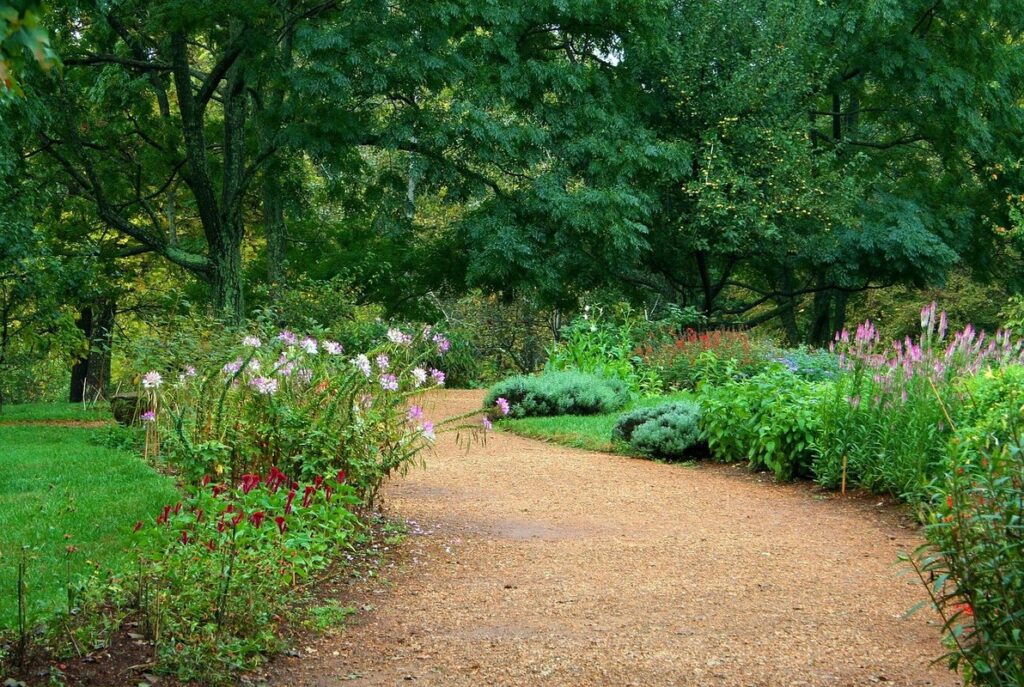
Planning Your Pea Gravel Garden
Now that you’ve decided on a pea gravel garden, it’s time to think about how to plan and lay out your beautiful new space successfully. Let’s dive into the key considerations for creating a stunning design.
Choosing the Right Location
When selecting a location for your pea gravel garden, it’s essential to consider several key factors. First and foremost, think about sunlight requirements. Pea gravel gardens need at least six hours of direct sunlight per day to thrive. If your yard receives partial shade, you can still create a beautiful pea gravel garden, but you may need to choose plants that are more tolerant of low light conditions.
Drainage is another critical consideration. Pea gravel is designed to drain water quickly, so it’s not ideal for areas with poor drainage or where water tends to collect. Avoid planting your pea gravel garden in low-lying areas or near slopes where water may run off and cause erosion.
Accessibility is also important. Make sure the location you choose is easily accessible from your home, so you can maintain your garden without too much effort. Consider a spot that’s close to a water source and has good visibility for viewing your beautiful pea gravel garden.
Preparing the Soil
Before you start planting your pea gravel garden, it’s essential to prepare the soil. This may seem like a straightforward task, but it can make all the difference in creating a stunning and thriving garden. Testing the pH level of your soil is crucial, as peas love well-draining, slightly acidic to neutral soil with a pH between 6.0 and 7.0.
If you’re not sure what your soil’s pH level is, consider getting it tested by your local nursery or gardening store. They can provide you with a kit or send the sample to a lab for analysis. Once you know your soil’s pH level, you can adjust it if necessary. Adding organic matter like compost or well-rotted manure can help improve drainage and fertility.
Remove any debris, weeds, or rocks from the area, as these can harbor pests and diseases that might harm your plants. Rake the soil to loosen it and create a smooth surface for planting. Don’t forget to water the area thoroughly before planting, especially if you’re using new soil amendments. By taking these simple steps, you’ll be creating a solid foundation for your pea gravel garden to flourish.
Selecting the Right Pea Gravel Type
When it comes to selecting the right pea gravel type for your garden, you have a wide range of options to consider. Pea gravel is available in various colors, sizes, and textures, each with its unique characteristics and uses.
Consider your garden’s aesthetic goals: do you want to create a calming ambiance or add some visual interest? Light-colored pea gravel can help reflect light and create the illusion of more space, while darker shades can create a dramatic effect. You may also choose from various texture options, such as smooth, rough, or even recycled glass pea gravel.
The size of the pea gravel is another crucial factor to consider. Small pea gravel (1/4 inch in diameter) is ideal for pathways and walkways, while larger sizes (3/8 inch or 1/2 inch) are better suited for decorative beds and water features. Think about how you plan to use the pea gravel and choose a size that suits your needs.
Ultimately, it’s essential to consider the durability and maintenance requirements of different pea gravel types. Some options may be more prone to washing away or staining than others, so choose wisely based on your garden’s specific conditions and upkeep plans.
Designing Your Pea Gravel Garden
Now that you’ve chosen your pea gravel, let’s dive into designing a beautiful and functional space by planning pathways, borders, and plant placement.
Creating a Focal Point
When it comes to creating a stunning pea gravel garden, a focal point can make all the difference. A well-designed focal point draws the eye and adds visual interest to the space, making it more engaging and beautiful. To create a visually appealing focal point in your pea gravel garden, start by considering what you want to draw attention to.
One way to do this is by incorporating a statement piece of art or sculpture into your design. This could be a large-scale metal sculpture or a vibrant mosaic mural that reflects the colors and themes of your garden. For example, a striking bronze statue of a deer or a beautiful glass mural depicting nature scenes can add depth and personality to your space.
Another option is adding a unique water feature, such as a small pond or fountain, which not only provides soothing sounds but also creates movement and visual interest. You could also incorporate a dramatic light installation, like string lights or lanterns, to create a warm ambiance in the evening hours.
By incorporating one of these statement pieces, you’ll add an extra layer of beauty and personality to your pea gravel garden, making it truly unforgettable. Remember to balance your focal point with other design elements to avoid overwhelming the space.
Incorporating Plants and Greenery
Incorporating plants into your pea gravel garden not only adds visual appeal but also provides numerous benefits. For one, it helps to create a sense of serenity and calmness, making it an ideal spot for relaxation. Plants also help to purify the air by removing pollutants and toxins, improving overall air quality.
When selecting plants for your pea gravel garden, consider those that are low-maintenance and can thrive in these conditions. Succulents like aloe vera and agave are excellent choices, as they require minimal watering and care. Other options include sedum, creeping juniper, and thyme, which are all drought-tolerant and perfect for areas with poor soil quality.
Remember to choose plants that fit your climate and region’s growing conditions. For example, if you live in a hot desert climate, opt for plants like echeveria or crassula, which can handle intense sunlight and heat. In colder climates, consider plants like coneflower or black-eyed Susan, which are more resilient to frost and freezing temperatures.
To ensure your plants receive the right amount of water, group them according to their watering needs. Water thoroughly once a week during hot summer months and reduce frequency in cooler seasons. This will help prevent overwatering and root rot, common issues in pea gravel gardens.
Adding Decorative Elements
When it comes to adding decorative elements to your pea gravel garden, the possibilities are endless. Lighting is an excellent place to start, as it can greatly enhance the ambiance of your outdoor space. Solar-powered lights are a great option for pea gravel gardens, as they’re energy-efficient and easy to install. You can place them among the gravel or along the edges of your garden beds to create a warm and inviting glow.
Consider adding sculptures or statues to give your garden visual interest. Choose pieces that complement the natural beauty of your pea gravel surroundings, such as a stone statue or a metal sculpture with a weathered finish. Benches are another great addition, providing a cozy spot for relaxation and contemplation. Look for benches made from durable materials like recycled plastic or sustainably sourced wood.
Remember to balance your decorative elements with the natural beauty of your pea gravel garden. Avoid over-accessorizing, as this can make your space feel cluttered and overwhelming. By incorporating a few carefully chosen decorative elements, you can create a stunning and inviting outdoor oasis that reflects your personal style.
Maintenance and Care for Your Pea Gravel Garden
To keep your pea gravel garden looking its best, regular maintenance is crucial to prevent erosion and ensure it remains a beautiful and low-maintenance oasis in your outdoor space.
Watering and Mulching Strategies
When it comes to maintaining a beautiful pea gravel garden, proper watering and mulching techniques are crucial. Watering is often the most critical aspect of caring for your garden, as overwatering can lead to washout and erosion.
To prevent these issues, make sure to water your pea gravel garden deeply but infrequently. This allows the soil beneath the gravel to absorb moisture, reducing the likelihood of water pooling on top. Aim to water every 2-3 days during hot summer months or when plants are actively growing. Monitor the soil’s moisture levels by inserting a finger into the soil up to the first knuckle; if it feels dry, it’s time for another watering.
Mulching is also essential in maintaining a healthy pea gravel garden. Mulch helps retain moisture, suppress weeds, and regulate soil temperature. Choose organic mulch options like bark chips or wood shavings, which are free of chemicals and will break down over time, enriching the soil. Apply 2-3 inches of mulch around plants, keeping it a few inches away from stems to prevent rot.
Weed Control and Prevention
When it comes to maintaining a stunning pea gravel garden, one of the biggest challenges you’ll face is weed control. Weeds can quickly spread through your garden, stealing water and nutrients from your plants and altering the overall aesthetic. There are several common weeds that can invade pea gravel gardens, including crabgrass, dandelions, and clover.
To prevent these weeds from taking over, consider using landscaping fabric as a barrier between your soil and pea gravel. This will help to suppress weed growth by blocking light and preventing seed germination. You can also apply pre-emergent herbicides in early spring or fall to stop weeds from growing before they even begin. Some examples of effective pre-emergent herbicides include products containing pendimethalin, dithiopyr, or trifluralin.
By taking proactive steps to prevent weed growth, you’ll be able to enjoy your stunning pea gravel garden without the hassle and expense of constant maintenance. Remember to also keep an eye out for weeds that can spread through seed dispersal, such as clover, and remove them regularly to keep your garden looking its best.
Seasonal Upgrades and Improvements
As the seasons change, it’s essential to upgrade and improve your pea gravel garden to keep it looking its best. In the spring, consider adding a layer of fresh compost to revitalize the soil and promote healthy plant growth. This is also an excellent time to prune or divide overgrown plants, making room for new additions. For example, you can add a mix of colorful annuals like petunias or marigolds to complement your existing perennials.
In the summer months, focus on maintaining even moisture levels and ensuring proper drainage. Regularly inspect your gravel paths and replenish any missing material to prevent erosion. If needed, regrade the garden beds to maintain their original slope and drainage pattern. To add visual interest, incorporate seasonal decorations like solar-powered lanterns or a decorative water feature.
In the fall, prepare for winter by applying a layer of mulch or straw to protect the soil from freezing temperatures and retain moisture. This is also an excellent time to divide and replant perennials, as well as prune trees and shrubs to maintain their shape and promote healthy growth.
Frequently Asked Questions
Can I use pea gravel in areas with high foot traffic, or will it get displaced easily?
Yes, pea gravel is a popular choice for high-traffic areas because it’s durable and less likely to shift underfoot. However, it’s essential to compact the gravel properly after installation and consider using a weed barrier fabric to prevent weeds from growing up through the gravel.
How often should I rake my pea gravel garden to maintain its appearance?
You should aim to rake your pea gravel garden at least once a month, or more frequently if you notice debris accumulating. This will help keep the area looking tidy and prevent weeds from taking hold. Use a soft-bristled broom or a leaf rake to gently disturb the gravel without damaging any plants.
Can I mix different types of gravel in my pea gravel garden for added visual interest?
Yes, mixing different colors and textures of gravel can create a unique and visually appealing design. However, be sure to choose gravel that complements each other in terms of size and color, and consider factors like drainage and maintenance when selecting your materials.
How do I prevent weeds from growing up through my pea gravel garden, especially in areas with poor drainage?
To prevent weeds from growing in your pea gravel garden, use a weed barrier fabric or landscape membrane to line the area. This will prevent seeds from germinating and make it easier to maintain your space. You can also apply mulch or a layer of decorative stone around plants to suppress weeds.
Can I install a pea gravel garden over existing lawn or paving, or do I need to start from scratch?
You can install a pea gravel garden over existing lawn or paving, but you’ll need to prepare the surface properly first. Clear away any debris, level the area, and lay down a weed barrier fabric before adding the gravel. This will help ensure a stable and even surface for your new design.