
Are you looking to add a pop of color and vibrancy to your outdoor space? A well-placed forsythia hedge can be just the thing. Not only do these gorgeous plants bloom beautiful yellow flowers in early spring, but they’re also relatively low-maintenance and adaptable to many different climates. However, growing a thriving forsythia hedge requires some planning and care. In this article, we’ll walk you through everything you need to know to choose the right type of forsythia, plant it successfully, prune it at the right times, and maintain its beauty throughout the seasons. We’ll also share expert advice on design ideas and tips for ensuring your hedge thrives in your specific climate. Whether you’re a seasoned gardener or just starting out, this guide will help you grow a stunning forsythia hedge that brings joy to your home all year round.
Choosing the Right Variety
When selecting a forsythia variety for your hedge, consider factors such as bloom time, plant size, and color to create a cohesive look that suits your garden’s style.
Understanding Forsythia Types
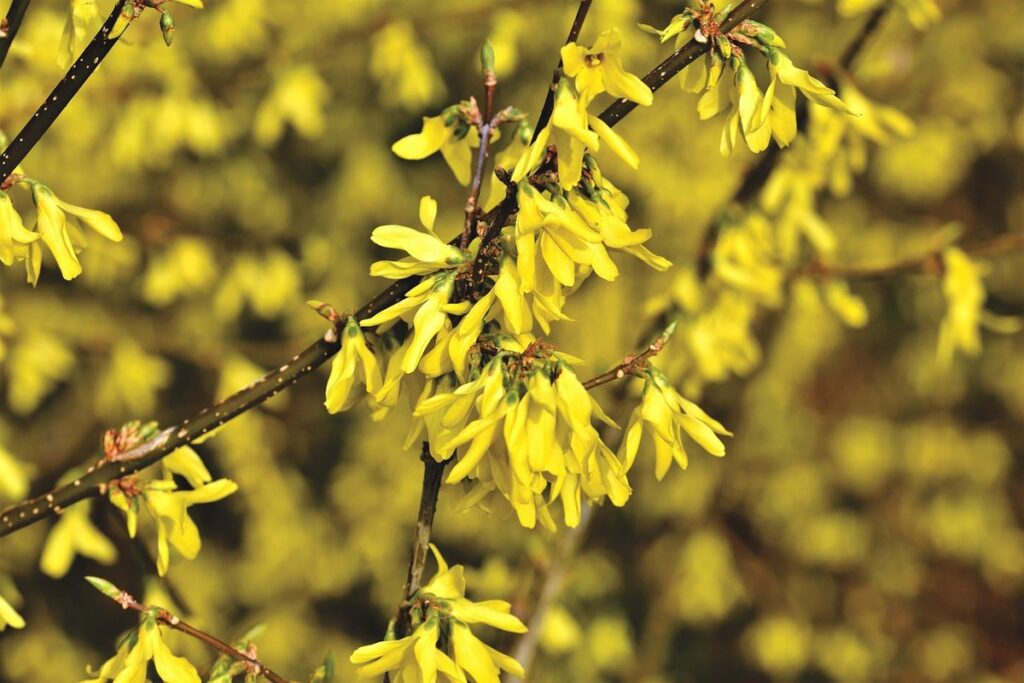
When selecting a forsythia variety for your hedge, it’s essential to consider the different types and their characteristics. One popular option is the Golden Bell Forsythia (Forsythia x intermedia ‘Golden Bell’), which boasts bright yellow flowers that bloom earlier than other varieties, often around late winter to early spring. On the other hand, Spring Magic Forsythia (Forsythia x intermedia ‘Spring Magic’) offers a more compact growth habit and a longer flowering period.
Other notable types include the Nana Forsythia (Forsythia x intermedia ‘Nana’), which has a dwarf growth habit and is perfect for smaller spaces. Meanwhile, the Arnolds Promise Forsythia (Forsythia x intermedia ‘Arnold’s Promise’) features vibrant yellow flowers that bloom in late winter to early spring.
Before choosing a variety, consider your climate and hardiness zone. Most forsythias thrive in USDA zones 5-8, but some varieties like the Golden Bell can tolerate cooler temperatures down to zone 4. Ensure you choose a type that suits your local conditions to guarantee optimal growth and flowering.
Selecting the Best Variety for Your Climate
When selecting a forsythia variety for your stunning hedge, it’s essential to consider your local climate and soil conditions. This will ensure that your chosen variety thrives and blooms vibrantly year after year.
To determine the best variety for your area, start by checking the plant hardiness zone map for your region. Forsythias generally prefer zones 4-8, but some varieties can tolerate warmer or cooler temperatures. For example, ‘Goldrausch’ is a good choice for USDA zones 3-7, while ‘Meadowlark’ performs well in zones 5-9.
Next, consider the soil conditions in your garden. Forsythias prefer well-draining soil with a pH between 6.0 and 7.0. If you have heavy clay or alkaline soils, look for varieties that are more tolerant of these conditions, such as ‘Spring Glory’ or ‘Sunrise’. Be sure to check the specific growing requirements for each variety to ensure it will flourish in your garden.
By choosing a forsythia variety that suits your climate and soil conditions, you’ll be well on your way to creating a stunning hedge that brings joy and beauty to your outdoor space.
Planting and Caring for Your Forsythia Hedge
To ensure your forsythia hedge grows strong and healthy, it’s essential to understand the basics of planting and caring for these beautiful flowering shrubs. Let’s dive into the details!
Preparing the Soil and Site
When planting a forsythia hedge, it’s essential to consider the site selection, soil preparation, and drainage. A well-chosen location can significantly impact the health and appearance of your hedge.
Firstly, ensure that your chosen spot receives full sun to partial shade, as forsythias thrive in these conditions. Also, keep in mind that they prefer well-drained soil, which means avoiding low-lying areas where water may collect. A site with a slight slope is ideal, allowing excess water to drain freely.
To prepare the soil, test its pH level and amend it if necessary. Forsythias perform best in slightly acidic to neutral soil (pH 6.0-7.0). Add organic matter like compost or well-rotted manure to improve soil structure and fertility. Remove any debris, weeds, or existing vegetation from the area to prevent competition for nutrients.
Proper drainage is also crucial. Check if your site has a natural slope or install a French drain system if necessary. This will ensure that excess water doesn’t accumulate around the roots, reducing the risk of root rot and other diseases. By selecting an optimal location and preparing the soil accordingly, you’ll set your forsythia hedge up for success.
Planting Techniques and Spacing
When planting forsythia shrubs, it’s essential to get it right from the start to create a stunning and natural-looking hedge. A well-placed hedge not only adds beauty to your outdoor space but also provides effective screening and privacy.
To begin with, spacing is crucial in creating a visually appealing hedge. The general rule of thumb for planting forsythia shrubs is to leave about 3-5 feet between each plant. This will allow for proper air circulation and growth as the plants mature. However, if you’re looking to create a more dense hedge, you can plant them as close as 2-3 feet apart.
It’s also worth considering the natural growth habit of forsythia shrubs when planting. These plants tend to grow in a somewhat irregular shape, so it’s best to stagger their placement slightly to create a more organic look. To do this, simply alternate the direction of each plant as you go along, working your way across the area.
By following these simple tips and spacing recommendations, you’ll be well on your way to creating a beautiful forsythia hedge that will add charm and character to your outdoor space.
Pruning and Maintenance
Regular pruning is crucial for maintaining a healthy, vibrant forsythia hedge that thrives all season long. We’ll walk you through essential maintenance tasks to keep your hedge looking its best.
Understanding Forsythia Pruning Needs
Pruning is an essential part of maintaining a stunning forsythia hedge. Not only does it help to keep the shape and size under control, but it also promotes healthy growth and extends the flowering period. When grown as a hedge, forsythia plants can become quite unruly if left unpruned.
By pruning your forsythia regularly, you’ll be encouraging new growth, which in turn will lead to more vibrant flowers and a fuller appearance. Regular maintenance also helps to remove any dead or damaged branches that can spread disease and cause the plant to become weakened. This not only ensures the overall health of the hedge but also maintains its shape and density.
In terms of timing, it’s best to prune your forsythia in late winter or early spring, after the blooming period has finished. Cut back any dead or damaged branches first, then reduce the size of the remaining stems by about one-third to promote new growth. This will also give you a good chance to assess any areas that need more attention before the next growing season begins.
Tips for Pruning Your Forsythia Hedge
When it comes to pruning your forsythia hedge, timing is everything. Pruning at the right moment can ensure that your hedge looks its best and continues to thrive throughout the growing season. Here are some specific guidelines to follow:
In the spring, after blooming, it’s essential to prune your forsythia hedge. This is typically around late March or early April, depending on your location. Cut back any dead or damaged branches, as well as any stems that have finished blooming. This will help maintain the shape of your hedge and encourage new growth.
For maintenance pruning in the summer, focus on removing any stray or overgrown branches. You can also trim back about one-third to one-half of the new growth to keep the hedge looking neat and tidy.
In the fall, it’s best to prune your forsythia hedge lightly, as this will help protect it from winter damage. Simply remove any dead or damaged branches, and trim back any stems that are starting to get too long.
Some key things to remember when pruning your forsythia hedge include:
* Always use sharp, clean tools to prevent spreading disease
* Make clean cuts just above a bud or a leaf node
* Don’t over-prune, as this can stress the plant and lead to disease
By following these tips, you’ll be able to keep your forsythia hedge looking its best throughout the year.
Troubleshooting Common Issues
Don’t worry, we’ve all been there – your forsythia hedge looks great one day and then suddenly starts to struggle. Let’s tackle some common issues you might encounter.
Dealing with Disease and Pests
One of the most common challenges you may face when growing a forsythia hedge is dealing with disease and pests. As a beautiful and low-maintenance option, forsythias are still susceptible to certain issues that can compromise their health and appearance.
Powdery mildew is a fungal disease that causes white powder to form on the leaves of your forsythia plants. To prevent this, ensure good air circulation around your hedge by pruning nearby plants or removing any debris. Regularly inspect your plants for signs of powdery mildew and treat with fungicides if necessary.
Aphids and spider mites are common pests that can harm your forsythias. These tiny insects feed on the sap of your plants, causing curled leaves and stunted growth. To control aphid populations, use neem oil or insecticidal soap to repel them. Spider mite infestations require a combination of physical removal using a strong jet of water and targeted chemical treatment.
Monitor your hedge regularly for signs of disease or pest issues, and take action quickly to prevent them from spreading.
Addressing Growth Problems and Root Damage
When it comes to creating a stunning forsythia hedge, growth problems and root damage can be major setbacks. Fortunately, there are solutions to these issues that will get your hedge back on track.
If you notice that your forsythia hedge is struggling with slow growth or sparse foliage, check the soil conditions first. Forsythia prefers well-draining soil that’s rich in organic matter. If the soil is heavy clay or prone to waterlogging, consider amending it with compost or perlite to improve drainage.
For root damage, inspect your plant carefully for signs of physical stress such as cracks or splits in the stem. Gently prune affected areas and repot the hedge if necessary. Regular fertilization can also help stimulate new growth and promote healthy root development.
To prevent future problems, monitor your hedge’s water intake closely during hot summer months when forsythia is most susceptible to drought stress. Water at least once a week, or more often in extremely dry conditions. This will ensure that the roots stay hydrated and the plant continues to thrive.
Design Ideas and Tips
Now that you’ve planted your forsythia hedge, let’s dive into some creative ways to shape and design it to make a stunning statement in your garden.
Creating a Stunning Border or Hedge
When it comes to incorporating forsythia hedges into your garden’s overall layout, one of the most important design elements is creating a stunning border or hedge. To achieve this, consider adding some evergreen plants like boxwood, topiary, or English lavender around the perimeter of your forsythia hedge. This will not only add depth and texture but also provide year-round interest.
You can also create a natural-looking border by using a combination of plants with different growth habits. For example, you can plant taller shrubs like forsythia at the back, followed by mid-height shrubs like roses or hydrangeas in front, and finish with groundcover like creeping thyme or vinca minor at the bottom.
Keep in mind that when creating a border or hedge, it’s essential to consider the mature size of your plants. Make sure to plant them close enough so they’ll eventually grow together seamlessly. A general rule of thumb is to plant 12-18 inches apart for compact varieties and 2-3 feet apart for larger ones.
By following these design ideas and tips, you can create a stunning border or hedge that not only adds beauty but also provides structure and cohesion to your garden’s overall layout.
Combining with Other Plants
Combining forsythia with other plants can add depth and visual interest to your hedge. Consider pairing it with perennials like daylilies, coneflowers, or black-eyed Susans that bloom at different times to create a dynamic display of color throughout the growing season. For example, plant forsythia on either side of a walkway, then add low-maintenance groundcovers like creeping thyme or vinca minor beneath them.
If you prefer a more structured look, combine forsythia with shrubs like boxwood, lavender, or rosemary that have different textures and growth habits. For instance, plant forsythia as a backdrop to a bed of lavender, which will create a striking contrast between the bright yellow flowers and the silvery foliage.
When combining forsythia with trees, choose species that complement its flowering period, like oak or maple, which provide shade and structure to the landscape. This combination works well in a formal setting, as the forsythia can be pruned to create a clean line along the foundation of the tree.
Seasonal Interest and Care Tips
Now that you’ve planted your forsythia hedge, learn how to keep it thriving all year round by following these seasonal interest and care tips. With a little attention, your hedge will bloom beautifully season after season.
Winter Care and Protection
To keep your forsythia hedge thriving throughout winter, it’s essential to protect it from harsh conditions. One of the most critical tasks during this time is pruning. Prune your forsythia hedge immediately after blooming, removing any dead or damaged branches to prevent disease and promote healthy growth.
Mulching around the base of your hedge also plays a vital role in protecting it from extreme cold temperatures and drying winds. Use a thick layer (about 3-4 inches) of organic mulch like wood chips or bark, keeping it a few inches away from the plant’s stem to prevent moisture accumulation.
During winter, water your forsythia hedge sparingly as excessive moisture can lead to root rot. Also, avoid fertilizing your hedge during this time, as most nutrients won’t be readily available for uptake until spring.
By following these simple steps and taking proactive measures, you’ll ensure that your stunning forsythia hedge remains healthy and vibrant even through the coldest winter months. Regular pruning and mulching will also help maintain its shape and promote new growth come springtime.
Spring and Summer Care
As we enter the growing season, it’s essential to keep your forsythia hedge healthy and thriving. During spring and summer, you’ll want to focus on maintaining its vigor, promoting new growth, and keeping pests and diseases at bay.
In early spring, remove any dead or damaged branches from your hedge to make way for new growth. Prune back the tips of mature branches to encourage bushy growth and prevent legginess. This will also help promote even flowering. As the weather warms up, water your hedge regularly, especially during dry spells, to ensure it receives about 1-2 inches of water per week.
During the heat of summer, keep an eye out for pests like aphids and spider mites, which can cause damage and discoloration. Use organic insecticidal soap or neem oil to control infestations. Regularly inspect your hedge for signs of disease like powdery mildew or root rot, and take prompt action if you notice any issues.
Remember to mulch around the base of your hedge to retain moisture and suppress weeds. By following these simple care tips, you’ll be able to enjoy your stunning forsythia hedge in all its glory throughout the growing season.
Frequently Asked Questions
How do I determine the best forsythia variety for my specific climate?
When selecting a forsythia hedge, it’s essential to choose a variety that thrives in your local climate. Research the average temperature and precipitation levels in your area and look for forsythia varieties that are known to perform well under similar conditions. Consult with local nurseries or gardening experts to get recommendations tailored to your specific region.
Can I plant multiple types of forsythia together, or should they be separated?
While it’s technically possible to plant different forsythia varieties near each other, doing so can lead to uneven blooming and a less cohesive look. To achieve the best results, choose one or two dominant varieties that complement your garden style and plant them as a single hedge.
How often do I need to water my new forsythia hedge, especially during hot summers?
A newly planted forsythia hedge requires regular watering, especially during its first growing season. Aim to provide about 1-2 inches of water per week, either through rainfall or irrigation. Be cautious not to overwater, as this can lead to root rot and other issues.
How do I know when my forsythia hedge needs pruning, and what are the key tips for effective pruning?
Prune your forsythia hedge immediately after blooming, usually in late spring. Remove any dead or damaged branches, and trim back overgrown sections to maintain shape and promote healthy growth. Be sure to cut at a 45-degree angle just above a bud to encourage new shoots.
Can I use chemical fertilizers on my forsythia hedge, or are there safer alternatives?
While chemical fertilizers can provide quick results, they can also harm your plants in the long run. Opt for organic alternatives like compost or manure tea instead, which promote healthy soil microbiology and don’t pose a risk to the environment. Apply these at the recommended rates according to package instructions.