
If you’re looking for a way to maximize your small outdoor space and grow an abundance of fresh produce, consider creating a raised bed potager garden. This type of garden is perfect for those who want to enjoy a wide variety of fruits, vegetables, and herbs in a compact and visually appealing manner. But designing and maintaining a thriving potager garden can be overwhelming, especially if you’re new to gardening.
That’s why we’ve put together this comprehensive guide to help you get started with your raised bed potager garden. In the following article, we’ll cover the essential steps for designing the perfect layout, preparing the soil, planting and harvesting techniques, and more. By the end of this guide, you’ll be equipped with the knowledge and confidence to create a beautiful and productive raised bed potager garden that will provide you with fresh produce all season long.
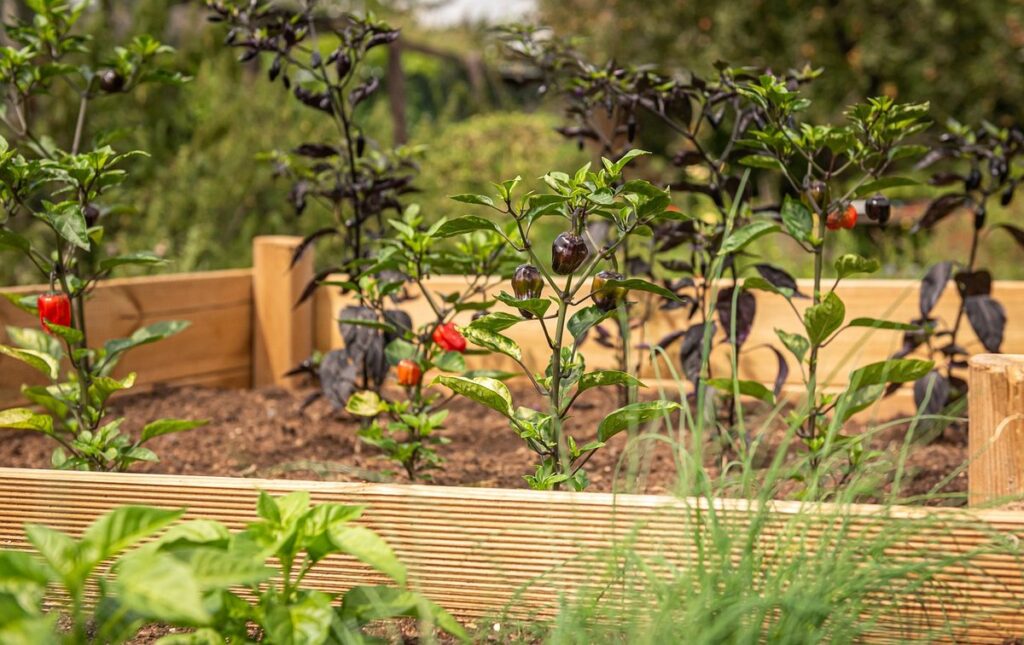
What is a Potager Garden?
A potager garden is a charming and practical type of garden that originated in Europe, where growers cultivate a variety of fruits, herbs, and vegetables together in one space. Let’s explore its history and core principles.
History and Origin of the Term “Potager”
The concept of a potager garden dates back to medieval Europe, particularly in France. The term “potager” originates from the French word for kitchen garden, indicating its primary purpose: growing fresh produce for cooking and consumption. In the 16th century, French aristocrats created elaborate potagers as an extension of their grand estates.
A key characteristic of these historical potagers is their focus on edible landscaping. Vegetables, fruits, and herbs were carefully arranged to create a visually appealing landscape that also served as a source of fresh produce. This approach not only showcased the gardener’s creativity but also provided a sustainable way to feed households during times when food was scarce.
In modern gardening, the potager concept has experienced a resurgence in popularity due to its emphasis on self-sufficiency and locally grown produce. By incorporating raised beds into your garden design, you can create a functional and beautiful potager that supplies your kitchen with fresh ingredients while adding visual appeal to your outdoor space.
Key Characteristics of a Traditional Potager
A traditional potager garden is a beautiful and functional space that showcases a thoughtful blend of aesthetics and culinary delights. One of the defining features of a traditional potager is its layout, which typically includes separate areas for different types of plants, such as herbs, vegetables, fruits, and flowers. This organized structure allows for easy access to individual plants and enables gardeners to tend to each section without disturbing others.
The design principles of a traditional potager often incorporate elements of beauty and functionality. For example, trellises or arbors may be used to support climbing plants like peas or roses, while ornamental borders add visual interest and create a sense of separation between different areas. Consider using raised beds or containers within the potager to further define each section and make maintenance easier.
Common plants found in a traditional potager include herbs like rosemary, thyme, and lavender; fruits such as strawberries, raspberries, and apples; and vegetables like lettuce, tomatoes, and carrots. When selecting plants for your own raised bed potager, choose varieties that are suitable for your climate and available space.
Designing Your Raised Bed Potager
Now that you’ve chosen your site and layout, let’s dive into designing a beautiful raised bed potager that reflects your personal style. This section will walk you through planning for visual harmony and functionality.
Choosing the Right Location for Your Potager
When it comes to creating a thriving raised bed potager garden, choosing the right location is crucial. This decision will impact not only the yield of your harvest but also the overall maintenance and enjoyment of your garden.
First and foremost, consider the amount of sunlight your chosen location receives. Most vegetables and herbs require at least 6 hours of direct sunlight per day to grow optimally. Make sure to assess the sunlight pattern in your yard, taking note of any trees or buildings that may cast shadows during different times of the day.
Next, take into account the type of soil you have on hand. Raised bed potager gardens can thrive in a variety of soil conditions, but some plants prefer well-draining soil while others require more moisture-retentive environments. Be sure to test your soil type and pH level before making your final decision.
Accessibility is also an important consideration when selecting the perfect location for your raised bed potager. Ensure that the area is easily accessible from a water source and has sufficient space for you to move around comfortably, even with a wheelbarrow or other gardening tools in tow.
Some gardeners choose to place their raised beds near a kitchen door or other high-traffic area to make harvesting and maintenance more convenient. Others prefer to locate them in a secluded spot where they can escape the hustle and bustle of daily life. Ultimately, the right location will depend on your unique needs and preferences.
Selecting the Perfect Raised Beds for Your Potager
When selecting raised beds for your potager, you have several materials to choose from, each with its own set of benefits and drawbacks. Wood is a popular option due to its affordability and ease of use, but it requires regular maintenance to prevent rotting and insect damage.
Stone or brick raised beds offer greater durability and can add an elegant touch to your garden, but they’re often more expensive than wood options. Composite materials are another alternative, made from a combination of wood fibers and plastic, offering low-maintenance properties and resistance to rot and pests.
To choose the right size for your space, consider the mature height and spread of your plants as well as the accessibility you need. A minimum depth of 12 inches is recommended to allow for root growth, but deeper beds can provide better yields and make maintenance easier.
Ultimately, selecting the perfect raised bed involves weighing these factors against your budget, available time, and desired aesthetic. By considering your specific needs and constraints, you’ll be able to create a functional and beautiful potager that meets your expectations.
Plant Selection and Layout for a Productive Potager
When designing your potager, choosing the right combination of plants and laying them out thoughtfully is crucial to maximize productivity and minimize maintenance. In this section, we’ll explore key considerations for selecting and arranging crops in harmony with one another.
Choosing Edible Flowers, Herbs, and Vegetables for Your Potager
When choosing edible flowers, herbs, and vegetables for your potager garden, it’s essential to select a diverse range of plants that will thrive together. Begin by considering the space constraints of your raised bed and plan accordingly. For example, if you have limited space, focus on compact or dwarf varieties of plants like ‘Thompson’s methyl rose’ cherry tomatoes or ‘Bush Blue Lake’ beans.
In terms of herbs, potager gardens often feature a mix of annuals and perennials. Choose from classics like basil, mint, and parsley, as well as more unusual options such as chervil, chamomile, and lemon balm. Edible flowers add color and fragrance to your garden while providing a delicious garnish for salads or desserts. Popular choices include violas, pansies, and roses.
When selecting vegetables, prioritize varieties that are specifically bred for container growing or compact spaces. Consider the growth habits of plants like lettuce, spinach, and herbs like cilantro and dill, which can be grown in succession to ensure a continuous harvest throughout the season.
Designing an Efficient Layout for Your Raised Bed Potager
When designing an efficient layout for your raised bed potager, it’s essential to consider three key factors: spacing, companion planting, and crop rotation. By thoughtfully incorporating these principles, you’ll be able to create a thriving and productive garden that minimizes waste and maximizes yields.
Proper spacing between plants allows for even air circulation, sunlight penetration, and accessibility. A general rule of thumb is to leave at least 12-18 inches of space between taller plants like tomatoes or sunflowers, while smaller herbs and leafy greens can be planted closer together (around 6-8 inches). Companion planting involves selecting varieties that complement each other in terms of growth habits, pest resistance, or nutrient uptake. For example, planting marigolds with tomatoes to deter nematodes, or basil alongside lettuce for improved flavor.
Crop rotation is also crucial for maintaining soil fertility and preventing pests from building up. Rotate your raised bed every season by switching the location of your crops. This will not only ensure healthy soil but also reduce the risk of disease transmission between plants. By incorporating these three principles into your layout, you’ll be well on your way to creating a bountiful and resilient potager garden that thrives for years to come.
Soil Preparation and Fertilization Techniques
Now that you have a plan for your raised bed design, it’s time to prepare the soil for optimal growth. This includes testing pH levels, loosening compacted soil, and adding essential nutrients.
Understanding the Importance of Healthy Soil in Your Potager
Healthy soil is the backbone of any thriving potager garden. It’s where plants absorb essential nutrients, water, and oxygen, ultimately determining their growth rate, yield, and flavor. Just as a strong foundation is crucial for a stable building, healthy soil provides the necessary support for plants to flourish.
You might be wondering why your potager’s soil health matters so much. For instance, did you know that poor soil quality can lead to reduced crop yields by up to 50%? Moreover, research shows that organic matter content in topsoil is often lower than what it should be due to intensive farming practices.
Testing your potager’s soil pH and nutrient levels is a great place to start understanding its health. There are several DIY kits available for this purpose. For more accurate results, consider consulting with a local nursery or gardening expert. Improving soil quality can be done through various methods such as adding compost, manure, or green waste.
By investing time in assessing and enhancing your potager’s soil health, you’ll unlock the full potential of your garden, enjoy bountiful harvests, and create a more sustainable growing environment.
Organic Fertilizers and Composting for a Sustainable Potager
When it comes to creating a sustainable potager garden, incorporating eco-friendly fertilizers is crucial for maintaining soil health without harming the environment. Organic fertilizers and composting are excellent alternatives to synthetic fertilizers, providing essential nutrients for your plants while promoting biodiversity.
Composting is an art that allows you to turn kitchen scraps into nutrient-rich fertilizer. To create a compost pile, start by collecting 2/3 “brown” materials (dried leaves, straw) and 1/3 “green” materials (kitchen scraps, grass clippings). Layer them in an airtight bin or designated area, ensuring adequate oxygen flow for decomposition to occur efficiently. This process typically takes several weeks to months, depending on the size of your pile.
You can also use natural amendments like worm castings, manure tea, and alfalfa meal as nutrient-dense supplements for your potager garden. These alternatives provide essential micronutrients without introducing synthetic chemicals that harm beneficial microorganisms in your soil. By adopting composting and using these eco-friendly fertilizers, you’ll be cultivating a thriving ecosystem within your raised bed potager garden while minimizing its environmental footprint.
Tips for Maintaining and Harvesting Your Raised Bed Potager
Now that your potager is thriving, it’s time to focus on its upkeep: here are some expert tips for maintaining and harvesting your raised bed garden with ease. With these simple strategies, you’ll be enjoying fresh produce in no time!
Managing Pests and Diseases in Your Potager
As you tend to your raised bed potager garden, you’ll inevitably encounter pests and diseases that can damage your crops. To maintain a healthy and thriving garden, it’s essential to have effective strategies for managing these common issues.
Start by implementing organic pest control methods, such as introducing beneficial insects like ladybugs or lacewings, which feed on pests that harm your plants. Hand-picking pests like aphids, whiteflies, or slugs can also be an effective way to manage infestations. Additionally, use neem oil or insecticidal soap to control soft-bodied pests without harming beneficial insects.
To prevent diseases, maintain good air circulation within your garden by leaving adequate space between plants and using trellises for vining crops like peas and cucumbers. Remove any infected plant material, disinfect gardening tools, and water your plants in the morning to minimize moisture accumulation on leaves. Regularly inspect your plants and take action promptly if you notice signs of disease.
Some common issues that arise in potager gardens include powdery mildew, leaf spot, or root rot. To address these problems, use copper-based fungicides for fungal diseases or bacterial pathogens like fire blight.
Maximizing Harvests from Your Raised Bed Potager
When harvesting from your raised bed potager, timing is everything. Aim to pick produce at peak ripeness, when it’s ready to be eaten or preserved. For instance, tomatoes should be picked when they’re fully red and give slightly to pressure, while leafy greens like lettuce and kale are best harvested before the first light frost.
To preserve quality, handle your produce gently and avoid washing it until you’re ready to use it. Use a clean knife or scissors to snip off the stems of herbs like basil and rosemary, taking care not to bruise the delicate leaves. For more robust vegetables like carrots and beets, gently brush away any dirt with a soft-bristled brush.
To extend your growing season, consider using row covers to protect your plants from frost. You can also successionally plant cool-season crops like broccoli and spinach every 1-2 weeks for a continuous harvest. By harvesting at the right time, handling produce carefully, and employing these techniques, you’ll be able to enjoy your raised bed potager’s bounty all season long.
Frequently Asked Questions
What if I have a small yard or limited space for my raised bed potager garden?
You can still create a thriving potager garden even with limited space! Consider vertical gardening techniques, using trellises or arbors to maximize your space. Also, focus on compact or dwarf varieties of fruits and vegetables that require less square footage.
How do I maintain the health and productivity of my raised bed potager garden throughout the seasons?
To keep your raised bed potager garden healthy and productive, be sure to rotate crops regularly, prune plants as needed, and provide adequate support for climbing plants. Also, incorporate beneficial companion planting techniques to minimize pests and diseases.
Can I use a mix of organic and synthetic fertilizers in my potager garden?
Yes, you can combine both methods for optimal results. However, prioritize using natural and organic fertilizers whenever possible to maintain the long-term health of your soil ecosystem.
What types of plants are suitable for a raised bed potager garden with poor sunlight?
Don’t worry if you have partial shade in your yard! Many edible flowers, herbs, and vegetables thrive in part-shade conditions. Consider planting leafy greens like lettuce or kale, as well as herbs like mint or chives.
How do I repurpose old materials for raised bed construction and other garden features?
Get creative with repurposing items from around the house or neighborhood! Use reclaimed wood for raised beds, old pallets for planters, or metal containers for vertical gardening. This will help create a sustainable and eco-friendly potager garden.