
Planting a pollinator garden is one of the simplest yet most effective ways to make a positive impact on the environment. As we go about our daily lives, it’s easy to forget that many of the foods we eat and the beauty around us rely heavily on these tiny, buzzing creatures. Without bees, butterflies, and other beneficial wildlife, our gardens and ecosystems would be vastly different – and often barren. The good news is that creating a pollinator-friendly haven in your own backyard is easier than you think! With this comprehensive guide, we’ll walk you through the process of starting a thriving pollinator garden, from choosing the right plants to providing a welcoming space for these essential visitors.
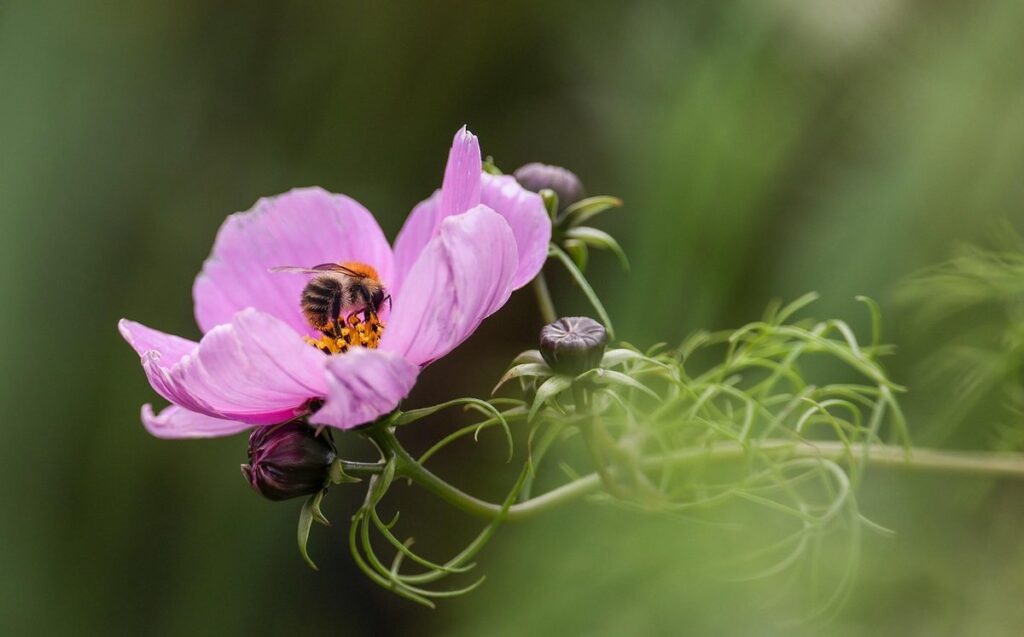
Benefits of Planting a Pollinator Garden
Planting a pollinator garden offers numerous benefits, from supporting local bee populations to adding vibrant colors and life to your outdoor space. We’ll explore these advantages in more detail.
Why Pollinators Matter
Pollinators like bees and butterflies are the unsung heroes of our ecosystem. Without them, many plants would be unable to reproduce, resulting in a drastic reduction in biodiversity. This decline has serious implications for food production, as one-third of the world’s crops, including fruits, vegetables, nuts, and seeds, rely on pollinators to produce fruit or seeds.
The impact of pollinator loss is already being felt, with many farmers reporting reduced yields and lower quality crops. In fact, it’s estimated that if pollinators disappear altogether, global food production would plummet by 30%. This isn’t just an environmental issue; it’s also a human health concern, as our diets become increasingly reliant on these essential foods.
To put this into perspective, consider the humble honey bee. These tiny creatures contribute to over $20 billion in agricultural production each year, making them some of the most valuable pollinators on the planet. By planting a pollinator garden, you’ll not only be supporting biodiversity but also contributing to food security and sustainability.
Types of Pollinators to Support
When it comes to creating a pollinator garden, it’s essential to consider the various types of pollinators that will be visiting and benefiting from your garden. Let’s start with some of the most well-known pollinators: bees!
Honeybees are social bees that thrive in gardens with an abundance of nectar-rich flowers like sunflowers, zinnias, and lavender. Bumblebees, on the other hand, prefer plants with a slightly different flavor profile, such as coneflowers, black-eyed susans, and milkweed.
Butterflies and moths are also important pollinators that can be attracted to your garden with certain plant choices. Butterfly-friendly flowers include marigolds, cosmos, and passionflowers, while moths are drawn to evening-scented flowers like honeysuckle and jasmine.
Don’t forget about our feathered friends – hummingbirds! These tiny birds love tubular flowers like trumpet vine, fuchsia, and coral bells, which provide a quick energy boost from nectar. By incorporating a mix of these plants into your pollinator garden, you’ll be providing a welcoming space for various species to visit and thrive.
To maximize the diversity of pollinators in your garden, consider planting native flowers that are specific to your region. This will help ensure that the most beneficial pollinators in your area have access to the resources they need to survive.
Choosing the Right Plants for Your Pollinator Garden
When selecting plants for your pollinator garden, it’s essential to choose a variety of flowers that provide nectar and pollen for these vital visitors. This section will guide you through the process of making informed choices.
Native Plant Selection
When selecting plants for your pollinator garden, it’s essential to choose native species that are adapted to your region’s climate and soil type. This may seem obvious, but it’s crucial for creating a thriving ecosystem that will attract the right pollinators.
For instance, if you live in an area with hot summers and mild winters, opt for plants like bee balm, coneflower, or black-eyed Susan – all of which are native to North America and can tolerate drought. On the other hand, if your garden is located in a region with cool summers and wet winters, consider planting shrubs like lavender or rosemary.
To create a diverse pollinator garden, aim for a mix of at least 10-15 different plant species that will attract various pollinators, such as bees, butterflies, hummingbirds, and moths. Include plants that bloom at different times to provide a constant source of nectar and pollen throughout the growing season.
Some great combinations include pairing sun-loving flowers like zinnias or marigolds with shade-tolerant plants like impatiens or coleus. By selecting native plants adapted to your local climate, you’ll create a pollinator-friendly garden that will attract a wide range of beneficial insects and support their populations.
Plants That Attract Specific Pollinators
When selecting plants for your pollinator garden, it’s essential to choose species that attract specific types of pollinators. By doing so, you’ll not only create a diverse and thriving ecosystem but also ensure the survival of various beneficial insects.
For instance, bees adore lavender (Lavandula spp.), particularly the English lavender variety. These flowers provide an abundance of nectar, making them a perfect choice for bee-friendly gardens. Another popular option is coneflower (Echinacea spp.), which attracts a range of pollinators, including bees and butterflies.
If you want to attract hummingbirds to your garden, consider planting salvias (Salvia spp.). These flowers come in a variety of species, each with its unique characteristics and color palette. For example, the red salvia (Salvia coccinea) is a favorite among hummingbirds due to its bright red flowers.
When selecting plants for specific pollinators, remember to choose varieties that are native to your region. This will ensure that they thrive in your local climate and attract the intended pollinator. By incorporating these species into your garden, you’ll create a haven for pollinators and contribute to their conservation.
Designing Your Pollinator Garden
Now that you’ve chosen your plants, it’s time to think about how to design a pollinator-friendly garden space. We’ll walk through the key considerations for creating a welcoming habitat.
Layout and Space Considerations
When designing your pollinator garden, it’s essential to consider the layout and space requirements for these beneficial creatures. Pollinators like bees, butterflies, and hummingbirds need room to move around, forage for food, and nest safely.
As a general rule of thumb, aim for a garden with minimal disturbance and plenty of open spaces for pollinators to fly between flowers. This can be achieved by incorporating meandering paths or leaving areas untouched, allowing the plants to grow and thrive naturally. For example, consider designing your garden in a way that mimics nature – think winding walkways and naturalistic groupings of plants.
In addition to providing ample space, incorporate beneficial features like water sources and shelter. A shallow dish or birdbath with fresh water can be a lifesaver for pollinators during hot summer months. As for shelter, consider incorporating native plants with dense foliage that provide hiding spots from predators and harsh weather conditions. Some excellent options include shrubs like lavender or rosemary, which also attract pollinators.
When selecting plants for your garden, remember to choose varieties that are rich in nectar and pollen, as these will serve as essential food sources for pollinators. By incorporating water features, shelter, and abundant plant life, you’ll be creating a welcoming habitat for the very creatures you’re trying to attract – it’s all about balance and harmony!
Incorporating Other Beneficial Elements
When designing your pollinator garden, consider incorporating other beneficial elements that can support a diverse range of wildlife. Compost piles, for instance, are an excellent addition to any garden as they provide essential nutrients for plants and microorganisms. By creating a compost pile, you’ll be reducing waste, improving soil quality, and attracting beneficial insects like bees and butterflies.
Another great feature to include is a rain garden. These shallow depressions in the landscape can collect and filter rainwater, reducing stormwater runoff and recharging groundwater. They also provide a habitat for aquatic plants and animals, such as frogs and dragonflies.
Birdhouses or bird feeders can be another valuable addition to your pollinator garden. By providing a source of food and shelter for birds, you’ll be supporting the local ecosystem and attracting a variety of species that will help pollinate your plants. Consider installing a birdhouse with a roof to provide protection from predators and harsh weather conditions.
These elements not only enhance biodiversity but also create a thriving ecosystem within your garden. By incorporating compost piles, rain gardens, or birdhouses, you’ll be creating a haven for wildlife and supporting the health of your pollinator garden.
Creating a Pollinator-Friendly Environment
To create a thriving pollinator garden, you’ll want to focus on making your outdoor space a welcoming haven for these vital creatures by incorporating plants they adore. This section covers essential tips for designing a pollinator-friendly environment.
Avoiding Pesticides and Herbicides
When creating a pollinator garden, it’s essential to consider the impact of pesticides and herbicides on these beneficial insects. These chemicals can be deadly to bees, butterflies, and other pollinators, as well as harm the plants themselves. In fact, studies have shown that pesticide use can reduce pollinator populations by up to 50% in a single season.
To create a safe haven for pollinators, consider using natural methods to control pests instead of reaching for chemicals. For example, introduce beneficial insects like ladybugs and lacewings, which feed on aphids and other pests. You can also use neem oil or garlic spray to deter aphids and whiteflies without harming your plants.
Another crucial aspect is herbicides, which can also harm pollinators. Instead of using chemical weed killers, try mulching around plants or hand-weeding to control weeds. This not only benefits the environment but also reduces the risk of spreading invasive plant species that can outcompete native flowers for resources and habitat.
Providing Food and Water Sources
Providing food and water sources for pollinators is crucial to creating a thriving pollinator garden. These essential resources can be lacking in many gardens, but with a little planning, you can create a haven that meets the needs of these vital visitors.
In addition to nectar-rich flowers, consider adding sugar water feeders specifically designed for bees and butterflies. A mixture of four parts water to one part sugar is ideal, as it closely mimics the natural nectar found in flowers. Place these feeders near your garden’s busiest areas, where pollinators are most active.
For butterflies, offer a muddy puddle or shallow dish filled with fresh water. This might seem unusual, but butterflies need minerals like sodium and iron to survive, which they absorb through their feet when visiting mud sources. Some examples of plants that attract butterflies include milkweed, marigold, and zinnia.
Maintenance and Care of Your Pollinator Garden
Now that you’ve planted your pollinator garden, learn how to care for it properly through regular maintenance tasks and smart planting strategies. This ensures a thriving ecosystem for years to come.
Seasonal Tasks and Deadheading
As your pollinator garden grows and blooms, it’s essential to stay on top of seasonal tasks to keep it thriving. Deadheading spent flowers is a crucial task that encourages more blooms and promotes a healthy garden.
Deadheading involves removing faded or wilted flowers from the plant, which allows it to redirect its energy towards producing new blooms. This simple practice can significantly impact your garden’s overall health and productivity. For example, if you have a patch of coneflowers, deadhead them regularly to encourage more blooms throughout the growing season.
In addition to deadheading, other seasonal tasks include pruning and weeding. Pruning helps shape plants, promotes healthy growth, and encourages blooming. Weeds can outcompete your pollinator garden for water and nutrients, so regular removal is necessary. Schedule a weekly visit to remove weeds and trim back overgrown branches to maintain your garden’s vibrancy.
By dedicating time to these tasks, you’ll be rewarded with a lush, thriving pollinator garden that attracts beneficial insects all season long.
Monitoring and Adjusting Your Garden
Monitoring and adjusting your pollinator garden is crucial to its success. Regularly tracking pollinator activity will help you understand what’s working and what areas need improvement. To do this, start by observing the types of pollinators visiting your garden, their numbers, and the time of day they’re most active. You can also set up a few simple tools like a bee hotel or a butterfly feeder to attract specific species.
As you monitor your garden’s performance, take note of which plants are attracting the most pollinators. If you notice that certain plants are not drawing in as many visitors, consider replacing them with native alternatives that are more likely to attract local pollinators. For example, if you’re growing a non-native sunflower variety that’s not drawing in bees, try switching to a locally adapted species like the common sunflower (Helianthus annuus).
Don’t be afraid to make changes – it’s all part of the process! Adjusting your plant selection based on results will ensure your garden continues to thrive and provide a haven for pollinators.
Conclusion and Next Steps
Now that you’ve created a thriving pollinator garden, let’s take a moment to review what you’ve learned and discuss your next steps for continued success.
Encouraging Community Engagement
As you’ve successfully established your pollinator garden, it’s time to take it to the next level by engaging with your local community and encouraging others to join the movement. This is an excellent opportunity to share knowledge, resources, and experiences, ultimately contributing to a larger network of pollinator-friendly spaces.
Consider hosting workshops or guided tours of your garden, where you can demonstrate best practices and provide hands-on learning opportunities for participants. You could also invite local experts, such as beekeepers or entomologists, to share their insights on pollinator conservation.
To further encourage community involvement, think about partnering with nearby schools, community centers, or parks departments to develop educational programs or joint projects that promote pollinator-friendly habitats. This not only expands your reach but also helps create a ripple effect of environmental stewardship within your community. Remember to document and share your experiences, tips, and lessons learned through social media or blog posts to inspire others and continue the conversation on pollinator conservation.
Resources for Further Learning
If you’re eager to dive deeper into creating pollinator-friendly gardens, there are numerous resources available that can provide valuable insights and guidance. For bookworms, “The Pollinator Victory Garden” by Kim Eierman is an excellent resource that offers practical advice on designing and maintaining pollinator gardens.
Online, the Xerces Society website (xerces.org) is a treasure trove of information on creating habitat for native pollinators. The site features in-depth guides, videos, and webinars on topics such as bee-friendly plants, butterfly gardening, and even tips for urban gardeners.
Additionally, organizations like the Pollinator Partnership (pollinatorpartnership.org) and the National Wildlife Federation (nwf.org) offer a wealth of information on creating pollinator gardens. These websites feature resources on everything from plant selection to garden design, as well as inspiring stories of community-led initiatives that are making a difference for pollinators.
By tapping into these resources, you can continue to learn and grow your knowledge on creating pollinator-friendly gardens, ultimately contributing to the conservation of our vital pollinators.
Frequently Asked Questions
Can I create a pollinator garden in a small space, such as a balcony or patio?
Yes! You can still make a positive impact on local pollinators even with limited space. Consider using container gardens or vertical planters to maximize space and choose compact, low-maintenance plants that thrive in smaller areas.
How do I know which native plants are suitable for my region’s climate and soil type?
Research your local nurseries or gardening stores for advice on native plant selection tailored to your specific climate and soil conditions. You can also consult with a gardening expert or join online forums to gather more information and learn from other gardeners in similar regions.
What should I do if I notice pests or diseases affecting my pollinator plants?
Identify the issue promptly, and consider natural control methods before resorting to pesticides. For example, introduce beneficial insects like ladybugs or lacewings to manage pest populations. If you must use chemicals, choose integrated pest management (IPM) approaches that minimize harm to pollinators.
Can I include edible plants in my pollinator garden for personal consumption?
Yes! Edible plants like fruits and herbs can be a great addition to your pollinator garden. Choose varieties that are attractive to pollinators and also provide a harvest for you, such as sunflowers or lavender. Be sure to select disease-resistant and climate-suitable options.
How do I balance the needs of different types of pollinators in my garden?
Diversify your plant selection by incorporating a mix of annuals and perennials that cater to various pollinator species. For example, include nectar-rich flowers for bees and butterflies, as well as plants with seed heads for birds and small mammals.