
Are you excited to create a magical garden that sparks your little one’s curiosity and creativity? Designing a garden for children can be a wonderful way to encourage learning, exploration, and outdoor play. Not only does it provide a safe space for kids to run around and get some fresh air, but it also offers countless opportunities for educational adventures.
As parents, caregivers, or educators, we want our young ones to grow up with a love for nature and the environment. A well-designed garden can help foster this connection by introducing child-friendly plants, play elements, and activities that promote learning and development. In this article, we’ll explore how to create a garden that’s both fun and educational, covering topics such as design ideas, plant selection, and engaging activities that cater to children of all ages and abilities.
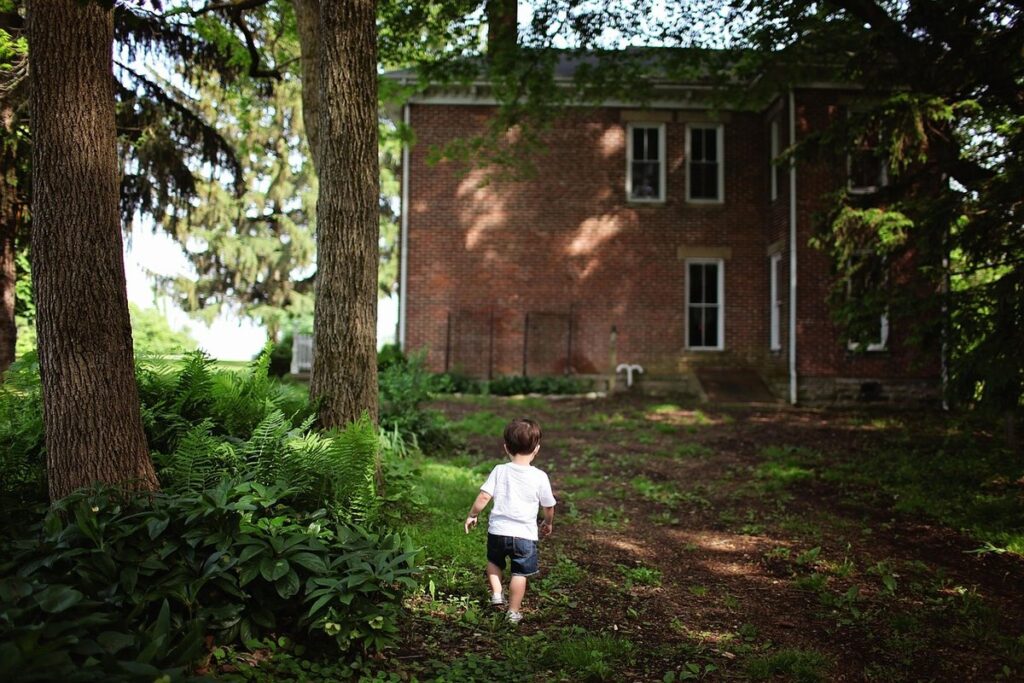
Designing an Enchanted Space
As you bring your magical garden to life, let’s dive into designing an enchanted space that sparks your child’s imagination and wonder. This will involve thoughtful planning of hidden hideaways and whimsical touches.
Considering Age and Ability
When designing an enchanted space for children, it’s essential to consider their age and abilities. Toddlers, preschoolers, and school-age kids have different needs and capabilities when exploring a garden.
For toddlers (1-3 years), focus on creating a safe and stimulating area with soft landscaping, such as grass or wood chip mulch, to cushion falls. Incorporate sensory elements like water features, sand pits, and textured plants. You can also include interactive features like push-pull toys and musical instruments.
Preschoolers (4-5 years) will benefit from more structured activities like a mini-garden where they can plant their own seeds or tend to existing ones. A fairy garden with miniature furniture and accessories can also spark their imagination. Consider adding sensory stations, such as a flower-scented area or a tactile path.
School-age kids (6-12 years) may appreciate more complex features like a nature-inspired art studio or a science-focused section with magnifying glasses and microscopes. Don’t forget to incorporate inclusive elements for children with special needs or abilities, such as wheelchair-accessible pathways, adaptive gardening tools, or sensory-friendly areas with weighted blankets or swings.
Choosing the Right Location
When it comes to designing an enchanted space for children, choosing the right location is crucial. Not only will it impact the types of plants you can grow, but also the overall accessibility and usability of the garden.
First and foremost, consider the amount of sunlight the area receives. Most plants require at least 6 hours of direct sunlight per day to thrive, so ensure your chosen spot gets plenty of natural light. If this isn’t feasible, don’t worry – you can always opt for shade-loving plants like ferns or impatiens.
Another essential factor is drainage. You’ll want a location that’s well-drained and free from waterlogged areas, which can be a breeding ground for pests and diseases. A slight slope or raised bed can help with drainage, making it an excellent option for your magical garden.
When selecting the perfect spot, observe the area during different times of day to get a sense of how it will perform in various conditions. This will give you a better understanding of what types of plants will thrive and where children can safely play and explore. By considering these factors, you’ll be well on your way to creating an enchanting space that’s both beautiful and functional.
Incorporating Safety Features
When designing an enchanted space for children, safety should be the top priority. A magical garden can be a haven for kids to explore and learn, but it’s essential to create a safe environment that minimizes risks of accidents.
To start, consider installing a sturdy fence around the garden area. This will not only prevent children from wandering off but also keep curious critters out. The type of fencing you choose depends on your budget and the style of your garden. Wooden or metal fences are popular options, but be sure to check local regulations regarding height restrictions.
Boundary marking is another crucial aspect of safety in a children’s garden. Use clear signs or colored tape to indicate boundaries between different areas of the garden, such as play zones and plant beds. This will help kids understand what they can and cannot do.
Safety gates are also a must-have in a child-friendly garden. Install gates at all entrances and exits, and consider adding doorstops or door holders to prevent accidental opening. Make sure gates are secure and out of reach for young children.
By incorporating these safety features, you’ll create a magical space that’s both enchanting and safe for kids to explore.
Planting a Vibrant Garden
Let’s get started on creating a colorful and thriving garden that will delight your little ones, and I’ll show you how to plant vibrant flowers and plants that will make their eyes sparkle.
Selecting Child-Friendly Plants
When selecting plants for your child’s garden, it’s essential to choose varieties that are not only visually appealing but also safe and easy to care for. As children learn about gardening, they’ll inevitably ingest plant parts or get sap on their skin, so non-toxic options are a must.
Consider planting herbs like mint, basil, and cilantro, which are kid-friendly and can be used in cooking. Flowers such as sunflowers, zinnias, and marigolds are not only colorful but also easy to grow and maintain. Vegetables like cherry tomatoes, carrots, and beans are perfect for kids to learn about, as they’re simple to care for and produce a high yield.
When introducing new plants, make sure to explain the differences between edible and non-edible parts. For example, teach your child that leaves from herbs can be eaten but those from flowers usually shouldn’t be. By starting with low-maintenance plants, you’ll encourage your child’s curiosity and enthusiasm for gardening, laying the foundation for a lifelong love of nature and sustainable practices.
Incorporating Sensory Experiences
When it comes to creating a magical garden for children, one of the most important aspects is incorporating sensory experiences that cater to their natural curiosity and love for exploration. Sensory gardens are designed to engage children’s senses, encouraging them to touch, see, smell, and explore the natural world around them.
Incorporating different textures into your garden is a great way to create a sensory experience for kids. Consider adding plants with varying leaf textures, such as succulents with soft leaves or herbs like rosemary with needle-like foliage. You can also incorporate water features, like fountains or small ponds, that allow children to splash and explore.
Colors are another essential aspect of creating a sensory garden. Incorporate a variety of flowers and plants in different hues to create a visually appealing experience for kids. Consider adding native plants that attract local wildlife, such as bees and butterflies, which can add an extra layer of excitement for young explorers.
Smells play a crucial role in our emotional connection with nature. Incorporating fragrant herbs like lavender or mint can be calming and soothing for children. You can also plant flowers that release strong scents at different times of the day, creating a dynamic sensory experience for kids to discover and enjoy.
Creating a Variety of Learning Opportunities
When designing your magical garden for children, it’s essential to incorporate various learning opportunities that cater to their natural curiosity and love for exploration. One way to achieve this is by including interactive elements that encourage science, math, and literacy learning.
Incorporate insect hotels, bird feeders, or even a small pond with aquatic plants to foster an appreciation for the natural world and its inhabitants. These features not only provide opportunities for observation but also promote critical thinking as children learn about the life cycles of insects, birds, and fish. For instance, you can create a simple bird feeder using peanut butter, seeds, and pinecones.
Reading nooks with benches or hammocks amidst lush greenery or near a colorful flower bed are perfect spots to inspire young minds. You can also include a small library or a designated reading area with a comfortable chair and a few favorite books. This will not only provide a cozy spot for children to relax but also encourage a love for reading and exploration of the natural world.
To take it a step further, consider incorporating math into your garden design by including geometric shapes made from flowers, herbs, or vegetables. For example, you can create a flower border with triangular or circular patterns using different varieties of flowers. This will not only add visual appeal but also make learning math concepts fun and interactive for children.
Preparing for Maintenance and Fun
Now that you’ve built a magical garden, let’s talk about how to keep it thriving and fun for your little ones all year round. This section shares some practical tips on maintenance and making the most of outdoor playtime.
Teaching Children Gardening Skills
Teaching children gardening skills is an excellent way to get them involved in the outdoors and develop their connection with nature. It’s also a great opportunity for kids to learn valuable life skills like responsibility, patience, and self-sufficiency.
Start by involving your child in simple tasks such as watering plants, weeding the garden, and pruning overgrown branches. These activities may seem menial, but they’re essential for maintaining a healthy garden and teaching kids about the importance of regular care. For example, teach your child how to gently water plants without over-saturating the soil, or show them which weeds can be removed and which ones should be left alone.
Make gardening a fun experience by incorporating games and challenges into the maintenance routine. For instance, set up a “weed removal challenge” where kids compete to see who can pull out the most weeds in a set amount of time. This approach not only keeps kids engaged but also helps them develop problem-solving skills and a sense of accomplishment.
Remember, involving your child in garden maintenance is just as important as teaching them specific gardening techniques. Encourage them to take ownership of their section of the garden, allowing them to make decisions about what plants to grow or how to care for their plot. This not only fosters a sense of responsibility but also helps kids develop a deeper appreciation for the natural world and its rhythms.
By doing so, you’ll create a magical garden that’s not just beautiful but also a valuable learning environment for your child.
Incorporating Play Elements
Incorporating play elements into your garden design is a must-have feature when creating a magical space for kids. Not only does it allow them to explore and engage with nature, but also provides numerous benefits for their cognitive, emotional, and physical development.
Research shows that unstructured play has a significant impact on children’s ability to think creatively, solve problems, and develop essential life skills like decision-making and self-confidence. A sandbox, mud kitchen, or playhouse in your garden design can become a hub of imaginative play, encouraging kids to dig, create, and explore without any digital distractions.
To incorporate play elements into your design, start by identifying the age range of children who will be using the space. For younger ones (2-5 years), consider adding a sandbox or sensory garden with interactive textures and smells. For older kids (6-10 years), think about including a more complex structure like a mud kitchen or a playhouse with themed features, such as a mini-grocery store or restaurant.
When designing these spaces, don’t forget to add plenty of hiding spots, secret passages, and surprise elements to fuel their imagination.
Seasonal Tips and Activities
As the seasons change, it’s essential to keep your child’s garden engaging and exciting. Planting bulbs in the fall is a great way to create a magical surprise for the winter months. Choose varieties like tulips, daffodils, or hyacinths that bloom in early spring and will add a pop of color to the garden when everything else seems bare.
In the spring, focus on planting kid-friendly crops like strawberries, carrots, or radishes. These are easy to grow and require minimal maintenance, making them perfect for young gardeners. Make it a fun family activity by letting your child help with planting seeds, watering, and harvesting the crops.
Summer is the best time for outdoor activities in the garden. Organize a “Garden Party” with games like nature scavenger hunts, bug-themed crafts, or even a mini obstacle course made from natural materials found in the garden. Don’t forget to involve your child in planning and executing these events – it’s all about making memories!
In autumn, focus on harvesting crops that have ripened throughout the summer. Let your child help with collecting ripe fruits and vegetables, and teach them how to preserve them through canning, freezing, or drying. This will not only keep the garden engaged but also provide a sense of accomplishment and pride in their hard work.
Educational Benefits and Resources
As you plan your magical garden, let’s explore the many educational benefits it can provide for children, from hands-on learning to outdoor exploration.
Understanding the Impact on Education
A magical garden can have a profound impact on a child’s education, extending far beyond the basics of horticulture and outdoor exploration. Research has shown that children who spend time in nature exhibit improved concentration and focus, leading to better academic performance.
Studies have found that students who participate in gardening activities show an average increase of 15% in math and reading scores (University of Illinois at Urbana-Champaign). Furthermore, a study by the University of California, Los Angeles, discovered that children who spent time outdoors had higher self-esteem and social skills than those who did not.
As you create your magical garden, consider incorporating hands-on learning activities, such as planting and harvesting. This can help children develop problem-solving skills, critical thinking, and an appreciation for the interconnectedness of nature. Encourage exploration by adding sensory elements like a water feature or a herb garden.
Finding Local Resources and Support
As you embark on creating a magical garden for children, it’s essential to tap into local resources and community support. Not only will this help you stay inspired and motivated, but it will also provide valuable opportunities for kids to learn from others and make new friends.
Start by searching online for gardening clubs or groups in your area that cater specifically to families with children. Many cities have parks and recreation departments that offer kid-friendly gardening programs, workshops, or even a community garden where kids can get their hands dirty. You can also search for local nurseries, botanical gardens, or arboretums that offer educational programs or events for kids.
Joining online forums or social media groups dedicated to child-friendly gardening is another excellent way to connect with like-minded individuals and gain valuable insights. These communities often share tips, advice, and resources on everything from kid-safe plants to creative ways to engage children in gardening activities. By tapping into local resources and community support, you’ll be well on your way to creating a magical garden that’s not only fun for kids but also educational and rewarding for the whole family.
Case Studies and Examples
Let’s dive into some real-life examples of magical gardens that have brought joy and wonder to children, inspiring you to create your own unique outdoor space. From whimsical play areas to sensory gardens, these case studies will spark your creativity.
Successful Child-Friendly Garden Designs
Let’s take a look at some truly magical child-friendly garden designs from around the world. The ‘Wonder Garden’ in Singapore is an excellent example of innovative features that cater to kids. This 1,500-square-meter garden features interactive displays, water play areas, and even a mini-theater for children to put on their own shows.
The ‘Birmingham Botanical Gardens’ in the UK offer a sensory garden designed specifically for children with special needs. The space includes tactile plant labels, a mirror maze, and a quiet area for kids to unwind.
Innovative features like these show us that child-friendly gardens can be both fun and educational. Lessons learned from projects like these include the importance of incorporating interactive elements, considering different abilities, and providing shade and water play areas to keep kids cool in warmer climates.
These examples demonstrate how a little creativity and planning can go a long way in creating a magical garden for children. By taking inspiration from designs like these, you can create your own unique space that sparks imagination and wonder in young minds.
Lessons Learned and Future Directions
As we conclude our exploration of creating magical gardens for children, it’s essential to reflect on the key takeaways and consider future directions. One crucial lesson learned is that a child-friendly garden should prioritize interactive elements, such as sensory experiences, imaginative play areas, and learning opportunities. This can be achieved by incorporating features like water play stations, gardening nooks, and nature-based art installations.
Another critical aspect is ensuring accessibility and inclusivity in the design, allowing children with varying abilities to engage and enjoy the space. By considering universal design principles and collaborating with experts, we can create environments that cater to diverse needs.
Looking ahead, future directions for magical gardens include exploring innovative technologies, such as augmented reality and interactive lighting, to further enhance the experience. Additionally, incorporating educational programs and workshops can foster a deeper connection between children and nature. By embracing these ideas and prioritizing play-based learning, we can create truly enchanting spaces that inspire young minds and spark lifelong passions for gardening and exploration.
Frequently Asked Questions
What if I have a small yard or limited space for my child’s garden?
Don’t worry, even the smallest spaces can be transformed into an enchanted oasis! Consider vertical gardening options like trellises, wall-mounted planters, or raised beds that make the most of your available space. You can also repurpose old containers and use them as mini-gardens. Get creative and think outside the box (or garden bed) to create a magical space for your child.
How do I choose plants that are suitable for young children?
When selecting plants, prioritize those that are non-toxic and easy to care for. Consider plants with soft textures like succulents or mosses, which can be explored safely by little ones. Also, opt for plants that bloom at different times of the year to ensure a constant display of colors and scents throughout the growing season.
What are some safety features I should include in my child’s garden?
Safety is paramount when designing a garden for children! Consider installing soft landscaping like wood chip mulch or artificial turf to cushion falls. You can also incorporate physical barriers, such as fencing or screens, to prevent accidental exits. Finally, ensure that any water features, like fountains or ponds, are securely fenced and easily accessible.
How do I create a sensory experience for my child in the garden?
Create a sensory wonderland by incorporating a variety of textures, smells, and sounds! Plant herbs with fragrant leaves like lavender or mint, and consider adding a musical element like wind chimes or a water feature. Don’t forget to include tactile experiences, such as smooth rocks, rough bark, or soft mosses for your child to explore.
Can I involve my child in the garden’s design and maintenance process?
Involving your child in the garden’s planning and upkeep can be a fantastic way to foster their connection with nature. Encourage them to help choose plants, create art installations, or even assist with watering and weeding. This hands-on approach will not only make the experience more enjoyable for both of you but also teach valuable life skills like responsibility and nurturing.