
Are you passionate about birds and want to make your outdoor space more welcoming for them? Creating a bird-friendly garden is easier than you think, and it can be a game-changer for local bird populations. Did you know that many species of birds rely on our gardens for vital resources like food, water, and shelter? By transforming your garden into a haven for birds, you’ll not only be providing them with the essentials but also contributing to their survival.
In this article, we’ll guide you through the process of creating a thriving bird-friendly garden. We’ll share expert tips on choosing the best plants, designing effective water features, and maintaining your space to support local birdlife. From selecting nectar-rich flowers to setting up a bird bath, we’ve got you covered. Whether you’re a seasoned gardener or just starting out, this article will show you how to make a real difference in the lives of your feathered friends.
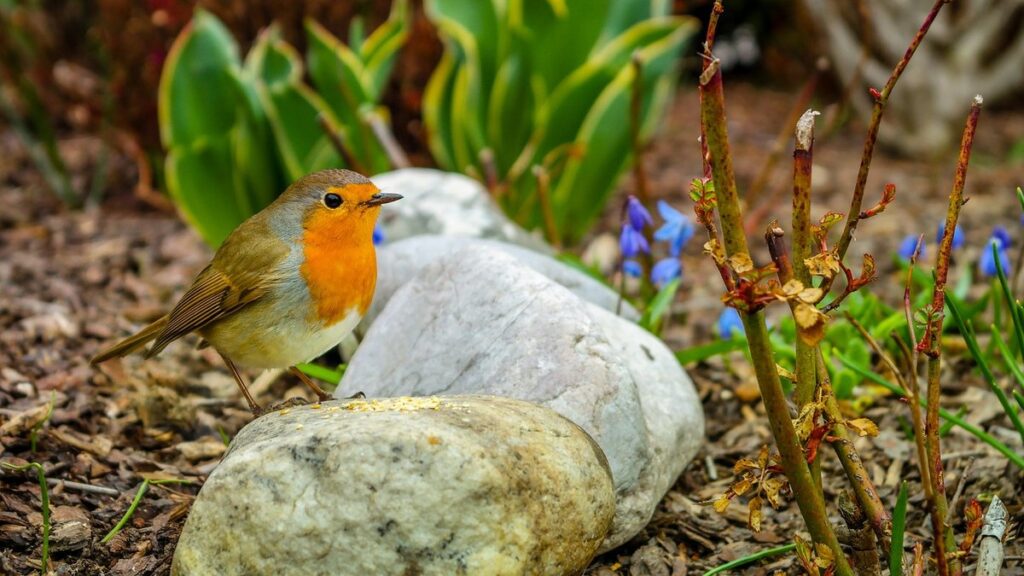
Understanding the Importance of Bird-Friendly Gardens
Creating a bird-friendly garden isn’t just beneficial for birds, but also for you and your community. This section explores why gardens designed with birds in mind are essential for our ecosystem.
The Role of Gardens in Supporting Local Ecosystems
When you create a bird-friendly garden, you’re not just attracting birds to your yard – you’re also playing a crucial role in supporting local ecosystems. This is essential for the health and biodiversity of our environment.
Birds are an integral part of the ecosystem’s balance, serving as both predators and prey for other animals. They help control insect populations, pollinate plants, and disperse seeds. By creating a bird-friendly garden, you’re providing them with a vital source of food, water, and shelter.
One way to support local ecosystems is by planting native vegetation that provides berries, nectar, or seeds for birds. Consider including plants like coneflowers, sunflowers, or shrubs like pyracantha or hawthorn in your garden. You can also create a source of fresh water by installing a birdbath or shallow dish filled with fresh water and a few rocks for perching.
By incorporating these simple steps into your gardening practices, you’ll be contributing to the preservation of local ecosystems and supporting the well-being of birds and other wildlife that call them home.
Common Challenges Facing Birds in Urban Environments
In urban environments, birds face numerous challenges that can impact their survival and well-being. Habitat loss is a significant concern, as natural habitats such as forests and wetlands are being replaced by buildings and other infrastructure. This not only reduces the availability of nesting sites and shelter but also fragments populations, making it difficult for birds to find food, water, and potential mates.
Pollution is another major issue in urban areas. Birds can ingest pollutants through contaminated food sources or exposure to toxic chemicals in the air. For example, lead poisoning from bird feeders coated with lead-based paint can be fatal. Additionally, litter and debris on the ground can cause physical harm to birds.
The scarcity of food resources is also a challenge in urban environments. Many birds rely on human-provided food sources such as bird feeders or pet food, which may not provide the necessary nutrients for their survival. Furthermore, the lack of native plant species and flowers that produce nectar can limit the availability of natural food sources.
By creating a bird-friendly garden, you can help mitigate these challenges by providing a safe haven for birds to rest, nest, and forage for food. This can include incorporating native plants, reducing or eliminating pollutants, and using bird-friendly materials such as birdbaths and feeders.
Choosing the Right Plants for Your Bird-Friendly Garden
When selecting plants for your bird-friendly garden, it’s essential to choose species that provide a reliable food source and shelter for our feathered friends throughout the year. This selection should be guided by native plant options and bloom times.
Selecting Native Plant Species
When it comes to creating a bird-friendly garden, selecting native plant species is crucial. These plants have evolved alongside local bird populations and provide essential resources such as food, shelter, and breeding grounds. By choosing native species, you’ll attract a wider variety of birds to your garden and support their overall well-being.
To select the right native plants for your climate, research the specific species that thrive in your region. Consider factors like soil type, moisture levels, and sunlight exposure when selecting plants. For example, if you live in a dry climate, choose drought-tolerant plants like cacti or succulents. In areas with high rainfall, opt for plants like ferns or shrubs that can handle excess moisture.
Some native plant species are particularly beneficial for birds. Examples include milkweed (Asclepias spp.), which provides nectar and habitat for monarch butterflies, and coneflower (Echinacea spp.), which offers seeds and shelter for various bird species. Plant these species in clusters or groups to create a diverse and welcoming environment that will attract an array of bird visitors.
Including a Diverse Range of Plant Types
When creating a bird-friendly garden, it’s essential to include a diverse range of plant types that cater to different bird species’ needs. This not only provides a haven for birds but also enhances the overall biodiversity of your garden.
Incorporating trees, shrubs, perennials, and annuals is crucial in supporting various bird species. Trees provide nesting sites, while shrubs offer berries and seeds as food sources. Perennials, like coneflowers and black-eyed Susans, attract birds with their nectar-rich flowers. Annuals, such as sunflowers and cosmos, add a splash of color and offer seeds for birds to feast on.
Consider planting native species, which are more likely to attract local bird populations. For example, if you live in an area with American robins, plant oak or maple trees that produce berries. In regions with hummingbirds, incorporate nectar-rich flowers like trumpet vines or honeysuckle.
Remember to choose plants that bloom at different times to provide a constant food source for birds throughout the year. This diversity will attract a wider range of bird species and make your garden an inviting haven for them.
Creating Bird-Friendly Water Features
When it comes to creating a bird-friendly garden, water features are a must-have for attracting birds and other wildlife. We’ll show you how to create these essential water sources in your own yard.
Installing a Birdbath or Pond
Providing a source of water for birds is crucial to attracting them to your garden. Birdbaths and ponds are ideal features that can cater to this need. When installing either feature, it’s essential to consider the birds’ safety and accessibility.
A birdbath or pond should be placed in an area that receives partial shade, especially during peak summer months when water evaporation is high. The size of the feature will also depend on your garden’s space. A small birdbath (about 12 inches deep) can be installed in a corner, while a larger pond might require more land.
Some key considerations to keep in mind include using rocks or logs to create a safe and accessible area for birds around the water feature. Avoid placing plants too close to the water’s edge as they can drop leaves into the water, creating an ideal breeding ground for mosquitoes and other pests.
Remember to change the water frequently to prevent mosquito breeding and maintain the cleanliness of your birdbath or pond. A water fountain or aerator will also help keep the water fresh and circulating.
Incorporating a Rain Garden or Stormwater Management System
When designing a bird-friendly water feature, it’s essential to consider incorporating a rain garden or stormwater management system. These features not only help reduce water pollution but also provide additional benefits for our feathered friends.
A rain garden is a shallow depression that collects and filters rainwater, allowing it to slowly infiltrate the ground. By incorporating a rain garden into your bird-friendly garden, you’ll be reducing the amount of stormwater runoff that enters nearby waterways, thereby decreasing the risk of pollution. This, in turn, will help maintain a healthy aquatic ecosystem.
Incorporating a rain garden or stormwater management system also provides an opportunity for birds to find food and shelter. For example, the plants native to your region that you’ll be planting around the rain garden can serve as a food source for birds during different seasons. Additionally, the shallow water in the rain garden will attract birds looking for drinking water.
When designing a rain garden or stormwater management system, consider using native vegetation and incorporating rocks or other features that create habitat diversity. This will not only help to control erosion but also provide sheltered areas for birds to rest and hide from predators.
Providing Food Sources for Birds
When it comes to creating a bird-friendly garden, providing food sources is just as important as offering shelter and water. Let’s take a closer look at some easy ways to feed your feathered friends.
Choosing the Right Bird Feeders
When it comes to creating a bird-friendly garden, selecting the right bird feeders is crucial for attracting a variety of bird species and keeping them healthy. However, with so many types of feeders available, choosing the best one can be overwhelming.
First and foremost, consider the safety features of the feeder. Look for ones that are designed to prevent predators from accessing the seed, such as having small openings or cages around the feeding area. For example, a squirrel-proof bird feeder is perfect for gardens with nut-loving squirrels.
It’s also essential to choose feeders that are easy to clean and maintain. A feeder with removable trays or sections makes it effortless to refill seeds and clean out any debris. This not only keeps the birds healthy but also reduces the risk of disease transmission.
In addition, consider the accessibility of the feeder for various bird species. For instance, if you want to attract smaller birds like finches or sparrows, choose a feeder with small perches or trays specifically designed for their needs.
Offering a Diverse Range of Seed Types
When it comes to creating a bird-friendly garden, offering a diverse range of seed types is crucial for supporting a variety of bird species. By providing a mix of nuts, fruits, and insects, you’ll attract a wider range of birds to your garden, including those that might not be attracted to traditional sunflower seeds.
For example, woodpeckers and nuthatches love suet and nuts like hazelnuts and beechnuts. Meanwhile, bluebirds and robins are drawn to fruits like cherries and raspberries. Offering a variety of seed types will also cater to birds with different dietary needs, such as those that require high-energy foods during breeding season.
To create a diverse seed mix, consider including the following: sunflower seeds for cardinals and finches, suet for woodpeckers, nuts like hazelnuts and beechnuts, fruits like cherries and raspberries, and insects like mealworms. You can also offer separate feeders or trays specifically designed for different types of seed, allowing birds to choose their preferred food source.
Make sure to position these diverse seed offerings in an easy-to-access location within your garden, and consider replenishing them regularly to ensure a constant supply of fresh seeds and fruits.
Creating Bird-Friendly Habitats Within Your Garden
Creating a bird-friendly habitat within your garden is all about providing the right environment for our feathered friends to thrive, starting with native plants and water features. Next, we’ll explore how to create these essential elements in your outdoor space.
Incorporating Native Grasses or Wildflowers
When it comes to creating bird-friendly habitats within your garden, incorporating native grasses or wildflowers is essential. These plants provide vital shelter and nesting sites for birds, which are often missing in urban gardens.
Native grasses and wildflowers offer a range of benefits for birds. They provide a source of food, particularly seeds and nectar, during the breeding season. Many species of birds, such as finches and sparrows, rely on native plants to build their nests, using long stems and leaves to construct intricate structures.
Incorporating native grasses or wildflowers is easier than you think. Begin by identifying which types are native to your region and suitable for your garden’s climate. Consider planting a mix of annuals and perennials to provide year-round interest and food sources. Some popular choices include coneflowers, black-eyed Susans, and switch grass.
By incorporating these plants into your garden design, you’ll be providing birds with the shelter and nesting sites they need to thrive.
Creating a Brush Pile or Log Pile
A brush pile or log pile is a simple yet effective way to provide additional habitat features for birds in your garden. By creating a collection of branches and logs, you can offer shelter and nesting sites that will attract a variety of bird species.
When selecting materials for your brush pile, consider using native trees and shrubs, as these are more likely to attract local bird populations. Avoid using pressure-treated wood or other chemicals, which can be toxic to birds. Instead, opt for natural materials like cedar, cypress, or pine.
To create a brush pile, start by gathering branches and logs of various sizes. Place them in a corner or against a fence, creating a loose structure that will provide shelter and hiding spots for birds. You can also add some rocks or other features to make the area more interesting.
Remember to leave some areas of your garden untidy, as this will allow birds to forage for food and insects among the leaves and branches. By providing a brush pile or log pile in your garden, you’ll be creating a haven for local bird species to thrive and enjoy.
Maintenance Tips for Your Bird-Friendly Garden
Now that you’ve created a haven for your feathered friends, it’s time to learn how to keep their garden paradise thriving with our essential maintenance tips. Keep reading to discover expert advice on regular upkeep.
Regularly Cleaning Up Debris and Waste
Keeping your bird-friendly garden clean is crucial to maintain its allure for birds. Debris and waste can quickly accumulate, especially after strong winds or heavy rain. If left unattended, these messes can be detrimental to the health of your garden’s ecosystem.
Birds are naturally drawn to gardens with an abundance of food sources. However, debris scattered across your yard can serve as a barrier between them and their potential meal source. Consider this: a study found that birds are less likely to visit areas where seeds or berries are buried beneath layers of fallen leaves.
To maintain the cleanliness of your bird-friendly garden:
* Set aside time each week to walk through your garden, collecting debris and waste.
* Use a rake to clear leaves and twigs from pathways and around food sources.
* Keep a designated area for storing garden waste, such as a compost bin or leaf pile.
* Regularly inspect your plants for signs of disease or pests, addressing issues promptly to prevent further damage.
By incorporating these maintenance habits into your routine, you’ll create an environment where birds feel welcome to visit and thrive.
Monitoring and Adjusting Your Garden’s Design
As you nurture your bird-friendly garden, it’s essential to monitor and adjust its design over time. This ensures that your garden continues to provide the necessary resources for birds to thrive.
Regularly observe which plants are most popular with the birds visiting your garden. Are they feeding on berries from a particular shrub or sipping nectar from a specific flower? Make note of these hotspots and consider adding more varieties of the same plant type to enhance their appeal.
Also, monitor the bird species that frequent your garden. Do you notice a higher concentration of certain birds, like robins or blue jays? These observations can help you tailor your garden’s design to cater to their specific needs. For example, if you have an abundance of robins, consider adding more ground-dwelling insects to attract them.
By monitoring and adjusting your garden’s design, you can create a dynamic ecosystem that adapts to the changing needs of its bird inhabitants. This simple yet effective approach will help maintain a healthy balance in your garden and keep your feathered friends coming back for more.
Frequently Asked Questions
How do I know which plants are best for my bird-friendly garden?
When choosing plants for your garden, focus on native species that provide nectar-rich flowers, berries, or seeds. Consider plants with varying growth habits and flowering times to ensure a constant food source throughout the year. Some excellent options include coneflowers, black-eyed Susans, and shrubs like dogwood or holly.
Can I use store-bought bird feeders in my bird-friendly garden?
Yes, you can use store-bought bird feeders, but consider adding native plants to supplement their seed offerings. This will attract a wider variety of birds and provide them with more nutritional options. Also, ensure the feeder is easy to clean and maintain.
How often should I clean up debris in my bird-friendly garden?
Regularly cleaning up debris and waste in your garden is essential for maintaining a healthy environment for birds. Set aside time each week or month to remove weeds, dead plants, and other items that could harm birds or compromise their habitats.
What’s the best way to provide water sources for birds in my garden?
Install a birdbath or pond with fresh water changed regularly. Consider incorporating rain gardens or stormwater management systems to collect and filter rainwater. Make sure the water source is shallow enough for birds to easily access and is safe from predators.
How can I ensure my bird-friendly garden remains healthy and thriving over time?
Regularly monitor your garden’s design and adjust as needed to accommodate changing seasons and local wildlife needs. Consider implementing a maintenance schedule that includes tasks like pruning, weeding, and replenishing seed sources. This will help maintain the balance of species in your garden and keep it welcoming for birds throughout the year.